
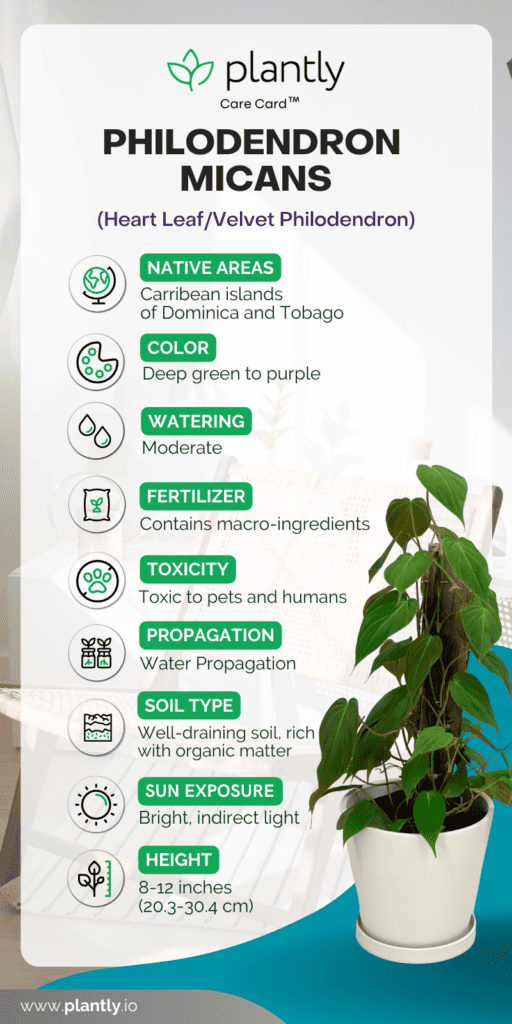
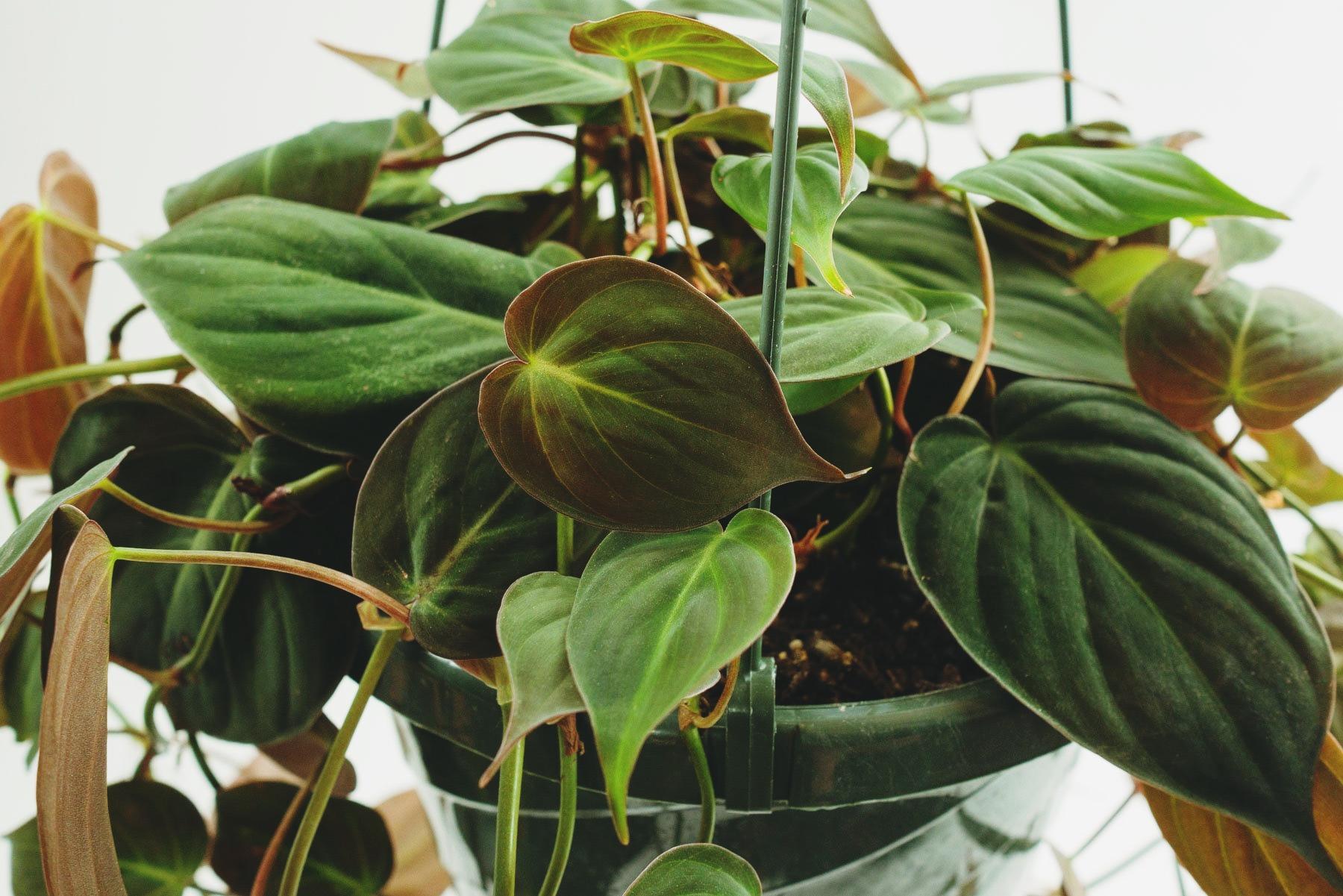
Philodendron Micans is a popular houseplant known for its velvety leaves. It’s perfect for adding a touch of greenery indoors.
Caring for Philodendron Micans may seem tricky at first, but it’s easier than you think. This beautiful plant thrives with the right attention and can brighten any space. Its unique, heart-shaped leaves are a stunning addition to any home. In this guide, we will explore the essentials of Philodendron Micans plant care.
From watering tips to ideal light conditions, you’ll learn how to keep your plant healthy and thriving. Whether you’re a seasoned plant parent or a beginner, these care tips will help you enjoy your Philodendron Micans to the fullest. Let’s dive into the world of Philodendron Micans and discover its care secrets!
Light Requirements
The Philodendron Micans is a beautiful plant with velvety leaves. It’s a favorite among indoor plant lovers. Proper care ensures that it thrives. One key aspect of its care is light requirements. Understanding the right light conditions can make a big difference. Let’s dive into the ideal lighting conditions and signs of insufficient light for your Philodendron Micans.
Ideal Lighting Conditions
Philodendron Micans thrives in bright, indirect light. Direct sunlight can scorch its leaves. Filtered light is best. Consider placing it near a window with sheer curtains. Here are a few tips:
- Place near a north or east-facing window.
- Avoid south-facing windows; they can be too harsh.
- Rotate the plant occasionally for even growth.
Artificial light can also work. Use fluorescent or LED grow lights. Position the lights about 6-12 inches above the plant. Keep them on for 12-14 hours daily. Here is a quick comparison of natural and artificial light:
| Natural Light | Artificial Light |
|---|---|
| North or east-facing window | Fluorescent or LED lights |
| Indirect sunlight | 6-12 inches above the plant |
| Filtered light | 12-14 hours daily |
Signs Of Insufficient Light
Philodendron Micans shows clear signs if it lacks light. Recognizing these signs early can help. Look out for the following:
- Pale or yellow leaves. The plant struggles to photosynthesize.
- Leggy growth. Stems stretch towards the light source.
- Slow growth. The plant may stop producing new leaves.
Monitor your plant regularly. If these signs appear, adjust its light conditions. Move it to a brighter spot. Consider using artificial lights if natural light is limited. Here is a summary:
| Sign | Cause | Solution |
|---|---|---|
| Pale or yellow leaves | Lack of light | Move to brighter spot |
| Leggy growth | Insufficient light | Rotate plant |
| Slow growth | Low light | Use grow lights |
Ensuring your Philodendron Micans gets the right light is crucial. With proper care, it will thrive and grow beautifully.
Credit: vahousingcounselors.org
Watering Needs
The Philodendron Micans is a beautiful plant. Its velvety leaves and trailing vines make it popular. Proper watering is essential for its health. This guide will help you with watering needs and signs of overwatering.
Frequency And Amount
Watering the Philodendron Micans correctly is crucial. It needs consistent moisture, but not too much. The plant thrives in well-draining soil. Here are some tips for watering frequency and amount:
- Water once a week during the growing season (spring and summer).
- In winter, reduce watering to once every two weeks.
- Always check the soil before watering.
- The top 2 inches of soil should be dry before watering again.
Too much water can harm the plant. Use a watering can with a narrow spout for control. Pour water slowly until it drains from the bottom. Empty any water collected in the saucer to prevent root rot. This routine will ensure your Philodendron Micans stays healthy.
Signs Of Overwatering
Overwatering can damage the Philodendron Micans. Watch for these signs to prevent problems:
- Yellowing leaves: This is a common sign of overwatering.
- Drooping stems: Too much water can cause the plant to droop.
- Mushy stems: Check for soft and mushy stems, which indicate root rot.
- Fungal growth: Mold or fungus on the soil surface can mean too much moisture.
If you notice these signs, reduce watering immediately. Let the soil dry out before the next watering. Remove any affected leaves and stems. Ensure the pot has good drainage. Proper care will revive your plant and prevent further damage.
Soil Preferences
The Philodendron Micans is a stunning plant with velvety leaves. It is a favorite among houseplant enthusiasts. Proper care ensures it thrives. Understanding its soil preferences is crucial. The right soil mix and drainage are key. This guide will help you care for your Philodendron Micans.
Best Soil Mixes
The right soil mix is essential. Philodendron Micans thrives in well-draining soil. This type of soil prevents root rot. A mix of the following works well:
- 50% potting soil
- 20% perlite
- 20% orchid bark
- 10% charcoal
Potting soil provides nutrients. Perlite helps with aeration. Orchid bark improves structure. Charcoal keeps the soil fresh. This mix mimics the plant’s natural habitat.
Another good option is a mix of peat moss and vermiculite. Peat moss retains moisture. Vermiculite improves aeration and drainage. A 50-50 ratio works well. This mix is lightweight and easy to manage.
Avoid heavy soils. These can cause waterlogging. Sandy soils are also not ideal. They dry out too quickly. The goal is a balance. Retain moisture but allow excess water to drain away.
Drainage Importance
Good drainage is vital for Philodendron Micans. It prevents the roots from sitting in water. This can lead to root rot. Root rot can kill the plant. Ensure the pot has drainage holes.
A layer of pebbles at the bottom of the pot helps. This creates a space for excess water. Water should flow freely through the soil. It should not pool at the bottom.
Regularly check the drainage. Water should come out through the holes. If not, the soil might be compacted. Repot with fresh soil if needed. This ensures healthy roots.
Overwatering is a common issue. Water only when the top inch of soil is dry. Insert your finger to check. If it feels dry, it’s time to water. This prevents water from sitting in the soil. Healthy roots mean a healthy plant.
Humidity Levels
The Philodendron Micans is a beautiful houseplant with velvety leaves. It’s a popular choice for indoor gardening. One important aspect of its care is maintaining the right humidity levels. Proper humidity ensures the plant stays healthy and vibrant. Let’s explore the ideal humidity ranges and methods to increase humidity for your Philodendron Micans.
Optimal Humidity Ranges
Philodendron Micans thrive in environments with higher humidity. The optimal humidity level for this plant is between 60% to 80%. This range helps the plant maintain its lush, green appearance.
In lower humidity conditions, the plant may suffer. Symptoms include brown leaf edges and slower growth. To avoid these problems, keep an eye on the humidity levels in your home.
Here is a quick reference table for optimal humidity ranges:
| Humidity Level | Effect on Philodendron Micans |
|---|---|
| Below 40% | Leaves turn brown, growth slows |
| 40% – 60% | Average growth, some brown edges |
| 60% – 80% | Optimal growth and health |
| Above 80% | Risk of mold and rot |
Methods To Increase Humidity
There are several ways to increase humidity for your Philodendron Micans. These methods are easy and effective.
- Use a humidifier: Place a humidifier near the plant. This is the most effective way to raise humidity.
- Misting: Lightly mist the leaves with water. Do this a few times a week.
- Water trays: Place a tray of water near the plant. As the water evaporates, it adds moisture to the air.
- Grouping plants: Put your Philodendron Micans with other plants. This creates a microenvironment with higher humidity.
Another method is using pebble trays. Here’s how:
- Fill a shallow tray with pebbles.
- Add water to the tray, just below the top of the pebbles.
- Place the plant pot on top of the pebbles. Make sure the pot is not sitting directly in the water.
This setup ensures that as the water evaporates, it increases the humidity around the plant.
Temperature Range
Philodendron Micans is a popular houseplant known for its velvety, heart-shaped leaves. Its unique appearance makes it a favorite among plant enthusiasts. Proper care is essential for its healthy growth, especially maintaining the right temperature. This guide will help you understand the best temperature range and precautions for cold weather.
Ideal Temperature Conditions
Philodendron Micans thrives in warm, humid environments. Keeping the plant in the right temperature range is crucial for its growth and health.
Here are some tips for ideal temperature conditions:
- Maintain a temperature range of 65°F to 80°F (18°C to 27°C).
- Avoid exposing the plant to temperatures below 55°F (13°C).
- Ensure the plant is not placed near cold drafts or air conditioning vents.
- Use a room thermometer to monitor the temperature regularly.
Philodendron Micans prefers consistent temperatures. Sudden changes can stress the plant. If you notice the leaves curling or turning yellow, check the temperature. Adjust as needed to keep the plant comfortable. Ensuring the plant’s environment stays within the ideal range will promote healthy growth and vibrant foliage.
Cold Weather Precautions
Cold weather can be harmful to Philodendron Micans. Taking the right precautions can help protect your plant during colder months.
Here are some key cold weather precautions:
- Move the plant away from windows and doors that may let in cold air.
- Place the plant in a warmer room if the temperature drops below 55°F (13°C).
- Consider using a space heater to maintain a warm environment.
- Cover the plant with a light cloth at night to retain warmth.
- Reduce watering during colder months to prevent root rot.
Monitoring the temperature closely during winter is essential. If you notice signs of cold stress, such as drooping leaves or brown edges, take immediate action. Moving the plant to a warmer spot or using a space heater can make a significant difference. Proper care and attention during cold weather will help your Philodendron Micans stay healthy and beautiful.
Credit: 36vine.com
Fertilizing Tips
Philodendron Micans is a beautiful and easy-to-care-for plant. Its velvety leaves and trailing vines make it a popular choice for many plant lovers. Proper fertilization is key to keeping your Philodendron Micans healthy and vibrant. In this guide, we will discuss the best fertilizers and feeding schedule for your plant.
Best Fertilizers
Choosing the right fertilizer is important for the growth of your Philodendron Micans. Balanced fertilizers with equal ratios of nitrogen, phosphorus, and potassium are ideal. Look for a fertilizer with a ratio like 10-10-10 or 20-20-20. These nutrients help in leaf growth, root development, and overall health.
Organic fertilizers are also a good option. They release nutrients slowly and improve soil quality over time. Some examples of organic fertilizers include:
- Compost: Enriches soil with nutrients and improves texture.
- Worm castings: Rich in nutrients and beneficial microbes.
- Seaweed extract: Provides trace minerals and stimulates growth.
Water-soluble fertilizers are convenient and easy to use. They dissolve in water and can be applied during regular watering. Some popular brands for houseplants include:
- Miracle-Gro: Available in liquid and granular forms.
- Dyna-Gro: Known for its balanced nutrient formula.
- Jack’s Classic: Offers a variety of formulations for different needs.
Feeding Schedule
Feeding your Philodendron Micans on a regular schedule ensures it gets the nutrients it needs. During the growing season, which is spring and summer, feed your plant every 4-6 weeks. This helps support new growth and keeps the plant healthy.
In the fall and winter, growth slows down. Reduce feeding to every 8-10 weeks. Over-fertilizing can harm the plant, causing leaf burn and root damage. Always follow the instructions on the fertilizer package and use the recommended amount.
Here is a simple feeding schedule to follow:
| Season | Frequency |
|---|---|
| Spring | Every 4-6 weeks |
| Summer | Every 4-6 weeks |
| Fall | Every 8-10 weeks |
| Winter | Every 8-10 weeks |
Remember to water your plant thoroughly before applying fertilizer. This prevents root burn and helps nutrients absorb better. Consistent feeding will keep your Philodendron Micans thriving all year round.
Pruning Techniques
The Philodendron Micans is a popular plant with velvety leaves. It’s perfect for indoor gardening. Proper care helps it thrive. One key aspect of care is pruning. This guide explains the best pruning techniques. Learn when and how to prune for a healthy plant.
When To Prune
Pruning is vital for the Philodendron Micans. It encourages growth and maintains shape. Knowing the right time to prune is important. Here’s what you need to know:
- Early Spring – Ideal for pruning. The plant starts new growth.
- Late Fall – Another good time. The plant prepares for dormancy.
- Avoid Winter – The plant is resting. Pruning can stress it.
- Monitor Growth – Prune when vines get too long.
Prune regularly. It keeps the plant manageable. Helps in checking for pests and diseases. Frequent pruning is key for a healthy plant.
How To Prune Effectively
Effective pruning involves proper tools and techniques. Follow these steps for the best results:
- Use Clean Scissors – Prevents disease spread. Sterilize with alcohol.
- Cut Above Nodes – Encourages new growth. Look for small bumps on stems.
- Remove Dead Leaves – Keeps the plant healthy. Focus on yellow or brown leaves.
- Trim Long Vines – Maintain desired shape. Cut back to a healthy node.
Always be gentle with the plant. Avoid excessive pruning. Too much can harm the plant. Regular, light pruning is best. Your Philodendron Micans will thrive with proper care.
Pest Management
The Philodendron Micans is a beautiful plant with velvety, heart-shaped leaves. It’s perfect for indoor gardening. Taking care of this plant is easy, but pests can sometimes be a problem. Proper pest management is important to keep your Philodendron Micans healthy. Let’s discuss common pests and natural remedies to manage them.
Common Pests
Philodendron Micans can be affected by several common pests. These pests can cause damage to the plant if not controlled.
- Aphids: These tiny insects suck the sap from the leaves. They cause leaves to curl and turn yellow.
- Spider Mites: They are very small and hard to see. They leave fine webs on the plant and cause yellow spots on leaves.
- Mealybugs: These pests look like small, white cotton balls. They suck plant juices and cause leaf drop.
- Scale Insects: These pests attach to the stems and leaves. They look like small, brown bumps and can weaken the plant.
Identifying these pests early can save your plant. Regular inspection is key. Look under leaves and on stems. Use a magnifying glass if needed.
Natural Remedies
Natural remedies are effective and safe for controlling pests. They do not harm your plant or the environment.
- Neem Oil: Mix a few drops of neem oil with water. Spray it on the affected areas. Neem oil disrupts the life cycle of pests.
- Insecticidal Soap: This soap kills pests on contact. Spray it directly on the pests. Ensure you cover all parts of the plant.
- Rubbing Alcohol: Dip a cotton swab in rubbing alcohol. Dab it on mealybugs and scale insects. This kills them instantly.
- Water Spray: A strong spray of water can dislodge pests. Use it regularly to keep your plant pest-free.
- Garlic Spray: Crush a few garlic cloves and mix with water. Spray this on your plant. The strong smell repels many pests.
Using these natural remedies can keep your Philodendron Micans healthy. They are easy to apply and effective. Regular use can prevent pest problems before they start.
Propagation Methods
The Philodendron Micans is a beautiful plant with velvety leaves. It’s a popular choice for plant lovers due to its unique appearance and easy care. This plant thrives indoors and adds a touch of greenery to any space. One of the best ways to expand your plant collection is through propagation. Here, we’ll explore the different methods to propagate your Philodendron Micans, focusing on stem cuttings and comparing soil versus water propagation.
Stem Cuttings
Propagating Philodendron Micans through stem cuttings is a simple method. Follow these steps to ensure success:
- Choose a healthy stem with several leaves.
- Use clean scissors to cut just below a node.
- Make sure the cutting is about 4-6 inches long.
After taking the cutting, remove the lower leaves. This helps the cutting focus on root development. Next, you can dip the cut end in rooting hormone. This step is optional but can speed up the rooting process.
Place the cutting in a warm, bright spot. Avoid direct sunlight as it can harm the young plant. In a few weeks, roots will start to form. You can then transfer the cutting to soil or water, depending on your preference.
Soil Vs. Water Propagation
Both soil and water propagation have their benefits. Here’s a comparison to help you decide which method to use:
| Aspect | Soil Propagation | Water Propagation |
|---|---|---|
| Ease of Use | Requires more attention and care | Simple and straightforward |
| Root Development | Roots adapt well to soil | Faster root growth in water |
| Transplant Shock | Less shock when staying in soil | Possible shock when moving to soil |
| Monitoring | Harder to see root growth | Easy to monitor roots |
Soil propagation requires more attention. The cutting needs to stay moist but not soggy. This method reduces transplant shock because the roots develop in soil from the start.
Water propagation is easier for beginners. You can see the roots grow, which is exciting. However, transferring the cutting to soil can cause some stress to the plant. Make sure to do this gently to reduce shock.
Both methods work well for Philodendron Micans. Choose the one that fits your comfort level and environment. Happy propagating!
:max_bytes(150000):strip_icc()/philodendron-micans-care-5201173-hero-810c3e9e212d4d61affee607fb6d0f98.jpg)
Credit: www.thespruce.com
Common Issues
Philodendron Micans is a popular houseplant known for its velvety leaves and easy care. Although it’s generally low-maintenance, some common issues can arise. Understanding these problems and how to fix them will keep your plant healthy and thriving. This guide will cover the most frequent issues: leaf discoloration and stunted growth.
Leaf Discoloration
Leaf discoloration is a frequent issue with Philodendron Micans. The leaves may turn yellow, brown, or even black. This can be due to various reasons, such as improper watering, lighting, or nutrient deficiencies.
Common Causes of Leaf Discoloration:
- Overwatering: Too much water can cause the roots to rot, leading to yellow leaves.
- Underwatering: Not enough water can make the leaves dry and brown.
- Incorrect Lighting: Too much direct sunlight can scorch the leaves, turning them brown. Insufficient light can make them yellow.
- Nutrient Deficiency: Lack of essential nutrients can cause various colors in leaves.
To fix these issues:
- Water the plant when the top inch of soil is dry.
- Place the plant in bright, indirect light.
- Use a balanced fertilizer once a month during the growing season.
Stunted Growth
Stunted growth is another problem that can affect Philodendron Micans. This occurs when the plant does not grow as expected. Several factors can cause this issue.
Common Causes of Stunted Growth:
| Cause | Description |
|---|---|
| Insufficient Light | Without enough light, the plant cannot photosynthesize effectively. |
| Poor Soil | Soil lacking nutrients can hinder growth. |
| Root Bound | Roots outgrowing the pot can restrict growth. |
| Pests | Insects can damage the plant, causing slow growth. |
To encourage healthy growth:
- Ensure the plant gets bright, indirect light.
- Repot the plant if it has outgrown its current pot.
- Check for pests regularly and treat them promptly.
- Use nutrient-rich soil and fertilize as needed.
Conclusion
Caring for a Philodendron Micans is easy and rewarding. Keep its soil moist but not soggy. Place it in bright, indirect light for healthy growth. Fertilize monthly during the growing season. Prune regularly to maintain its shape and size. Watch out for pests and treat them promptly.
Enjoy the beauty and elegance it brings to your space. With proper care, your Philodendron Micans will thrive and delight you for years. Happy planting!