
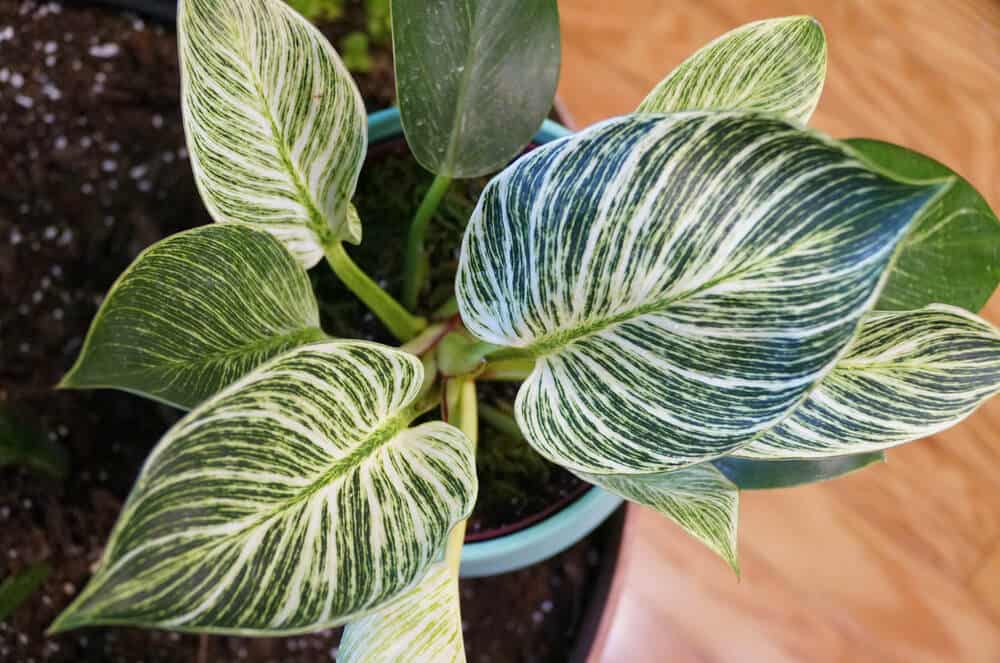
Delicate white stripes adorn the Philodendron Birkin’s lush green leaves. This stunning houseplant brightens any indoor space.
Caring for a Philodendron Birkin isn’t just about keeping it alive; it’s about helping it thrive. Imagine lush, glossy leaves that turn your home into a tropical paradise. With the right care, your Birkin will flourish, and I’m here to guide you through each step.
Whether you’re a seasoned plant parent or a beginner, this guide will help you understand your Birkin’s needs. From watering tips to the perfect spot for your plant, you’ll learn how to nurture your leafy friend. Let’s embark on the journey to keep your Philodendron Birkin happy and healthy. Join me as we explore the simple yet effective care techniques that ensure your Birkin remains a vibrant centerpiece in your home.

Credit: legionville.org
Introduction To Philodendron Birkin
The Philodendron Birkin is a striking houseplant, known for its easy care and beautiful foliage. This plant has won hearts with its dark green leaves and stunning white stripes. It is perfect for plant lovers of all levels. Let’s dive into the world of the Philodendron Birkin and learn how to keep this beauty thriving.
Origin And Characteristics
The Philodendron Birkin comes from the rainforests of South America. It is part of the Araceae family. This plant loves warm and humid conditions. Here are some key points about its nature:
- Leaves: Dark green with white or creamy yellow pinstripes.
- Height: Can grow up to 3 feet indoors.
- Growth: Slow to moderate speed.
- Light: Prefers bright, indirect light but tolerates low light.
- Soil: Well-draining potting mix is best.
- Water: Likes moist soil but not soggy. Allow the top inch to dry out before watering again.
- Humidity: Enjoys high humidity, above 60% if possible.
This plant can purify the air. It is also not safe for pets if eaten.
Popular Varieties
While the classic Philodendron Birkin is a favorite, there are other varieties too. Each has its unique charm. Here’s a glimpse at some popular ones:
| Variant | Description |
|---|---|
| Philodendron Birkin Variegata | Has more pronounced variegation. |
| Philodendron Green Congo | Features solid green leaves without stripes. |
| Philodendron Rojo Congo | Sports green leaves with red and dark green hues. |
These varieties make a great collection for plant enthusiasts. They bring a tropical vibe to any space. Care for them is similar to the classic Birkin. They will grow well with the right light, water, and love.
Ideal Growing Conditions
Philodendron Birkin is a stunning houseplant with striking variegated leaves. This plant thrives under specific conditions. This guide will help you understand the care it needs. With the right light and temperature, your Birkin can grow well and bring beauty to your space.
Light Requirements
The right light is crucial for your Birkin. It prefers bright, indirect sunlight. Direct sun can scorch the leaves. Too little light and your plant’s growth may slow. Here’s what you should aim for:
- Place it near a window that gets filtered sunlight.
- East or west-facing windows are best for that gentle morning or afternoon sun.
- Use sheer curtains to diffuse direct sunlight if needed.
- A grow light can supplement natural light in darker rooms.
Remember, every plant is different. Watch your Birkin and adjust its spot for the best light.
Temperature Preferences
Birkins love a warm environment. They originate from the tropics. Your home should mimic this warmth for them to thrive. Let’s break down the temperature needs:
| Time of Year | Temperature Range |
|---|---|
| Spring/Summer | 65-80°F (18-27°C) |
| Fall/Winter | Not below 60°F (15°C) |
Keep your plant away from drafts, air conditioners, and heaters. Sudden temperature changes can stress it. Your Birkin will show its appreciation for consistent warmth with lush growth.
Watering Needs
The Philodendron Birkin is a striking houseplant with unique foliage. Proper watering is key to its health. Knowing when to water and spotting trouble signs is essential.
Frequency Of Watering
Philodendron Birkin thrives with a balanced watering schedule. It’s all about finding the right rhythm. Start with a weekly check. Poke your finger into the soil. Is it dry an inch below the surface? Time to water. Use room temperature water. Let it soak until water runs out of the drainage holes. This plant likes moist soil but not wet feet. In winter, water less. The plant grows slower and needs less. Let’s keep it simple:
- Check weekly: Dry soil? Water the plant.
- Room temp water: Avoid cold shocks.
- Drainage is key: No soggy soil.
- Less in winter: Growth slows down.
Signs Of Overwatering
Too much love can hurt. Overwatering is a common mistake. Watch out for these signs:
- Yellow leaves: They should be green and vibrant.
- Soggy soil: It shouldn’t feel like a wet sponge.
- Mold or pests: These love too much moisture.
- Root rot: Smelly and black roots spell trouble.
Act fast if you see these signs. Let the soil dry out more between watering. Make sure the pot has good drainage. Consider repotting with fresh, well-draining soil. A little attention goes a long way.
Credit: lawn.com.au
Soil And Potting
Philodendron Birkin is a beautiful plant that needs proper care. Talking about care, soil and potting are key. Let’s dive into what makes the best soil mix and share some repotting tips.
Best Soil Mix
The right soil mix is crucial for Philodendron Birkin. It loves well-draining soil. This helps prevent root rot. A good mix should include:
- Peat moss – Keeps soil moist.
- Perlite – Improves drainage.
- Orchid bark – Adds air pockets.
These ingredients make soil perfect for your plant. They help roots breathe and drink. Remember, soil should not hold water for too long. Wet roots for a long time are bad.
Repotting Tips
Philodendron Birkin grows fast. It needs new pots often. Here are some tips:
- Choose the right time – Spring is best. This is when plants grow most.
- Pick a bigger pot – Only 2 inches larger. This gives roots room to grow.
- Be gentle – When moving the plant, be careful with roots.
- Water after repotting – Helps the plant settle in its new home.
These steps help your Birkin thrive. After repotting, place it in a spot with indirect light. Water it as usual. Watch it grow happily.
Fertilizing Schedule
Keeping a Philodendron Birkin healthy means understanding its needs. One important aspect is the fertilizing schedule. These plants need the right nutrients to grow strong and vibrant. This guide will talk about what kind of food your Birkin needs and the best times to feed it.
Types Of Fertilizers
Philodendron Birkin thrives with the correct fertilizer. Many types are out there. It’s best to know which one suits your plant. Here’s what you need to think about:
- Organic options like fish emulsion or compost. These are gentle and safe.
- Synthetic fertilizers provide nutrients quickly. But use them carefully.
- Look for balanced fertilizers. These have equal parts nitrogen, phosphorus, and potassium.
- Slow-release pellets are good too. They feed your Birkin over time.
Each type has its pros and cons. Organic fertilizers are better for the environment. But they might not be as strong. Synthetic ones work fast. But they can harm your plant if you use too much. The key is to find a balance.
When To Fertilize
Knowing when to feed your plant is as important as the type of fertilizer you use. Here’s a simple guide:
- Spring and summer are growth times. Your Birkin needs food every month.
- In fall and winter, plants rest. You should fertilize less, like every other month.
Always check the soil before adding more food. Wet soil means wait. Dry soil means it’s time to fertilize. Remember, less is often more. Overfeeding can hurt your Birkin. Stick to a schedule, and your plant will thank you with lush leaves and growth.
Pruning Techniques
The Philodendron Birkin is a stunning houseplant with striking foliage. It needs proper care to thrive, including regular pruning. Pruning not only keeps the plant healthy but also encourages new growth. Knowing when and how to prune is key for maintaining the beauty of your Birkin. Let’s dive into the best practices for pruning this elegant plant.
When To Prune
Understanding the right time to prune your Philodendron Birkin is crucial. The best period is during the growing season, which is spring and summer. This is when the plant is most active and can recover quickly from any trimming. Look for these signs:
- Yellow or brown leaves: This indicates they are old or damaged.
- Overgrowth: Too many stems can make your Birkin look messy.
- Leggy stems: Long stems with few leaves need cutting back to promote fuller growth.
Pruning at the right time ensures your Birkin stays healthy and looks its best.
Tools Needed
Before you start pruning, gather the right tools. Clean and sharp tools prevent damage and disease. Essential tools include:
- Pruning shears: For cutting stems and leaves.
- Scissors: Ideal for snipping smaller leaves.
- Gloves: To protect your hands while handling the plant.
- Disinfectant: To clean tools before and after use.
Always disinfect your tools before pruning. This keeps your Philodendron Birkin safe from infections.
Pest Management
Caring for a Philodendron Birkin means knowing about pests too. These plants can get bugs. This post talks about which bugs and how to stop them.
Common Pests
Philodendron Birkin can attract different bugs. These include:
- Spider mites: Tiny, hard to see. They make webs on leaves.
- Mealybugs: Look like small cotton balls. Found in leaf joints.
- Aphids: Small, green or black. They eat plant sap.
- Scale: Hard to spot. They stick to stems and leaves.
These pests can hurt your plant. They eat leaves and suck sap. This makes the plant weak. Leaves can turn yellow and drop. It’s important to check your plant often.
Prevention Methods
To stop pests, try these steps:
- Check new plants: Before bringing them home, look closely.
- Clean leaves: Use a soft, damp cloth to wipe leaves.
- Isolate sick plants: Keeps bugs from spreading.
- Use natural sprays: Neem oil or soap water can help.
Preventing pests is easier than fixing a bug problem. Regular care helps. If you see bugs, act fast. This stops them from getting worse. Remember, keeping your plant clean and checking it often is key.
Propagation Methods
The Philodendron Birkin is a stunning plant with its unique foliage. Caring for these plants involves proper propagation. This guide will show you two effective methods. You will learn about stem cuttings and division techniques. Both are simple ways to grow your Birkin collection.
Stem Cuttings
Stem cuttings are a popular method to propagate Philodendron Birkin. It’s a simple process. Follow these steps for success:
- Choose a healthy stem with at least two nodes.
- Cut just below a node using a clean, sharp knife or scissors.
- Remove lower leaves to expose the nodes.
- Place the cutting in water or moist potting mix.
- Keep in bright, indirect light and change the water weekly.
- Roots should appear in a few weeks.
- Once roots are a few inches long, plant in potting soil.
Remember to keep the soil moist, but not wet. This encourages root growth. Patience is key. New growth signifies a successful propagation.
Division Techniques
Division is another method to propagate your Philodendron Birkin. It’s best done during repotting. Here’s how:
- Remove the plant from its pot gently.
- Shake off loose soil to reveal the root system.
- Identify natural sections of the plant to divide.
- Use your hands or a clean knife to separate the sections.
- Ensure each section has roots and leaves.
- Plant each division in its own pot with fresh soil.
- Water the new plants and keep in indirect sunlight.
Divisions should establish quickly. They will grow into new, healthy plants. Keep the soil moist and provide the same care as the parent plant.
Common Issues
Philodendron Birkin is a stunning houseplant with striking foliage. Proper care keeps it thriving. Yet, sometimes, you might notice changes. Let’s explore common issues and ways to fix them.
Leaf Discoloration
Leaf discoloration in Philodendron Birkin can be alarming. It’s often a sign of stress. The plant’s vibrant green leaves may turn yellow or brown. This can stem from several factors. Too much light or poor watering habits are common causes. Here’s what you can do:
- Check the light. This plant loves indirect light. Too much sun can harm the leaves.
- Assess your watering routine. Over-watering or under-watering can lead to issues. The soil should be moist, not soggy.
- Look at humidity levels. Philodendron Birkin likes it humid. Dry air can cause leaf tips to brown.
Adjust your care routine. Your plant will show signs of recovery. Remember, changes take time. Be patient.
Stunted Growth
Is your Philodendron Birkin not growing? Stunted growth can be a concern. It’s a sign that the plant is not happy. There could be many reasons. Lack of nutrients or root-bound conditions can cause this. Here’s what to check:
- Examine the roots. Are they circling the pot? It might be time to repot.
- Consider the fertilizer. A balanced, slow-release fertilizer supports growth.
- Think about the temperature. Keep your plant in a warm spot. Avoid cold drafts.
Give your plant what it needs. You’ll see it start to grow again. Slow growth is normal in cooler months. Keep this in mind.
:max_bytes(150000):strip_icc()/philodendron-birkin-growing-guide-5272115-01-f2ecb6f8564c4e2c816d8829554caf43.jpg)
Credit: www.thespruce.com
Benefits Of Philodendron Birkin
The Philodendron Birkin is a striking houseplant. It’s loved for its beautiful leaves and easy care. This plant not only brings a touch of nature indoors but also offers health benefits. Let’s dive into the world of Philodendron Birkin. Discover how it can improve your home and well-being.
Air Purification
The Philodendron Birkin is more than just a pretty face. It’s a natural air purifier. Studies show that houseplants can absorb toxins from the air. Here’s why the Philodendron Birkin is a top choice:
- Removes harmful chemicals: It can help reduce levels of formaldehyde and other toxins.
- Improves air quality: By taking in carbon dioxide and releasing oxygen, it freshens the air.
- Boosts humidity: This plant adds moisture to the air, which can be good for your skin and breathing.
With a Philodendron Birkin in your space, you can breathe easier. It works silently to clean the air, making your home healthier.
Aesthetic Appeal
The lush, green leaves of the Philodendron Birkin bring beauty to any room. Its white or yellow pinstripes make it unique. Here’s what makes it stand out:
- Striking patterns: Each leaf has its own design. It’s like having natural art in your home.
- Easy to style: Fits well in modern and traditional decors. You can place it anywhere.
- Color boost: Adds a pop of green to brighten up spaces.
Whether in a living room or office, this plant can lift the mood. It’s simple yet elegant. A Philodendron Birkin can make any corner look lively.
Frequently Asked Questions
How Often Should I Water My Philodendron Birkin?
Philodendron Birkin prefers consistent moisture but dislikes soggy soil. Water it when the top inch of soil feels dry, typically once a week. Adjust watering frequency based on the season and your home’s humidity levels. Always ensure proper drainage to prevent root rot.
What Light Conditions Are Best For Philodendron Birkin?
This plant thrives in bright, indirect sunlight. Place it near a window where it can receive plenty of light but is shielded from direct sunbeams. Too much direct sunlight can scorch its leaves, while too little light may cause slow growth and fewer variegations.
Is Philodendron Birkin Toxic To Pets?
Yes, Philodendron Birkin is toxic to both cats and dogs if ingested. It contains calcium oxalate crystals that can cause oral irritation, vomiting, and difficulty swallowing. Keep this plant out of reach of pets to avoid any potential issues.
How Do I Promote More Variegation In My Birkin?
To encourage variegation, provide your Philodendron Birkin with ample bright, indirect light. This stimulates the plant to produce more chlorophyll in some areas and less in others, creating the variegated pattern. Avoid direct sunlight, as it can damage the leaves.
Conclusion
Caring for your Philodendron Birkin doesn’t have to be hard. Keep the soil moist, not wet. Ensure bright, indirect light for best growth. Regular feeding helps too. Remember to dust the leaves. This keeps your plant healthy and happy. Simple steps lead to a thriving Birkin.
Enjoy the lush, white-striped leaves. Show off its beauty in your home. Your Philodendron Birkin will flourish with these tips. Happy planting!