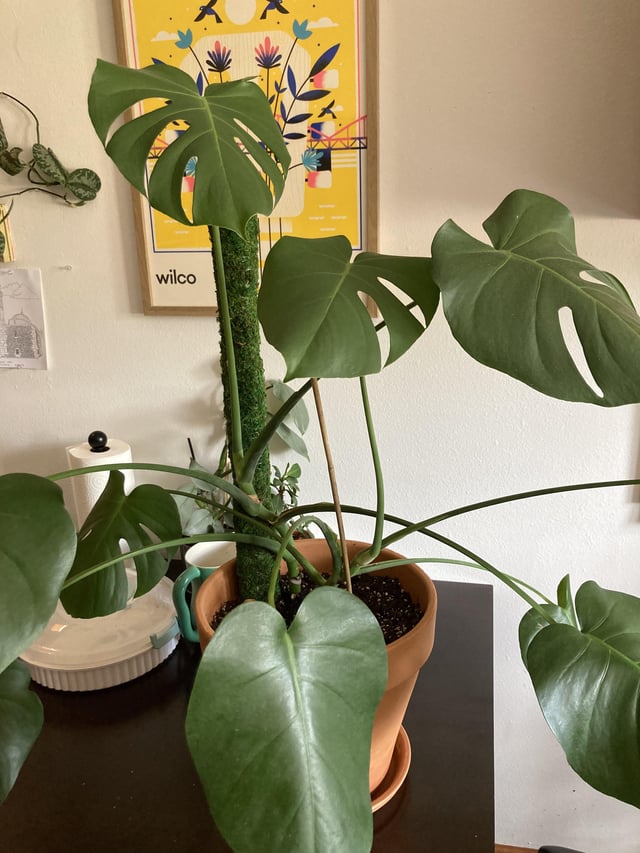
Are you frustrated because your Monstera plant won’t grow? You’re not alone.
Many plant lovers face this issue. Monsteras are popular houseplants known for their large, beautiful leaves. But sometimes, they don’t grow as expected. This can be disappointing, especially if you have been caring for your plant diligently. Understanding why your Monstera isn’t growing can help you take the right steps to fix it.
Let’s explore some common reasons and solutions to help your Monstera thrive.
Common Growth Issues
Monstera plants are beloved for their stunning, split leaves. Yet, many plant enthusiasts face challenges when their Monstera won’t grow. Understanding common growth issues can help revive your plant and ensure it thrives.
Slow Leaf Development
Slow leaf development often occurs due to insufficient light. Monsteras need bright, indirect sunlight. Without it, leaves may take longer to unfurl. Inadequate watering can also slow leaf growth. Ensure the soil is moist but not waterlogged. Overwatering can lead to root rot, further stunting leaf development. Finally, lack of nutrients can hinder growth. Feed your Monstera with a balanced, water-soluble fertilizer every few weeks.
Stunted Stem Growth
Stunted stem growth usually signals a root-bound plant. Monsteras need space to grow. If roots coil around the pot, repot into a larger container. Poor soil quality can also stunt stem growth. Use a well-draining, nutrient-rich potting mix. Pest infestations like spider mites or scale can damage stems. Inspect your plant regularly and treat pests promptly. Another factor is temperature. Monsteras prefer warm, humid conditions. Cold drafts or dry air can cause stunted stems.
Proper Lighting
Ensuring your Monstera gets the right light is essential for its growth. Light affects how well your plant photosynthesizes, producing the energy it needs. Let’s explore the ideal conditions and why direct sunlight can be harmful.
Ideal Light Conditions
Monsteras thrive in bright, indirect light. They do best near windows where they get filtered sunlight. Placing them in a room that gets natural light is ideal. You can use sheer curtains to diffuse direct rays.
Consider the following table for best light conditions:
| Light Condition | Description |
|---|---|
| Bright, Indirect Light | Near a window with filtered sunlight. |
| Moderate Light | Further from the window but still in a well-lit room. |
Avoiding Direct Sunlight
Direct sunlight can harm your Monstera. It can scorch the leaves, causing brown spots. Monsteras are native to tropical forests, where they grow under a canopy. They are not used to harsh, direct sunlight.
If your Monstera gets too much direct light, you might notice:
- Brown, crispy edges on leaves
- Yellowing leaves
- Leaf drop
To avoid this, keep your Monstera away from south-facing windows. Use blinds or curtains to filter the sunlight if needed.
Remember, proper lighting is key to a healthy Monstera. Too little light can stunt its growth, while too much can damage it.
Watering Techniques
Proper watering techniques can make a big difference for your Monstera. Without the right balance, your plant may struggle to grow. Below, we will explore the best ways to water your Monstera. This includes how often to water and signs of overwatering.
Watering Frequency
Knowing how often to water your Monstera is crucial. Monsteras typically prefer to have their soil dry out a bit between waterings.
- Water your Monstera once a week during the growing season.
- In winter, reduce watering to once every two weeks.
- Always check the top inch of soil before watering.
- If the soil feels dry, it is time to water.
Avoid letting the soil stay soggy for too long. Consistently wet soil can lead to root rot.
Signs Of Overwatering
Overwatering is a common issue for Monsteras. It can prevent growth and cause other problems.
| Signs | Description |
|---|---|
| Yellow Leaves | Leaves turning yellow can indicate too much water. |
| Wilting | Your Monstera may wilt despite wet soil. |
| Moldy Soil | Mold or a musty smell in the soil is a red flag. |
| Root Rot | Roots may appear brown and mushy. |
If you see these signs, adjust your watering habits. Allow the soil to dry out more between waterings. Also, ensure your pot has good drainage.
Remember, less is more when it comes to watering your Monstera. Proper watering techniques will help your plant thrive and grow beautifully.

Soil And Potting
Struggling with a Monstera that won’t grow? The soil and potting setup might be the issue. Providing the right environment for your Monstera is crucial. Let’s dive into the best soil mix and how to choose the right pot.
Best Soil Mix
Monsteras need well-draining soil. Avoid heavy or dense soils. A mix of peat moss, perlite, and pine bark works well. Peat moss retains moisture without waterlogging. Perlite improves aeration. Pine bark adds structure. This combination mimics their natural habitat. It allows roots to breathe and grow.
Choosing The Right Pot
The right pot is essential for healthy growth. Use a pot with drainage holes. This prevents root rot. A pot too large holds excess water. A pot too small restricts root growth. Choose a pot slightly larger than the root ball. Terracotta pots are a good choice. They allow air to flow. Plastic pots retain moisture better. Consider your watering habits and environment when choosing.
Nutrient Needs
Monstera plants are well-loved for their striking leaves and vibrant growth. But sometimes, they can struggle to thrive. One key factor to consider is their nutrient needs. Proper nutrition is crucial for healthy growth and overall plant vitality.
Essential Fertilizers
Monstera plants need balanced fertilizers with equal parts nitrogen, phosphorus, and potassium. These nutrients support leaf development, root health, and flower growth. Use a fertilizer with a ratio like 20-20-20 for best results.
In addition to basic nutrients, Monsteras benefit from trace elements. These include magnesium, calcium, and iron. Trace elements prevent yellowing leaves and promote strong stems. Look for fertilizers that include these micronutrients.
Fertilizing Schedule
Regular feeding is crucial for Monstera health. Fertilize your plant every two weeks during the growing season, typically from spring to early fall. Dilute the fertilizer to half strength to avoid overfeeding.
During the winter months, reduce feeding frequency. Fertilize once a month or even less. This aligns with the plant’s natural growth cycle and prevents nutrient buildup in the soil.
Always follow the instructions on the fertilizer package. Over-fertilizing can harm your Monstera, leading to burnt roots and stunted growth.
Humidity And Temperature
Keeping your Monstera plant healthy requires understanding its environmental needs. Two critical factors are humidity and temperature. These elements play a major role in your plant’s growth. Let’s dive into the optimal conditions for your Monstera.
Optimal Humidity Levels
Monsteras thrive in high humidity environments. They prefer humidity levels between 60% and 80%. Low humidity can cause the leaves to curl or develop brown edges. If your home is dry, consider using a humidifier. Another option is placing a tray of water near the plant.
You can also mist the leaves regularly. This helps maintain the moisture level. But avoid overdoing it to prevent mold growth.
Ideal Temperature Range
Temperature is another key factor for Monstera growth. These plants prefer a temperature range of 65°F to 85°F. They do well in warm conditions. Sudden temperature drops can stress the plant. Keep your Monstera away from cold drafts and direct heat sources.
A stable environment is crucial. Monitor your indoor climate with a thermometer. Consistent temperatures help your Monstera thrive.
| Factor | Optimal Range |
|---|---|
| Humidity | 60% – 80% |
| Temperature | 65°F – 85°F |
Pest And Disease Control
Is your Monstera plant not growing? Pests and diseases could be the culprits. Keeping your plant healthy involves careful monitoring and prompt action. This section will guide you through the most common pests and diseases. It will also show you how to prevent them.
Common Pests
Monstera plants often attract several pests. The most common include spider mites, aphids, and mealybugs. These pests feed on the plant’s sap, weakening its growth. Spider mites are tiny and red. They create fine webbing on the leaves. Aphids are small and green or black. They cluster on new growth. Mealybugs look like tiny cotton balls. They hide in leaf joints.
To control these pests, inspect your Monstera regularly. Look under the leaves and around stems. Spray the plant with water to dislodge pests. For severe infestations, use insecticidal soap or neem oil.
Preventing Disease
Diseases can also hinder your Monstera’s growth. The most common diseases include root rot and leaf spot. Root rot occurs from overwatering. It causes the roots to turn brown and mushy. Leaf spot presents as brown or yellow spots on the leaves. It results from fungal or bacterial infections.
To prevent root rot, ensure proper drainage. Use well-draining soil and pots with drainage holes. Water your Monstera only when the top inch of soil is dry. For leaf spot, keep the leaves dry. Water the soil, not the leaves. Increase air circulation around the plant.
By following these steps, you can keep your Monstera healthy. Regular monitoring and preventive care go a long way.
Pruning And Maintenance
Proper pruning and maintenance are essential for Monstera growth. Trim dead leaves and ensure it gets adequate light and water. Regular care helps the plant thrive.
Pruning and maintenance are vital for the health of your Monstera. Proper care ensures healthy growth and prevents common problems.Pruning Techniques
Pruning helps your Monstera grow well. Use clean, sharp scissors. Cut just above a leaf node. Remove yellow or damaged leaves. Trim long stems for bushier growth. Prune in the spring or summer. Avoid heavy pruning in winter.Routine Care Tips
Water your Monstera regularly. Allow the soil to dry between waterings. Provide bright, indirect light. Wipe leaves with a damp cloth. Check for pests often. Use a balanced fertilizer every month. Repot every two years. Ensure good drainage in the pot. Rotate the plant for even growth. “`Frequently Asked Questions
Why Is My Monstera Not Growing?
Your Monstera might not be growing due to insufficient light, improper watering, or lack of nutrients. Ensure it gets indirect sunlight, consistent watering, and occasional fertilizing.
How Often Should I Water My Monstera?
Water your Monstera when the top inch of soil is dry. Overwatering can lead to root rot. Underwatering can stunt growth. Monitor soil moisture regularly.
Does My Monstera Need Direct Sunlight?
Monstera plants prefer bright, indirect sunlight. Direct sunlight can scorch the leaves. Place it near a window with filtered light for best growth.
What Type Of Soil Is Best For Monstera?
Monstera thrives in well-draining, peat-based soil. A mix of potting soil, peat moss, and perlite works well. Good drainage prevents root rot.
Conclusion
Your Monstera can thrive with the right care. Ensure it gets proper sunlight. Water it regularly, but avoid overwatering. Check the humidity levels. Fertilize during the growing season. Keep an eye out for pests. Patience is key. With these steps, your Monstera will grow healthy and strong.
Happy gardening!
Leave a Reply