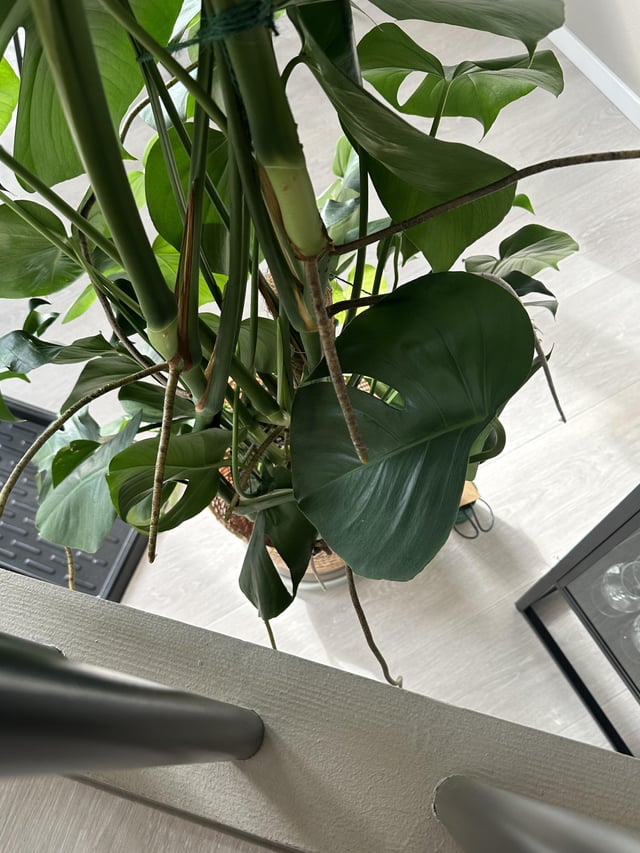
Does your Monstera lack aerial roots? This can be puzzling for many plant owners.
Monstera plants are known for their unique aerial roots, which help them climb and absorb moisture. These roots give the plant its distinctive look and assist in its growth. But what happens when your Monstera doesn’t grow these aerial roots?
Is it a sign of poor health or something else? Understanding the reasons behind this can help you care better for your plant. In this blog, we’ll explore possible causes and solutions. Get ready to learn how to encourage your Monstera to develop those fascinating aerial roots.

Causes Of Missing Aerial Roots
Are you wondering why your Monstera doesn’t have aerial roots? Understanding the causes of missing aerial roots can help. Let’s explore some key factors that may affect the development of these roots.
Natural Growth Patterns
Monstera plants have unique natural growth patterns. Some plants may take time to develop aerial roots. These roots help the plant climb and absorb moisture.
If your Monstera is not climbing, it may not produce aerial roots. Monstera plants growing in pots might not need these roots. So, they might not develop them.
Age Of The Plant
The age of the plant is another important factor. Young Monstera plants usually don’t have aerial roots. They start developing them as they mature.
If your plant is still young, be patient. It will likely develop aerial roots as it grows older.
| Factor | Impact on Aerial Roots |
|---|---|
| Natural Growth Patterns | May delay aerial root development |
| Age of the Plant | Young plants may not have aerial roots |
Environmental Factors
Environmental factors play a critical role in the growth of your Monstera plant. If your Monstera doesn’t have aerial roots, examining its environment is essential. Let’s dive into some key aspects that could be influencing your plant’s health.
Humidity Levels
Monstera plants thrive in high humidity environments. They are native to tropical regions, which are naturally humid. Aim for humidity levels between 60% and 80%. Use a humidifier if your home is too dry. Misting the leaves can also help increase humidity. Consistent moisture around the plant is crucial for aerial root development.
Temperature Conditions
Temperature affects Monstera’s growth significantly. These plants prefer warm temperatures. Keep the indoor temperature between 65°F and 85°F. Avoid placing the plant near cold drafts or heat sources. Sudden temperature changes can stress the plant. Stress can prevent the growth of aerial roots. Maintain a stable environment for optimal growth.
Soil And Watering
Healthy soil and proper watering are essential for Monstera plants. Lack of aerial roots might indicate an issue with these elements. Ensure well-draining soil and consistent moisture for optimal growth.
Soil and watering are crucial for the health of your Monstera plant. These factors also influence the growth of aerial roots. Understanding the right soil mix and watering frequency can make a big difference.Proper Soil Mix
Monstera plants need well-draining soil. This helps prevent root rot. A mix of potting soil, peat moss, and perlite works well. The peat moss retains moisture. The perlite ensures good drainage. A balanced mix keeps the roots healthy and promotes growth.Watering Frequency
Monsteras prefer consistent watering. Water when the top inch of soil feels dry. Overwatering can cause root rot. Underwatering can dry out the plant. Check the soil moisture regularly. Adjust the watering schedule based on the season. In summer, the plant may need more water. In winter, it needs less. Keep an eye on the leaves. They can tell you if the plant is thirsty. Yellow leaves mean too much water. Brown edges mean too little.
Light Requirements
Light is essential for your Monstera plant. Proper lighting helps it grow strong and healthy. If your Monstera lacks aerial roots, light could be the issue. Let’s explore the light requirements for your plant.
Adequate Sunlight
Monsteras thrive in bright, indirect sunlight. Place them near a window where they can get filtered light. Direct sunlight can scorch their leaves. Aim for a spot with good morning light and some afternoon shade.
East-facing windows work well for Monsteras. They get gentle morning light without harsh midday sun. Rotate your plant occasionally so all sides get light.
Artificial Lighting Options
Natural light is best, but artificial lights can help. Use grow lights to supplement light, especially in darker rooms. LED grow lights are energy-efficient and provide the right spectrum.
Position the grow lights 12 to 18 inches above the plant. Run them for about 12 hours a day. This mimics natural light cycles and supports healthy growth.
Monitor your Monstera’s response to artificial light. Adjust the distance and duration if needed. Healthy, green leaves indicate proper lighting conditions.
Fertilization Tips
Fertilizing your Monstera plant is crucial for its overall health. Proper fertilization helps the plant develop strong roots, including aerial roots. By choosing the right fertilizer and applying it correctly, you can ensure your Monstera thrives.
Choosing The Right Fertilizer
Opt for a balanced, water-soluble fertilizer. Look for a 20-20-20 or 10-10-10 NPK ratio. This ensures your plant gets equal amounts of nitrogen, phosphorus, and potassium. Organic fertilizers are also a good option. They release nutrients slowly, providing a steady supply. Avoid fertilizers with high nitrogen content. This can lead to lush foliage but weak roots.
Application Frequency
Apply fertilizer every 4-6 weeks during the growing season. This is typically from spring to early fall. Reduce the frequency in winter. The plant’s growth slows down during this period. Over-fertilizing can harm your Monstera. It can cause root burn and other issues. Always follow the instructions on the fertilizer package. Dilute the fertilizer to half strength to avoid overfeeding.
Pruning And Maintenance
Proper pruning and regular maintenance are crucial for a healthy Monstera plant. These practices help your plant thrive and develop aerial roots.
Pruning Techniques
Pruning your Monstera involves cutting back overgrown or damaged leaves. Use sharp, clean scissors to avoid infection. Make clean cuts just above a node. This encourages new growth. Remove any yellow or brown leaves. This helps the plant focus on healthy parts. Prune in the spring or early summer. The plant is most active then.
Regular Maintenance
Regular maintenance includes watering, cleaning, and checking for pests. Water your Monstera once the topsoil dries out. Overwatering can cause root rot. Wipe the leaves with a damp cloth. This removes dust and allows better light absorption. Check the plant for pests like spider mites or aphids. Treat any issues early. Use mild soap and water for treatment. Place your Monstera in bright, indirect sunlight. Direct sunlight can burn the leaves. Rotate the plant every few weeks. This ensures even growth.
Supporting Growth
Your Monstera plant is a tropical beauty. It needs support to grow well. Without aerial roots, it can still thrive. Let’s explore how to help your Monstera grow strong and tall.
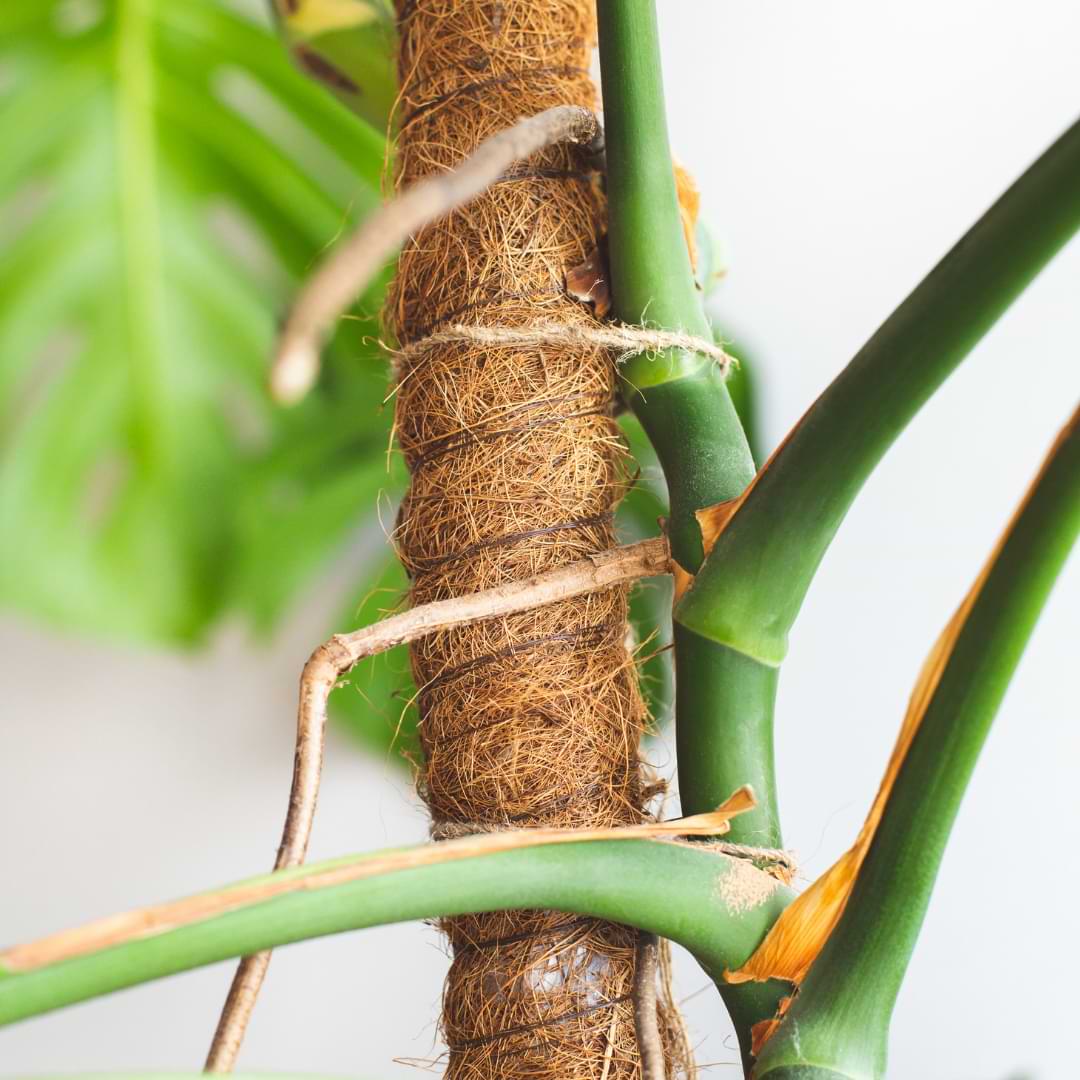
Using Moss Poles
Moss poles offer great support. They mimic the natural habitat of Monstera plants. These poles are covered in moss, which holds moisture. This helps the plant stay hydrated. It also encourages root growth.
To use a moss pole:
- Insert the pole into the soil near the plant base.
- Gently tie the stem to the pole with soft twine or plant ties.
- Mist the pole to keep it moist. This helps the plant attach to it.
Other Support Structures
There are other ways to support your Monstera. You can use trellises, stakes, or plant hoops. These structures help the plant grow upright.
To use a trellis:
- Place the trellis in the pot, close to the plant.
- Train the stems to weave through the trellis.
- Secure the plant with soft ties to prevent damage.
For stakes, follow these steps:
- Insert a stake into the soil.
- Use plant ties to attach the stems to the stake.
- Check regularly and adjust ties as the plant grows.
Plant hoops can also be useful:
- Place the hoop around the plant.
- Gently guide the stems through the hoop.
- Ensure the plant is secure and supported.
These support structures help your Monstera grow tall and healthy. Choose the one that suits your space and style. With proper care, your Monstera will thrive.
Common Issues And Solutions
Your Monstera plant not developing aerial roots might indicate underlying issues. These problems can often be traced back to pests or diseases. Identifying and addressing these concerns early ensures a healthier plant.
Pest Control
Pests can cause significant harm to your Monstera plant. Common pests include spider mites, aphids, and mealybugs. These pests suck sap from the plant, weakening it over time.
To check for pests, inspect leaves and stems regularly. Look for tiny insects, webs, or sticky residue. If you find pests, treat the plant with insecticidal soap or neem oil. Ensure you cover all parts of the plant.
Maintaining cleanliness around your plant can help. Remove dead leaves and debris from the soil. This reduces the chances of pests invading your Monstera.
Disease Management
Diseases can also prevent your Monstera from growing aerial roots. Common diseases include root rot and fungal infections. These diseases often result from overwatering or poor drainage.
To prevent root rot, ensure your plant’s pot has proper drainage. Water the plant only when the top inch of soil feels dry. Overwatering creates a perfect environment for fungi.
If you suspect a fungal infection, remove affected leaves immediately. Apply a fungicide to the remaining plant. Monitor the plant closely and avoid overwatering in the future.
Keeping your Monstera healthy requires vigilance and proper care. Addressing pests and diseases promptly helps the plant thrive.
Frequently Asked Questions
What Are Aerial Roots In Monstera?
Aerial roots in Monstera are roots that grow above the soil. They help the plant climb and absorb moisture.
Why Doesn’t My Monstera Have Aerial Roots?
Your Monstera may lack aerial roots due to low humidity, insufficient light, or young plant age. Improving these conditions can help.
How Can I Encourage Aerial Roots?
To encourage aerial roots, increase humidity, provide adequate light, and support the plant with a moss pole or trellis.
Is It Bad If My Monstera Lacks Aerial Roots?
No, it is not bad if your Monstera lacks aerial roots. The plant can still thrive without them.
Conclusion
Caring for a Monstera without aerial roots is simple. Focus on good lighting. Regular watering helps. Keep the soil well-drained. A happy Monstera will thrive. Patience is key. Observe your plant’s growth. Each Monstera is unique. Enjoy the process. Your plant will reward you.
Happy gardening!
Leave a Reply