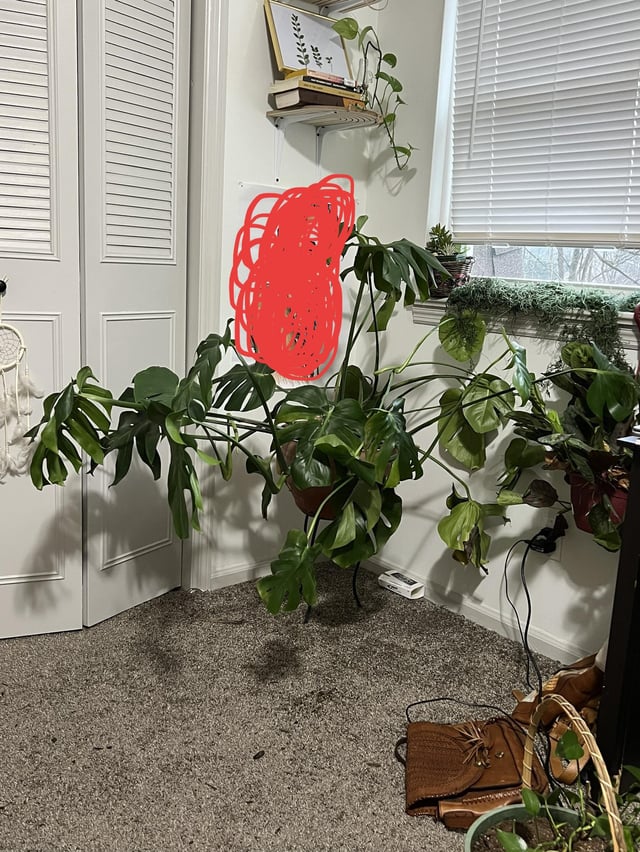
Is your Monstera plant refusing to stand tall? This common issue can be frustrating for plant enthusiasts.
Monstera plants are known for their stunning, large leaves and tropical vibes. But when they start drooping, it can be concerning. There are several reasons why your Monstera might not stand up straight. It could be due to watering issues, lack of support, or even light conditions.
Understanding what causes this problem is the first step in helping your plant thrive. In this blog post, we will explore the potential causes and offer simple solutions to get your Monstera standing proud again. Read on to learn how to give your plant the care it needs.
Common Causes
Is your Monstera plant drooping? Understanding the common causes can help. Several factors can make your Monstera not stand up. Below, we break down these causes into three main categories.
Weak Stem
A weak stem is a common issue with Monstera plants. If the stem is not strong, the plant can’t hold itself up. This weakness can come from insufficient support. It may also be due to pests or diseases. Regularly check your plant for any signs of damage or infestations. Use a stake or trellis to provide extra support if needed.
Improper Watering
Watering your Monstera incorrectly can lead to drooping. Overwatering can cause root rot. Underwatering can make the plant dry and weak. Check the soil moisture before watering. The top inch of soil should be dry before you water again. Consistent watering helps maintain a healthy Monstera.
Lack Of Light
Monstera plants need bright, indirect light. Without enough light, the stems may become weak. They will stretch towards the light source, making them unstable. Place your Monstera near a window with filtered light. Avoid direct sunlight as it can scorch the leaves. Proper lighting is key to a sturdy and upright Monstera.

Strengthening The Stem
A Monstera that won’t stand up can be frustrating. The key is to strengthen the stem. This helps the plant maintain its upright position. Two effective methods are using stakes and pruning techniques.
Using Stakes
Stakes provide support to weak stems. Use a wooden or plastic stake. Insert it into the soil near the base of the plant. Tie the stem to the stake using soft plant ties or twine. Make sure the ties are not too tight. This prevents damage to the stem.
Here is a simple table to guide you:
| Material | Advantages |
|---|---|
| Wooden Stake | Natural look, biodegradable |
| Plastic Stake | Durable, reusable |
Pruning Techniques
Pruning helps redirect energy to the main stem. Remove any dead or yellow leaves. Cut back any long, weak stems. Use sharp, clean scissors for this task. Make clean cuts close to the stem. This encourages the plant to grow stronger.
Follow these steps for effective pruning:
- Identify weak and dead parts.
- Use sharp tools for clean cuts.
- Cut close to the main stem.
Remember: Pruning should be done regularly. This ensures your Monstera stays healthy and strong.
Watering Tips
Keeping your Monstera plant healthy involves understanding its watering needs. Proper watering ensures the plant stands upright and thrives. Let’s dive into some essential watering tips to keep your Monstera in top shape.
Ideal Frequency
Water your Monstera once a week. This is usually enough. Check the soil before watering. It should be dry about two inches deep. If it feels damp, wait a few days. Overwatering can be harmful.
Signs Of Overwatering
Yellow leaves signal too much water. Another sign is soggy soil. If the plant looks droopy, it might be overwatered. Check the roots. They should be firm and white. Mushy roots mean trouble.
Proper Drainage
A pot with drainage holes is essential. It prevents water from sitting at the bottom. Use well-draining soil. This helps excess water escape. Ensure the pot is not too large. Large pots hold more water, leading to overwatering.

Optimal Lighting
Monstera plants can thrive indoors with the right care. One crucial aspect is optimal lighting. Without adequate light, your Monstera may struggle to stand upright. Let’s explore the best lighting conditions and the use of grow lights to ensure your plant stays healthy and upright.
Best Light Conditions
Monsteras need bright, indirect light. Direct sunlight can burn their leaves. Place your Monstera near a window that gets plenty of light, but not direct sun. East or west-facing windows are ideal.
- East-facing windows: Provide gentle morning sunlight.
- West-facing windows: Offer bright but not harsh afternoon light.
Avoid placing your Monstera in low light areas. Insufficient light can cause leggy growth and weak stems. If natural light is limited, consider using grow lights.
Using Grow Lights
Grow lights can supplement natural light. They are especially useful in darker rooms or during winter months.
- LED grow lights: Energy-efficient and long-lasting.
- Fluorescent grow lights: Affordable and effective for small spaces.
Position the grow lights about 12-18 inches above the plant. Run the lights for 10-12 hours daily. This mimics natural sunlight and helps your Monstera stay upright and healthy.
| Type of Light | Benefits |
|---|---|
| LED Grow Lights | Energy-efficient, long-lasting |
| Fluorescent Grow Lights | Affordable, effective for small spaces |
Using grow lights can significantly improve the health of your Monstera. They ensure the plant gets enough light, especially in less ideal conditions.
Soil And Nutrients
Ensuring your Monstera plant stands upright involves proper soil and nutrients. A sturdy Monstera needs a well-balanced soil mix and a consistent fertilizing schedule. Let’s explore these crucial factors in detail.
Choosing The Right Soil
Choosing the right soil is key for a healthy Monstera. The soil must be well-draining yet retain enough moisture. A mix containing peat, perlite, and orchid bark works wonders. This combination provides adequate aeration and prevents root rot.
- Peat: Retains moisture and provides organic matter.
- Perlite: Enhances drainage and aeration.
- Orchid Bark: Improves structure and air flow.
Ensure the soil pH remains between 5.5 and 7. This range ensures nutrient availability. Using a soil pH tester can help maintain this balance.
Fertilizing Schedule
A consistent fertilizing schedule promotes strong growth. Use a balanced liquid fertilizer with equal parts nitrogen, phosphorus, and potassium.
| Season | Frequency | Type |
|---|---|---|
| Spring | Every 2 weeks | Balanced liquid fertilizer |
| Summer | Every 2 weeks | Balanced liquid fertilizer |
| Fall | Monthly | Slow-release fertilizer |
| Winter | Every 6 weeks | Slow-release fertilizer |
In winter, reduce the frequency. Monsteras grow slowly in cooler months. Over-fertilizing can lead to nutrient burn. Always follow the manufacturer’s instructions.
By providing the right soil and nutrients, your Monstera will thrive. It will stand tall and healthy, becoming a beautiful focal point in your home.
Potting And Repotting
Monstera plants may struggle to stand up due to improper potting. Proper potting and repotting can make a huge difference. It ensures the plant has enough support and room to grow. Let’s dive into the key aspects of potting and repotting your Monstera.
Choosing Pot Size
Choose a pot that is slightly larger than the current one. A pot too big can cause waterlogging. This leads to root rot. On the other hand, a pot too small restricts root growth. It can stunt the plant’s growth. Ensure the pot has drainage holes. This helps excess water escape.
Repotting Steps
First, gently remove the Monstera from its current pot. Hold the base of the stem and pull slowly. Loosen the roots if they are tangled. Next, place a layer of fresh soil in the new pot. Position the plant in the center.
Fill the pot with soil around the roots. Press the soil down lightly to remove air pockets. Water the plant thoroughly. This helps settle the soil. Keep the plant in a shady spot for a few days. This reduces transplant shock.
Pest And Disease Control
Monstera plants may not stand up due to pests or diseases. Inspect the leaves for signs of insects or fungal infections. Treat affected areas promptly to restore plant health and stability.
Caring for a Monstera plant involves more than just watering and sunlight. Pests and diseases can affect its health and appearance. Knowing how to manage these issues is crucial for a thriving plant.Common Pests
Spider mites are tiny but harmful. They suck sap from leaves, causing yellow spots. Mealybugs look like small cotton balls. They hide in leaf joints and feed on sap. Scale insects have hard shells. They attach to stems and leaves, draining the plant’s nutrients. Aphids are small, green insects. They cluster on new growth and excrete sticky honeydew.Preventative Measures
Inspect your Monstera regularly. Early detection of pests prevents infestations. Clean leaves with a damp cloth. This removes dust and potential pests. Use neem oil or insecticidal soap. These are natural options to keep pests at bay. Ensure good airflow around your plant. Proper ventilation reduces pest problems. Avoid overwatering. Damp soil attracts pests and fosters disease. “`
Regular Maintenance
Proper regular maintenance is vital to keep your Monstera upright and healthy. This involves a few key practices that ensure your plant remains vibrant and strong. Paying attention to the following areas will help your Monstera thrive:
Cleaning Leaves
Cleaning the leaves of your Monstera is essential. Dust and dirt can block light absorption, which is crucial for photosynthesis. Use a soft, damp cloth to gently wipe the leaves. This not only keeps them clean but also prevents pests and diseases.
- Inspect leaves for dust and dirt.
- Use a soft, damp cloth.
- Wipe both sides of each leaf.
- Repeat every two weeks.
Monitoring Growth
Regularly monitoring your Monstera’s growth helps you spot any issues early. Check the plant’s overall structure and ensure it’s standing upright. Adjust the support if necessary.
- Observe new leaves and stems.
- Check for any signs of weakness.
- Adjust stakes or supports to keep the plant upright.
- Trim any dead or yellowing leaves.
Using these regular maintenance tips, your Monstera will stay healthy and strong. Remember, a well-maintained Monstera is a happy Monstera.
Frequently Asked Questions
Why Is My Monstera Not Standing Up?
Your Monstera may not be standing up due to lack of support. Ensure it’s properly staked and has adequate light.
How Can I Support My Monstera Plant?
Use a moss pole or trellis to support your Monstera. Tie the stems gently to the support.
Should I Trim My Monstera If It’s Falling Over?
Yes, trimming can help manage the weight and encourage upright growth. Prune damaged or overly heavy leaves.
Does Lighting Affect Monstera’s Ability To Stand?
Yes, insufficient light can weaken Monstera stems. Place it in bright, indirect light for stronger growth.
Conclusion
Ensuring your Monstera stands tall requires attention and care. Check for proper light, soil, and watering. Support stems with stakes if needed. Regularly inspect and adjust care routines. Your effort will reward you with a healthy, upright Monstera. Happy gardening!
Leave a Reply