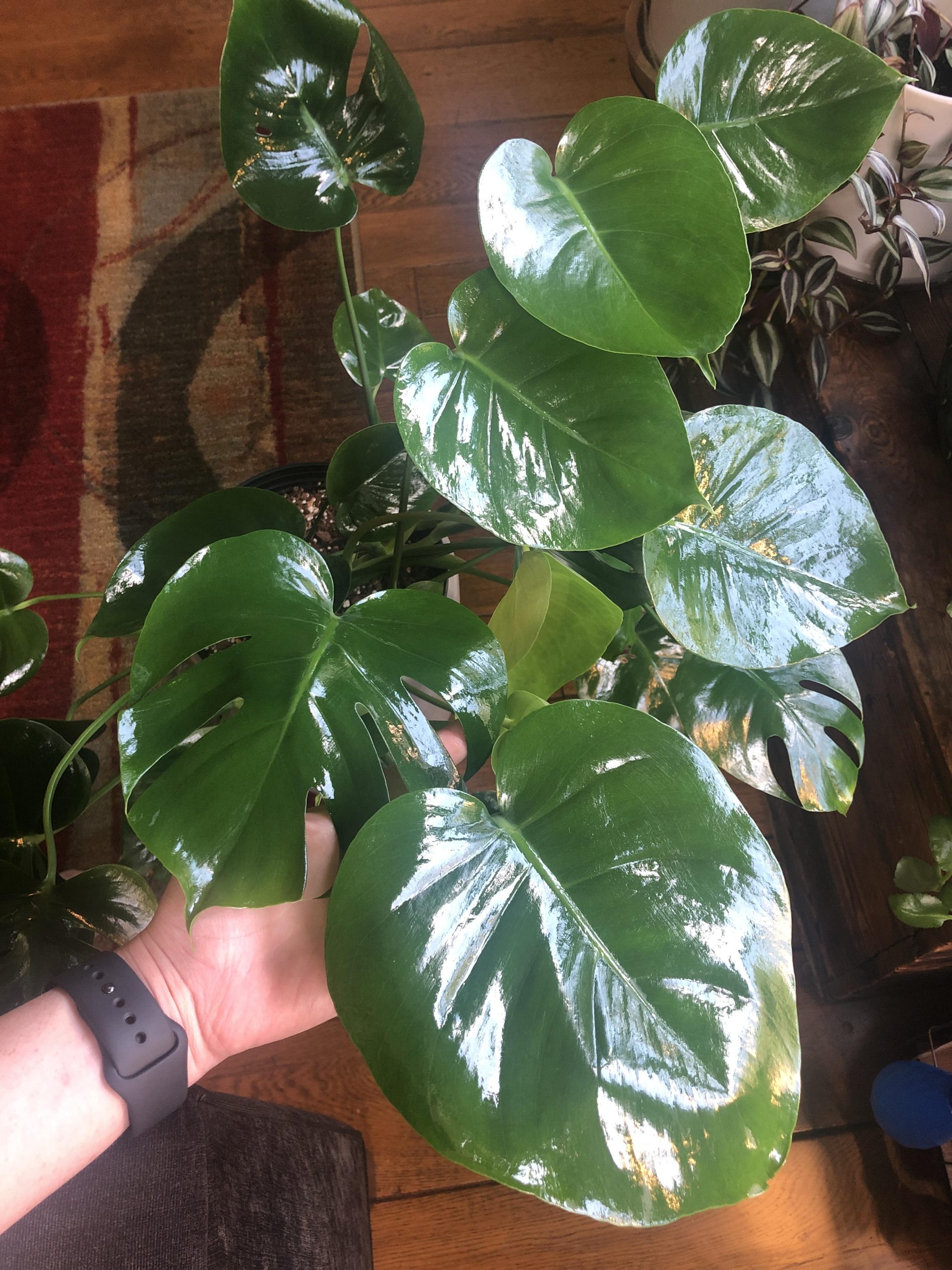
If your Monstera plant isn’t developing those iconic holes, you’re not alone. Many Monstera owners face this issue.
Monstera plants, also known as Swiss Cheese plants, are beloved for their unique, holey leaves. These holes, called fenestrations, give the plant its distinctive look. But sometimes, your Monstera won’t fenestrate. This can be frustrating for plant lovers who want to see those striking leaves.
Understanding why your Monstera isn’t fenestrating can help you provide the right care. In this blog, we will explore the reasons behind this issue and offer practical solutions to encourage your Monstera to develop those beautiful, fenestrated leaves. Let’s dive in and help your Monstera thrive!
Common Causes For No Leaf Holes
Monstera plants are known for their unique leaves with holes, known as fenestrations. When your Monstera won’t fenestrate, it can be disappointing. Understanding the common causes can help you address the issue. Let’s explore some of the most frequent reasons why your Monstera might not develop those beautiful leaf holes.
Young Plant Age
A young Monstera plant often won’t have fenestrations. This is normal. The plant needs time to mature. Young leaves are usually solid and heart-shaped. As the plant grows older, you’ll start seeing the holes. Patience is key. Give your Monstera time to develop.
Insufficient Light
Light is crucial for Monstera plants. Without enough light, they can’t grow properly. Insufficient light is a common cause of no leaf holes. Make sure your plant gets bright, indirect light. Direct sunlight can burn the leaves. But too little light will hinder fenestration.
Consider the following lighting tips for your Monstera:
- Place near a north or east-facing window
- Avoid dark corners or too much shade
- Use grow lights if natural light is limited
Proper lighting will encourage your Monstera to produce those desired leaf holes. Adjust the placement if needed to ensure optimal light exposure.

Identifying Plant Age
Identifying the age of a Monstera plant is crucial. It helps in understanding why its leaves may not fenestrate. Monstera leaves change as the plant ages. Recognizing these changes can guide you in providing better care.
Juvenile Vs Mature Leaves
Juvenile Monstera leaves are small and heart-shaped. They lack the iconic splits and holes. These leaves are often smooth and have a solid green color. They indicate a young plant.
Mature leaves tell a different story. They are larger, with distinct splits and holes. This is the fenestration many plant lovers admire. The texture may also change, becoming rougher. Mature leaves showcase the plant’s age and health.
Growth Stages
Monsteras have clear growth stages. The first stage involves small, solid leaves. The plant focuses on root and stem development. During this time, it may not fenestrate.
As the plant ages, it enters the second stage. Leaves begin to develop holes and splits. This stage requires more light and nutrients. The plant matures and shows its true beauty.
Understanding these stages helps in identifying plant age. It also aids in adjusting care routines. This ensures your Monstera thrives and fenestrates beautifully.
Ensuring Adequate Light
Ensuring adequate light is crucial for the healthy growth of your Monstera. Many plant enthusiasts face the issue of their Monstera not fenestrating, or developing those iconic splits and holes in the leaves. One primary reason for this is insufficient light. Let’s delve into the optimal light conditions and artificial light solutions to help your Monstera thrive.
Optimal Light Conditions
Monstera plants need bright, indirect light to grow well. Direct sunlight can scorch their leaves. Place your Monstera near a window with filtered light. East or west-facing windows are ideal. Ensure the light is consistent throughout the day. Move the plant as needed to maintain light exposure.
Artificial Light Solutions
If natural light is scarce, consider artificial lighting. LED grow lights can mimic natural sunlight. Place the grow light above the plant. Ensure it provides full-spectrum light. Keep the light on for 12-14 hours daily. This helps your Monstera get enough light to fenestrate.
Watering Practices
Proper watering practices play a crucial role in the health of your Monstera plant. Watering affects the growth and development of the plant. Incorrect watering can prevent your Monstera from fenestrating. Let’s explore the best watering techniques and signs of overwatering.
Proper Watering Techniques
Watering your Monstera correctly ensures it thrives and develops fenestrations. Follow these simple steps:
- Water the plant when the top 2 inches of soil are dry.
- Use room temperature water to avoid shocking the roots.
- Water the soil evenly until it is moist but not soggy.
- Allow excess water to drain out of the pot.
Using a watering schedule can help maintain consistency. Check the moisture level regularly using a moisture meter or your finger.
Signs Of Overwatering
Overwatering can lead to root rot and other issues. Look for these signs:
| Signs | Description |
|---|---|
| Yellow Leaves | Leaves turn yellow and may fall off. |
| Wilting | Despite wet soil, the plant appears wilted. |
| Root Rot | Roots are brown, mushy, and emit a foul smell. |
| Stunted Growth | The plant stops growing or grows very slowly. |
To prevent overwatering, ensure your pot has drainage holes. Use well-draining soil. Adjust watering frequency based on the plant’s needs and environmental conditions.
Nutrient Deficiency
Monstera plants are known for their unique leaf fenestration. But sometimes, they don’t develop these characteristic holes. One major reason could be a nutrient deficiency. Proper nutrients play a crucial role in the health and development of plants.
Essential Nutrients
Monstera plants need several essential nutrients to thrive. Nitrogen is vital for leaf growth and overall plant health. Phosphorus supports root development and flowering. Potassium helps with overall plant function and disease resistance. Calcium is necessary for cell structure and strength. Magnesium is crucial for photosynthesis and enzyme function. Without these nutrients, your Monstera may struggle to fenestrate.
Fertilization Tips
Regular fertilization can help provide essential nutrients. Use a balanced fertilizer with equal parts nitrogen, phosphorus, and potassium. Follow the instructions on the fertilizer package for proper dosage. Over-fertilizing can harm your plant. Fertilize your Monstera once a month during the growing season. Reduce fertilization in the winter months. Organic fertilizers, like compost or worm castings, are also beneficial. They release nutrients slowly and improve soil health.

Humidity Levels
Humidity plays a crucial role in the health of your Monstera plant. Proper humidity levels can help your Monstera develop those beautiful fenestrations. If your Monstera is not fenestrating, you might need to check the humidity in your home. Let’s explore the ideal humidity range and how to maintain it.
Ideal Humidity Range
Monsteras thrive in humidity levels between 60% and 80%. This range mimics their natural tropical habitat. Low humidity can cause the leaves to stay solid without splits. High humidity ensures the leaves get enough moisture for fenestration. Regularly checking the humidity can help you maintain this ideal range.
Humidifiers And Misting
A humidifier is a great tool to maintain the right humidity. Place it near your Monstera for the best results. Humidifiers add moisture to the air, helping your plant get what it needs. Misting the leaves can also increase humidity. Use a spray bottle to mist the leaves every few days. This can provide temporary relief if you don’t have a humidifier.
Remember to avoid over-misting. Too much water can lead to mold or pests. Aim for a light mist that dries within an hour. Combining a humidifier with occasional misting can create the perfect environment for your Monstera.
Pruning And Maintenance
Proper pruning and maintenance are essential for a healthy Monstera. Regular care encourages new growth and helps the plant develop its characteristic fenestrations. Without proper attention, your Monstera may not fenestrate. Let’s explore the best techniques for pruning and maintaining your plant.
Pruning Techniques
Pruning your Monstera is important for its health and appearance. Follow these steps to prune effectively:
- Use clean, sharp scissors: Clean tools prevent disease.
- Remove dead or yellow leaves: Cut at the base of the stem.
- Trim overgrown vines: Cut just above a node.
- Shape the plant: Prune to maintain a desirable shape.
Encouraging New Growth
Encouraging new growth in your Monstera involves more than just pruning. Consider these tips:
- Provide adequate light: Place your Monstera near a bright, indirect light source.
- Water correctly: Water when the top inch of soil is dry.
- Use a balanced fertilizer: Feed your plant every month during the growing season.
- Repot when necessary: Repot in a larger container to give roots room to grow.
A consistent care routine will help your Monstera thrive and produce more fenestrations.
Pest Control
When your Monstera won’t fenestrate, pests might be the culprit. Pests can hinder the natural growth process of your plant. Addressing pest issues promptly ensures healthier growth and fenestration.
Common Pests
Common pests that affect Monsteras include spider mites, aphids, and mealybugs. Spider mites are tiny and often leave webbing on leaves. Aphids are small, green insects that suck sap from the plant. Mealybugs look like small cotton balls and attach themselves to leaf joints.
Natural And Chemical Solutions
For natural solutions, consider neem oil or insecticidal soap. Spray neem oil on the leaves to deter pests. Insecticidal soap can be applied directly to infected areas. For chemical solutions, use systemic insecticides. These can be found at garden centers and provide more aggressive control.
Regularly inspect your Monstera for signs of pests. Early detection and treatment ensure a healthier plant. Keep your Monstera in optimal health by addressing pest issues promptly.
Repotting Needs
Repotting Needs are essential for the healthy growth of your Monstera plant. Over time, your Monstera might outgrow its current pot, which can hinder its development and prevent it from producing the iconic splits in its leaves. Understanding when and how to repot your Monstera is crucial for ensuring it thrives and displays its beautiful fenestrations.
When To Repot
Your Monstera will need repotting every 1-2 years. Signs that it’s time to repot include roots growing through the drainage holes and stunted growth. Spring is the ideal time for repotting, as the plant is entering its active growing phase.
Choosing The Right Pot Size
Select a pot that is 2-4 inches larger in diameter than the current one. A pot that is too large can retain too much moisture, which can lead to root rot. Ensure the new pot has adequate drainage holes to allow excess water to escape.
| Current Pot Size | New Pot Size |
|---|---|
| 6 inches | 8-10 inches |
| 8 inches | 10-12 inches |
| 10 inches | 12-14 inches |
Using the right pot size ensures your Monstera has enough space to grow. It also helps prevent overwatering issues. Proper repotting encourages healthy root development and leaf fenestration.
Monitoring Environmental Stress
Monitoring environmental stress is vital for the health of your Monstera plant. Environmental factors can prevent your Monstera from developing its unique fenestrations. By understanding these factors, you can help your plant thrive.
Temperature Fluctuations
Monstera plants prefer stable temperatures. Sudden temperature changes can stress your plant. Keep your Monstera in a room with consistent temperatures. Avoid placing it near windows or vents where temperatures can vary.
Temperatures should stay between 65-85°F. Extreme heat or cold can damage the plant. Consistency is key for healthy growth and fenestration development.
Drafts And Airflow
Drafts can cause significant stress to your Monstera. Keep it away from doors, windows, or fans. Too much airflow can dry out the leaves.
Proper airflow is still important. Ensure the room is well-ventilated, but not drafty. Balance is essential for maintaining a healthy environment for your plant.

Frequently Asked Questions
Why Isn’t My Monstera Fenestrating?
Monstera plants need bright, indirect light to fenestrate. Ensure it’s getting enough light, water, and nutrients.
How Can I Encourage Monstera Fenestration?
Provide your Monstera with bright, indirect light, proper watering, and occasional fertilization to encourage fenestration.
Does Age Affect Monstera Fenestration?
Yes, younger Monstera plants often lack fenestrations. As they mature, fenestrations typically develop.
Is Pruning Important For Monstera Fenestration?
Pruning can help by encouraging new growth, which may lead to fenestrations in your Monstera.
Conclusion
Monstera plants are beautiful and unique. Sometimes, they don’t fenestrate as expected. This can be due to light, water, or nutrients. Proper care can help. Remember to be patient. Plants take time to grow. Adjust your care routine. Your Monstera will likely thrive.
Enjoy the process and watch it flourish. Happy gardening!
Leave a Reply