Monstera Which Soil: The Ultimate Guide to Perfect Plant Growth
Monstera plants thrive in specific soil types. Choosing the right soil ensures healthy growth.
Monstera plants are beloved for their stunning, split leaves and tropical vibes. But to keep them thriving, selecting the right soil is crucial. The ideal soil mix for Monstera plants should be well-draining, rich in organic matter, and airy. This helps prevent root rot and allows the plant to absorb nutrients effectively.
Understanding the soil needs of Monstera will help you create the perfect environment for your leafy friend. Whether you’re a seasoned plant parent or a beginner, knowing the best soil type for Monstera can make a significant difference. Let’s dive into what makes the perfect soil mix for your Monstera plant.
Ideal Soil Types
Choosing the right soil for your Monstera plant is crucial. The ideal soil type provides a balance of nutrients, drainage, and aeration. This ensures your Monstera thrives and grows healthily. Let’s delve into the ideal soil types for your Monstera.
Characteristics Of Good Soil
Good soil for Monstera has several key characteristics. It should be well-draining. This prevents root rot. It should be rich in organic matter. This provides essential nutrients. The soil should also be aerated. This allows roots to breathe.
A pH level between 5.5 and 7 is ideal. This range ensures nutrient availability. Good soil retains moisture without becoming waterlogged. It should also be crumbly and loose. This promotes healthy root growth.
Common Soil Mixes
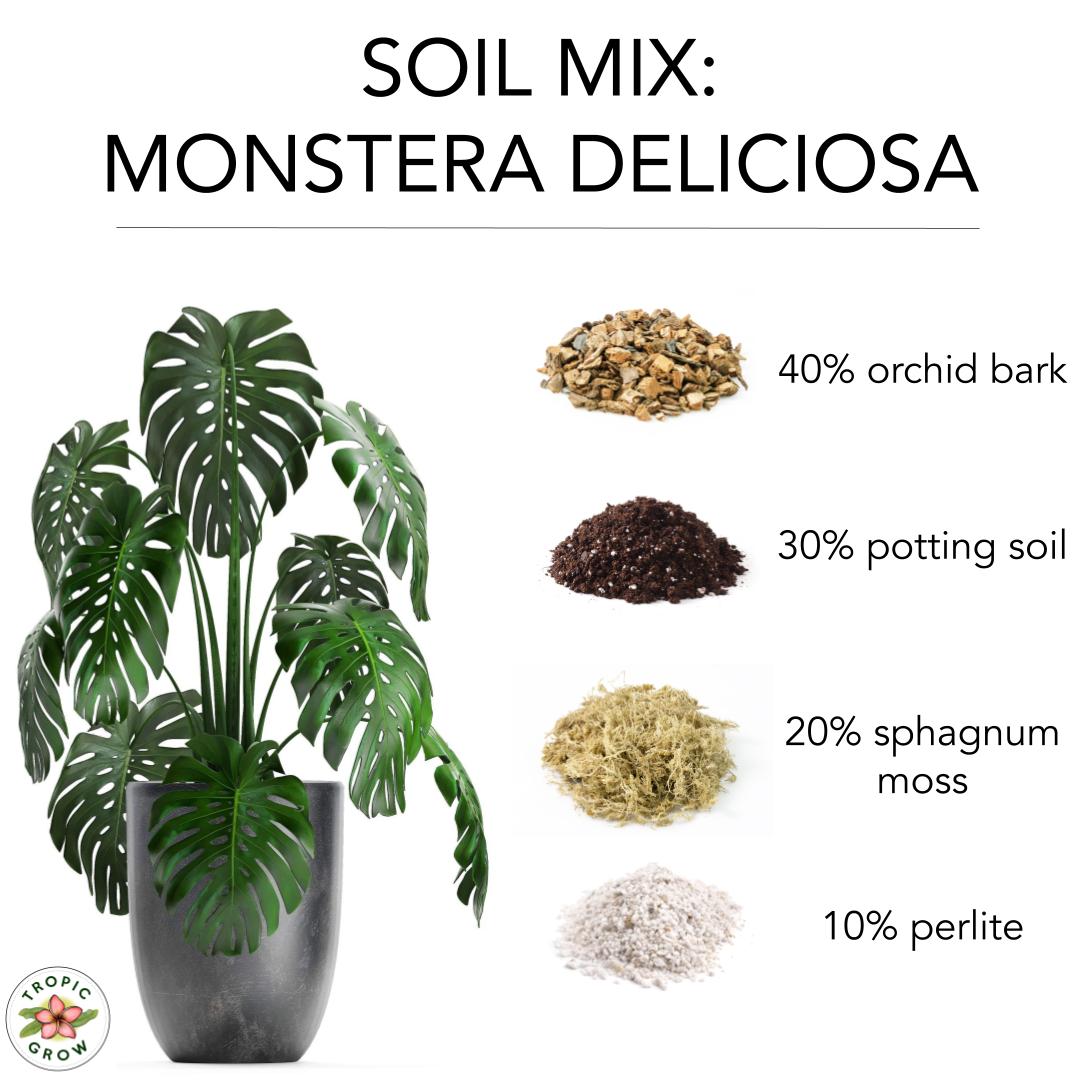
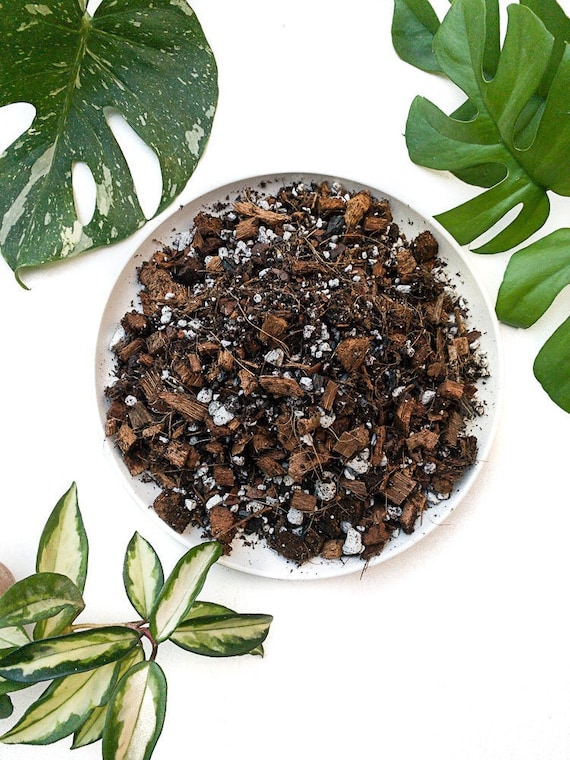
Several common soil mixes work well for Monstera. A mix of potting soil, perlite, and orchid bark is popular. This combination provides good drainage and aeration. It also retains necessary moisture.
Another effective mix includes peat moss, compost, and sand. This blend offers rich nutrients and excellent drainage. You can also use a cactus or succulent mix. Just add some orchid bark for extra aeration.
Ensure the mix you choose is light and airy. Heavy or compacted soils can harm your Monstera. Regularly check the soil’s condition. Adjust the mix if needed. This helps your Monstera stay healthy and vibrant.

Essential Soil Components
Understanding the essential soil components for your Monstera plant is crucial. These components help maintain healthy growth and vibrant foliage. Let’s dive into the two main components: organic matter and minerals.
Organic Matter
Organic matter is vital for Monstera soil. It improves soil structure and provides nutrients. Compost, peat moss, and decomposed leaves are excellent sources. They boost water retention and aeration. Well-draining soil is crucial for Monsteras. Organic matter helps achieve this balance.
Minerals
Minerals are another key component. They ensure robust plant health. Potassium, calcium, and magnesium are essential. These minerals support growth and strong roots. Sand or perlite can be added to enhance drainage. This prevents root rot and other issues.
Soil Ph Levels
Soil pH levels play a crucial role in the health of your Monstera plant. The pH level of the soil affects nutrient availability and root health. Understanding and maintaining the right pH level can help your Monstera thrive.
Importance Of Ph
The pH level of the soil impacts how well your Monstera absorbs nutrients. A balanced pH ensures that essential nutrients like nitrogen, phosphorus, and potassium are available. If the pH is too high or too low, nutrient uptake can be hindered. This can lead to poor growth and yellowing leaves.
Testing And Adjusting Ph
Testing the pH level of your soil is simple. You can use a pH meter or a soil test kit. These tools are affordable and easy to use. Follow the instructions on the kit to get an accurate reading.
If the pH level is not ideal, you can adjust it. Adding lime can raise the pH, making the soil more alkaline. Adding sulfur can lower the pH, making the soil more acidic. Always make adjustments gradually and retest the soil after a few weeks.
Drainage And Aeration
Proper drainage and aeration are crucial for the health of Monstera plants. These factors ensure the roots get enough oxygen and prevent root rot. Let’s explore how to achieve the best conditions for your Monstera.
Ensuring Proper Drainage
Monstera plants require well-draining soil. This prevents water from sitting around the roots. Stagnant water can cause root rot, a serious issue. Use pots with drainage holes. This allows excess water to escape. Mix in materials like perlite or pumice. These help improve soil drainage. Avoid heavy soils that retain too much water.
Improving Soil Aeration
Aeration is essential for healthy roots. It ensures that roots get enough oxygen. Mix in coarse sand or orchid bark. These materials create air pockets in the soil. They help in improving soil structure. Avoid compacting the soil too much. Compacted soil reduces aeration. Looser soil promotes better root growth.
Moisture Retention
Monstera plants thrive when they get the right amount of moisture. Soil plays a key role in moisture retention. The right soil keeps the roots healthy and prevents issues. Understanding moisture retention is crucial for Monstera care. Let’s explore how to balance moisture and prevent overwatering.
Balancing Moisture
Good soil balances moisture well. It should hold water but not stay soggy. A mix of peat moss, perlite, and orchid bark works best. Peat moss retains water, while perlite ensures air flow. Orchid bark adds structure and prevents compact soil. This mix creates a perfect balance for Monstera roots.
Preventing Overwatering
Overwatering can harm Monstera plants. Too much water leads to root rot. Ensure the soil drains well. Use pots with drainage holes. Check the top inch of soil before watering. If it’s dry, it’s time to water. This prevents excess moisture and keeps your Monstera healthy.
Nutrient Requirements
Monstera plants, known for their large, split leaves, require specific nutrients to thrive. Understanding these nutrient requirements is essential for their health and growth. In this section, we will explore the essential and supplementing nutrients needed for Monstera plants.
Essential Nutrients
Monsteras need a balanced mix of macronutrients and micronutrients. These essential nutrients are crucial for the plant’s development. They include:
- Nitrogen (N): Promotes leaf growth and enhances the green color.
- Phosphorus (P): Supports root development and flowering.
- Potassium (K): Aids in overall plant health and disease resistance.
- Calcium (Ca): Important for cell structure and growth.
- Magnesium (Mg): Central element in chlorophyll production.
- Sulfur (S): Vital for protein synthesis and enzyme function.
Supplementing Nutrients
In addition to essential nutrients, Monsteras benefit from supplementing nutrients. These are often found in smaller quantities but are equally important:
- Iron (Fe): Prevents yellowing of leaves and promotes healthy growth.
- Manganese (Mn): Assists in photosynthesis and nitrogen metabolism.
- Zinc (Zn): Essential for enzyme function and growth regulation.
- Copper (Cu): Supports reproductive growth and strengthens cell walls.
- Boron (B): Crucial for cell wall formation and stability.
- Molybdenum (Mo): Helps in nitrogen fixation and utilization.
Ensuring your Monstera receives these nutrients will help it grow strong and healthy. Regularly check the soil and provide necessary fertilizers to maintain the nutrient balance.
Diy Soil Mix Recipes
Creating your own soil mix for your Monstera plants can be both fun and beneficial. By making a custom soil mix, you can ensure your Monstera gets the right nutrients and drainage. Let’s explore some DIY soil mix recipes.
Basic Diy Mix
This basic mix is perfect for those starting with Monstera plants. It provides good drainage and the right nutrients.
- Ingredients:
- 2 parts potting soil
- 1 part perlite
- 1 part orchid bark
Mix these ingredients in a large container. Make sure they are evenly combined. The potting soil provides nutrients, while the perlite ensures proper drainage. The orchid bark helps with aeration.
Advanced Diy Mix
For experienced gardeners, this advanced mix offers superior drainage and nutrients. It promotes healthy root growth and prevents overwatering.
- Ingredients:
- 2 parts potting soil
- 1 part perlite
- 1 part orchid bark
- 1 part coco coir
- 1 part worm castings
Combine all ingredients in a large container. Mix well to ensure an even distribution. The coco coir retains moisture without waterlogging the roots. Worm castings add essential nutrients, promoting strong growth.
| Ingredient | Purpose |
|---|---|
| Potting Soil | Provides nutrients |
| Perlite | Improves drainage |
| Orchid Bark | Improves aeration |
| Coco Coir | Retains moisture |
| Worm Castings | Adds nutrients |
By using these DIY soil mix recipes, you can create the perfect environment for your Monstera plants. Happy gardening!
Common Soil Issues
Monstera plants thrive in well-draining soil. But common soil issues can hinder their growth. Root rot, nutrient deficiency, and compacted soil are some challenges. Recognizing these problems early can save your plant.
Identifying Problems
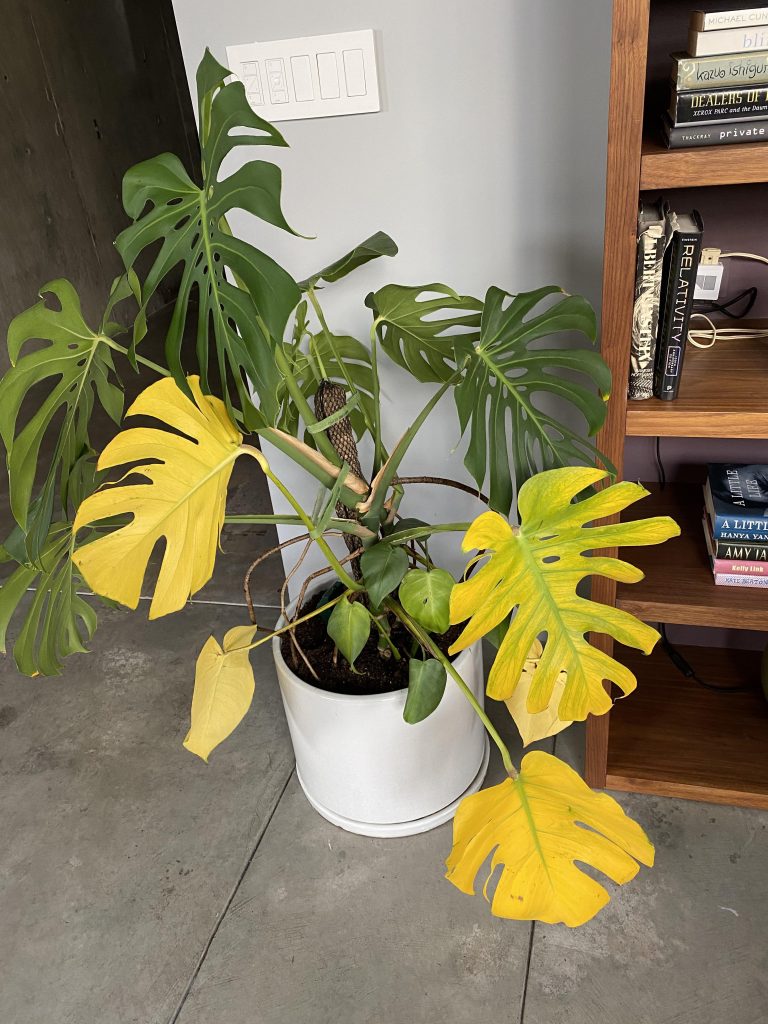
Yellowing leaves often signal overwatering or poor drainage. Drooping leaves may indicate compacted soil. Foul-smelling soil suggests root rot. Monitor your plant for these signs.
Soil Troubleshooting Tips
Check the soil moisture before watering. The top inch should feel dry. Use a soil mix with perlite or orchid bark. This improves drainage and prevents compacting. Repot your Monstera every 1-2 years. Fresh soil can provide necessary nutrients.
Consider using a well-balanced fertilizer. It can address nutrient deficiencies. Trim any rotting roots during repotting. This helps prevent the spread of root rot. Elevate your plant slightly with a pot stand. It can enhance air circulation around the roots.
Frequently Asked Questions
What Type Of Soil Is Best For Monstera?
Monstera thrives in well-draining, aerated soil. A mix of peat, pine bark, and perlite works great. This ensures proper moisture retention and air circulation.
Can Monstera Grow In Regular Potting Soil?
Regular potting soil can be too dense for Monstera. It’s better to mix it with perlite or orchid bark. This improves drainage and aeration.
How Often Should I Change Monstera Soil?
Change Monstera soil every 1-2 years. This prevents nutrient depletion and soil compaction, promoting healthier growth.
Is Cactus Soil Suitable For Monstera?
Cactus soil can be too dry for Monstera. Mix it with peat or compost to retain moisture. This creates a balanced environment.
Conclusion
Choosing the right soil ensures your Monstera stays healthy and vibrant. Well-draining soil with a mix of peat, perlite, and bark works best. This combination keeps roots healthy and prevents waterlogging. Remember to check moisture levels regularly. Happy planting!