
Aerial roots on your Monstera plant can seem puzzling at first. These roots grow above the soil and might look wild or out of place.
But don’t worry, they have a purpose. Aerial roots help the Monstera climb and absorb moisture from the air. They are a natural part of the plant’s growth. Knowing what to do with these roots can improve your plant’s health and appearance.
In this blog, we will explore practical tips and ideas for handling Monstera’s aerial roots. Whether you want to trim, guide, or use them creatively, you’ll find helpful advice here. Let’s dive in and make your Monstera thrive!
Introduction To Monstera Aerial Roots
The Monstera plant, known for its large, split leaves, is a favorite among plant enthusiasts. One unique feature of Monstera is its aerial roots. These roots often spark curiosity among plant owners. Understanding these roots is key to proper plant care.
What Are Aerial Roots?
Aerial roots are roots that grow above the ground. They emerge from the stem and can appear quite striking. In the wild, these roots help the plant climb trees and absorb moisture from the air.
| Characteristic | Description |
|---|---|
| Appearance | Thick, rope-like, and brown |
| Function | Climbing and moisture absorption |
Why Monstera Develops Aerial Roots
Monstera develops aerial roots for several reasons:
- Support: These roots provide stability as the plant grows.
- Nutrient Absorption: They help absorb water and nutrients from the air.
- Climbing: Aerial roots allow the plant to climb surfaces, mimicking its natural habitat.
Understanding why Monstera develops aerial roots helps in managing them effectively. These roots play a crucial role in the plant’s growth and health.
Benefits Of Aerial Roots
Monstera plants are well-loved for their lush leaves and unique look. Aerial roots play a key role in their growth. These roots grow above the soil and have many benefits.
Support And Stability
Aerial roots help Monstera plants stay upright. They attach to surfaces like trees or walls. This gives the plant extra support. It can grow taller and stronger.
Without aerial roots, the plant might bend or fall. These roots act like anchors. They keep the plant stable even in windy conditions.
Nutrient Absorption
Aerial roots also help the plant absorb nutrients. They take in moisture and nutrients from the air. This helps the plant stay healthy and green.
Sometimes, they can even reach the soil. They then absorb water and nutrients from the ground. This makes the plant even more robust.
Pruning Aerial Roots
Pruning aerial roots on your Monstera can help manage its growth. It keeps the plant looking neat and healthy. Knowing when and how to prune these roots is crucial. Let’s dive into the details.
When To Prune
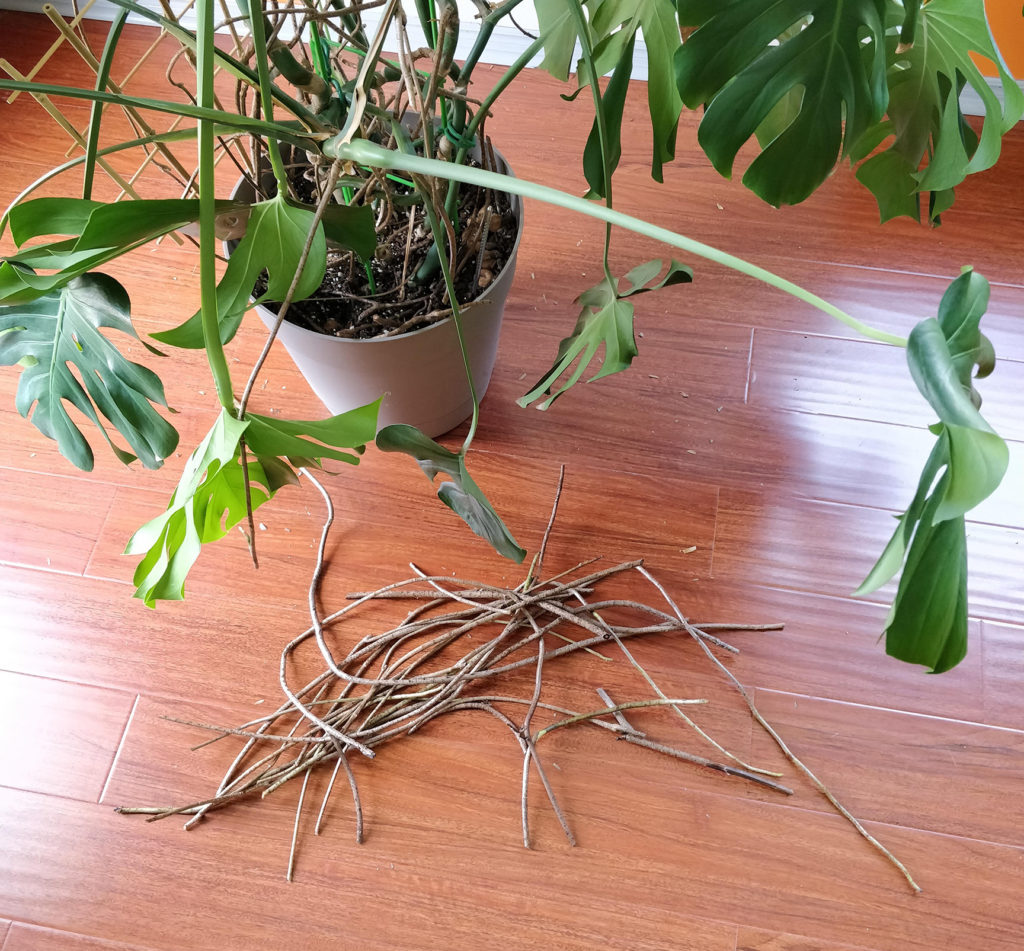
Prune aerial roots when they get too long or unruly. If they start crawling on walls or furniture, it’s time. Prune if they look dry or unhealthy. Regular checks help you stay on top of this.
How To Prune Safely
Pruning safely ensures your plant stays healthy. Follow these steps:
- Clean your tools: Use sharp, clean shears. This prevents infection.
- Identify the roots: Find the roots you want to cut. Look for dry or overgrown roots.
- Cut close to the stem: Snip the root close to the base. Avoid cutting the stem itself.
- Disinfect the cuts: Apply a small amount of fungicide on the cuts.
Pruning helps keep your Monstera happy. It also encourages healthy growth. Always take care when trimming any part of your plant.
Training And Guiding Aerial Roots
Monstera plants are famous for their striking leaves and aerial roots. These roots grow above the soil. They help the plant climb and find support. Training and guiding these aerial roots is essential. It helps your Monstera grow in the direction you want. Proper training can also enhance the plant’s health and appearance.
Using Trellises And Supports
Trellises and supports are excellent tools for guiding aerial roots. Use a sturdy trellis to support the growing roots. Ensure it’s tall enough to accommodate growth. Position the trellis near the plant’s base. Gently tie the roots to the trellis with soft ties or string. Do not tie too tightly. It can damage the roots. Keep adjusting the ties as the plant grows. This method helps the Monstera climb and spread.
Supports like moss poles also work well. Moss poles offer a natural surface for roots to attach. Insert the moss pole into the soil close to the plant. Mist the pole regularly to keep it moist. This encourages roots to cling to it. Secure the roots with soft ties. Adjust as needed. Moss poles mimic the plant’s natural environment. They provide a textured surface for roots to grasp.
Training For Indoor Growth
Training Monstera aerial roots indoors requires careful planning. Indoor space can be limited. Choose a support structure that fits your space. Wall-mounted trellises are a great option. They save floor space. Attach the trellis to the wall behind the plant. Train the roots to grow along the trellis. Use soft ties to guide them. Keep the ties loose to avoid damage.
Consider using plant clips for extra support. Plant clips are reusable and gentle on roots. Clip the roots to the trellis or support. Adjust the clips as the plant grows. This keeps the roots secure. It also helps maintain the plant’s shape.
Proper lighting is crucial for indoor growth. Place the plant near a bright window. Ensure it gets indirect sunlight. This promotes healthy growth and strong roots. Rotate the plant occasionally. This ensures even light distribution. It prevents the plant from leaning towards the light source.
Moisture And Humidity Requirements
Understanding the moisture and humidity requirements of Monstera plants is crucial. These tropical beauties thrive best in conditions mimicking their natural habitat. Ensuring proper care for their aerial roots is part of this process. This section covers how to keep the roots hydrated and maintain ideal humidity levels.
Keeping Roots Hydrated
Monstera plants have aerial roots that need to stay moist. These roots absorb moisture from the air, which helps the plant grow. Dry roots can lead to health problems for the plant.
To keep aerial roots hydrated, you can:
- Spray them with water daily.
- Wrap them in moist sphagnum moss.
- Use a humidifier nearby.
Spraying the roots is the easiest method. Use a spray bottle with clean water. Mist the aerial roots in the morning. This helps them absorb moisture throughout the day.
Maintaining Ideal Humidity Levels
Monstera plants love high humidity. Ideal humidity levels for these plants range from 60% to 80%. Low humidity can cause the leaves to dry out and turn brown.
To maintain the right humidity levels, try these tips:
- Place a humidifier near your Monstera.
- Group your plants together to create a humid microclimate.
- Use a pebble tray filled with water under the plant’s pot.
A humidifier is the most effective way. It releases a steady stream of moisture into the air. Grouping plants together also helps. Plants naturally release moisture, which increases the humidity around them.
A pebble tray is a simple and affordable method. Fill a tray with pebbles and add water. Place the pot on top of the pebbles. As the water evaporates, it increases humidity around the plant.

Dealing With Overgrown Aerial Roots
Dealing with overgrown aerial roots on your Monstera can be a challenge. These roots grow from the plant’s stems and can spread quickly. They look unsightly and might even damage your home. This section will guide you on how to manage and prevent excessive growth of these roots.
Managing Excessive Growth
Overgrown aerial roots can make your Monstera look messy. Here are some tips to manage them:
- Trim the roots: Use clean, sharp scissors to cut the roots back. Cut close to the stem.
- Guide the roots: Direct them into the soil. This helps with stability and growth.
- Use support: Attach the roots to a moss pole or trellis. This keeps them tidy.
Preventive Care Tips
Preventing overgrowth is easier than dealing with it. Here are some tips to keep your Monstera’s aerial roots in check:
- Regular Pruning: Trim the roots every few months. This keeps them manageable.
- Proper Watering: Overwatering can cause excessive root growth. Water your Monstera only when the top inch of soil is dry.
- Optimal Light: Ensure your Monstera gets bright, indirect light. This promotes healthy growth without excessive root spread.
Here’s a simple table summarizing the key points:
| Action | Description |
|---|---|
| Trim the roots | Use clean scissors to cut roots close to the stem. |
| Guide the roots | Direct roots into the soil for stability. |
| Use support | Attach roots to a moss pole or trellis. |
| Regular Pruning | Trim roots every few months. |
| Proper Watering | Water only when the top inch of soil is dry. |
| Optimal Light | Provide bright, indirect light. |
Propagation Using Aerial Roots
Monstera plants, with their unique aerial roots, offer a great way to propagate new plants. These roots grow above the soil. They help the plant climb and find water and nutrients. Propagating using these roots is easy and effective.
Steps For Propagation
First, identify a healthy stem with aerial roots. Cut just below the node. Ensure the stem has at least one leaf. Place the cutting in water. Submerge the aerial roots but keep the leaves dry. Change the water every few days. When roots are 2 inches long, plant in soil.
Success Tips
Use a clean, sharp knife to cut. This prevents infections. Choose a stem with multiple aerial roots. It increases your success rate. Keep the cutting in a warm, bright spot. Avoid direct sunlight. Patience is key. Root growth takes time.
:max_bytes(150000):strip_icc()/GettyImages-1391463101-de49db580def4a2380a18fe273c1c065.jpg)
Common Issues And Solutions
Monstera plants are popular for their large, beautiful leaves and tropical vibes. But many plant owners face issues with their Monstera’s aerial roots. These roots can present a few challenges. This section will discuss common issues and offer practical solutions.
Root Rot Prevention
Aerial roots can sometimes lead to root rot if not managed well. It’s important to keep them dry. Avoid letting them sit in water. Proper drainage is crucial. Make sure your pot has enough drainage holes. Use well-draining soil to prevent excess moisture. If you notice any roots turning brown or mushy, cut them off. This will prevent the rot from spreading.
Pest Control
Aerial roots can attract pests like spider mites and mealybugs. Regularly check your Monstera for signs of these pests. Small webs or white, cotton-like spots are indicators. Use insecticidal soap to treat infestations. Wipe the aerial roots with a damp cloth to remove any pests. Keeping your plant clean will help keep pests at bay.
Expert Tips And Tricks
Monstera plants are known for their unique aerial roots. These roots often leave plant owners puzzled. But, with the right tips and tricks, you can manage them effectively. This section covers expert advice to enhance both the look and health of your Monstera plant.
Enhancing Aesthetic Appeal
Aerial roots can sometimes look messy. To make them look better, you can tie them to the main stem. This keeps them neat. Use soft ties to avoid damaging the plant. Another idea is to trim the roots. Only cut the ones that are very long. Always use clean, sharp scissors. This helps keep the plant looking tidy.
You can also guide the roots to grow into the soil. This makes the plant look fuller. It also gives the roots a purpose. Gently press the roots into the soil. Make sure they are covered well. This method hides the roots and keeps them healthy.
Boosting Plant Health
Aerial roots help the plant in many ways. They absorb moisture from the air. This keeps the plant hydrated. You can mist the aerial roots. This adds extra moisture. Use a spray bottle with clean water. Mist the roots once a week.
These roots also support the plant. They help it climb and stay upright. To boost plant health, give the roots something to cling to. Use a moss pole or a trellis. This helps the plant grow strong. Secure the roots to the support with soft ties.
Lastly, do not remove too many roots. They are vital for the plant’s health. Only cut roots that are in the way. Always check for any signs of damage or disease. Healthy roots mean a healthy plant.
Frequently Asked Questions
What Are Monstera Aerial Roots?
Monstera aerial roots grow above ground and help stabilize the plant. They can also absorb moisture and nutrients from the air.
Should I Trim Monstera Aerial Roots?
You can trim Monstera aerial roots if they become too long or unruly. Use clean, sharp scissors to avoid damaging the plant.
Can I Propagate Monstera Using Aerial Roots?
Yes, you can propagate Monstera using aerial roots. Cut below a node with an aerial root, and plant it in soil or water.
How Do I Care For Monstera Aerial Roots?
Keep Monstera aerial roots moist and clean. Mist them occasionally and avoid letting them dry out completely.
Conclusion
Caring for Monstera aerial roots is simple and rewarding. Trim them if needed. Guide them back into the soil for extra support. Use moss poles to help the plant climb. Ensure proper humidity and light for healthy growth. With these steps, your Monstera will thrive and look stunning.
Remember, happy roots mean a happy plant. Enjoy nurturing your Monstera and watch it flourish. Thank you for reading!