
Monstera plants thrive best in well-draining soil. The right soil mix ensures healthy growth and vibrant leaves.
Monstera plants, with their striking leaves, are a favorite among indoor gardeners. But to keep them thriving, you need the right soil. A good soil mix supports strong roots and prevents waterlogging. This leads to healthier plants. Choosing the wrong soil can cause root rot and other problems.
In this post, we’ll explore the best soil types for Monstera. You’ll learn what makes a good soil mix and why it matters. This will help you provide the best care for your Monstera, ensuring it stays lush and beautiful. Let’s dive into the world of Monstera soil needs!
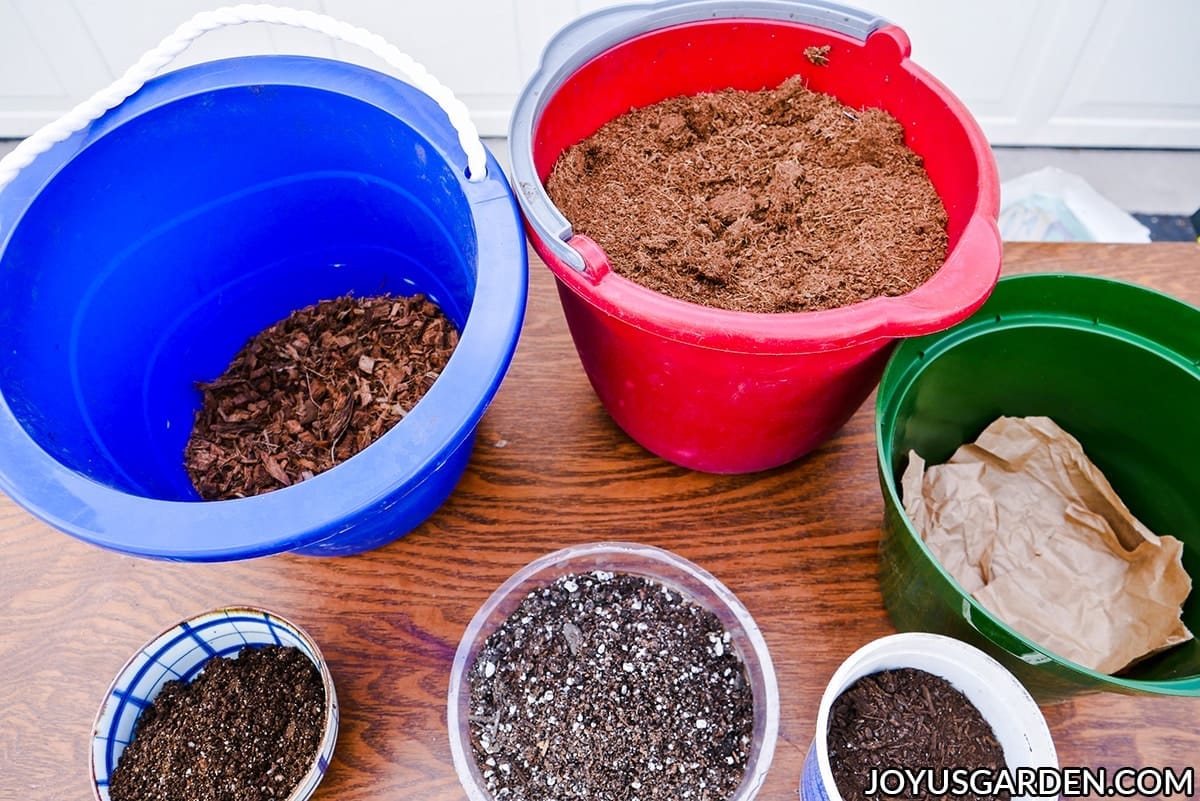
Ideal Soil Composition
Understanding the ideal soil composition for Monstera plants is crucial. These tropical beauties thrive in specific soil conditions. The right mix ensures healthy growth and vibrant foliage. Let’s dive into the essential components and the balance between organic and inorganic mixes.
Essential Soil Components
Monsteras need well-draining soil. This prevents root rot and promotes aeration. The soil should be rich in nutrients. Essential components include peat moss, perlite, and pine bark. Peat moss retains moisture. Perlite improves drainage. Pine bark adds organic matter.
Organic Vs. Inorganic Mixes
Organic materials decompose over time. They release nutrients slowly. Peat moss and pine bark are common organic elements. They improve soil structure and water retention.
Inorganic materials do not decompose. They provide drainage and aeration. Perlite and coarse sand are popular inorganic components. The ideal mix balances both types. This ensures Monsteras get the best of both worlds. A good ratio is about 70% organic and 30% inorganic.

Soil Ph Requirements
Monstera plants thrive best in soil with the right pH level. The soil’s pH directly affects nutrient absorption. Ensuring the correct pH keeps your Monstera healthy and vibrant. Let’s explore the optimal pH levels and how to test soil pH.
Optimal Ph Levels
Monstera plants prefer slightly acidic to neutral soil. The ideal pH range is between 5.5 and 7.0. This range allows the plant to absorb essential nutrients. Keep an eye on the pH to ensure your plant’s well-being.
Testing Soil Ph
Testing soil pH is simple and crucial. Use a pH testing kit from a garden store. Follow the instructions on the kit for accurate results. Regular testing helps maintain the ideal pH range.
If the pH is too high, add sulfur or peat moss. If it’s too low, use lime to raise the pH. Adjusting the soil ensures your Monstera gets the nutrients it needs. Happy plants mean a happy home.
Drainage And Aeration
Monstera plants thrive in well-draining and aerated soil. Proper drainage prevents water from sitting around the roots. This helps avoid root rot and other issues. Aeration ensures the roots get enough oxygen. Both are crucial for healthy Monstera growth.
Importance Of Drainage
Good drainage is vital for Monstera plants. It keeps the roots dry and healthy. Waterlogged soil can suffocate the roots. This leads to root rot and plant diseases. To improve drainage, use a soil mix with coarse materials. These include perlite, bark, or pumice. They create spaces in the soil for water to flow through. This prevents excess water from building up around the roots.
Improving Soil Aeration
Aeration is key for Monstera root health. Roots need oxygen to function well. Compacted soil restricts airflow to the roots. This can lead to poor plant health. To enhance aeration, mix in light and airy materials. Examples are peat moss, coco coir, or vermiculite. These materials keep the soil loose. They allow air to reach the roots easily. Aerated soil promotes vigorous growth and strong roots.
Moisture Retention
Monstera plants thrive in soil that maintains the right moisture balance. The soil should be moist but not waterlogged. This helps the plant grow strong and healthy. Let’s explore how to achieve this balance.
Balancing Moisture Levels
Balancing moisture levels in Monstera soil is crucial. The soil must retain enough water without becoming too wet. Here are some tips to achieve this:
- Use soil with good drainage.
- Mix in perlite or pumice to improve aeration.
- Check soil moisture regularly.
These practices help maintain the right moisture balance.
Preventing Waterlogged Soil
Preventing waterlogged soil is essential for Monstera health. Waterlogged soil can lead to root rot. Here’s how to avoid it:
- Ensure pots have drainage holes.
- Use a well-draining soil mix.
- Water the plant only when the top inch of soil is dry.
Following these steps helps keep the roots healthy.
| Moisture Retention Tips | Details |
|---|---|
| Drainage | Ensure proper drainage to prevent waterlogging. |
| Soil Mix | Use a mix with perlite or pumice. |
| Watering | Water only when the soil is partially dry. |
These practices ensure your Monstera plant stays healthy and vibrant.
Nutrient Needs
Monstera plants thrive in well-draining soil with a mix of peat, perlite, and pine bark. The mixture ensures proper aeration and nutrient absorption, promoting healthy growth.
Monstera plants thrive when they get the right nutrients. Proper nutrition helps them grow big, beautiful leaves. Let’s explore the key nutrients they need and how to fertilize them.Essential Nutrients
Monstera plants need nitrogen for leaf growth. Phosphorus helps with root development. Potassium supports overall health and stress resistance. Calcium strengthens cell walls. Magnesium is vital for photosynthesis. Iron prevents yellowing of leaves. These nutrients keep your Monstera healthy and vibrant.Fertilizing Tips
Use a balanced, water-soluble fertilizer. Apply it once a month during the growing season. Mix the fertilizer according to the package instructions. Avoid over-fertilizing. Too much fertilizer can harm your plant. Watch for signs of nutrient deficiency. Yellow leaves may indicate a lack of nitrogen. Slow growth could mean phosphorus is low. Adjust your fertilizing schedule as needed. “`Common Soil Problems
Monstera plants are popular for their beautiful, large leaves. But, the wrong soil can cause problems. Common soil issues can hinder growth. Let’s explore these problems and how to solve them.
Identifying Issues
Several signs indicate soil problems for your Monstera:
- Yellowing leaves – This can mean poor drainage or overwatering.
- Brown leaf tips – Often a sign of underwatering or low humidity.
- Slow growth – Could be due to compact soil or lack of nutrients.
- Root rot – Caused by waterlogged soil.
Check the soil moisture and drainage. Use your fingers to feel the soil. If it feels too wet or too dry, there’s a problem.
Solutions And Remedies
Address common soil issues with these solutions:
- Improve Drainage: Use a well-draining soil mix. Add perlite or orchid bark to the soil.
- Correct Watering: Water only when the top inch of soil is dry. Ensure water drains out from the bottom.
- Nutrient Boost: Feed your Monstera with a balanced fertilizer during the growing season. Follow package instructions.
- Repotting: Repot your Monstera every 2-3 years. Use fresh soil to prevent compaction and root rot.
Taking these steps will help your Monstera thrive. Healthy soil is key to a healthy plant.
Diy Soil Mixes
Creating your own soil mix for Monstera plants can be rewarding. You can control the ingredients and ensure the best conditions for your plant. DIY soil mixes are easy to make and can save money. This section will guide you through creating and choosing the right ingredients.
Creating Custom Mixes
Custom soil mixes cater to your Monstera’s needs. Start with a base of high-quality potting soil. Aim for a well-draining mix to prevent root rot. Add components that improve aeration and water retention.
Recommended Ingredients
Perlite is essential for good drainage. It keeps the soil light and airy. Coconut coir is a sustainable option. It retains moisture without becoming waterlogged.
Bark chips are another good addition. They provide structure and mimic Monstera’s natural habitat. Worm castings enrich the soil with nutrients. They promote healthy growth and strong roots.
Charcoal helps to keep the soil fresh. It absorbs impurities and prevents odor. Sand can also be used for drainage. It helps create space between soil particles.
Experiment with different ratios. Find the perfect blend that suits your Monstera. Remember to test the soil’s pH and adjust as needed. Happy planting!
Repotting Tips
Monstera plants thrive in well-draining soil rich in organic matter. Use a mix of potting soil, perlite, and peat moss. This ensures good drainage and aeration, preventing root rot.
Repotting your Monstera is essential for its growth and health. The process allows the plant to access fresh nutrients and more space. Repotting also helps in identifying and treating any root issues. Follow these tips to ensure your Monstera thrives in its new pot.When To Repot
Repot your Monstera every two years. Look for signs like roots growing through the drainage holes. Also, if the plant looks too big for the pot, it’s time. Spring is the best season for repotting. The plant is actively growing, which helps it recover quickly.Step-by-step Guide
1. Choose the Right Pot: Select a pot 2 inches wider than the current one. Ensure it has drainage holes. 2. Prepare the Soil: Use a well-draining soil mix. A combination of peat moss, perlite, and pine bark works well. 3. Remove the Plant: Gently remove the Monstera from its current pot. Be careful not to damage the roots. 4. Examine the Roots: Check for any rotten or dead roots. Trim them using sterilized scissors. 5. Place in New Pot: Position the plant in the center of the new pot. Fill around the roots with fresh soil. 6. Water Thoroughly: Water the plant until water drains from the bottom. This helps settle the soil. 7. Adjust Position: Place the pot in a bright, indirect light. Avoid direct sunlight to prevent stress. Repotting your Monstera correctly ensures it remains healthy and vibrant. Follow these steps and enjoy a thriving plant. “`Frequently Asked Questions
What Soil Does Monstera Need?
Monstera plants need well-draining soil. A mix of potting soil, peat moss, and perlite works best. This combination retains moisture but prevents waterlogging.
Can Monstera Grow In Regular Potting Soil?
Regular potting soil can work, but it’s not ideal. Mixing it with peat moss and perlite improves drainage and aeration, promoting healthy root growth.
How Often Should I Change Monstera Soil?
Change Monstera soil every 1-2 years. This prevents soil compaction and replenishes nutrients. Fresh soil ensures healthy plant growth.
Is Cactus Soil Suitable For Monstera?
Cactus soil is too dry for Monstera. It lacks moisture retention. Mixing it with peat moss can help create a better balance.
Conclusion
Choosing the right soil is crucial for your Monstera. Well-draining soil helps prevent root rot. A mix of peat, perlite, and pine bark works well. Keep the soil moist but not soggy. Your Monstera will thrive with proper care. Happy planting!