Finding the right pot for your Monstera is essential. It affects growth and health.
Monstera plants are popular for their striking leaves and easy care. But, choosing the right pot can be confusing. Different pots offer various benefits and drawbacks. Size, material, and drainage are key factors to consider. A good pot ensures your Monstera thrives and looks its best.
Proper drainage prevents root rot. The right size allows for growth. Material affects moisture retention and temperature. In this blog post, we will explore the best pots for your Monstera. Whether you are a new plant parent or an experienced gardener, this guide will help you make the best choice for your Monstera’s pot.
Introduction To Monstera Pots
Monstera plants, with their large, split leaves, are a favorite among indoor plant enthusiasts. To keep them healthy, choosing the right pot is crucial. The pot impacts the plant’s growth, health, and appearance.
Many people make mistakes when selecting pots for their Monstera. Understanding the key factors can help you avoid common pitfalls. Let’s explore the importance of choosing the right pot and some common mistakes to avoid.
Importance Of Choosing The Right Pot
The right pot ensures your Monstera has enough space to grow. A pot that is too small can restrict root growth. This can stunt the plant’s development and lead to health issues.
Drainage is another critical factor. Monsteras need well-draining soil to thrive. Pots with drainage holes prevent water from sitting at the bottom. This reduces the risk of root rot, a common problem for Monsteras.
The material of the pot also plays a role. Terracotta pots are breathable and help control moisture. Plastic pots, on the other hand, retain moisture longer. Each material has its benefits and drawbacks.
Common Mistakes
One common mistake is choosing a pot without drainage holes. This can lead to overwatering and root rot. Always ensure your pot has adequate drainage.
Another mistake is selecting a pot that is too large. While it might seem like a good idea to give your Monstera extra space, too much soil can hold excess moisture. This can harm the roots.
Using the wrong potting mix can also be problematic. Monsteras need a well-draining mix. A heavy, compact soil can suffocate the roots and cause health issues.
Avoid these mistakes to keep your Monstera healthy and thriving. Choose the right pot, and your plant will thank you with lush, beautiful growth.
Material Choices
Choosing the right material for your Monstera pot is crucial for its health. The material affects water retention, breathability, and overall aesthetics. Let’s explore some popular material choices.
Terracotta Pots
Terracotta pots are a favorite among plant enthusiasts. These pots are made from clay and are porous. This means they allow air and water to move through the walls. This breathability is great for preventing root rot. Terracotta pots are also heavy, providing stability for your Monstera. They have a natural, earthy look that complements any decor.
However, terracotta pots can dry out quickly. You might need to water your plant more often. Additionally, they can crack in cold weather.
Plastic Pots
Plastic pots are lightweight and affordable. They retain moisture longer, reducing the need for frequent watering. These pots are also durable and come in various colors and styles, making them versatile for any decor.
On the downside, plastic pots lack the breathability of terracotta. This can lead to overwatering and root issues. Choose pots with drainage holes to combat this.
Ceramic Pots
Ceramic pots are another stylish option for your Monstera. They are glazed, which helps to retain moisture. These pots come in many designs and can be a beautiful addition to your home.
Ceramic pots are heavy, providing stability. However, they can be more expensive and may not offer the same breathability as terracotta. Ensure your ceramic pot has a drainage hole to avoid waterlogging.
Size Matters
Size matters when choosing the perfect pot for your Monstera. The right pot size can make a big difference in the health and growth of your plant. Let’s explore why size is crucial and how it impacts your Monstera.
Choosing The Right Size
A pot that’s too small can restrict root growth. This leads to a stunted plant. A pot that’s too large can hold too much water. This causes root rot. Aim for a pot that is 2 inches larger than the current one. This allows room for growth without overwhelming the roots.
Impact Of Pot Size On Growth
The right pot size encourages healthy growth. It provides enough space for roots to expand. This helps the Monstera absorb nutrients and water efficiently. A pot that’s too large can cause water to linger. This creates a soggy environment, harming the roots.
Choose a pot with drainage holes. This prevents water from sitting at the bottom. A well-draining pot ensures your Monstera thrives. Pay attention to the size and drainage to keep your plant healthy.
Drainage Essentials
Proper drainage is vital for your Monstera plant. It keeps the roots healthy and prevents waterlogged soil. In this section, we’ll cover the essentials of drainage for your Monstera.
Importance Of Good Drainage
Good drainage is crucial for Monstera plants. It prevents root rot and other issues. Stagnant water can damage roots and hinder growth. Ensuring proper drainage helps maintain a healthy plant environment.
- Prevents root rot: Excess water can cause root decay.
- Encourages healthy roots: Drains excess water, allowing roots to breathe.
- Maintains soil balance: Prevents waterlogging and nutrient leaching.
Best Practices For Drainage
To ensure your Monstera thrives, follow these best practices for drainage:
- Select the right pot: Choose pots with drainage holes.
- Use well-draining soil: A mix containing perlite or sand works well.
- Layer materials: Add gravel or small stones at the bottom of the pot.
- Water properly: Avoid overwatering. Let soil dry out between waterings.
- Check drainage: Ensure water flows freely from the pot after watering.
Here’s a quick comparison table for potting materials:
| Material | Benefits |
|---|---|
| Plastic | Lightweight, affordable, retains moisture |
| Terracotta | Porous, allows air flow, heavy |
| Ceramic | Decorative, retains moisture, durable |
Remember, the right pot and soil mix can make a big difference. Your Monstera will thank you with lush, vibrant growth!
Aesthetic Considerations
Aesthetic considerations are vital when choosing a pot for your Monstera. The right pot can enhance the plant’s beauty and complement your home’s décor. Making a thoughtful choice ensures your Monstera stands out as a stylish focal point.
Matching Pot With Décor
Consider your home’s style. A modern home may benefit from sleek, minimalist pots. Rustic interiors might call for earthy, textured pots. Match the pot’s material with your furniture. Wooden pots blend well with wooden furniture. Ceramic pots look elegant in contemporary settings. Think about the room’s color scheme. Harmonize the pot with your existing colors. This creates a unified look.
Color And Design Tips
Choose neutral colors for versatility. White, black, and grey pots suit most décor styles. Bold colors can make a statement. Red, blue, or green pots add a pop of color. Consider patterns and textures. Pots with intricate designs can be eye-catching. Smooth, plain pots offer a clean, simple look. Think about the pot’s shape. Round pots soften a room’s look. Square pots add a modern touch.

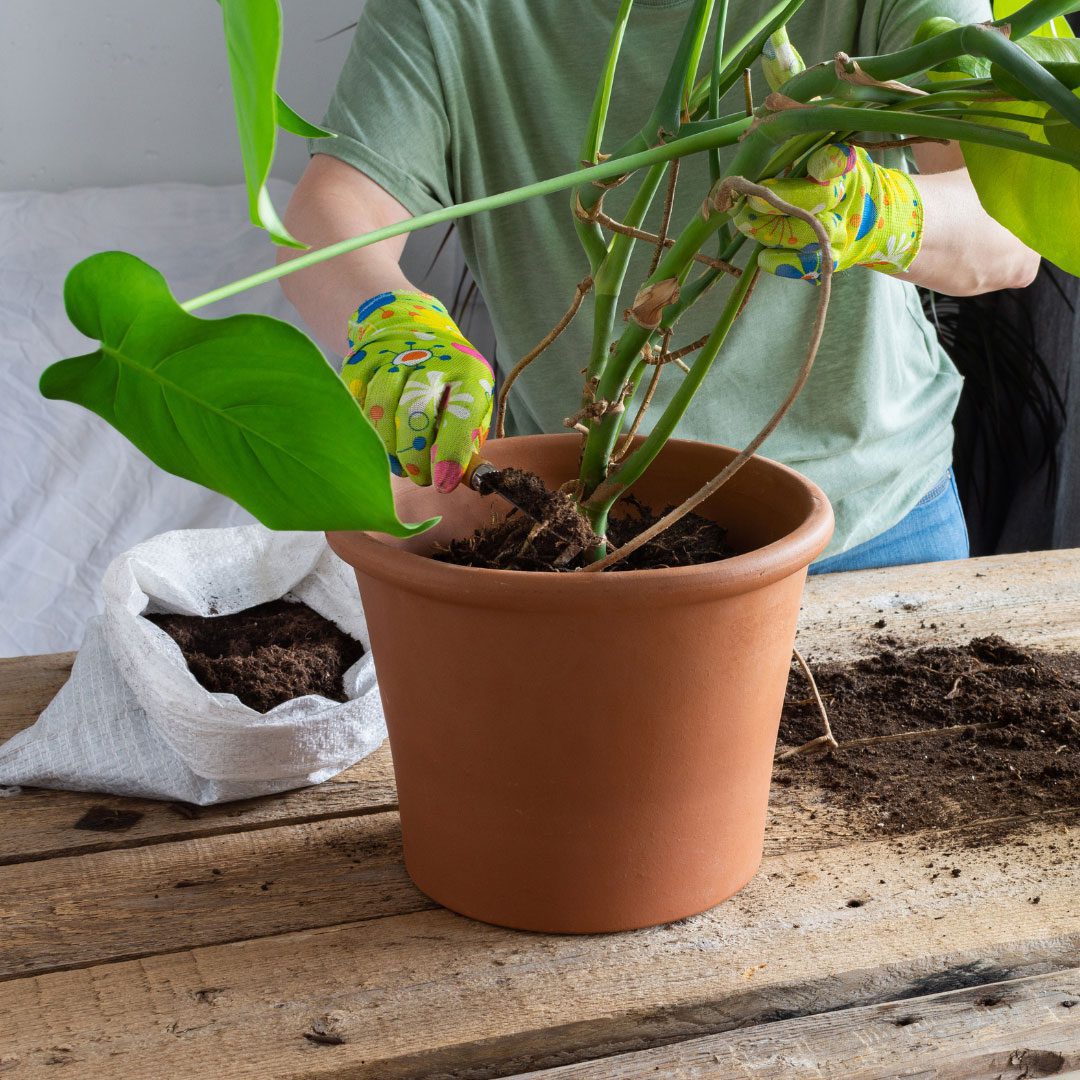
Repotting Monstera
Repotting your Monstera plant is essential for its health and growth. This process involves moving the plant to a new pot with fresh soil. It helps provide more space for the roots, improves soil nutrients, and ensures better drainage. Let’s dive into the details of when and how to repot your Monstera.
When To Repot
Knowing when to repot your Monstera is crucial. Here are some signs:
- Roots coming out: Roots start growing out of the pot’s drainage holes.
- Slow growth: The plant shows signs of stunted growth.
- Top-heavy: The plant becomes too heavy for its current pot.
- Dry soil: The soil dries out quickly after watering.
- Annually: Generally, repotting every 1-2 years is recommended.
Steps For Successful Repotting
Follow these steps for a successful repotting experience:
- Choose a pot: Select a pot that is 2 inches larger in diameter than the current one.
- Prepare the soil: Use a well-draining potting mix. A mix with peat, perlite, and pine bark works well.
- Remove the plant: Gently remove the Monstera from its current pot. Loosen the roots if they are tangled.
- Place in new pot: Place the plant in the new pot. Ensure the root ball is in the center.
- Fill with soil: Add fresh soil around the root ball. Press it down lightly to eliminate air pockets.
- Water thoroughly: Water the plant well. Ensure the water drains out from the bottom.
- Position the plant: Place the repotted Monstera in a spot with bright, indirect light.
Repotting your Monstera might seem daunting, but following these simple steps ensures a healthy and thriving plant.
Self-watering Pots
Self-watering pots provide a unique advantage for Monstera plants. These pots help regulate water intake, ensuring your Monstera stays hydrated without the risk of overwatering. They are an excellent choice for busy plant parents or those new to plant care.
Advantages Of Self-watering Pots
Self-watering pots offer numerous benefits for Monstera plants. First, they help maintain consistent soil moisture. This is vital for the health of your Monstera. Consistent moisture ensures that the plant’s roots have access to water at all times. This prevents the soil from drying out completely.
Another advantage is the reduced need for frequent watering. The water reservoir in these pots keeps your Monstera hydrated for longer periods. This makes self-watering pots ideal for those with a busy lifestyle. You won’t have to water your Monstera daily.
Self-watering pots also help prevent root rot. By keeping the soil consistently moist but not waterlogged, these pots protect the roots. Root rot can be a significant problem for Monsteras in traditional pots.
How To Use Them
Using self-watering pots for your Monstera is simple. Start by filling the reservoir with water. Ensure the wick or the system that transfers water to the soil is properly installed.
Place your Monstera in the pot, making sure the roots are in contact with the soil. The soil will draw water from the reservoir as needed, keeping the plant hydrated.
Monitor the water level in the reservoir regularly. Refill it when it gets low. This way, your Monstera always has access to water. Avoid letting the reservoir dry out completely.
By using self-watering pots, you can provide your Monstera with consistent moisture. This will help it thrive and grow healthy.
Pot Accessories
When it comes to growing a Monstera, the right pot accessories can make a big difference. These accessories not only enhance the look of your plant but also help in its care. Two essential pot accessories are saucers and decorative plant stands. Let’s dive into how these can benefit your Monstera.
Using Saucers
Saucers are a must-have for any plant pot. They catch excess water that drains from the pot. This prevents water from damaging your furniture or floor. Saucers also help maintain the right moisture level for your Monstera. Make sure to empty the saucer regularly. This avoids water from sitting and causing root rot.
Choose a saucer that matches the size of your pot. It should be wide enough to catch all the excess water. You can find saucers made of plastic, ceramic, or metal. Each material has its pros and cons. Pick one that fits your style and needs.
Decorative Plant Stands
Plant stands elevate your Monstera, making it a focal point in any room. They also improve air circulation around the pot. This helps prevent mold and mildew from forming. Stands come in various designs and materials. Wooden stands give a natural look, while metal stands add a modern touch.
Choose a stand that complements your decor. Ensure it is sturdy enough to hold the pot’s weight. Some stands also have additional shelves. These can be used to display other small plants or decorative items. Elevating your Monstera can also protect it from pets and small children.

Frequently Asked Questions
What Is The Best Pot For Monstera?
A pot with good drainage holes is best for Monstera. It prevents root rot and promotes healthy growth. Choose a pot that’s slightly larger than the root ball.
Do Monsteras Prefer Clay Or Plastic Pots?
Monsteras can thrive in both clay and plastic pots. Clay pots offer better aeration, while plastic pots retain moisture longer.
How Often Should I Repot My Monstera?
Repot your Monstera every 1-2 years. This gives its roots more room to grow. Check if roots are circling the pot.
Should Monstera Pots Have Drainage Holes?
Yes, Monstera pots should have drainage holes. Drainage holes prevent water accumulation and root rot. They ensure healthy growth.
Conclusion
Choosing the right pot is crucial for your Monstera’s health. Ensure proper drainage to prevent root rot. Use a pot that supports growth, but not too big. Consider the material; terracotta or plastic both work well. Check the pot’s weight; it should be easy to move.
Your Monstera will thrive with the right pot and care. Experiment and observe what suits your plant best. Happy planting!
Leave a Reply