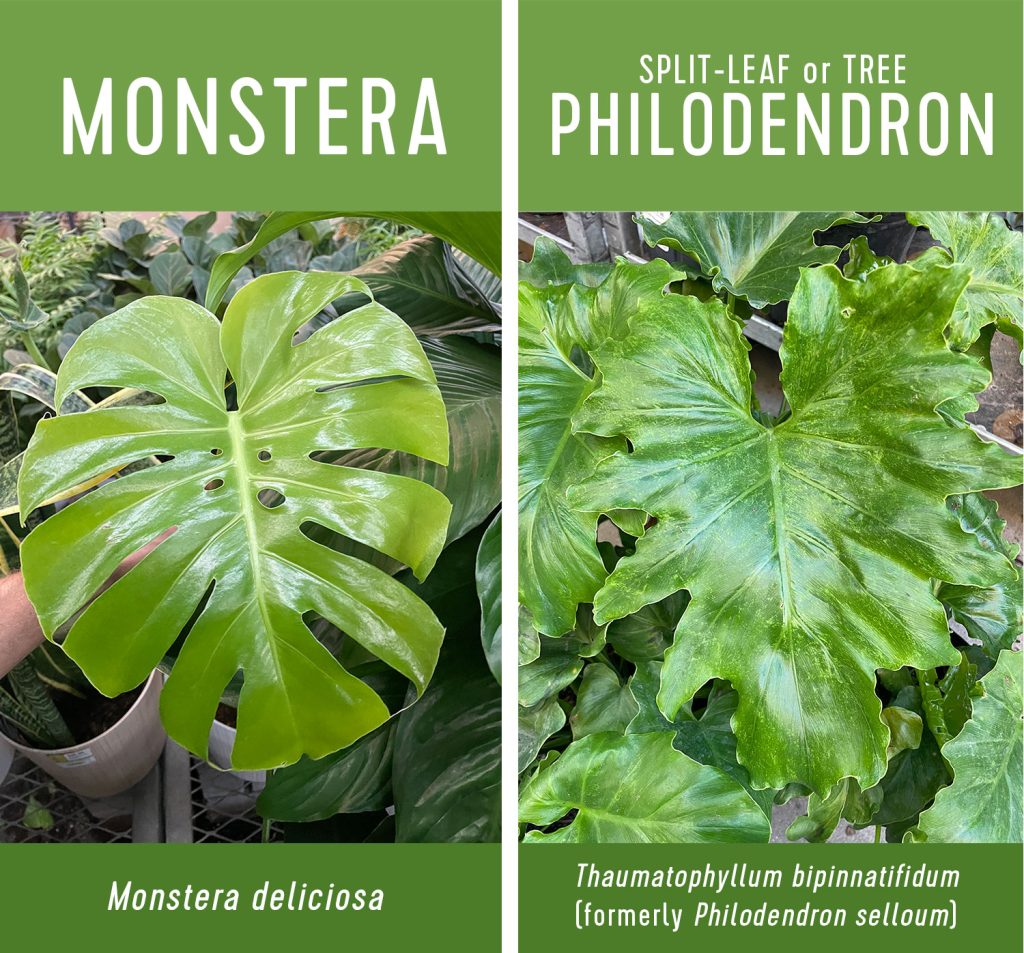
Monstera and Split Leaf Philodendron are two popular houseplants. Both have large, attractive leaves, but they are different plants.
Choosing between Monstera and Split Leaf Philodendron can be confusing. Many plant lovers mix them up. Understanding their differences helps in caring for them better. This comparison will guide you through their unique traits, care needs, and which might be better for your home.
Dive in to learn more about these beautiful plants and find the best fit for your space.

Origins And Natural Habitat
Monstera originates from tropical Central America, thriving in humid, shaded forests. Split Leaf Philodendron, native to South America, prefers tropical rainforests.
The origins and natural habitats of Monstera and Split Leaf Philodendron are fascinating. These plants come from diverse regions and thrive in unique environments. Understanding their backgrounds can help in caring for them better.Monstera Origins
Monstera plants originate from the tropical forests of Central and South America. They are native to countries like Mexico, Panama, and Colombia. Monstera thrives in the understory of the rainforest. This means they grow beneath the forest canopy. They climb trees and spread across the forest floor. The humid and shaded environment is perfect for their growth. The large, perforated leaves help them capture sunlight efficiently.Split Leaf Philodendron Origins
Split Leaf Philodendron, or Philodendron bipinnatifidum, hails from South America. They are native to regions like Brazil, Argentina, and Paraguay. These plants grow in tropical and subtropical climates. They often thrive near rivers and wetlands. The natural habitat provides them with plenty of moisture. Unlike Monstera, they do not climb as much. Instead, they spread across the ground, forming dense foliage. The split leaves help them adapt to varying light conditions. Understanding the origins and natural habitats of these plants is essential. It helps provide the right care and environment for them at home. “`Plant Appearance
Monstera and Split Leaf Philodendron are often confused due to their similar look. But, their differences in appearance make each unique. This section will dive into their distinct characteristics.
Leaf Shape And Size
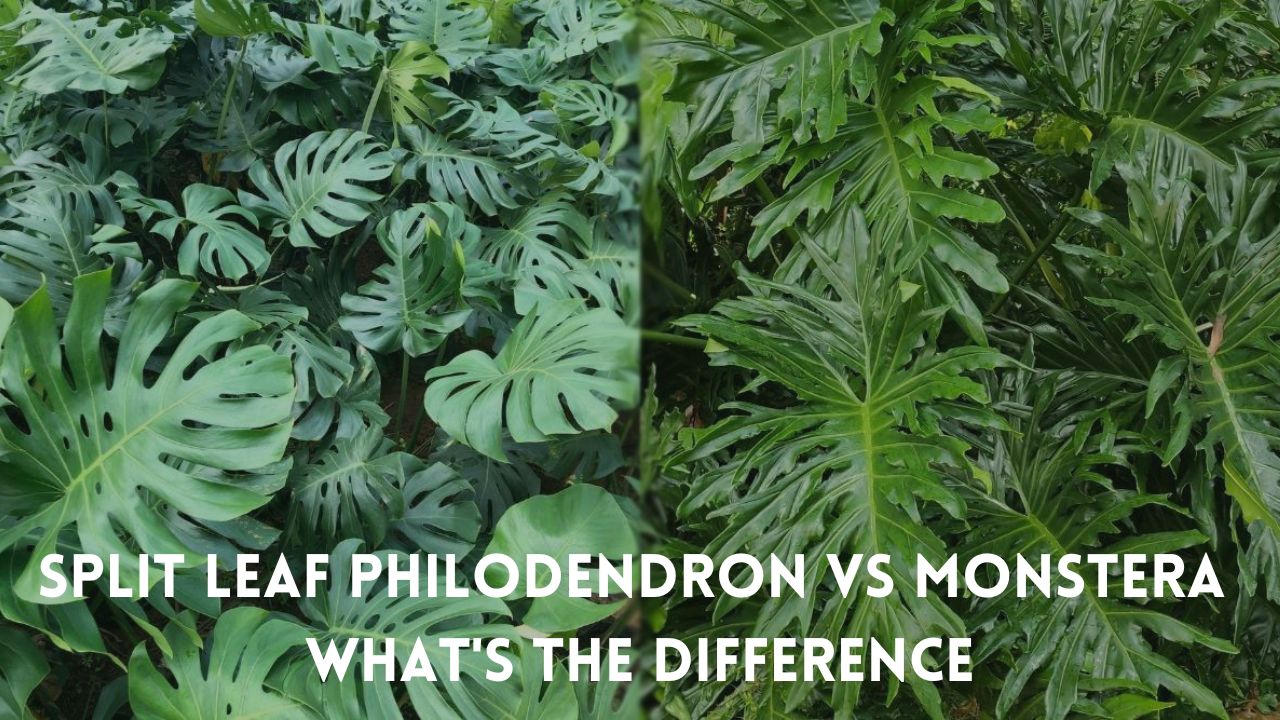
Monstera leaves are large and have holes or splits called fenestrations. The shape is heart-like with a glossy finish. A mature Monstera leaf can grow up to 3 feet wide.
Split Leaf Philodendron leaves are also large but usually have deep cuts rather than holes. They are more oval in shape and can reach up to 2 feet wide. Both plants have lush, green leaves that add a tropical feel to any space.
Growth Patterns
Monstera plants grow as vines, climbing up supports or trailing down. They have aerial roots that help them cling to surfaces. Monstera can grow up to 10-15 feet indoors.
Split Leaf Philodendron grows as a bushy plant with a more compact shape. Its stems are thicker and it doesn’t climb as much. This plant can reach up to 6 feet in height indoors.
| Feature | Monstera | Split Leaf Philodendron |
|---|---|---|
| Leaf Shape | Heart-shaped with holes | Oval with deep cuts |
| Leaf Size | Up to 3 feet wide | Up to 2 feet wide |
| Growth Pattern | Climbing vine | Bushy and compact |
| Height Indoors | 10-15 feet | Up to 6 feet |
Understanding these differences helps in choosing the right plant for your space.
Care Requirements
Monstera and Split Leaf Philodendron are popular houseplants. Both have similar care needs. But, there are some differences. Let’s explore their watering needs and light preferences.
Watering Needs
Monstera needs moderate watering. Water them when the top inch of soil is dry. Overwatering can cause root rot. Make sure the pot has drainage holes.
Split Leaf Philodendron has similar watering needs. Allow the soil to dry out between waterings. Too much water can harm the plant. Use a pot with good drainage.
Light Preferences
Monstera thrives in bright, indirect light. Avoid direct sunlight. It can scorch the leaves. A spot near a window works well.
Split Leaf Philodendron prefers bright, indirect light too. But, it can tolerate lower light. Direct sun can damage the leaves. Place it in a well-lit room.
| Plant | Watering Needs | Light Preferences |
|---|---|---|
| Monstera | Moderate; water when top inch of soil is dry | Bright, indirect light |
| Split Leaf Philodendron | Moderate; allow soil to dry between waterings | Bright, indirect light; tolerates lower light |
Soil And Potting
Monstera and Split Leaf Philodendron both thrive in well-draining soil. A mix of peat moss and perlite works well for these plants.
Choosing the right soil and potting method is crucial. Both Monstera and Split Leaf Philodendron thrive in specific conditions. Understanding their needs will help them grow healthy and strong.Soil Types
Monstera plants prefer well-draining soil. A mix of potting soil, peat moss, and perlite works well. This blend provides the right balance of moisture and air. Split Leaf Philodendrons need similar soil. Use a mix of potting soil, peat moss, and vermiculite. This combination ensures good drainage and keeps the roots healthy.Repotting Tips
Repot Monstera plants every two years. Choose a pot one size larger than the current one. This allows the roots to expand. For Split Leaf Philodendrons, repot every two to three years. Use a pot with drainage holes. This prevents waterlogging and root rot. After repotting, water the plants well. This helps settle the soil around the roots. Keep the plants in a shaded area for a few days. This reduces transplant shock. “`Common Problems
Both Monstera and Split Leaf Philodendron are popular houseplants. Yet, they can face several common problems. These issues can affect their health and appearance. Understanding these problems can help keep your plants thriving.
Pests And Diseases
Monstera and Split Leaf Philodendron can attract pests. Common pests include:
- Spider mites
- Mealybugs
- Aphids
These pests can suck sap from the leaves. This causes yellowing and weakened plants. Regularly inspect your plants for these pests. Use insecticidal soap or neem oil to manage infestations.
Diseases can also be a problem. Root rot is a common disease. It is caused by overwatering. Ensure proper drainage to prevent root rot. Fungal infections can also occur. Remove affected leaves and use a fungicide.
Signs Of Stress
Stress in Monstera and Split Leaf Philodendron can show in various ways. Look for these signs:
- Yellowing leaves
- Brown leaf tips
- Wilting
Yellowing leaves can indicate overwatering or underwatering. Check the soil moisture. Adjust your watering schedule accordingly. Brown leaf tips often result from low humidity. Increase humidity by misting the plant or using a humidifier.
Wilting can be caused by several factors. It could be due to underwatering, overwatering, or too much direct sunlight. Ensure your plant gets the right amount of light and water.
By addressing these common problems, you can help your Monstera and Split Leaf Philodendron flourish. Regular care and attention are key to keeping your plants healthy.

Propagation Methods
Propagation methods for plants can be both exciting and rewarding. Monstera and Split Leaf Philodendron are popular choices for indoor gardeners. Understanding how to propagate these plants can help you grow your collection without spending extra money. In this section, we will explore the propagation methods for Monstera and Split Leaf Philodendron.
Monstera Propagation
Monstera plants are often propagated through stem cuttings. Choose a healthy stem with at least one node and an aerial root. Cut the stem just below the node using a clean, sharp tool. Place the cutting in water or directly into soil. If using water, ensure the node is submerged. Change the water weekly to prevent mold. Once roots form, transfer the cutting to soil. Keep the soil moist but not waterlogged. Provide bright, indirect light for the best growth.
Philodendron Propagation
Split Leaf Philodendron can be propagated using similar methods. Select a healthy stem with at least one node. Cut below the node using a clean, sharp tool. Place the cutting in water or soil. Ensure the node is submerged if using water. Change the water regularly to keep it clean. When roots appear, move the cutting to soil. Keep the soil consistently moist. Provide bright, indirect light to encourage growth.
Popularity And Uses
Monstera and Split Leaf Philodendron have gained immense popularity among plant lovers. Their unique leaves and easy care make them favorites for indoor spaces. Both plants add a tropical touch to homes and offices.
Decorative Uses
Monstera plants are often used as focal points in living rooms. Their large, fenestrated leaves create a bold statement. They thrive in bright, indirect light, enhancing any corner.
Split Leaf Philodendron also offers decorative value. Its deeply lobed leaves bring texture and interest to interiors. This plant fits well in both modern and traditional settings.
Cultural Significance
Monstera holds cultural importance in many tropical regions. It symbolizes long life and respect in certain cultures. Some people believe it brings positive energy to homes.
Split Leaf Philodendron has its own significance. In some cultures, it is seen as a symbol of health and prosperity. It’s often gifted to wish good luck and success.
Frequently Asked Questions
What Is The Difference Between Monstera And Split Leaf Philodendron?
Monstera and Split Leaf Philodendron are different plants. Monstera has fenestrated leaves, while Split Leaf Philodendron has deeply lobed leaves. Both require similar care.
How Do You Care For A Monstera?
Monstera needs indirect light, regular watering, and well-draining soil. Keep the humidity high and prune occasionally.
Are Monstera And Split Leaf Philodendron Toxic To Pets?
Yes, both Monstera and Split Leaf Philodendron are toxic to pets. Keep them out of reach from cats and dogs.
Can Monstera Grow In Low Light?
Monstera can tolerate low light but grows best in bright, indirect light. Low light may slow its growth.
Conclusion
Choosing between Monstera and Split Leaf Philodendron can be tough. Both plants are beautiful and easy to care for. Consider your space and light conditions. Monstera thrives in bright, indirect light. Split Leaf Philodendron tolerates low light well. Think about the look you want.
Monstera has larger, dramatic leaves. Split Leaf Philodendron has a more compact, bushy form. Either way, both will add green beauty to your home. Happy planting!
Leave a Reply