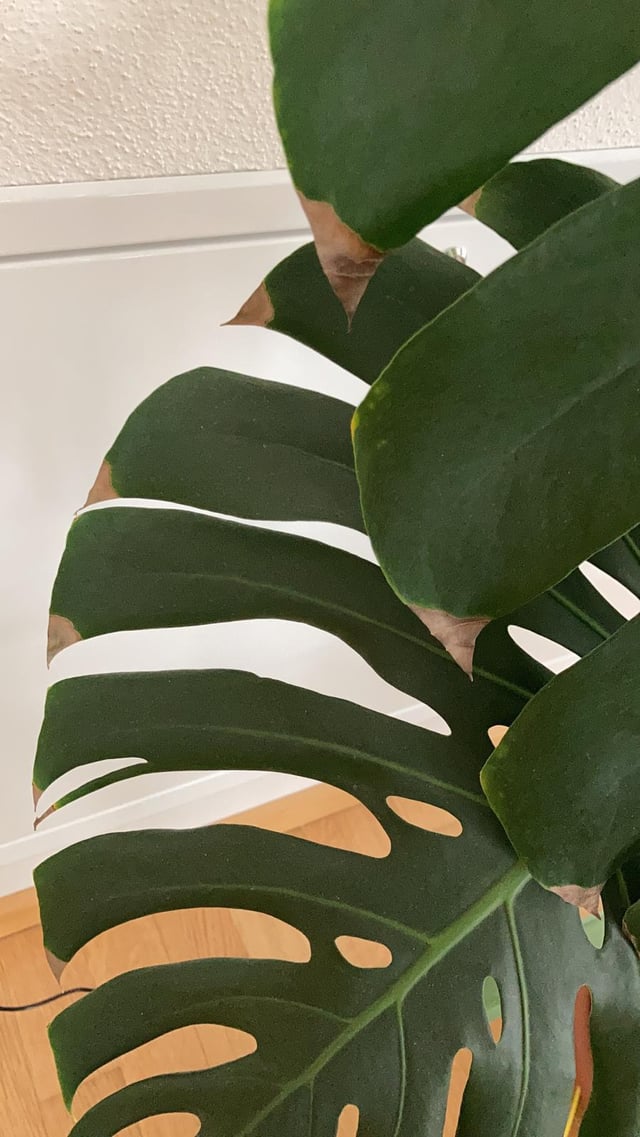
Monstera plants are popular indoor plants with striking, unique leaves. Their care can seem daunting to beginners.
Monstera plants, known for their large, perforated leaves, add a touch of the tropics to any home. These beauties, often called Swiss Cheese Plants, thrive with the right attention. Are you eager to help your Monstera flourish? Understanding the basics of light, water, and soil can make all the difference.
In this guide, we’ll share essential tips to keep your Monstera happy and healthy. Whether you’re a new plant parent or looking to improve your green thumb, these tips will ensure your Monstera becomes a stunning focal point in your space. Ready to dive in? Let’s explore the best ways to care for your Monstera.
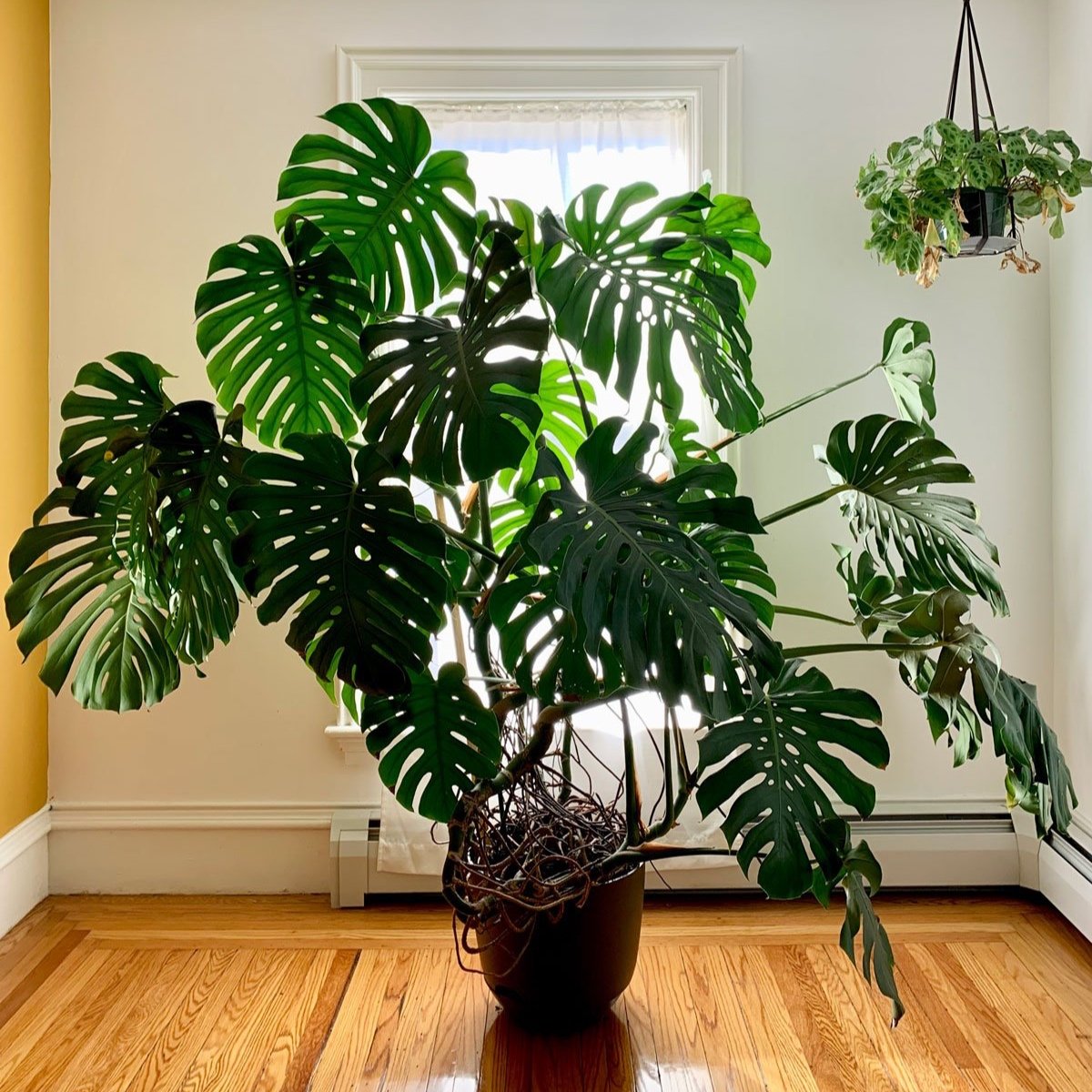
Introduction To Monstera Plants
Monstera plants have become popular in homes worldwide. Their unique leaves and easy care make them a favorite. But what makes Monstera plants special? Let’s dive into their fascinating world.
Origin And History
Monstera plants come from tropical forests. They grow in Central and South America. The name “Monstera” means monstrous. This refers to their large, hole-filled leaves.
These plants have been around for centuries. Indigenous people used them for food and medicine. In the 20th century, Monstera became popular in Europe and the US. Today, they are a trendy houseplant globally.
Popular Varieties
There are many Monstera varieties. Monstera Deliciosa is the most common. It has large, split leaves. Another popular type is Monstera Adansonii. Its leaves have many holes, giving it the nickname “Swiss Cheese Plant.”
Monstera Borsigiana is a smaller variety. It looks like Monstera Deliciosa but grows faster. Monstera Obliqua is rare and sought after. Its leaves are mostly holes, making it unique.
Each variety has its charm. Choose one that fits your home and style.
Choosing The Right Environment
Monstera plants, also known as Swiss Cheese Plants, thrive in specific conditions. Understanding and providing these conditions ensures your Monstera stays healthy and vibrant. Let’s explore the key factors that contribute to the ideal environment for your Monstera.
Ideal Lighting Conditions
Monstera plants prefer bright, indirect light. Direct sunlight can scorch the leaves, causing damage. Place your Monstera near a window with filtered light. If natural light is limited, a grow light can be a good alternative. Aim for at least 6-8 hours of light daily.
Temperature And Humidity Requirements
Monsteras thrive in temperatures between 65°F and 75°F (18°C – 24°C). Avoid placing them near drafts or sudden temperature changes. High humidity is also crucial for Monsteras. Aim for 60-80% humidity levels.
Here are some tips to maintain humidity:
- Use a humidifier.
- Mist the leaves regularly.
- Place the plant on a tray with water and pebbles.
By following these guidelines, you can create a perfect environment for your Monstera to flourish.
Planting And Potting
Planting and potting your Monstera plant is essential for its growth. This section will guide you through soil selection and choosing the right pot types and sizes.
Soil Selection
Choosing the right soil is crucial for your Monstera. The soil should be well-draining yet retain some moisture. A good mix includes:
- Peat moss
- Perlite
- Pine bark
You can also use a pre-mixed potting soil for aroids. This mix provides the right balance of aeration and moisture.
Pot Types And Sizes
The pot type and size can affect your Monstera’s health. Choose a pot with drainage holes. This prevents root rot by allowing excess water to escape.
For pot size, follow these guidelines:
| Plant Size | Pot Size |
|---|---|
| Small Monstera | 6-8 inches |
| Medium Monstera | 8-10 inches |
| Large Monstera | 10-12 inches |
Repot your Monstera every 1-2 years. This helps prevent the roots from becoming root-bound.
Remember to increase the pot size by 2 inches each time you repot.
Watering Guidelines
Monstera plants thrive with proper watering. Overwatering or underwatering can harm them. Follow these guidelines to ensure your Monstera stays healthy and vibrant.
Frequency And Amount
Water your Monstera once a week. Use room-temperature water. Ensure the soil is dry before watering again. Pour water until it drains from the bottom. Avoid letting the plant sit in water.
Signs Of Overwatering And Underwatering
Overwatering can cause yellowing leaves and root rot. Check if the soil is wet and smells bad. Underwatering can cause brown, crispy edges on leaves. The soil will feel dry and hard.
Monitor the soil and leaves. Adjust watering as needed. Your Monstera will thank you!
Nutrient Requirements
Monstera plants thrive with proper nutrients. Understanding their nutrient needs helps them grow strong and healthy. This section covers essential information on the types of fertilizers and feeding schedules for Monstera plants.
Fertilizer Types
Choosing the right fertilizer for Monstera plants is crucial. There are several types to consider:
- Liquid Fertilizers: Easy to use and quickly absorbed by the plant.
- Granular Fertilizers: Provide slow-release nutrients, ideal for long-term feeding.
- Organic Fertilizers: Environmentally friendly and improve soil health.
Each type has its benefits. Liquid fertilizers offer immediate nutrient availability. Granular fertilizers provide a steady nutrient supply. Organic fertilizers enrich the soil naturally.
Feeding Schedule
Maintaining a consistent feeding schedule is important for Monstera plants. Follow these guidelines for optimal growth:
- Spring and Summer: Feed every 2-4 weeks. Use a balanced fertilizer.
- Fall: Reduce feeding to once a month. Plants need less during this time.
- Winter: Skip feeding. Monstera plants rest during the colder months.
Over-fertilizing can harm your Monstera. Always follow the instructions on the fertilizer package.
Regular feeding ensures your Monstera gets the nutrients it needs. Adjust the schedule based on the plant’s growth and health.
Pruning And Maintenance
Proper pruning and maintenance are essential for the health of your Monstera plant. Regular care helps manage growth and keeps the plant looking its best. Let’s dive into some practical tips for pruning and maintaining your Monstera.
Trimming Techniques
Trimming your Monstera is simple. Use clean, sharp scissors or pruning shears. Always cut just above a leaf node to encourage new growth. Remove any dead or yellow leaves to keep the plant healthy.
For larger leaves, cut them back if they start to look crowded. This helps air circulation and prevents disease. Make sure not to cut too much at once. Prune small sections to avoid shock to the plant.
Here is a quick guide for trimming:
| Action | Description |
|---|---|
| Remove Dead Leaves | Cut at the base of the stem. |
| Trim Large Leaves | Cut just above a leaf node. |
| Thin Crowded Areas | Prune small sections at a time. |
Managing Growth
Monsteras can grow quite large. Managing their growth is important for indoor plants. Regular pruning helps control size. You can also use a trellis or support stakes to guide the plant.
Repotting is another way to manage growth. Monsteras prefer well-draining soil. Repot every 1-2 years to refresh the soil and give roots more space. Choose a pot that is slightly larger than the current one.
Follow these steps to repot your Monstera:
- Remove the plant from the current pot.
- Gently shake off old soil from the roots.
- Place the plant in the new pot with fresh soil.
- Water thoroughly after repotting.
Proper pruning and maintenance ensure your Monstera thrives and looks beautiful. Regular care helps manage growth and keeps the plant healthy.
Common Pests And Diseases
Monstera plants often face pests like spider mites and aphids. Common diseases include root rot and leaf spot. Regular inspection helps keep these issues at bay.
Monstera plants are popular for their beautiful, large leaves. But they can fall victim to pests and diseases. These issues can affect their growth and overall health. Knowing what to look for and how to treat these problems is crucial.Identification And Treatment
Common pests that attack Monstera include spider mites, scale insects, and mealybugs. Spider mites are tiny and create web-like structures on leaves. Scale insects appear as small, brown bumps on stems and leaves. Mealybugs look like small, white cotton patches. To treat these pests, you can use insecticidal soap or neem oil. Spray the affected areas thoroughly. For severe infestations, consider using a systemic insecticide. Always follow the instructions on the product label. Diseases such as root rot and leaf spot can also harm your Monstera. Root rot often occurs from overwatering. Signs include yellowing leaves and mushy roots. Remove affected roots and repot in fresh soil. Leaf spot shows as brown or black spots on leaves. Trim off infected leaves and ensure good air circulation around the plant.Preventive Measures
Preventing pests and diseases is easier than treating them. Regularly inspect your Monstera for early signs of trouble. Keep the plant clean by wiping leaves with a damp cloth. This removes dust and potential pests. Ensure proper watering practices. Overwatering can lead to root rot. Water only when the top inch of soil is dry. Provide good drainage to prevent water from sitting in the pot. Maintain good air circulation around your Monstera. This helps prevent fungal diseases. Avoid overcrowding your plants. Space them out to allow air to flow freely. Quarantine new plants before adding them to your collection. This helps prevent introducing pests and diseases to your existing plants. Monitor them for a few weeks for any signs of trouble. By following these tips, you can keep your Monstera healthy and thriving. “`
Propagation Methods
Propagating your Monstera plant can be both fun and rewarding. You can choose from various methods to expand your plant collection. This section covers two popular methods: Stem Cuttings and Air Layering. Each has its own unique process and benefits.
Stem Cuttings
One simple way to propagate your Monstera is through stem cuttings. Follow these steps to ensure success:
- Choose a healthy stem with at least one node.
- Cut the stem below the node using a clean, sharp knife.
- Remove any leaves near the bottom of the cutting.
- Place the cutting in water or soil, ensuring the node is submerged.
- Keep the cutting in a warm, bright spot, but out of direct sunlight.
- Change the water regularly if using a water propagation method.
- Wait for roots to develop, which can take a few weeks.
- Once roots are established, transfer the cutting to soil.
Stem cuttings are easy and effective. They allow you to create new plants quickly.
Air Layering
Another method for propagating Monstera is air layering. This technique encourages roots to form while the cutting is still attached to the parent plant. Follow these steps:
- Select a healthy stem with a node.
- Make a small cut on the stem, just below the node.
- Wrap moist sphagnum moss around the cut area.
- Cover the moss with plastic wrap and secure it with tape.
- Keep the moss moist by misting it regularly.
- In a few weeks, roots will start to form in the moss.
- Once roots are visible, cut the stem below the new roots.
- Plant the new cutting in soil.
Air layering is an excellent method for larger stems. It allows for a higher success rate.
Troubleshooting Common Issues
Monstera plants are popular for their unique, large leaves. But sometimes, they face issues that puzzle even experienced plant owners. This section helps you troubleshoot common problems with your Monstera. It focuses on two main issues: yellowing leaves and root rot.
Yellowing Leaves
Yellowing leaves can signal different problems. Most often, it’s due to overwatering. Monsteras need well-draining soil. Water them only when the top inch of soil is dry. Another cause could be insufficient light. Monsteras thrive in bright, indirect light. Move your plant closer to a window. Nutrient deficiencies might also be to blame. Use a balanced, water-soluble fertilizer every month during the growing season.
Root Rot
Root rot is a serious issue for Monsteras. It usually happens due to waterlogged soil. Always use a pot with drainage holes. If you see mushy, brown roots, it’s time to act. Remove the plant from its pot. Cut away the affected roots with sterilized scissors. Repot your Monstera in fresh, well-draining soil. Avoid watering for a few days to let the roots recover.

Frequently Asked Questions
How Often Should I Water My Monstera?
Water your Monstera when the top inch of soil is dry. Overwatering can lead to root rot. Always check the soil moisture before watering.
What Kind Of Light Does Monstera Need?
Monstera thrives in bright, indirect light. Avoid direct sunlight as it can scorch the leaves. Low light can slow growth.
Why Are My Monstera Leaves Turning Yellow?
Yellow leaves can indicate overwatering or poor drainage. Ensure proper watering habits and check for root rot. Adjust light conditions if necessary.
How Do I Propagate Monstera?
Propagate Monstera through stem cuttings. Place the cutting in water or soil. Ensure it has a node. Keep it in indirect light.
Conclusion
Caring for your Monstera can be simple with the right tips. Keep the soil moist, but not waterlogged. Ensure bright, indirect light for healthy growth. Regularly check for pests and remove yellow leaves. A little love and attention go a long way.
Enjoy your thriving, beautiful Monstera plant. Happy gardening!
Leave a Reply