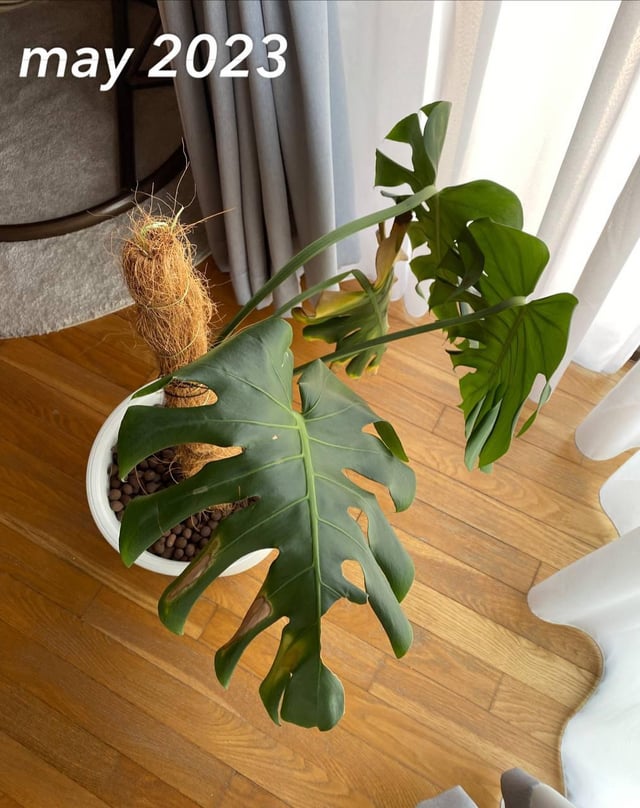
You repotted your Monstera, and now it has stopped growing. This can be worrying for plant lovers.
Monstera plants are popular for their large, beautiful leaves. When you repot them, they sometimes go into shock. This can cause them to stop growing. It’s important to understand why this happens. Repotting can stress the plant. The roots need time to adjust to the new soil.
This period can make the plant pause its growth. Various factors can influence this process. These include the type of soil, pot size, and watering routine. Knowing these can help you take better care of your Monstera. It will also help the plant start growing again.

Common Causes
Repotting your Monstera can sometimes lead to it stopping its growth. Understanding the common causes behind this issue can help you revive your plant. Let’s explore the reasons your Monstera might halt its growth after repotting.
Root Damage
Roots can get damaged during the repotting process. Damaged roots struggle to absorb water and nutrients. This can slow down or stop the plant’s growth. Be gentle with the roots during repotting. Inspect them for any signs of breakage or rot. Healthy roots are firm and white. Trim any damaged sections before repotting.
Shock From Repotting
Repotting can cause stress to your Monstera. This is often called transplant shock. Plants need time to adjust to their new environment. During this period, growth may slow down or stop. Provide a stable environment for your Monstera. Ensure it gets the right amount of light and water. Avoid moving it frequently. This helps reduce shock and promotes recovery.

Identifying Symptoms
After repotting your Monstera, you might notice it stopped growing. Identifying the symptoms early can help you fix the problem. Two common symptoms are yellowing leaves and wilting. Let’s explore these in detail.
Yellowing Leaves
One of the first signs your Monstera is stressed is yellowing leaves. Yellow leaves can indicate overwatering or poor drainage. The roots may be sitting in water, leading to root rot. Yellow leaves can also signal a lack of nutrients. Consider the following:
- Check soil moisture levels.
- Ensure your pot has drainage holes.
- Use a well-draining soil mix.
If the problem persists, you might need to repot again, ensuring proper conditions.
Wilting
Wilting is another clear symptom of stress in your Monstera. Wilting leaves often mean the plant is not getting enough water. It could also indicate root damage from the repotting process. To address wilting:
- Water the plant thoroughly.
- Ensure the soil is consistently moist but not waterlogged.
- Check for signs of root damage or rot.
If the roots are damaged, your Monstera will struggle to absorb water. Proper care can help the plant recover and start growing again.
Proper Watering Techniques
Repotting your Monstera can be a stressful event for the plant. One common issue is that it might stop growing. Proper watering techniques can significantly help in ensuring your Monstera continues to thrive. Understanding the right frequency and amount of water is crucial.
Frequency
Watering frequency is essential for your Monstera’s health. Overwatering or underwatering can harm the plant. After repotting, it is vital to give the plant time to adjust. Here is a simple guide to follow:
- Check the soil moisture every few days.
- Water when the top 2-3 inches of soil are dry.
- Reduce watering frequency in colder months.
Amount
Knowing how much water to give is equally important. Too much water can lead to root rot, while too little can cause the plant to dry out. Follow these tips to ensure your Monstera gets the right amount:
- Water until it runs out of the drainage holes.
- Ensure the pot has proper drainage to avoid waterlogging.
- Adjust the amount based on the size of the pot.
By following these proper watering techniques, you can help your Monstera recover and continue to grow after repotting.
Ideal Soil Conditions
Repotting a Monstera plant can often lead to a halt in growth. One critical aspect to consider is the soil conditions. The right soil can make a significant difference in your Monstera’s health and growth. Let’s explore the ideal soil conditions to get your Monstera thriving again.
Soil Type
The soil type plays a crucial role in your Monstera’s growth. Monstera plants prefer well-draining soil. A mix that allows water to flow easily is ideal. You can use a combination of potting soil, perlite, and orchid bark. This mix ensures that the roots have enough air circulation. It also prevents water from staying too long, which can cause root rot.
Nutrients
Nutrients in the soil are vital for your Monstera’s growth. Ensure the soil is rich in organic matter. Adding compost can provide essential nutrients. A balanced fertilizer can also help. Look for one with equal parts nitrogen, phosphorus, and potassium. This balance supports healthy leaf and root development. Feed your Monstera every month during the growing season for best results.
Optimal Light Exposure
Understanding the light needs of your Monstera is key to its growth. After repotting, your plant might seem stunned or slow to grow. One crucial factor in this is the light exposure. Ensuring your Monstera gets the right amount of light can make a big difference. Let’s dive into the details.
Natural Light
Monstera plants love bright, indirect sunlight. Direct sunlight can harm the leaves. Place your Monstera near a window with filtered light. East or west-facing windows work well. Avoid too much direct sun, which can cause leaf burn. Rotate your plant occasionally. This helps it grow evenly.
Artificial Light
Sometimes, natural light isn’t enough. Especially during winter months. Consider using artificial lights to supplement. LED grow lights are a good choice. They provide the right spectrum for plant growth. Position the light about 12 inches above the plant. Keep it on for 12-16 hours a day. Monitor your Monstera for any signs of light stress.
Temperature And Humidity
Monstera plants can sometimes stop growing after repotting. Temperature and humidity play a key role in their growth. Ensuring the right conditions can help your Monstera thrive.
Temperature Range
Monstera plants prefer temperatures between 65°F and 85°F. Avoid exposing them to temperatures below 55°F. Consistent temperatures help the plant recover after repotting.
Keep your Monstera away from drafts. Sudden temperature changes can stress the plant. Place your Monstera in a stable environment.
Humidity Levels
Monstera plants thrive in high humidity. Aim for humidity levels between 60% and 80%. Low humidity can cause the plant to stop growing.
Increase humidity by misting the leaves regularly. You can also use a humidifier. Placing the plant on a pebble tray with water can help too.
Ensure proper ventilation. This prevents mold and keeps the plant healthy. Happy Monstera plants grow well in the right humidity.
Fertilizing Tips
After repotting your Monstera, you might notice it has stopped growing. This can be frustrating. Proper fertilizing can help your Monstera regain its vitality. Let’s explore some essential fertilizing tips to get your plant thriving again.
Type Of Fertilizer
Choosing the right fertilizer is crucial. Use a balanced, water-soluble fertilizer. A common ratio is 20-20-20. This means it contains equal parts of nitrogen, phosphorus, and potassium. These nutrients support healthy growth and vibrant leaves. Avoid over-fertilizing, as it can harm the plant.
Application Schedule
Consistency is key when fertilizing your Monstera. Apply the fertilizer every four to six weeks. During the growing season, which is spring and summer, your Monstera needs more nutrients. In fall and winter, reduce the frequency. This helps the plant rest during its dormant period. Always follow the instructions on the fertilizer package for best results.
Monitoring Progress
After repotting your Monstera, keeping a close eye on its progress is essential. Repotting can be a stressful event for plants. Ensuring they adapt well to their new environment is crucial. Regular monitoring helps you spot any issues early. This ensures your Monstera remains healthy and continues to thrive.
New Growth
Observe your Monstera for signs of new growth. New leaves or shoots indicate the plant is adapting well. Look for fresh, healthy green leaves emerging from the stems. If you notice new growth, your plant is on the right track. New growth usually appears within a few weeks after repotting.
Overall Health
Assess the overall health of your Monstera. Check the leaves for any signs of yellowing or browning. Healthy leaves should be vibrant and free from spots or damage. Inspect the soil and ensure it remains moist but not waterlogged. Proper soil moisture supports root health and overall plant vitality.
Evaluate the stems and roots for any signs of rot or damage. Healthy stems should be firm and upright. Roots should be white and firm, not mushy. Regular checks will help you address any issues promptly. A healthy Monstera will recover quickly and continue to grow beautifully.
Frequently Asked Questions
Why Did My Monstera Stop Growing After Repotting?
Repotting can cause shock, slowing growth temporarily. Ensure proper soil, watering, and light conditions to help recovery.
How Can I Help My Monstera Recover?
Provide consistent care: proper watering, adequate light, and suitable soil. Avoid overwatering and keep the environment stable.
Should I Fertilize My Monstera After Repotting?
Wait a few weeks before fertilizing. Allow the plant to adjust to its new pot first.
How Long Does Repotting Shock Last?
Repotting shock can last a few weeks. Be patient and provide optimal care to help recovery.
Conclusion
Your Monstera can thrive again with some care and patience. Ensure proper light and watering. Check the soil and pot for drainage. Trim any damaged roots. Give it time to adjust. Healthy growth will return soon. Happy gardening!
Leave a Reply