Monstera plants are beloved for their striking, split leaves. This unique feature often starts as the plant matures.
Noticing your Monstera starting to split is exciting. These splits, also known as fenestrations, are a natural part of the plant’s growth. They not only add beauty but also help the plant adapt to its environment. Understanding why and how these splits happen can help you care for your Monstera better.
This guide will explain the reasons behind this fascinating process and what you can do to support your plant. Get ready to learn about the magic of Monstera leaves splitting and how to encourage healthy growth.

Introduction To Monstera Splits
Monstera plants are loved for their unique and beautiful leaves. A significant feature is the split in their leaves. This process can fascinate many plant enthusiasts. Let’s explore why these splits occur.
What Are Leaf Splits?
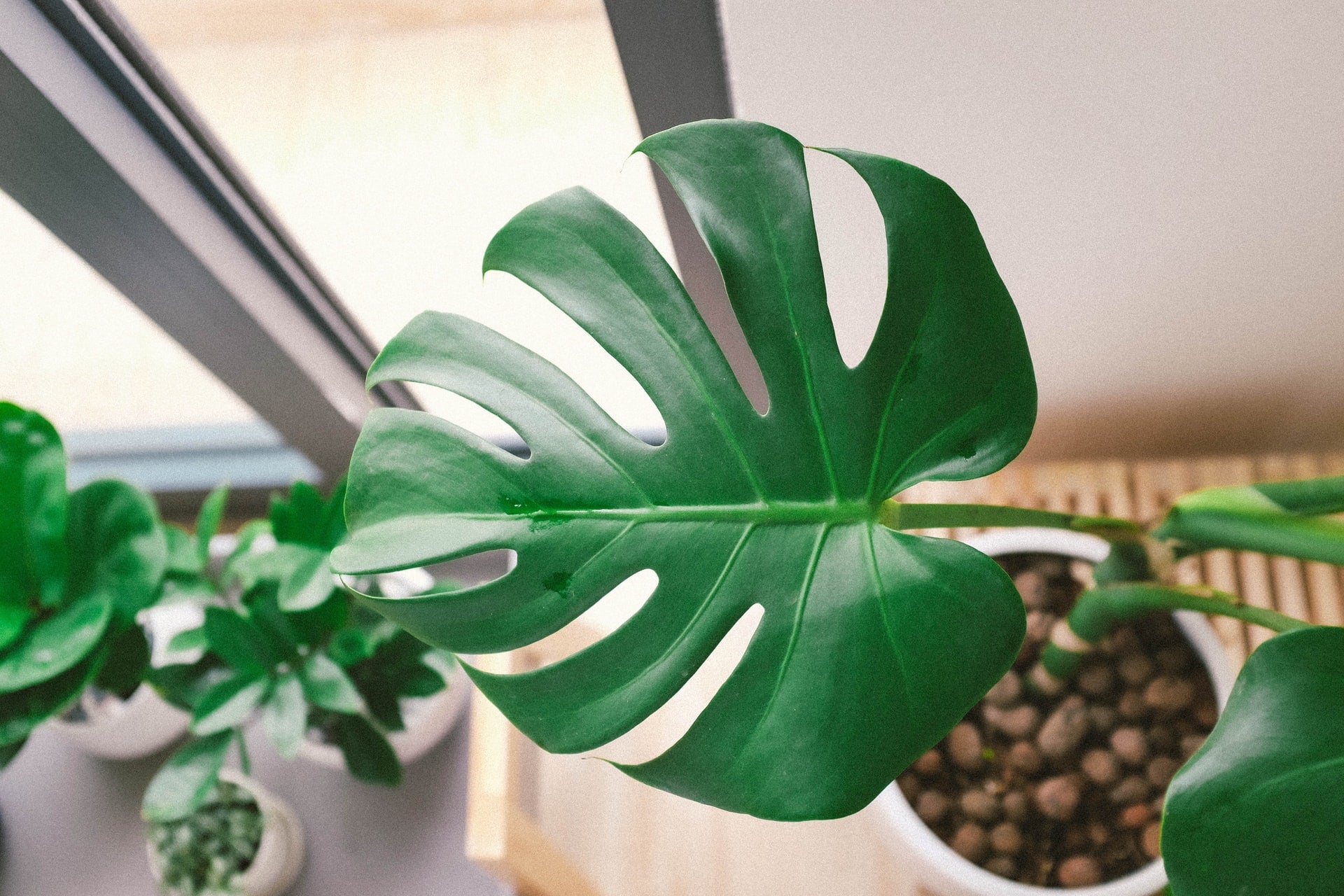
Leaf splits are natural cuts or holes in Monstera leaves. They appear as the plant matures. These splits can vary in size and shape. They give the Monstera its signature look.
Significance Of Splits
Splits are not just for beauty. They have a purpose. They help the plant in its natural habitat. The splits allow light to pass through to lower leaves. This helps the plant get more sunlight.
They also help the plant withstand strong winds. The splits reduce the surface area. This makes the leaves less likely to tear. Splits are a sign of a healthy, maturing Monstera.
Ideal Growing Conditions
Providing the ideal growing conditions for your Monstera plant is key to its health. These conditions help it develop those beautiful, iconic splits in its leaves. Let’s explore the essential aspects that promote optimal growth for your Monstera.
Light Requirements
Monsteras thrive in bright, indirect light. Direct sunlight can scorch their leaves. Place your Monstera near a window with filtered light for best results. North or east-facing windows work well. If your room is too dim, consider using a grow light. Consistent lighting helps the plant grow strong and healthy.
Optimal Temperature
Monsteras prefer temperatures between 65-85°F (18-29°C). Avoid placing them in areas with drafts or sudden temperature changes. They do not tolerate cold well. Keep them away from air conditioners and heaters. A stable, warm environment promotes healthy leaf development.
Proper Watering Techniques
Keeping your Monstera healthy requires the right watering techniques. Knowing how much and how often to water is key. Too much or too little can harm your plant. Let’s explore the best ways to water your Monstera.
Water Frequency
Watering frequency depends on various factors. These include your climate, the season, and the pot size. Generally, water your Monstera every 1-2 weeks. Check the soil before watering. The top inch should be dry to touch. This helps prevent overwatering.
Signs Of Overwatering
Overwatering can lead to root rot. Look for yellowing leaves and a musty smell. These are signs of overwatering. The soil may also feel soggy. Ensure proper drainage. This helps keep roots healthy.
Soil And Potting Needs
Monstera plants are known for their beautiful, split leaves. To help your Monstera thrive and start to split, it is essential to focus on its soil and potting needs. The right soil mix and pot can make a significant difference in its growth.
Best Soil Mix
Monstera plants prefer well-draining soil. A mix of peat moss, perlite, and pine bark works well. Peat moss retains moisture without waterlogging the roots. Perlite ensures proper aeration, helping roots breathe. Pine bark adds organic matter and promotes healthy growth.
Avoid dense soils that retain too much water. They can cause root rot. Regular potting soil may not drain well enough. Mixing your own soil ensures the right balance.
Choosing The Right Pot
The pot size and type are crucial for Monstera growth. Choose a pot with drainage holes. This prevents water from sitting at the bottom, which can harm the roots.
Monstera plants need room to grow. Select a pot that allows for future growth. A pot that’s too small restricts root development. A pot that’s too large can lead to overwatering issues.
Terracotta pots are a good option. They allow moisture to evaporate, preventing waterlogged soil. Plastic pots retain moisture longer, which can be risky.
Nutrient And Fertilizer Tips
Caring for your Monstera means ensuring it gets the right nutrients. Proper fertilization helps your Monstera grow healthy and start to split. But, how do you know what it needs? Here are some tips.
Essential Nutrients
Monsteras need a mix of essential nutrients. Nitrogen, phosphorus, and potassium are vital. Nitrogen promotes leaf growth. Phosphorus aids in root development. Potassium helps the plant resist diseases.
Trace minerals also matter. These include magnesium, calcium, and iron. Magnesium helps in photosynthesis. Calcium strengthens cell walls. Iron aids in leaf color.
Fertilizing Schedule
Fertilize your Monstera during the growing season. This period is usually spring and summer. Use a balanced liquid fertilizer every 4-6 weeks. Dilute the fertilizer to half strength.
Reduce fertilization in fall and winter. The plant’s growth slows down. Over-fertilizing can harm the plant. Always follow the package instructions.
Watch for signs of nutrient deficiency. Yellowing leaves may indicate a lack of nitrogen. Brown leaf edges can signal potassium deficiency. Adjust your fertilizing plan accordingly.
Pruning And Maintenance
Proper pruning and maintenance are crucial for a healthy Monstera plant. Regular pruning helps your Monstera thrive and encourages new growth. It also keeps the plant looking neat and tidy. Below, we will explore when to prune your Monstera and the tools needed for the job.
When To Prune
Prune your Monstera in the spring or early summer. This is the growing season for most houseplants. Pruning during this time ensures quick recovery and new growth. Avoid pruning in fall or winter as the plant is dormant.
Look for signs your Monstera needs pruning:
- Yellowing leaves
- Dead or damaged stems
- Overgrown size
By addressing these issues, you help your Monstera stay healthy and vibrant.
Tools For Pruning
Using the right tools is essential for effective pruning. Here’s a list of tools you need:
| Tool | Purpose |
|---|---|
| Pruning Shears | Cutting stems and larger leaves |
| Scissors | Trimming smaller leaves |
| Gloves | Protecting your hands from sap |
| Disinfectant | Cleaning tools before and after use |
Always keep your tools clean and sharp. This prevents the spread of disease and ensures clean cuts.
Addressing Common Issues
Monstera plants are known for their unique, split leaves. But sometimes, they face challenges. Addressing these issues early ensures healthy growth. Let’s explore common problems and how to solve them.
Pest Control
Pests can harm your Monstera. Common pests include spider mites, scale, and mealybugs.
- Spider mites: Tiny, red pests that spin webs on leaves. Use insecticidal soap to remove them.
- Scale: Brown or black bumps on stems. Wipe with alcohol-soaked cotton swabs.
- Mealybugs: White, cotton-like pests. Spray with neem oil to control them.
Regularly inspect your plant for signs of pests. Early detection is key to preventing damage.
Disease Prevention
Diseases can hinder Monstera growth. Common diseases include root rot and leaf spot.
- Root rot: Overwatering causes roots to decay. Ensure proper drainage and avoid overwatering.
- Leaf spot: Fungal infections cause brown spots on leaves. Remove affected leaves and improve air circulation.
Proper care and hygiene help prevent diseases. Always use clean tools and pots.
Addressing these common issues helps your Monstera thrive. Pay attention to your plant’s needs. It will reward you with beautiful, split leaves.
Encouraging New Growth
Monstera plants are famous for their unique split leaves. To achieve this, you must encourage new growth. This process requires proper care, patience, and some techniques. By ensuring the right conditions, you can see your Monstera thrive and display its beautiful, fenestrated leaves.
Propagation Methods
Propagation is a great way to encourage new growth. It involves creating new plants from the parent Monstera. Here are some common propagation methods:
- Stem Cuttings: Cut a healthy stem with at least one node. Place it in water or soil.
- Air Layering: Wrap a section of the stem with moist sphagnum moss. Cover it with plastic wrap until roots form.
- Division: Separate the root ball into smaller sections. Plant each section in a new pot.
Supporting Young Plants
Young Monstera plants need extra care to grow strong. Here are some tips for supporting young plants:
- Watering: Keep the soil moist but not waterlogged. Overwatering can cause root rot.
- Light: Place the plant in bright, indirect light. Avoid direct sunlight as it can scorch the leaves.
- Humidity: Ensure high humidity levels. Use a humidifier or a pebble tray with water.
- Fertilization: Feed the plant with a balanced, liquid fertilizer every month during the growing season.
- Support: Use stakes or a moss pole. It helps the plant climb and develop larger leaves.
By following these steps, your young Monstera will grow healthy and strong. You will soon see the beautiful split leaves that make this plant so special.

Frequently Asked Questions
Why Is My Monstera Starting To Split?
Monstera leaves split naturally as they mature. This process helps them capture more sunlight and thrive.
How Can I Encourage Monstera Leaf Splitting?
Ensure your Monstera gets bright, indirect light. Regular watering and proper humidity also promote leaf splitting.
What Does It Mean If Monstera Leaves Don’t Split?
If Monstera leaves don’t split, it might lack sufficient light or proper care. Adjust its environment accordingly.
How Often Should I Water My Monstera?
Water your Monstera when the top inch of soil is dry. Avoid overwatering to prevent root rot.
Conclusion
Caring for your Monstera can be easy and rewarding. Notice the splits as a sign of growth. Ensure it gets enough light and water. Proper care leads to beautiful, healthy leaves. Remember to keep the soil moist but not soggy.
Regularly check for pests. Small efforts can lead to big changes. Enjoy watching your Monstera thrive. Happy gardening!
Leave a Reply