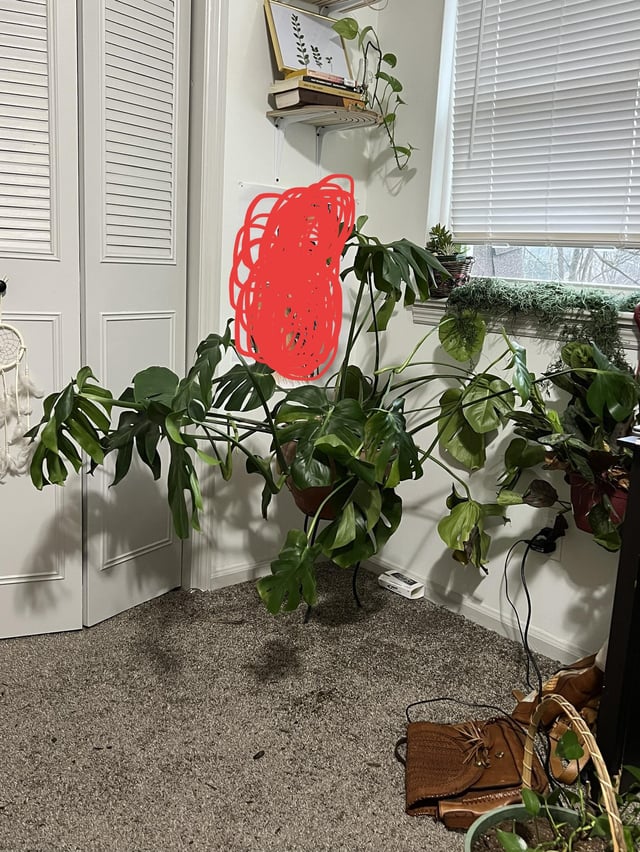
Is your Monstera plant struggling to stay upright? You’re not alone.
Many plant enthusiasts face this issue. Monstera plants are popular for their striking leaves and easy care. But sometimes, they can droop or lean. This can be worrying, especially if you’re not sure why it’s happening. The good news is, there are common reasons and simple fixes.
In this post, we’ll explore why your Monstera plant won’t stand up and what you can do about it. Understanding the cause will help you keep your plant healthy and beautiful. Let’s dive into the possible reasons and solutions to get your Monstera standing tall again.
Introduction To Monstera Plant Care
Monstera plants often droop due to inadequate support or poor light. Ensure proper staking and sufficient sunlight for healthier growth. Regularly check soil moisture and adjust watering to prevent root issues.
Monstera plants are popular for their unique leaves. Their care is quite simple. But, sometimes, they may not stand up straight. This can be frustrating for plant lovers. Understanding proper care is key to a healthy Monstera.Common Issues
Monstera plants often face common issues. One big problem is drooping leaves. This can happen due to several reasons. Overwatering is a common cause. Too much water can make the soil soggy. This weakens the plant’s roots. Another issue is inadequate light. Monstera plants need bright, indirect light. Too little light can cause weak stems. This leads to a droopy plant. Poor soil can also affect your Monstera. The soil must drain well. Otherwise, the roots may rot.Importance Of Proper Care
Proper care is vital for a strong Monstera. It helps the plant stand tall and healthy. Watering correctly is crucial. Let the soil dry out between waterings. This prevents root rot. Light is also important. Place your Monstera near a window. Make sure it gets enough indirect light. This helps the plant grow strong. Using the right soil mix is key. Choose a mix that drains well. This prevents water from sitting in the pot. By following these care tips, you can enjoy a healthy Monstera. It will grow tall and stand up proudly. “`
Identifying The Problem
When your Monstera plant won’t stand up, it can be frustrating. Understanding the issue is the first step to restoring its health. This section will help you identify the problem by looking at the signs and potential causes.
Signs Of Unstable Monstera
Recognizing the signs of an unstable Monstera is crucial. Here are some common indicators:
- Leaning Stems: If the stems are leaning or drooping, your Monstera may need support.
- Yellowing Leaves: Yellow leaves can signal a weak plant.
- Exposed Roots: Roots showing above the soil can indicate instability.
- Wilting: A wilting Monstera is often a sign of underlying issues.
Potential Causes
Several factors can cause your Monstera to become unstable. Below are some potential causes:
| Cause | Description |
|---|---|
| Poor Soil Quality | Soil lacking nutrients can weaken the plant. |
| Overwatering | Too much water can lead to root rot. |
| Insufficient Light | Monstera plants need bright, indirect light. |
| Improper Support | Lack of support can cause the plant to lean. |
| Pot Size | A pot that’s too small can restrict root growth. |
By identifying the signs and understanding the causes, you can take steps to support your Monstera. This will help it stand tall and thrive.
Soil And Pot Considerations
Monstera plants are a favorite among indoor gardeners due to their unique leaves and easy care. Yet, they can sometimes struggle to stand upright. One common reason is improper soil and pot choices. This section will guide you on how to choose the right soil and pot for your Monstera plant.
Choosing The Right Soil
Choosing the right soil is crucial for a healthy Monstera plant. They thrive in well-draining soil that retains moisture without being waterlogged. Here are some tips:
- Use a soil mix that includes peat moss, bark, and perlite.
- Avoid heavy garden soil as it can compact and suffocate roots.
- Ensure the soil pH level is slightly acidic to neutral (5.5 to 7.0).
Proper soil allows roots to breathe and prevents water buildup, which can cause the plant to topple.
Selecting An Appropriate Pot
The right pot is just as important as the soil. A suitable pot provides stability and allows proper drainage. Consider these factors:
| Factor | Consideration |
|---|---|
| Size | Choose a pot that is 2-3 inches larger than the root ball. |
| Material | Terracotta pots are heavy and provide stability. Plastic pots are lighter but may need extra support. |
| Drainage | Ensure the pot has drainage holes to prevent waterlogging. |
A well-chosen pot supports the plant’s growth and prevents tipping. Ensure you repot your Monstera every 1-2 years to accommodate its growth.
Watering Techniques
Proper watering techniques are essential for the health of your Monstera plant. Incorrect watering can cause the plant to droop or not stand up. Understanding the right watering schedule and knowing the signs of overwatering can help you keep your Monstera thriving.
Optimal Watering Schedule
Monstera plants require a balanced watering routine. They prefer slightly moist soil but not soggy. Water the plant once the top inch of soil feels dry.
| Season | Watering Frequency |
|---|---|
| Spring and Summer | Every 7-10 days |
| Fall and Winter | Every 10-14 days |
Use room temperature water. Avoid using cold or hot water. Water the soil directly. Avoid getting water on the leaves. This can prevent fungal issues.
Signs Of Overwatering
Overwatering can harm your Monstera plant. Here are some signs to watch for:
- Yellowing leaves
- Wilting
- Brown spots on leaves
- Moldy or mushy soil
To avoid overwatering, use a well-draining pot. Ensure the pot has drainage holes. If overwatering occurs, allow the soil to dry out before watering again.
Providing Adequate Support
Your Monstera plant may struggle to stand up on its own. This often happens due to its large leaves and heavy stems. Supporting the plant ensures it remains healthy and upright. This section will guide you on how to provide that much-needed support.
Using Stakes And Trellises
Stakes and trellises help keep your Monstera upright. Choose a sturdy stake that can handle the plant’s weight. Insert the stake into the soil near the base of the plant. Make sure the stake is deep enough to stay firm.
Trellises offer additional support and can guide the plant’s growth. Position the trellis behind the plant. Secure it well to prevent it from toppling over. As the Monstera grows, gently train its stems to climb the trellis.
Tying And Securing The Plant
Tying the Monstera to a stake or trellis helps keep it stable. Use soft ties or garden twine to avoid damaging the stems. Start from the bottom and work your way up, securing the stems at intervals.
Ensure the ties are snug but not too tight. This allows the plant to grow and expand. Regularly check the ties and adjust them if needed. This prevents the plant from being constricted as it grows.
Proper support keeps your Monstera healthy and enhances its beauty. It also prevents the plant from toppling over and getting damaged.

Ensuring Proper Lighting
Ensuring proper lighting is crucial for a Monstera plant’s health. Poor lighting can cause the plant to become weak and droopy. With the right light conditions, your Monstera will thrive and stand upright. Let’s explore how to achieve this.
Ideal Light Conditions
Monsteras prefer bright, indirect sunlight. Direct sun can scorch the leaves, causing damage. Place your plant near a window with filtered light. Avoid areas with low light, as this can make the plant leggy and floppy.
Consider using sheer curtains to diffuse the light. This helps in avoiding direct sunlight. If natural light is scarce, supplement with grow lights. Position the grow lights about 12 inches above the plant.
Adjusting Plant Placement
Observe the light patterns in your home. Place the Monstera in a spot with consistent light throughout the day. Rotate the plant every few weeks to ensure even light exposure. This prevents the plant from leaning towards the light source.
Use a light meter to measure the light intensity. Ideal levels range between 1000 to 2000 foot-candles. Avoid placing the plant near heating vents or air conditioners. These can cause temperature fluctuations and affect the plant’s stability.
| Condition | Action |
|---|---|
| Low Light | Move closer to a window or add grow lights. |
| Direct Sunlight | Use sheer curtains to filter the light. |
| Uneven Growth | Rotate the plant every few weeks. |
Nutrient Requirements
Ensuring your Monstera plant stands tall and healthy involves understanding its nutrient requirements. The right nutrients help the plant grow strong and vibrant. If your Monstera won’t stand up, it might need better nutrition. This section will explore the types of fertilizer and the feeding frequency needed for a thriving Monstera.
Fertilizer Types
Choosing the right fertilizer is essential for your Monstera plant. There are two main types:
- Liquid Fertilizer: Easy to apply and quickly absorbed by the plant.
- Granular Fertilizer: Slow-release and provides nutrients over a longer period.
Each type has its benefits. Liquid fertilizers offer quick results, while granular fertilizers ensure steady nutrition. Make sure to select a balanced fertilizer, with equal parts of nitrogen, phosphorus, and potassium.
Feeding Frequency
Knowing how often to feed your Monstera is crucial. Overfeeding can harm the plant. Underfeeding can stunt its growth. Here is a simple table to guide you:
| Season | Feeding Frequency |
|---|---|
| Spring | Every 4 weeks |
| Summer | Every 4 weeks |
| Fall | Every 6-8 weeks |
| Winter | Every 8-10 weeks |
During the growing seasons (spring and summer), feed your Monstera more often. In fall and winter, reduce the feeding frequency. This schedule helps the plant get the nutrients it needs without overloading it.
Always follow the instructions on the fertilizer package. Too much fertilizer can burn the plant roots. Too little might not provide enough nutrients. Regular feeding, combined with the right type of fertilizer, will help your Monstera stand up strong and healthy.
Pruning And Maintenance
Pruning and regular maintenance help keep your Monstera plant upright. Trim damaged leaves and provide proper support to prevent it from drooping.
Keeping your Monstera plant healthy and upright requires regular pruning and maintenance. Proper care ensures your plant grows strong and remains beautiful. Pruning helps manage the size and shape of your Monstera. It also encourages new growth.When To Prune
Prune your Monstera during the spring or early summer. This is when the plant is actively growing. Pruning at this time helps the plant recover quickly. Always use clean, sharp tools to avoid harming the plant.How To Prune Effectively
Start by removing any dead or yellow leaves. This keeps the plant looking fresh. Next, trim any stems that are too long or unruly. Cut just above a node, where new growth appears. Avoid cutting more than one-third of the plant at a time. This helps avoid stressing the plant. Regularly check for pests or diseases while pruning. This keeps your Monstera healthy and strong. Pruning and maintenance are key for a thriving Monstera. Follow these steps to keep your plant upright and happy. “`Common Mistakes To Avoid
Monstera plants often topple due to weak stems or improper support. Ensure the soil is well-draining and use stakes to keep it upright. Regular pruning helps maintain balance and encourages healthy growth.
If your Monstera plant won’t stand up, you might be making some common mistakes. Understanding these can help you keep your plant healthy and upright. Let’s explore some pitfalls and how to avoid them.Overwatering Pitfalls
Overwatering can harm your Monstera. Plants need water, but too much is dangerous. Excess water can lead to root rot. Root rot makes the plant weak and unable to stand. Ensure the soil dries out between watering. Check the moisture level before adding more water. Use a well-draining pot to avoid water buildup.Improper Support Methods
Monstera plants need support as they grow. Using incorrect support methods can cause them to lean. Staking is a popular method. Use a sturdy stake and tie the plant loosely. Avoid tying too tight, as it can damage the stems. Moss poles are another option. They mimic the plant’s natural climbing environment. Insert the pole deep into the pot for stability. Guide the plant to climb the pole, securing it gently. Addressing these mistakes will help your Monstera stand tall and thrive. “`
Frequently Asked Questions
Why Is My Monstera Plant Drooping?
A Monstera plant may droop due to overwatering, underwatering, or inadequate light. Check the soil moisture and ensure it has bright, indirect light.
How Can I Support My Monstera Plant?
Support your Monstera by using a moss pole or plant stake. Tie the stems gently to the support.
What Causes Monstera Leaves To Curl?
Monstera leaves curl due to underwatering, low humidity, or sudden temperature changes. Maintain consistent watering and humidity.
How Often Should I Water My Monstera?
Water your Monstera when the top 2 inches of soil feel dry. Avoid overwatering to prevent root rot.
Conclusion
To keep your Monstera plant standing tall, follow these tips. Ensure proper lighting and watering. Support the plant with stakes if needed. Regularly check for pests and diseases. Trim and prune to encourage growth. With care, your Monstera will thrive.
Enjoy the beauty of your healthy plant. Happy gardening!
Leave a Reply