
Monstera plants are beloved for their unique leaves and easy care. They make beautiful additions to any home.
Caring for a Monstera plant can be simple with the right knowledge. These plants, also known as Swiss cheese plants, bring a touch of the tropics indoors. They thrive in various conditions but do best with some specific care tips.
Understanding their needs helps them flourish and keeps them looking their best. Whether you are a new plant parent or an experienced gardener, knowing these Monstera care tips can make all the difference. Healthy and vibrant plants not only enhance your living space but also bring joy and satisfaction. Let’s dive into how you can keep your Monstera thriving with easy and effective tips.
Choosing The Right Monstera
Choosing the right Monstera plant can be a delightful experience. There are many varieties to choose from, each with unique characteristics. By picking the perfect one, you can ensure it thrives in your home. Below, we will explore popular varieties and tips on identifying healthy plants.
Popular Varieties
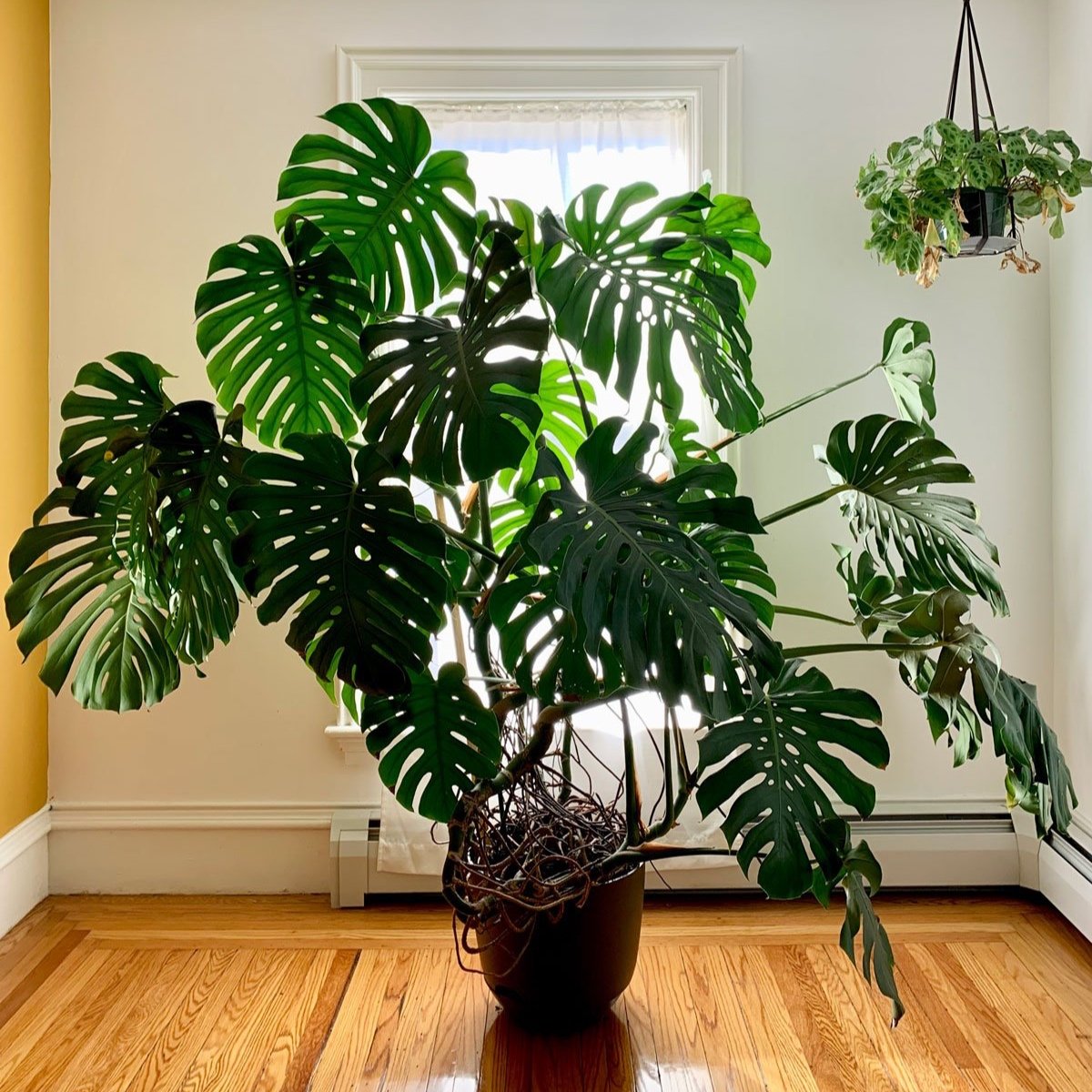
There are several popular varieties of Monstera plants. The Monstera Deliciosa, also known as the Swiss Cheese Plant, is a favorite. It has large, glossy leaves with distinctive holes. Another variety is the Monstera Adansonii. This type is smaller and has more frequent holes in its leaves. The Monstera Borsigiana is similar to the Deliciosa but tends to grow faster.
Each variety brings a unique charm to your space. Consider your room size and lighting when choosing. Larger varieties need more space and light. Smaller types can fit into cozier spots. Think about what fits best in your home.
Identifying Healthy Plants
Healthy Monstera plants have vibrant green leaves. The leaves should be firm and free of spots. Avoid plants with yellowing or brown edges. These may indicate stress or disease. Check the stems as well. They should be strong and upright.
Inspect the soil of the plant. It should be moist but not soggy. Overwatering can lead to root rot. Smell the soil to check for any unpleasant odors. A healthy plant will have a neutral or earthy smell. Finally, look for new growth. This is a sign of a thriving plant.
By following these tips, you can choose the best Monstera plant for your home. Happy planting!
Ideal Growing Conditions
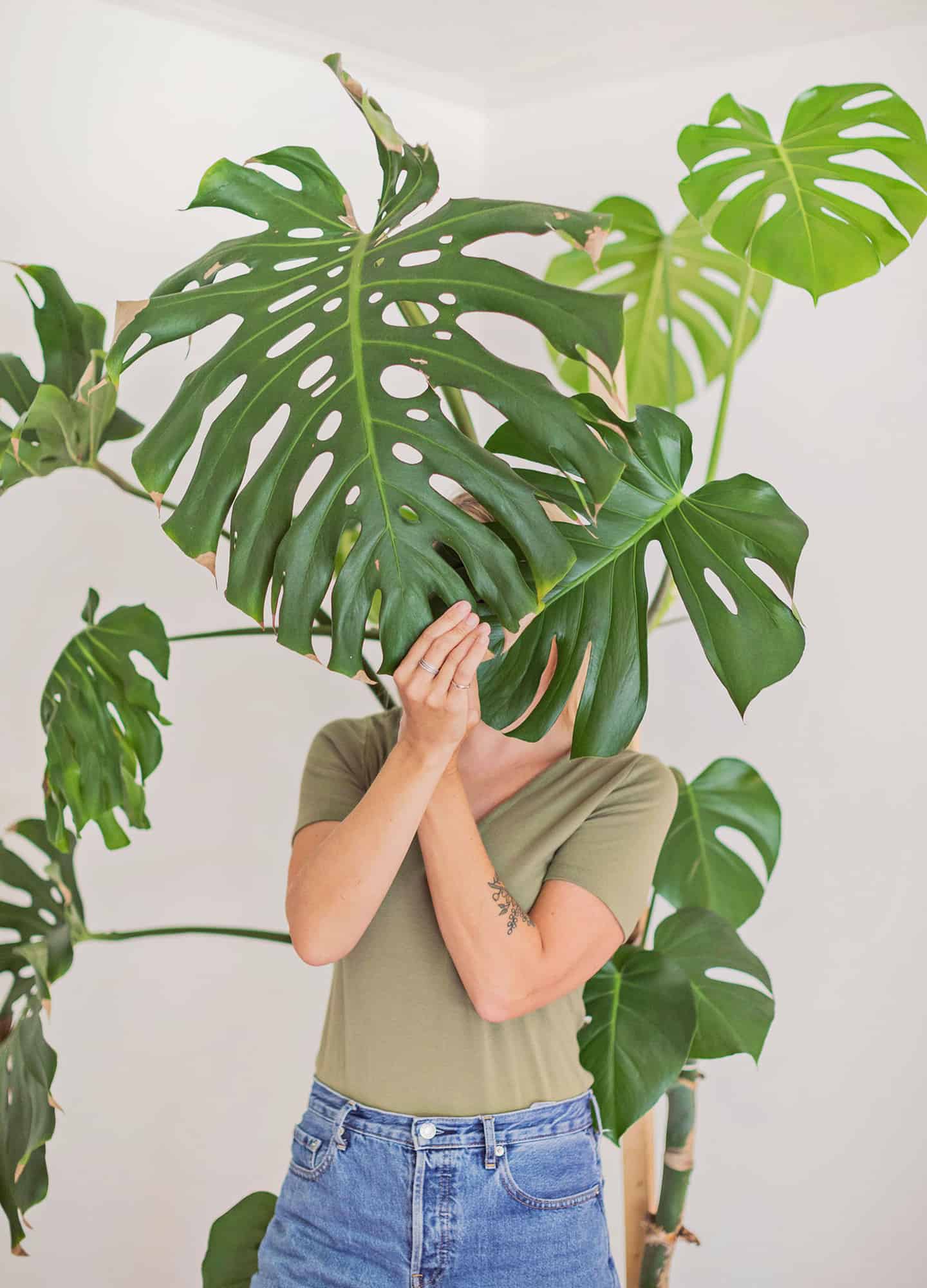
The Monstera plant is popular for its unique, tropical appearance. To help your Monstera thrive, it’s important to provide the right environment. Understanding the ideal growing conditions can significantly improve the health and growth of your plant.
Light Requirements
Monstera plants prefer bright, indirect light. Direct sunlight can scorch their leaves. If your Monstera is indoors, place it near a window that receives filtered light. An east-facing window is ideal. This ensures your plant gets enough light without the risk of leaf burn.
In low-light conditions, Monsteras can survive but won’t grow as quickly. They may also develop smaller leaves. Use grow lights to supplement natural light if needed.
Optimal Temperature
Monstera plants thrive in temperatures between 65°F and 85°F (18°C to 29°C). They dislike sudden temperature changes. Avoid placing your Monstera near drafts, heaters, or air conditioners.
During the winter months, keep your Monstera away from cold windows and ensure the room temperature stays within the ideal range. Consistent, moderate temperatures will keep your Monstera healthy year-round.
| Condition | Ideal Range |
|---|---|
| Light | Bright, Indirect Light |
| Temperature | 65°F – 85°F (18°C – 29°C) |
Watering Needs
Monstera plants, with their iconic split leaves, are a favorite among indoor gardeners. Proper watering is essential for their health. Understanding their watering needs can help you keep your Monstera thriving. Let’s dive into when and how to water your Monstera plant.
When To Water
Water your Monstera when the top 2 inches of soil are dry. Stick your finger into the soil to check. If it feels dry, it’s time to water. Avoid watering on a strict schedule. Instead, observe the soil and the plant’s needs.
Preventing Overwatering
Overwatering can harm your Monstera. Ensure the pot has drainage holes. Water should flow out easily. Empty the saucer under the pot after watering. Too much water can lead to root rot. Check the soil’s moisture level regularly.
Soil And Fertilization
Proper soil and fertilization are crucial for the healthy growth of your Monstera plant. The right soil type ensures good drainage and provides essential nutrients. Fertilization gives the plant the extra boost it needs to thrive. Let’s dive into the details of soil and fertilization for Monstera plants.
Best Soil Types
Choosing the best soil for your Monstera is key. Monsteras prefer a soil mix that retains moisture but also drains well.
- Aroid Mix: This mix is ideal for Monstera. It includes bark, perlite, and peat moss.
- Peat-Based Soil: Peat moss holds moisture but allows excess water to drain.
- Perlite: Adding perlite improves aeration and drainage.
Avoid heavy soils that retain too much water. These can lead to root rot. Also, ensure the soil is slightly acidic to neutral (pH 5.5-7.0).
Fertilizer Recommendations
Fertilizing your Monstera helps it grow strong and healthy. Here are some recommendations:
- Balanced Fertilizer: Use a balanced fertilizer (20-20-20) during the growing season.
- Frequency: Fertilize every 4-6 weeks in spring and summer.
- Organic Options: Consider using compost or worm castings for a natural boost.
Avoid over-fertilizing as it can burn the roots. In winter, reduce the frequency as the plant’s growth slows down.
By following these soil and fertilization tips, your Monstera will thrive and grow beautifully.
Pruning And Maintenance
Pruning and maintaining your Monstera plant ensures it stays healthy and vibrant. Regular pruning helps the plant grow better and removes dead or unhealthy parts. Keeping the leaves clean allows the plant to absorb more light, which is essential for its growth.
Trimming Techniques
Use sharp, clean scissors for trimming. Cut just above a node to encourage new growth. Remove any yellow or brown leaves. Trim the stems that are growing out of control. Don’t cut more than 25% of the plant at once.
Prune during the growing season, usually spring and summer. Avoid pruning in winter, when the plant is dormant. Regular trimming keeps your Monstera looking neat and tidy.
Cleaning Leaves
Dust and dirt can block light from reaching the leaves. Use a damp cloth to wipe each leaf gently. Avoid using any harsh chemicals. Clean both the top and underside of the leaves.
Regular cleaning helps the plant breathe better. It also makes your Monstera look more attractive. Clean the leaves every few weeks for best results. A healthy plant means a happy home.

Propagation Methods
Propagating Monstera plants can be a fun and rewarding process. There are several methods to choose from, each with its own benefits. In this section, we will explore two popular propagation techniques: Stem Cuttings and Air Layering.
Stem Cuttings
One of the easiest ways to propagate Monstera plants is through stem cuttings. Here’s a step-by-step guide:
- Select a healthy stem with at least one node and one leaf.
- Using a sharp, clean knife or scissors, cut the stem just below the node.
- Place the cutting in water or directly into moist soil.
- If using water, change it every few days to keep it fresh.
- Roots should develop in a few weeks. Once roots are a few inches long, transplant the cutting to soil.
Stem cuttings are a simple and effective way to grow new Monstera plants. Just ensure you select a healthy stem and provide proper care.
Air Layering
Air layering is another effective propagation method. This technique is slightly more advanced but yields great results. Follow these steps:
- Choose a healthy stem and make a small cut about halfway through the stem.
- Wrap the cut area with moist sphagnum moss.
- Cover the moss with plastic wrap and secure it with ties or tape.
- Check the moss regularly to ensure it stays moist.
- Roots will form in a few weeks. Once you see roots, cut below the new root ball and plant it in soil.
Air layering allows the plant to develop roots while still attached to the parent plant. This method can be especially useful for larger or more mature Monstera plants.
Common Problems
Monstera plants, known for their large, split leaves, are popular among plant enthusiasts. But even the best gardeners face common problems with these tropical beauties. Identifying these issues early can help keep your Monstera thriving.
Pest Control
Pests can damage your Monstera plant. Common pests include spider mites, mealybugs, and aphids. These tiny invaders suck the sap, causing leaves to turn yellow or brown.
Regularly inspect your plant for signs of pests. Look under the leaves and at the stems. Use a magnifying glass if needed. If you spot pests, act quickly. Wipe the leaves with a damp cloth to remove them. You can also use insecticidal soap. Ensure to follow the instructions on the product label.
Disease Prevention
Diseases can also affect Monstera plants. Fungal infections are the most common. They often show as brown or black spots on leaves. Overwatering is a major cause of fungal diseases. Water your plant only when the top inch of soil is dry.
Good air circulation helps prevent diseases. Place your Monstera in a spot with good airflow. Avoid crowding it with other plants. Prune any infected leaves and dispose of them properly. This prevents the spread of diseases.
Keeping your Monstera healthy requires attention and care. By watching for pests and diseases, you can enjoy a lush, vibrant plant. Happy gardening!
Enhancing Growth
Monstera plants are known for their lush, beautiful leaves. To help your Monstera thrive, you need to focus on enhancing its growth. This involves giving it the right support and encouraging leaf splits. These tips will ensure your Monstera grows healthy and strong.
Supporting Structures
Monstera plants love to climb. Providing supporting structures will help them grow better. You can use moss poles, trellises, or even wooden stakes. Secure the plant stems to these supports gently. This will guide the plant to grow upwards. It mimics their natural environment.
Another tip is to rotate the plant. This ensures even light exposure. It will also prevent the plant from leaning to one side. Regularly check the supports. Make sure they are sturdy and in place. Proper support helps the plant grow tall and strong.
Encouraging Leaf Splits
Leaf splits, or fenestrations, are a sign of a healthy Monstera. To encourage these splits, provide bright, indirect light. Direct sunlight can harm the leaves. Place your Monstera near a window with filtered light.
Maintain high humidity around the plant. Mist the leaves regularly or use a humidifier. This mimics the plant’s natural tropical habitat. Water the plant when the top inch of soil feels dry. Overwatering can lead to root rot.
Fertilize the plant during the growing season. Use a balanced, water-soluble fertilizer. Follow the instructions on the package. This provides essential nutrients for leaf development. With these tips, your Monstera will produce beautiful, split leaves.
Frequently Asked Questions
How Often Should I Water My Monstera Plant?
Water your Monstera when the top 2-3 inches of soil are dry. Overwatering can lead to root rot. Adjust the frequency based on your home environment.
Can Monstera Plants Thrive In Low Light?
Monstera plants prefer bright, indirect light but can tolerate low light. However, growth may be slower, and leaves may not split as much.
Why Are My Monstera Leaves Turning Yellow?
Yellow leaves can indicate overwatering, underwatering, or lack of nutrients. Check your watering schedule and consider fertilizing during the growing season.
How Do I Propagate A Monstera Plant?
You can propagate a Monstera by stem cuttings. Cut below a node and place in water or soil until roots develop.
Conclusion
Caring for a Monstera plant can be simple and rewarding. Follow these tips. Water it weekly, but don’t let it sit in water. Give it bright, indirect light. Fertilize monthly during growing seasons. Trim damaged leaves to keep it healthy.
Watch for pests and treat them promptly. With these easy steps, your Monstera will thrive. Enjoy the beauty it brings to your home. Happy gardening!