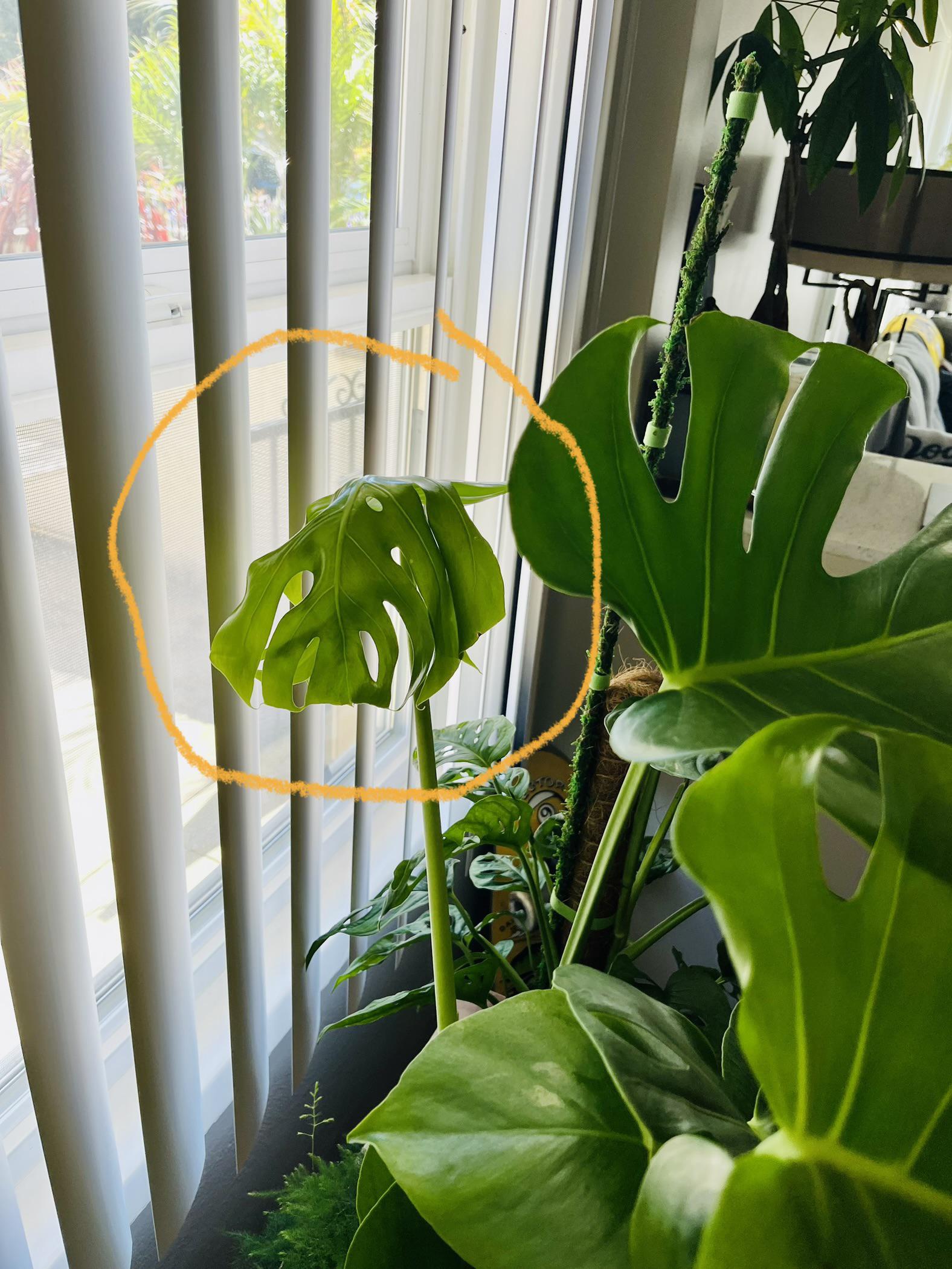
Seeing your Monstera’s new leaf stop growing can be frustrating. This common issue can have several causes.
Monstera plants, known for their striking, large leaves, are generally easy to care for. But sometimes, their new leaves stop growing. This can confuse and worry plant owners. Understanding why this happens is important to ensure your plant’s health. In this post, we will explore the common reasons behind this problem.
We will also offer simple solutions to help your Monstera thrive again. Let’s dive into the world of Monstera care and get your plant back on track.
Identifying Growth Stagnation
Monstera new leaf stopped growing? This could indicate growth stagnation. Check for proper light, water, and nutrient levels. Ensuring optimal conditions can help resume healthy growth.
Monstera plants are popular for their unique leaves and easy care. But sometimes, their new leaves stop growing. This can be frustrating. Understanding the reasons for growth stagnation can help you solve the problem.Signs Of A Stalled Leaf
A stalled leaf can be identified easily. The new leaf remains small for weeks. It might appear stuck or curled. The color may look pale or yellowish. These are clear signs the leaf is not growing properly.Common Causes
Several factors can cause a Monstera leaf to stop growing. Inadequate light is a common issue. Monsteras need bright, indirect light for healthy growth. Overwatering can also lead to stagnation. The roots may rot, preventing the plant from absorbing nutrients. Another cause is low humidity. Monsteras thrive in humid environments. Dry air can hinder leaf development. Lastly, nutrient deficiencies may be the culprit. Ensure the plant gets balanced fertilizers regularly. Identifying these issues can help you restore your Monstera’s growth. Make small adjustments and observe the changes. Your Monstera will thank you with new, healthy leaves. “`
Assessing Light Conditions
Monstera plants need the right light to grow healthy leaves. Poor light can halt leaf growth. Assessing your Monstera’s light conditions is crucial. This ensures the plant gets what it needs to thrive.
Optimal Light Levels
Monsteras prefer bright, indirect light. Direct sunlight can scorch leaves. Too little light slows growth. Place your Monstera near a window with filtered light. North or east-facing windows work well. Use sheer curtains to diffuse strong sunlight.
Adjusting Exposure
If your Monstera’s leaves have stopped growing, reconsider its placement. Move it closer to a light source, but avoid direct sun. If natural light is insufficient, consider using grow lights. They can provide the needed light spectrum. Rotate the plant regularly for even light exposure.
Watering Techniques
Ensuring your Monstera gets the right amount of water is crucial. Improper watering can stop new leaves from growing. Follow these tips to keep your plant happy and healthy.
Proper Hydration
Proper hydration is key for Monstera growth. Water your plant when the top inch of soil feels dry. Use your finger to check the soil moisture. This simple method ensures your plant gets the right amount of water.
Make sure to use room temperature water. Cold water can shock the plant roots. Water should be evenly spread across the soil. This helps the roots absorb it better.
Avoiding Overwatering
Overwatering can harm your Monstera. It may cause root rot, which stops new leaves from growing. To avoid this, ensure good drainage. Use pots with drainage holes. This allows excess water to escape.
Here are some signs of overwatering:
- Yellowing leaves
- Wilting despite moist soil
- Mushy stems
If you notice these signs, reduce watering frequency. Let the soil dry out more between waterings. Monitoring your plant can prevent overwatering issues.
Nutrient Requirements
Monstera plants need proper nutrients to thrive. Without them, new leaves may stop growing. Understanding their nutrient needs is crucial for healthy growth.
Essential Nutrients
Monsteras need macronutrients and micronutrients for optimal growth. Macronutrients include nitrogen (N), phosphorus (P), and potassium (K). These are often listed as N-P-K on fertilizer packaging.
| Macronutrient | Role |
|---|---|
| Nitrogen (N) | Promotes leaf growth |
| Phosphorus (P) | Supports root development |
| Potassium (K) | Enhances overall plant health |
Micronutrients, though needed in smaller amounts, are also important. These include iron (Fe), magnesium (Mg), and calcium (Ca).
- Iron helps in chlorophyll production.
- Magnesium is essential for photosynthesis.
- Calcium strengthens cell walls.
Fertilizer Tips
Choose a balanced fertilizer with equal parts N-P-K, such as a 20-20-20 mix. Apply it during the growing season, usually spring and summer.
- Water the plant before fertilizing to avoid root burn.
- Use a half-strength solution to prevent over-fertilizing.
- Fertilize every 4-6 weeks for best results.
Avoid over-fertilizing. It can harm the plant and hinder growth. Flush the soil with water occasionally to remove excess salts. This helps maintain a healthy root environment.
Soil And Repotting
Monstera plants thrive in the right soil and container. If your Monstera’s new leaf has stopped growing, the soil and repotting process might be the issue. Understanding the right soil and knowing when to repot can make a big difference.
Choosing The Right Soil
Monstera plants need well-draining soil. Use soil that retains moisture but does not stay too wet. A mix of potting soil, peat moss, and perlite is ideal. This combination provides good drainage and aeration for the roots. Avoid heavy, clay-based soils. They can hold too much water and cause root rot.
When To Repot
Repotting is essential for a healthy Monstera. Repot your plant every one to two years. Signs that your Monstera needs repotting include roots growing out of the drainage holes. Another sign is the soil drying out very quickly.
Choose a pot that is one size larger than the current one. Ensure it has drainage holes. Carefully remove the plant from its old pot. Gently loosen the roots before placing it in the new pot with fresh soil. Water the plant well after repotting. This helps settle the soil around the roots.

Humidity Levels
Monstera plants thrive in high humidity. Low humidity can cause new leaves to stop growing. Understanding and maintaining proper humidity levels is crucial for your plant’s health.
Maintaining Humidity
Keep your Monstera in a room with high humidity. Aim for 60% to 80% humidity. Regularly mist the leaves to create a humid environment. Grouping plants can also increase humidity. Place your Monstera near other plants.
Use a humidity tray. Fill a shallow tray with water and pebbles. Place the pot on the pebbles. This creates a humid microclimate around your plant.
Tools For Humidity Control
Use a humidifier. A humidifier adds moisture to the air. This keeps your Monstera happy. Choose a model that suits your space. Make sure it is easy to clean and maintain.
Monitor humidity levels with a hygrometer. This tool measures the air’s moisture. Keep track of changes to ensure optimal conditions.
Move your Monstera to a bathroom or kitchen. These rooms are often more humid. Your plant will benefit from the extra moisture in the air.
Pest And Disease Control
Monstera plants are known for their large, beautiful leaves. But they can face problems. Pests and diseases can stop new leaves from growing. Controlling these issues is key to keeping your plant healthy.
Common Pests
Several pests can attack your Monstera. Spider mites are tiny but can cause big damage. They suck the plant’s juices, leading to yellow leaves. Mealybugs are another common pest. They look like tiny cotton balls. They also feed on the plant’s sap, weakening it.
Scale insects are harder to spot. They stick to stems and leaves, sucking out nutrients. Look for small, brown bumps. Aphids are yet another pest to watch for. They cluster on new growth, which can stunt leaf development.
Disease Prevention
Diseases can also stop new leaves from growing. Fungal infections are a common problem. These can cause spots on leaves and stems. Root rot is another disease to watch for. It happens when the plant sits in water too long. The roots begin to rot, and the plant can’t absorb nutrients.
To prevent diseases, ensure good air circulation around your plant. Water it properly and avoid overwatering. Clean leaves regularly to remove dust and debris. This helps keep your Monstera healthy and free from diseases.
Pruning And Maintenance
Pruning and maintenance play a vital role in your Monstera’s health. If your Monstera’s new leaf has stopped growing, it’s time to focus on proper care. Regular pruning and proper maintenance can help your plant thrive.
Pruning Techniques
Proper pruning techniques are essential for a healthy Monstera. Here are some tips:
- Use clean, sharp scissors or pruning shears.
- Trim dead or yellowing leaves to encourage new growth.
- Cut just above a node for optimal growth.
- Remove any damaged or diseased parts promptly.
Pruning helps direct energy to healthy parts of the plant. It also improves air circulation around the leaves. This can prevent fungal issues.
Ongoing Care
Providing ongoing care is crucial for continuous growth. Regularly check your Monstera for signs of stress.
| Care Task | Frequency |
|---|---|
| Watering | Weekly, but allow soil to dry out between waterings. |
| Fertilizing | Every 4-6 weeks during growing season. |
| Repotting | Every 2 years or when roots outgrow the pot. |
| Dusting leaves | Monthly to keep leaves clean. |
Ensure your Monstera gets enough indirect sunlight. Rotate the plant every few weeks to ensure even growth. Watch for pests like spider mites and treat them immediately.
By following these tips, you can help your Monstera produce new, healthy leaves. Consistent care leads to a thriving plant.

Frequently Asked Questions
Why Did My Monstera’s New Leaf Stop Growing?
Monstera leaves may stop growing due to insufficient light, water, or nutrients. Ensure your plant receives bright, indirect light and regular watering.
How Can I Help My Monstera Grow New Leaves?
Provide your Monstera with adequate light, water, and nutrients. Ensure it’s in a well-draining pot and periodically check for pests.
What Are Common Monstera Growth Problems?
Common Monstera growth problems include yellowing leaves, root rot, and pest infestations. Address these issues promptly for healthy growth.
How Often Should I Water My Monstera?
Water your Monstera when the top inch of soil feels dry. Overwatering can lead to root rot.
Conclusion
Caring for a Monstera can be rewarding. New leaf growth brings joy. Sometimes, growth may pause. This is normal. Ensure proper light, water, and humidity. Check for pests. Give it time. Your Monstera will thrive again. Patience and care are key.
Happy growing!
Leave a Reply