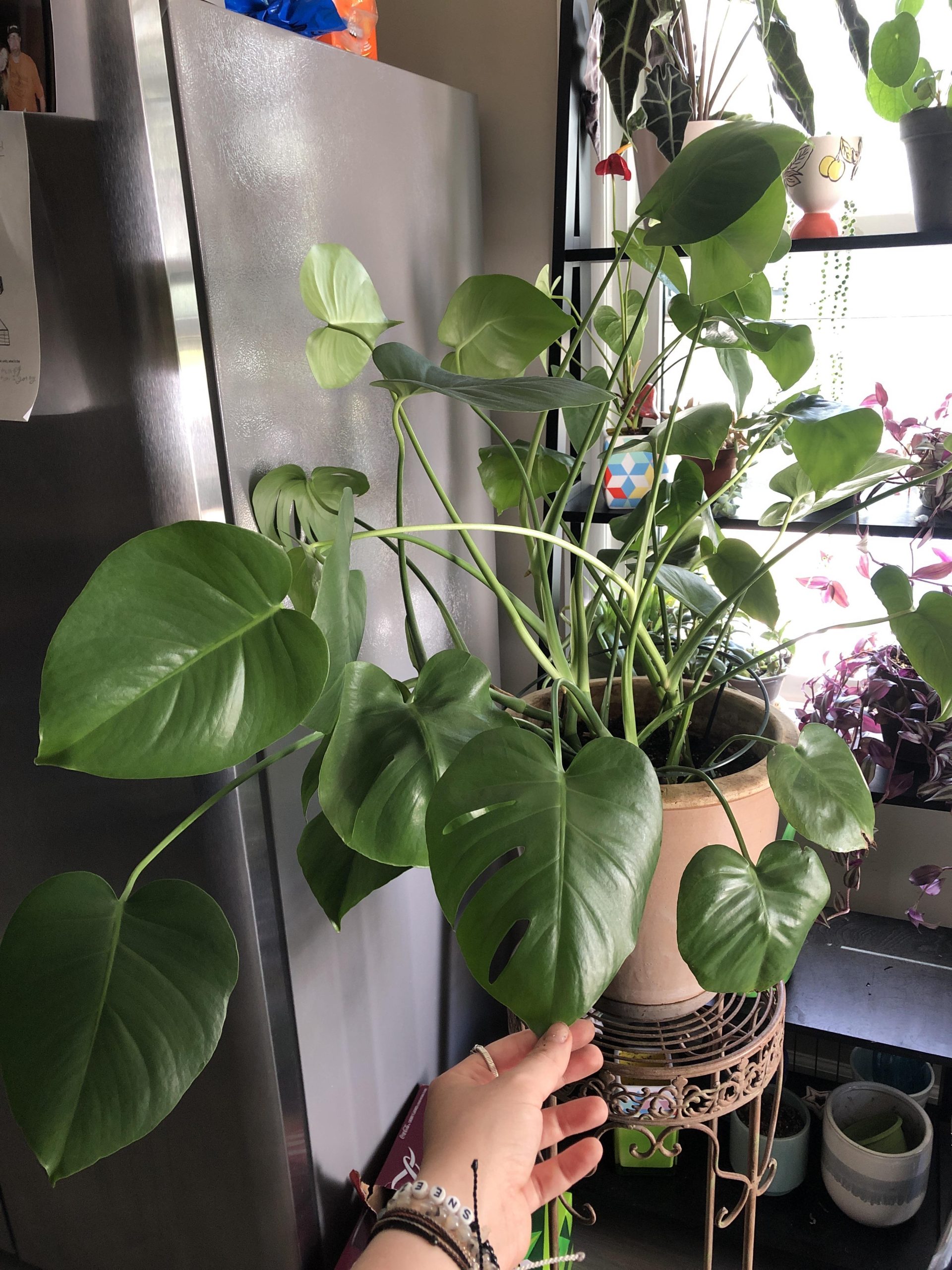
Monstera plants are loved for their unique, split leaves. But what happens when those leaves stop splitting?
This can be frustrating for plant enthusiasts who adore the tropical look of Monstera leaves. Understanding why your Monstera leaves have stopped splitting is key to restoring their natural beauty. Various factors can influence this, from light conditions to watering habits.
In this blog post, we will explore the possible reasons behind this issue and provide practical solutions. Whether you’re a seasoned plant parent or a novice, learning about these factors can help you ensure your Monstera thrives. Let’s dive into the causes and remedies for non-splitting Monstera leaves, so you can enjoy the lush, split foliage you desire.

Common Causes
Monstera leaves, known for their unique splits, sometimes stop splitting. This can be frustrating for plant lovers. Identifying the common causes is key to restoring your plant’s beauty. Let’s explore two main reasons: lack of light and improper watering.
Lack Of Light
Monstera plants thrive in bright, indirect light. If your plant is in a dim spot, it won’t get the energy it needs. The leaves may stop splitting as a result.
Move your plant to a brighter location. Near a north or east-facing window is ideal. Use a sheer curtain to filter direct sunlight. It helps to mimic natural light.
Improper Watering
Watering plays a crucial role in your Monstera’s health. Both overwatering and underwatering can cause problems.
Check the soil before watering. It should be dry to the touch, about 2 inches down. Water thoroughly, then let excess water drain out. Use a pot with drainage holes.

Ensuring Proper Lighting
Ensuring proper lighting is vital for healthy Monstera leaves. Without enough light, Monstera leaves may stop splitting, losing their iconic look. Let’s explore the best ways to provide the right light for your Monstera plant.
Natural Light
Monstera plants thrive in bright, indirect sunlight. They do well in rooms with large windows. Direct sunlight can burn the leaves, causing damage. Place your Monstera near a window that gets filtered light. North or east-facing windows are ideal. Rotate the plant often. This ensures all parts receive equal light.
Artificial Light
Sometimes, natural light is not enough. Especially during winter months. Artificial light can help. Use fluorescent or LED grow lights. Place the lights 12-18 inches above the plant. Keep the lights on for 10-12 hours daily. Ensure the light mimics natural sunlight. This can prevent leggy growth and promote leaf splitting.
Watering Techniques
Monstera leaves are known for their beautiful splits and holes. If your Monstera leaves have stopped splitting, it could be due to improper watering techniques. Understanding the right way to water your Monstera can help bring back those gorgeous splits.
Watering Schedule
A consistent watering schedule is crucial for healthy Monstera leaves. Water your Monstera when the top 2 inches of soil feel dry. This usually means watering once a week. Avoid watering too frequently, as this can lead to root rot. Overwatering is a common mistake that can prevent leaves from splitting. Stick to a regular schedule to ensure your plant gets the right amount of moisture.
Drainage Tips
Proper drainage is essential for Monstera health. Ensure your pot has drainage holes to allow excess water to escape. Use a well-draining soil mix to prevent water from sitting at the roots. You can add perlite or orchid bark to improve drainage. Good drainage prevents root rot and supports healthy leaf development. Always empty the saucer under the pot to avoid stagnant water.
Nutrient Requirements
Understanding the nutrient requirements of Monstera plants can help prevent their leaves from stopping splitting. These tropical plants need specific nutrients to thrive and produce their characteristic split leaves. This section covers the essential nutrients and offers fertilizing tips to ensure your Monstera stays healthy.
Essential Nutrients
Monstera plants require a balanced supply of nutrients to grow. The primary nutrients essential for their growth include:
- Nitrogen (N): Promotes leafy growth and overall plant health.
- Phosphorus (P): Supports root development and flower formation.
- Potassium (K): Enhances disease resistance and improves overall vitality.
In addition to these macronutrients, Monsteras also need micronutrients. These include:
- Calcium (Ca): Strengthens cell walls and supports new growth.
- Magnesium (Mg): Essential for chlorophyll production and photosynthesis.
- Iron (Fe): Vital for enzyme function and chlorophyll synthesis.
Fertilizing Tips
Fertilizing Monsteras correctly ensures they receive the nutrients needed for healthy, split leaves. Follow these fertilizing tips to keep your plant in top shape:
- Use a balanced, water-soluble fertilizer with an N-P-K ratio of 20-20-20.
- Fertilize every 4-6 weeks during the growing season (spring and summer).
- Reduce fertilization frequency to every 8-10 weeks during fall and winter.
- Always dilute the fertilizer to half the recommended strength to prevent root burn.
Regular feeding with a balanced fertilizer helps Monsteras grow healthy, split leaves. Ensuring they receive the right nutrients is key to their vibrant appearance.
Humidity Levels
Humidity levels play a crucial role in the health of Monstera leaves. Proper humidity helps ensure that Monstera leaves develop beautiful splits and holes. Understanding the right humidity for your Monstera can make a significant difference.
Ideal Humidity
Monsteras thrive in humidity levels between 60% and 80%. These tropical plants originate from rainforests, where the air is naturally moist. Maintaining this level of humidity helps the leaves to split properly. Lower humidity can cause the leaves to stay whole and not develop their characteristic splits.
Increasing Humidity
To increase humidity, you can use a humidifier. Place it near your Monstera plant to keep the surrounding air moist. Another method is to mist the leaves with water regularly. This can help mimic the natural environment of the plant. Grouping plants together can also raise the humidity. Plants release moisture into the air, creating a more humid microclimate. You can also place a tray of water near the plant. As the water evaporates, it will increase the humidity around your Monstera.
Soil Conditions
Monstera plants are known for their stunning, split leaves. If your Monstera leaves stopped splitting, soil conditions might be the culprit. Let’s explore the soil type and soil quality needed for healthy Monstera growth.
Soil Type
Monsteras thrive in well-draining soil. They need soil that allows water to flow through easily. This prevents root rot. A mix of potting soil, peat moss, and perlite works well. This combination provides the right balance. Avoid heavy soils like clay. These retain too much moisture. They can suffocate the roots.
Soil Quality
High-quality soil is essential for Monstera health. Nutrient-rich soil promotes growth and splits. Use a soil mix with organic matter. This can include compost or worm castings. Organic matter improves soil structure. It also adds nutrients that Monsteras need. Ensure the soil is free from pests and diseases. Contaminated soil can harm your plant.
Pest And Disease Control
Monstera leaves may stop splitting due to pests and diseases. Healthy leaves are a sign of a thriving plant. Identifying and managing pests and diseases is crucial.
Common Pests
Spider mites are tiny and hard to see. They cause yellow spots and webbing. Aphids are small insects that suck plant sap. They leave a sticky residue on leaves. Mealybugs are white and cotton-like. They cluster in leaf joints. Scale insects are brown and immobile. They attach to stems and leaves.
Disease Prevention
Overwatering can lead to root rot. Ensure the soil drains well. Fungal infections can cause black or brown spots. Remove infected leaves promptly. Bacterial infections may cause leaf blight. Use clean tools to prevent spread.
Pruning And Maintenance
Pruning and maintenance play a vital role in keeping your Monstera leaves healthy and split. Regular care ensures the plant grows strong and beautiful. Let’s dive into effective pruning techniques and essential maintenance tips.
Pruning Techniques
Proper pruning encourages new growth and helps maintain the plant’s shape. Always use clean, sharp scissors or pruning shears. Cut just above a leaf node, which is where the leaf meets the stem. This stimulates new growth.
Remove any yellow or damaged leaves. These can drain energy from the plant. Focus on cutting away dead or diseased parts first. Trim back any excessively long stems to keep the plant manageable.
Regular Maintenance
Regular maintenance keeps your Monstera thriving. Water the plant when the top inch of soil feels dry. Avoid over-watering, which can lead to root rot. Check the soil moisture regularly.
Dust the leaves with a damp cloth to keep them clean. This allows the plant to breathe and absorb light better. Use a balanced, water-soluble fertilizer once a month during the growing season.
Provide bright, indirect light. Direct sunlight can scorch the leaves. Rotate the plant occasionally to ensure even growth.
Support the stems with stakes or a moss pole if needed. This helps the plant grow upright and prevents drooping.

Frequently Asked Questions
Why Do Monstera Leaves Stop Splitting?
Monstera leaves stop splitting due to inadequate light, poor humidity, or lack of proper nutrients. Ensure your plant receives bright, indirect sunlight and maintain high humidity levels. Regularly feed with a balanced fertilizer.
How Can I Encourage Monstera Leaf Splitting?
Encourage Monstera leaf splitting by providing bright, indirect light, maintaining high humidity, and fertilizing regularly. Ensure consistent watering and avoid overwatering. Pruning can also promote new growth.
Is Low Light Causing My Monstera Leaves Not To Split?
Yes, low light can cause Monstera leaves to stop splitting. Monstera plants need bright, indirect light to thrive. Ensure they receive adequate sunlight for healthy, split leaves.
What Nutrients Help Monstera Leaves To Split?
Essential nutrients for Monstera leaf splitting include nitrogen, phosphorus, and potassium. Use a balanced, water-soluble fertilizer to provide these nutrients. Regular feeding helps promote healthy, split leaves.
Conclusion
Healthy Monstera leaves need care and attention. Check light, water, and humidity levels. Adjust as needed. Prune regularly to encourage new growth. Keep an eye on pests and diseases. Happy plants reward with beautiful, split leaves. Enjoy your thriving Monstera.
Leave a Reply