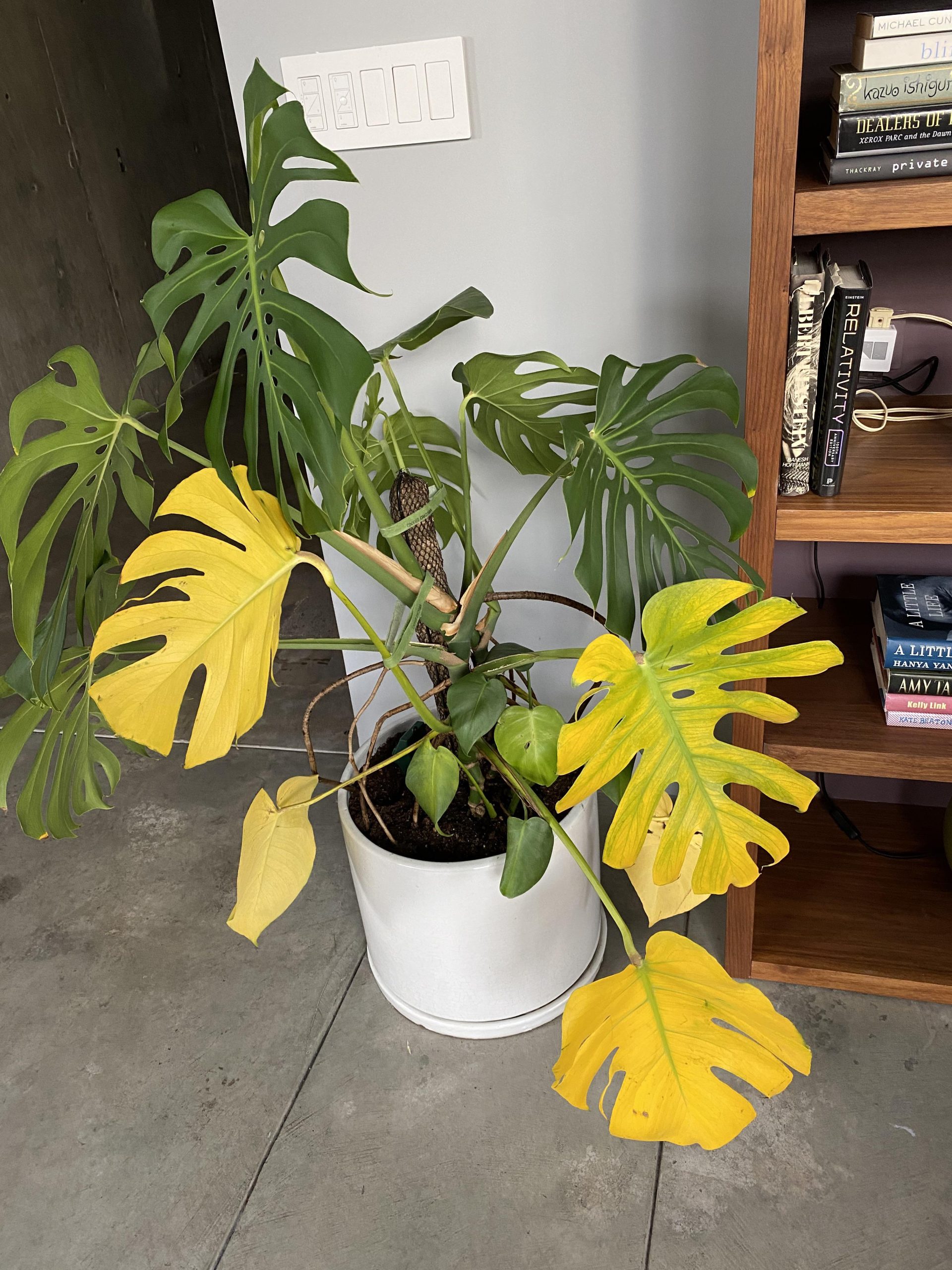
Seeing your Monstera leaves start to yellow can be worrying. You might wonder what is causing this change.
Yellowing leaves on a Monstera plant can signal several issues. It could be due to overwatering, under-watering, or even too much sunlight. Sometimes, it’s a sign of nutrient deficiency or a pest problem. Understanding the root cause is crucial to bringing your Monstera back to its vibrant green state.
This guide will help you identify the reasons behind the yellowing and provide solutions to restore your plant’s health. Whether you are a seasoned plant parent or a newbie, these tips will help keep your Monstera thriving. Let’s dive into how you can save your beloved plant.
Common Causes
Monstera leaves turning yellow can be a cause for concern. Understanding the common causes can help you address the issue effectively. Let’s explore some frequent reasons behind yellowing leaves.
Overwatering
Overwatering is a primary cause of yellowing leaves in Monstera plants. Excess water can drown the roots. This prevents them from getting the oxygen they need. The roots may rot, leading to yellow leaves. Ensure the soil dries out between watering sessions. Check the top inch of soil before watering again.
Underwatering
Underwatering can also lead to yellow leaves. If the plant does not receive enough water, it will struggle. The leaves will turn yellow and become dry. Ensure you water your Monstera regularly. Keep the soil moist but not soggy.
Poor Soil Drainage
Poor soil drainage can cause water to accumulate around the roots. This leads to root rot and yellow leaves. Use well-draining soil to prevent this. Consider adding perlite or sand to improve drainage. Ensure the pot has drainage holes to allow excess water to escape.
Nutrient Deficiencies
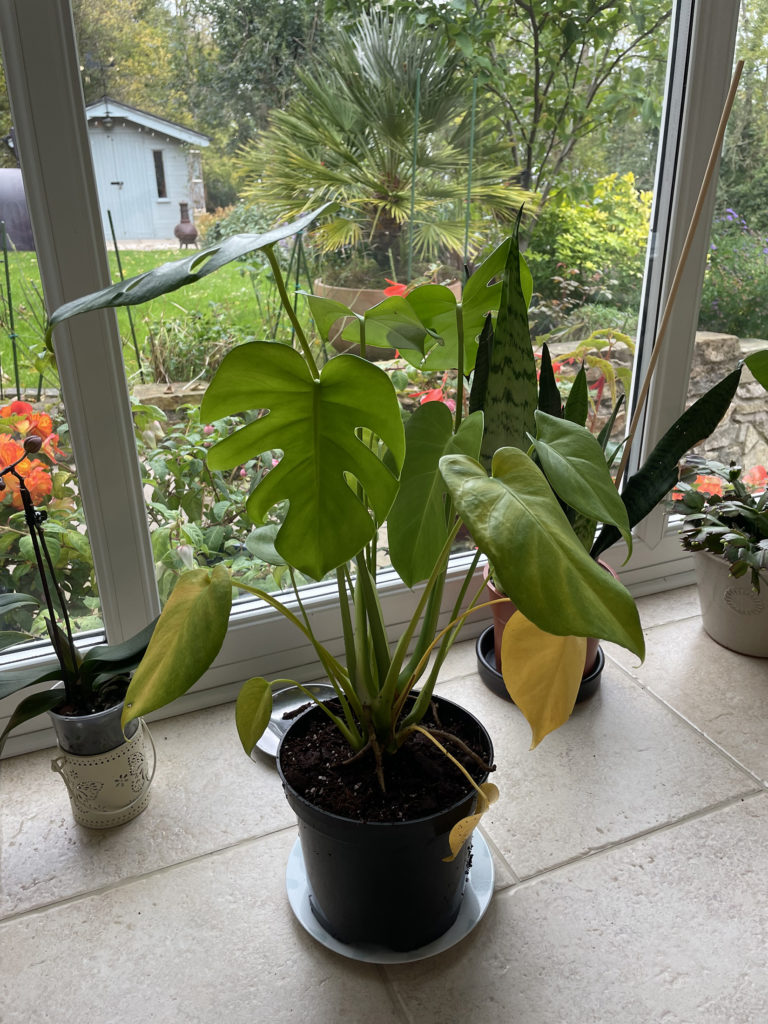
Monstera leaves turning yellow is often a sign of nutrient deficiencies. Plants need various nutrients to thrive, and a lack of essential minerals can affect their health. Understanding these deficiencies can help you restore your Monstera to its vibrant green glory.
Lack Of Nitrogen
Nitrogen is crucial for plant growth and leaf development. Without enough nitrogen, Monstera leaves may turn yellow starting from the older leaves. The plant uses nitrogen to create chlorophyll, which gives leaves their green color. Ensure your plant gets enough nitrogen by using a balanced fertilizer.
Lack Of Magnesium
Magnesium is essential for chlorophyll production. If your Monstera lacks magnesium, you may notice yellowing between the leaf veins. This is called interveinal chlorosis. Magnesium deficiency often appears in older leaves first. To fix this, add Epsom salt to your plant’s water.
Lack Of Iron
Iron is vital for producing chlorophyll. A lack of iron can cause yellowing in new leaves while the veins remain green. This condition is known as iron chlorosis. Iron deficiency can occur in soils with high pH. Use an iron supplement designed for plants to correct this issue.
Pest Infestations
Yellowing Monstera leaves can be a sign of pest infestations. These tiny intruders can cause significant damage to your plant. Identifying and treating these pests early can save your Monstera.
Common Pests
Several pests target Monstera plants. Spider mites, scale insects, and mealybugs are among the most common. These pests feed on the plant’s sap, weakening it over time.
Signs Of Infestation
Look for small web-like structures on the leaves. This often indicates spider mites. Sticky residue on the leaves may be a sign of scale insects. Mealybugs appear as white, cotton-like clusters. Yellowing leaves, stunted growth, and visible pests are clear signs of infestation.
Treatment Options
For spider mites, spray the leaves with water to remove them. For scale insects and mealybugs, use a cotton swab dipped in rubbing alcohol. Apply it directly to the pests. In severe cases, insecticidal soap can be effective. Always follow the instructions on the product label. Consistent monitoring and early action are key to maintaining a healthy Monstera.
:max_bytes(150000):strip_icc()/Why-Are-My-Monstera-Leaves-Turning-Yellow-b2cd94a10c184ae6a214790c893344f7.jpg)
Lighting Issues
Monstera leaves starting to yellow can cause concern for plant owners. One common reason is lighting issues. Understanding the correct lighting can help maintain healthy, green leaves.
Too Much Light
Monstera plants do not thrive under direct sunlight. Too much light can scorch the leaves. The leaves may turn yellow and develop brown spots. If your plant is near a south-facing window, consider moving it. Use sheer curtains to filter the light. Monitor your plant’s reaction to changes in lighting.
Too Little Light
Insufficient light also affects Monstera leaves. They need bright, indirect light to grow well. If placed in a dim room, leaves may yellow. Stunted growth and drooping are other signs of low light. Place your Monstera near a north or east-facing window. Artificial grow lights can supplement natural light.
Optimal Light Conditions
Finding the right balance is key. Monstera plants prefer bright, filtered light. Avoid direct sunlight and low light areas. Here’s a quick guide:
| Light Condition | Action |
|---|---|
| Direct Sunlight | Move to shaded area or use curtains |
| Low Light | Relocate to brighter area or use grow lights |
| Bright, Indirect Light | Ideal placement for Monstera plants |
Regular monitoring ensures your Monstera receives optimal light. This keeps the leaves healthy and green.
Temperature Problems
Temperature problems can make Monstera leaves turn yellow. Temperature extremes, both hot and cold, can stress the plant. Let’s explore the main temperature issues that could be affecting your Monstera.
Cold Drafts
Cold drafts can be harmful to Monstera plants. These drafts make the leaves turn yellow and droopy. Avoid placing your Monstera near windows or doors that frequently open. Even a brief exposure to cold air can cause damage.
Heat Stress
Heat stress can also cause yellowing of Monstera leaves. High temperatures can make the plant lose moisture quickly. This stress manifests in yellow or brown leaf edges. Keep your Monstera away from direct sunlight and heating vents.
Ideal Temperature Range
Monstera plants thrive in a specific temperature range. The ideal temperature is between 65°F and 85°F. Maintaining this range helps the plant grow healthy and vibrant. Use a thermometer to monitor the room temperature regularly.
Humidity Levels
Humidity levels play a crucial role in the health of your Monstera leaves. If they start to yellow, it might be due to incorrect humidity levels. Let’s explore how low and high humidity affect your plant and how to balance it for optimal growth.
Low Humidity
Monstera plants thrive in high humidity environments. Low humidity can cause the leaves to dry out. This results in yellowing and browning edges. If your home has low humidity, your Monstera may suffer. Consider using a humidifier or misting the leaves regularly. This helps maintain the moisture levels your plant needs.
High Humidity
While Monstera plants love humidity, too much can be harmful. High humidity can promote mold growth and attract pests. This can also lead to yellowing leaves. Ensure your plant has good air circulation. This helps to prevent excessive moisture buildup around the leaves.
Balancing Humidity
Finding the right balance is key. Aim for a humidity level between 40% and 60%. Use a hygrometer to monitor the humidity levels. Adjust as needed with a humidifier or by increasing airflow. Your Monstera will thank you with vibrant, healthy leaves.
Transplant Shock
Transplant shock is a common issue when moving Monstera plants. It can cause the leaves to turn yellow. This happens when the roots are disturbed during repotting. The plant struggles to adapt to the new environment. Understanding transplant shock can help save your Monstera from further damage.
Symptoms
- Yellowing leaves
- Wilting or drooping leaves
- Stunted growth
- Leaf drop
Yellowing leaves are the most obvious sign. The plant may look weak and tired. You might notice some leaves falling off. These symptoms indicate that your Monstera is stressed.
Recovery Tips
- Water Properly: Keep the soil moist but not soggy. Overwatering can worsen the problem.
- Provide Shade: Place the plant in a shaded area to reduce stress.
- Use Fertilizer: Apply a balanced fertilizer to support recovery.
- Prune Dead Leaves: Remove yellow or dead leaves to help the plant focus on healthy growth.
- Check Roots: Ensure the roots are healthy and not damaged.
These tips can help your Monstera recover faster. Follow them regularly and be patient. The plant needs time to adjust and heal.
Preventive Measures
| Action | Benefit |
|---|---|
| Handle Roots Gently | Reduces root damage during transplanting |
| Use Proper Soil | Ensures good drainage and aeration |
| Water Appropriately | Prevents overwatering and root rot |
| Choose Right Time | Transplant during the growing season for best results |
Taking preventive measures can minimize transplant shock. Handle the roots with care. Use the right soil mix. Water the plant properly and choose the best time for transplanting. These actions will keep your Monstera healthy and vibrant.
Regular Maintenance
Monstera plants need regular maintenance to stay healthy. If your monstera leaves start to yellow, it may be a sign of improper care. Regular maintenance can help keep your plant vibrant and green. This section covers key aspects of monstera care, including pruning, cleaning leaves, and following a fertilizing schedule.
Pruning Tips
Pruning is essential for a healthy monstera. It promotes new growth and removes dead or yellowing leaves. Here are some pruning tips:
- Use clean, sharp scissors or pruning shears.
- Cut just above a leaf node or stem joint.
- Remove any yellow, brown, or damaged leaves.
- Prune in spring or early summer for best results.
Cleaning Leaves
Dust and dirt can block sunlight and reduce photosynthesis. Cleaning your monstera leaves is crucial. Follow these steps:
- Use a soft, damp cloth to wipe each leaf.
- Hold the leaf gently to avoid damage.
- Clean both the top and bottom of each leaf.
- Do this once a month to keep your plant healthy.
Fertilizing Schedule
Fertilizing provides essential nutrients for your monstera. A proper fertilizing schedule can prevent yellowing leaves. Here is a simple schedule:
| Season | Frequency | Type of Fertilizer |
|---|---|---|
| Spring | Every 4 weeks | Balanced liquid fertilizer |
| Summer | Every 4 weeks | Balanced liquid fertilizer |
| Fall | Every 6-8 weeks | Slow-release fertilizer |
| Winter | Do not fertilize | None |
Always follow the instructions on the fertilizer package. Over-fertilizing can harm your plant.
Frequently Asked Questions
Why Are My Monstera Leaves Turning Yellow?
Monstera leaves often turn yellow due to overwatering. Ensure the soil dries out between waterings. Check for drainage issues and adjust your watering schedule accordingly.
How Can I Fix Yellowing Monstera Leaves?
To fix yellowing leaves, first, adjust your watering habits. Also, ensure the plant gets indirect light. Check for pests and treat if necessary.
Is Yellowing A Sign Of Monstera Disease?
Yellowing can be a sign of disease or pest infestation. Examine the plant closely for any signs of pests or fungal infections.
Can Lack Of Light Cause Monstera Leaves To Yellow?
Yes, lack of light can cause yellowing. Monstera plants need bright, indirect light to thrive. Adjust the plant’s location if needed.
Conclusion
Yellowing Monstera leaves can signal a few different issues. Check for proper watering, light, and nutrients. Adjust these factors to improve your plant’s health. Prune yellow leaves to help new growth. Regularly inspect for pests and diseases. A little care goes a long way.
Keep your Monstera thriving and green. Happy gardening!
Leave a Reply