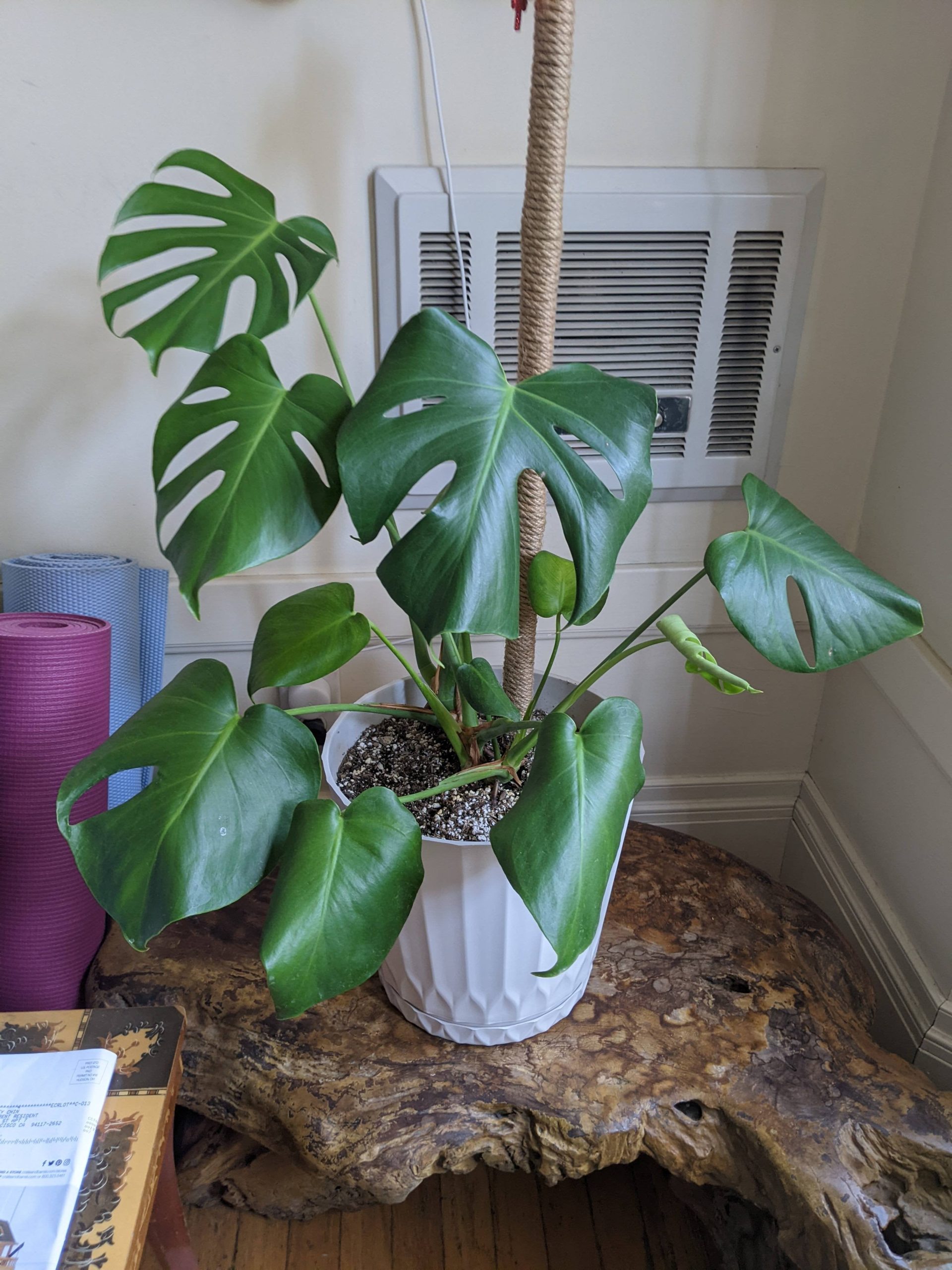
Noticing your Monstera leaves starting to curl can be worrying. Is it a sign of trouble?
Understanding why this happens is essential to keep your plant healthy and thriving. Monstera plants are popular for their striking, large leaves. But when these leaves start to curl, it signals that something is off. Several factors could be causing this issue, such as watering problems, pests, or even light conditions.
Knowing what to look for and how to address these issues can help you restore your Monstera to its lush, vibrant state. In this post, we’ll explore the common reasons behind Monstera leaf curling and offer practical solutions to help you care for your plant.
Common Causes Of Curling
Monstera leaves curling can be a common issue. Understanding the causes can help. This section will cover the main reasons why your Monstera leaves may be curling.
Underwatering
Underwatering can make Monstera leaves curl. When plants don’t get enough water, they try to conserve moisture. The leaves may curl inwards. Check the soil. If it feels dry, your plant may need more water. Water the plant thoroughly and let the excess drain out.
Overwatering
Overwatering is another cause of curling. Too much water can drown the roots. This prevents the plant from absorbing nutrients. The leaves may then start to curl. Feel the soil. If it feels soggy, cut back on watering. Allow the soil to dry out between waterings.
Low Humidity
Low humidity can also cause curling. Monstera plants thrive in humid environments. If the air is too dry, the leaves can curl. Increase humidity around the plant. Use a humidifier or mist the leaves regularly. Placing the plant on a tray with water and pebbles can also help.
Environmental Factors
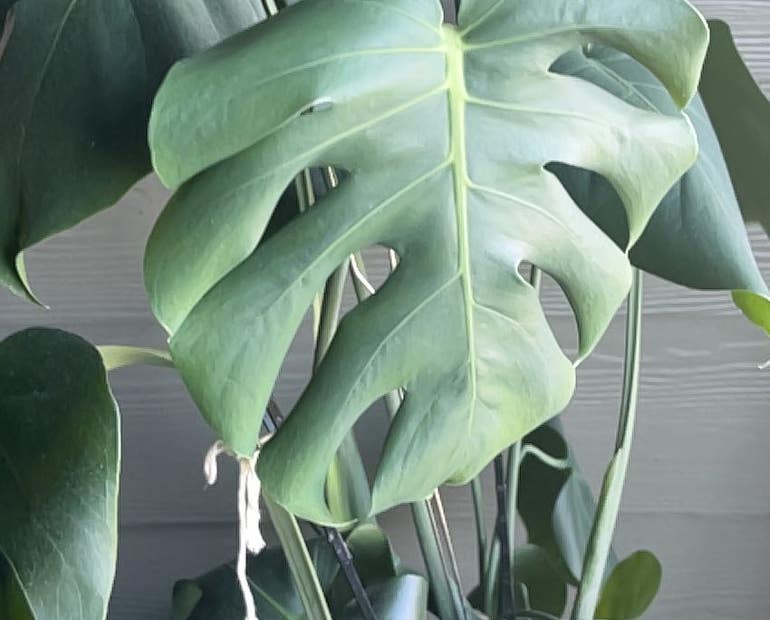
Monstera leaves can start to curl due to various environmental factors. Understanding these factors can help you provide the best care for your plant. Below are some key environmental factors to consider:
Temperature Extremes
Monstera plants thrive in temperatures between 65-85°F (18-29°C). Extreme temperatures can cause leaves to curl. If it’s too hot, the plant loses moisture faster, leading to curling leaves. If it’s too cold, the plant goes into shock, which also causes curling.
| Temperature Range | Effect on Monstera |
|---|---|
| Below 65°F (18°C) | Possible leaf curling due to cold shock |
| 65-85°F (18-29°C) | Optimal range, minimal leaf curling |
| Above 85°F (29°C) | Possible leaf curling due to heat stress |
Drafts And Airflow
Drafts and poor airflow can also lead to curling leaves. Monstera plants prefer stable air conditions. Avoid placing the plant near windows, doors, or air vents. Sudden air movement can stress the plant, causing the leaves to curl.
- Avoid placing near open windows
- Keep away from air conditioning vents
- Stabilize airflow around the plant
Light Conditions
Light conditions are crucial for Monstera plants. They thrive in bright, indirect light. Too much direct sunlight can scorch the leaves, leading to curling. Conversely, insufficient light can cause the leaves to curl as the plant struggles to photosynthesize.
- Place the plant in a well-lit room
- Avoid direct sunlight for long periods
- Consider using a sheer curtain to filter light
Monitoring these environmental factors can help keep your Monstera healthy and prevent leaf curling.
Nutrient Deficiencies
Monstera leaves curling can signal nutrient deficiencies. Plants need balanced nutrients for healthy growth. Let’s explore the key nutrient deficiencies that cause leaf curling.
Lack Of Magnesium
Magnesium is vital for chlorophyll production. Without it, leaves turn yellow and curl. Ensure your plant gets enough magnesium. You can use Epsom salts to supplement. Dissolve them in water and feed the plant once a month.
Nitrogen Imbalance
Nitrogen is crucial for leafy growth. Too much or too little nitrogen can cause curling. Check your soil’s nitrogen levels. If it’s low, use a balanced fertilizer. If it’s high, flush the soil with water. This helps balance nitrogen levels.
Iron Deficiency
Iron deficiency leads to yellowing between leaf veins. This condition is called chlorosis. It also causes leaf curling. Use an iron supplement to treat this. You can find iron chelates at garden centers. Apply as directed to restore plant health.
| Nutrient | Symptoms | Solution |
|---|---|---|
| Magnesium | Yellow leaves, curling | Epsom salts |
| Nitrogen | Leaf curling, yellowing | Balanced fertilizer |
| Iron | Yellow veins, curling | Iron chelates |
Addressing these nutrient deficiencies can help keep your Monstera leaves healthy and flat.
Pest Infestations
Monstera leaves curling can be a sign of pest infestations. Pests feed on the plant, causing damage. Identifying these pests is crucial for treatment. Let’s look at some common culprits.
Spider Mites
Spider mites are tiny, but they cause big problems. They suck the sap from Monstera leaves. This results in curling and yellow spots. You might also see fine webbing on the leaves. Regularly check under the leaves for these pests. Use insecticidal soap or neem oil to treat them.
Thrips
Thrips are small, slender insects. They puncture plant cells to feed. This causes leaves to curl and discolor. Thrips are hard to see with the naked eye. Look for their damage on the leaves. Sticky traps can help in detecting them. Neem oil or insecticidal soap works well against thrips too.
Scale Insects
Scale insects are small, round pests. They attach themselves to the plant and feed on its sap. This causes curling and yellowing of the leaves. Scale insects are often found in clusters. You can remove them by hand or use a cotton swab dipped in alcohol. Insecticidal soap can also be effective.
Disease Issues
Monstera leaves curling can signal disease issues. Understanding these diseases helps you treat and prevent further damage. Curled leaves often indicate underlying problems that need immediate attention.
Fungal Infections
Fungal infections are common in Monstera plants. They cause leaves to curl and discolor. Fungi thrive in moist environments. Overwatering is a common cause. Ensure proper drainage and avoid waterlogged soil. Use fungicides to treat infected plants. Remove affected leaves to prevent the spread.
Bacterial Infections
Bacterial infections can also lead to curling leaves. Symptoms include spots, yellowing, and wilting. Bacteria spread through contaminated water or soil. Use sterilized tools and clean water. Remove infected parts of the plant. Apply bactericides to control the infection. Ensure good air circulation around your Monstera.
Viral Diseases
Viral diseases are less common but still harmful. Infected plants show stunted growth and curled leaves. Viruses spread through insects or infected tools. Quarantine new plants before introducing them. Use insecticidal soap to control pests. Remove and dispose of infected plants to stop the virus. Regularly inspect your Monstera for signs of disease.
Soil Problems
Monstera leaves curling can often be traced back to soil problems. These issues can stress the plant, leading to various symptoms, including curling leaves. Understanding and addressing soil problems is crucial for keeping your Monstera healthy.
Poor Drainage
Poor drainage can cause water to sit around the roots, leading to root rot. Root rot cuts off nutrients, causing the leaves to curl. To ensure proper drainage, use a pot with drainage holes. Adding perlite or sand to the soil mix can also help.
| Problem | Solution |
|---|---|
| Poor Drainage | Use a pot with holes, add perlite or sand |
Soil Ph Imbalance
Soil pH imbalance can affect nutrient uptake. Monstera prefers a slightly acidic to neutral pH. Use a soil pH tester to check the levels. If the pH is too high or too low, amend the soil accordingly.
- Check pH levels regularly
- Use lime to raise pH
- Use sulfur to lower pH
Compacted Soil
Compacted soil restricts root growth and water absorption. This can cause the leaves to curl. To avoid compacted soil, repot your Monstera every 1-2 years. Use a light, airy soil mix.
- Check soil texture
- Repot every 1-2 years
- Use a soil mix with peat and perlite
Improper Pot Size
Improper pot size is a common cause of Monstera leaves curling. The pot size directly affects the plant’s root health. Both too small and too large pots can lead to issues. Understanding the right pot size helps in maintaining healthy Monstera leaves.
Root Bound Conditions
Monstera plants in small pots often become root bound. This means roots circle the pot with no space to grow. Root bound conditions stress the plant. Stressed roots cannot absorb water and nutrients efficiently. This leads to curling leaves.
Oversized Pots
Using a pot that is too large can also harm your Monstera. In oversized pots, soil retains too much moisture. Excess moisture leads to root rot. Root rot weakens the plant and causes leaf curling. Proper drainage is essential to prevent this.
Repotting Tips
Repot your Monstera when it outgrows its pot. Choose a pot that is 2 inches larger in diameter. Ensure the new pot has drainage holes. Use fresh, well-draining soil. Gently untangle the roots before placing the plant in the new pot. Water the plant thoroughly after repotting.
Solutions And Preventative Measures
Monstera leaves curling can be concerning. Various factors contribute to this issue. Fortunately, there are solutions and preventative measures to keep your plant healthy.
Proper Watering Techniques
Watering plays a crucial role in leaf health. Overwatering or underwatering can cause curling. Check the soil before watering. It should be dry one inch below the surface. Use room temperature water. Water thoroughly until it drains out of the bottom. Avoid letting the plant sit in water.
Humidity Control
Monstera plants love humidity. Low humidity can cause leaves to curl. Aim for 60% humidity levels. Use a humidifier to maintain moisture in the air. Misting the leaves occasionally can also help. Grouping plants together increases humidity as well.
Balanced Fertilization
Nutrient imbalance affects leaf health. Use a balanced, water-soluble fertilizer. Fertilize once a month during growing season. Follow the instructions on the fertilizer package. Too much fertilizer can burn the roots. This causes the leaves to curl. Flush the soil occasionally to remove excess salts.

Frequently Asked Questions
Why Are My Monstera Leaves Curling?
Monstera leaves curl due to underwatering, low humidity, or nutrient deficiencies. Ensure consistent watering, increase humidity, and check soil nutrients.
How Do I Fix Curled Monstera Leaves?
Fix curled Monstera leaves by adjusting watering, maintaining humidity above 60%, and providing balanced fertilizer regularly.
Can Overwatering Cause Monstera Leaves To Curl?
Yes, overwatering can cause Monstera leaves to curl. Ensure proper drainage and avoid waterlogged soil to prevent this.
Do Pests Cause Monstera Leaf Curling?
Yes, pests like spider mites can cause Monstera leaves to curl. Inspect and treat your plant with insecticidal soap.
Conclusion
Curled Monstera leaves signal a need for attention. Check the light and water. Adjust care routines to keep your plant healthy. Regularly inspect for pests and diseases. Ensure your Monstera receives proper humidity. Healthy leaves mean a happy plant. Simple steps make a big difference.
Your Monstera will thank you with lush, green foliage. Keep learning about your plant’s needs. Enjoy the beauty of thriving Monstera leaves in your home.
Leave a Reply