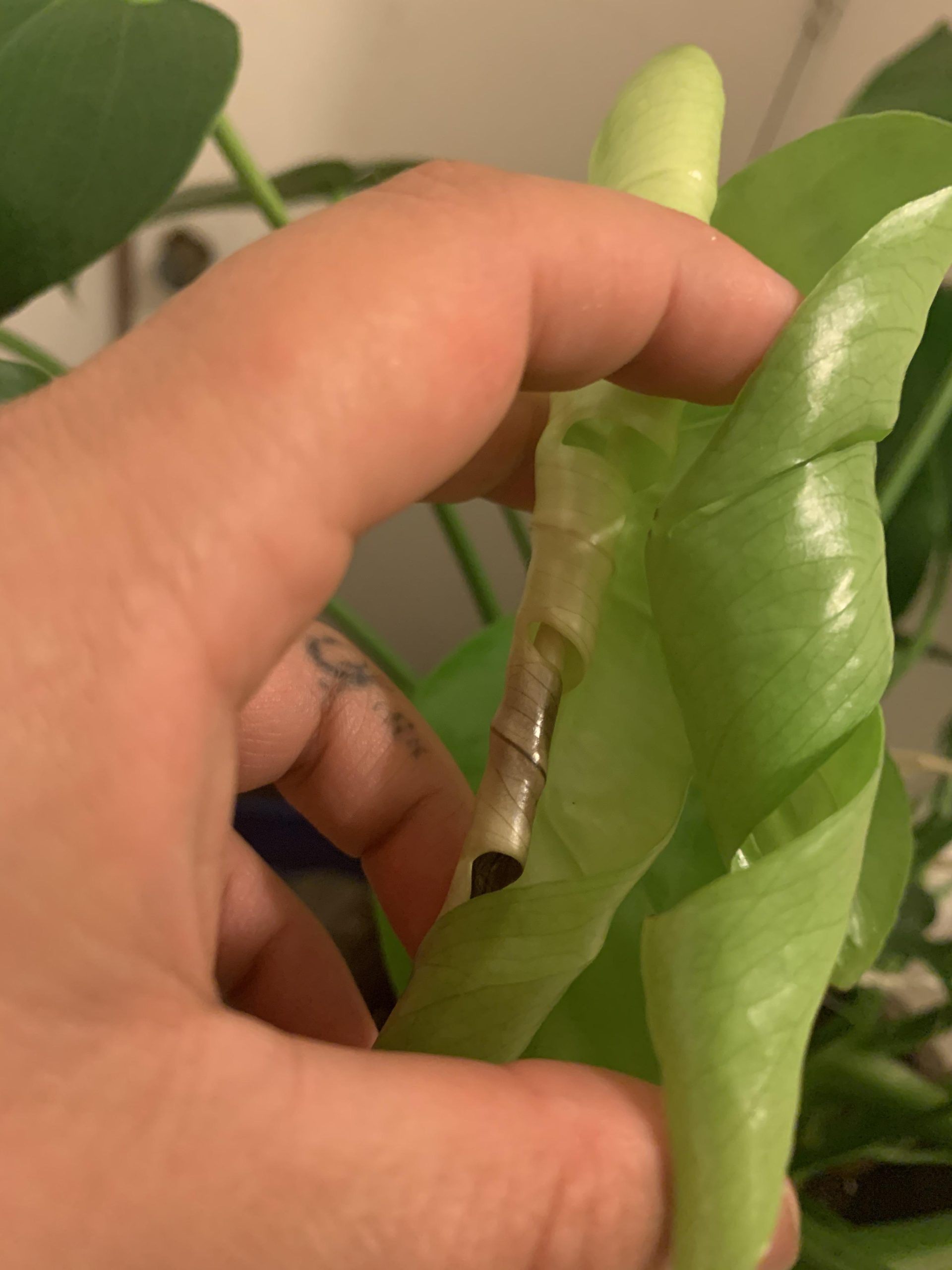
Is your Monstera leaf stuck and won’t unfurl? This issue can be troubling for plant lovers.
Monstera plants are famous for their beautiful, large leaves. When a new leaf doesn’t unfurl, it can be a sign of stress or other problems. Understanding why this happens is important to keep your plant healthy. Sometimes, the cause is simple and easy to fix.
Other times, it might need a bit more attention. This blog post will explain common reasons behind this issue and how to help your Monstera leaf unfold properly. Keep reading to learn how to care for your Monstera and enjoy its full beauty.
Common Causes
Is your Monstera leaf refusing to unfurl? Several factors can contribute to this issue. Understanding these common causes can help you provide better care for your plant. Let’s explore some of the most frequent reasons why your Monstera leaf might be stuck in its cocoon.
Lack Of Humidity
Monstera plants thrive in humid environments. Low humidity levels can cause the leaves to stay curled. Aim for a humidity level of at least 60%. Use a humidifier or place a tray of water near the plant to increase moisture.
Insufficient Light
Monstera plants need bright, indirect light to grow well. If the plant is in a dark corner, it may struggle to unfurl new leaves. Place your Monstera near a window with filtered sunlight. Avoid direct sunlight, as it can scorch the leaves.
Temperature Fluctuations
Monstera plants prefer stable temperatures. Sudden changes in temperature can stress the plant. Keep the temperature between 65°F and 85°F. Avoid placing the plant near drafty windows or heating vents.
| Cause | Solution |
|---|---|
| Lack of Humidity | Use a humidifier or water tray |
| Insufficient Light | Place near filtered sunlight |
| Temperature Fluctuations | Maintain stable temperatures |

Ideal Conditions
For your Monstera leaf to unfurl properly, it is crucial to provide the ideal conditions. Understanding the optimal environment for your plant will ensure its health and growth. Below, we will discuss three key factors: humidity levels, lighting, and temperature.
Optimal Humidity Levels
Monstera plants thrive in humid environments. Aim for a humidity level of 60-70%. If you live in a dry area, consider using a humidifier. Alternatively, you can mist the leaves daily. Placing a tray of water near the plant can also help. Keep an eye on the leaves; if they appear dry, increase the humidity.
Proper Lighting
Light is essential for the growth of Monstera leaves. Place your plant in a spot with bright, indirect light. Direct sunlight can scorch the leaves. If natural light is limited, use grow lights. Ensure the plant receives 10-12 hours of light daily. Rotate the plant occasionally to ensure even light distribution.
Stable Temperature
Monstera plants prefer stable temperatures. Keep the temperature between 65-85°F (18-29°C). Avoid placing the plant near drafts or heat sources. Sudden temperature changes can stress the plant. Monitor the temperature with a room thermometer. If the room is too cold, use a space heater to maintain warmth.
Watering Practices
Proper watering practices are essential for the health of your Monstera plant. Watering mistakes can prevent the leaves from unfurling properly. Let’s explore the critical aspects of watering to ensure your Monstera thrives.
Frequency
Water your Monstera when the top inch of soil feels dry. Avoid watering on a strict schedule. Instead, check the soil regularly to determine its needs. Overwatering can lead to root rot, hindering leaf unfurling.
Water Quality
Use room temperature, filtered water for your Monstera. Tap water can contain chlorine and other chemicals that harm the plant. Let tap water sit out for 24 hours before using it.
Drainage
Ensure your Monstera pot has proper drainage holes. Good drainage prevents water from sitting at the bottom, which can cause root issues. Use well-draining soil to promote healthy root growth.

Nutrient Requirements
Understanding the nutrient requirements of your Monstera plant is crucial. Proper nutrients ensure the leaves unfurl properly. Monstera plants need specific nutrients to thrive and grow.
Essential Nutrients
Monstera plants require a balanced mix of essential nutrients. These include:
- Nitrogen (N) – Promotes leafy growth.
- Phosphorus (P) – Supports root development and flower production.
- Potassium (K) – Enhances overall plant health and disease resistance.
Additionally, they need micronutrients like iron, magnesium, and calcium. These micronutrients play a vital role in various plant functions.
Fertilization Schedule
Creating a proper fertilization schedule is important. Follow these steps:
- Use a balanced liquid fertilizer every two weeks during the growing season (spring and summer).
- Reduce fertilization to once a month during fall and winter.
- Ensure the soil is moist before applying fertilizer to prevent root burn.
Over-fertilization can harm the plant. Stick to the recommended amounts on the fertilizer package.
Signs Of Deficiency
Look for signs of deficiency in your Monstera plant. These can include:
- Yellowing leaves (Nitrogen deficiency).
- Poor root growth (Phosphorus deficiency).
- Weak stems and leaf edges turning brown (Potassium deficiency).
Addressing these deficiencies promptly helps your Monstera leaves unfurl properly. Regularly check your plant for these signs.
Pest And Disease Control
Dealing with a Monstera leaf that won’t unfurl can be frustrating. Often, pests and diseases are the culprits. Proper pest and disease control is vital. This ensures your Monstera remains healthy and vibrant. In this section, we will cover common pests, fungal infections, and prevention tips.
Common Pests
Several pests can affect Monstera plants. Spider mites are tiny and hard to see. They leave yellow spots on the leaves. Mealybugs are another common pest. They appear as white, cotton-like masses. Scale insects can also be a problem. They attach to the stem and leaves, sucking the plant’s sap.
Fungal Infections
Fungal infections can hinder leaf unfurling. Root rot is a common issue. It occurs due to overwatering. Fungi thrive in moist conditions. Leaf spot is another fungal problem. It causes brown or black spots on leaves. Powdery mildew is a white, powdery substance on the leaves.
Prevention Tips
Prevention is key to a healthy Monstera. Ensure proper watering. Avoid overwatering to prevent root rot. Keep the plant in a well-ventilated area. This helps reduce fungal growth. Inspect your plant regularly for pests. Use insecticidal soap if needed. Keep your plant clean. Wipe the leaves with a damp cloth.
Pruning Techniques
Pruning your Monstera can help it grow better and look healthier. It encourages new growth and can solve problems like leaves not unfurling. Let’s explore some effective pruning techniques.
When To Prune
Prune your Monstera in the spring or early summer. This is when the plant is actively growing. Avoid pruning in the fall or winter. The plant is dormant during these seasons.
Look for signs of yellowing leaves or stems. These are good indicators it’s time to prune. Also, if your plant looks too crowded, it’s a good time to trim.
How To Prune
First, identify which leaves or stems need to be removed. Cut off any yellow or damaged leaves. This allows the plant to focus energy on healthy growth. Trim any overgrown stems to shape the plant.
Make clean cuts close to the main stem. This helps prevent disease and encourages new growth. Always cut at a slight angle. This promotes better healing.
After pruning, keep the plant in a well-lit area. Ensure it gets proper care to recover quickly.
Tools Needed
| Tool | Purpose |
|---|---|
| Pruning Shears | To make clean cuts on stems and leaves. |
| Disinfectant | To clean shears before and after pruning. Prevents disease. |
| Gloves | To protect your hands from sap or cuts. |
Ensure all tools are sharp and clean. This makes pruning easier and safer for the plant.
Repotting
Repotting your Monstera can help if its leaves won’t unfurl. A plant can outgrow its pot and need more space. Repotting allows the roots to breathe and absorb nutrients better. It can also help if the soil has degraded or become compacted.
When To Repot
Knowing when to repot your Monstera is crucial. Look for signs like roots growing out of the drainage holes. If the plant seems root-bound, it’s time to repot. Yellowing leaves and slow growth can also indicate the need for a new pot.
Choosing The Right Pot
Choosing the right pot is essential for your Monstera’s health. Pick a pot that’s 2-3 inches larger in diameter than the current one. Ensure it has drainage holes to prevent waterlogging. A well-draining soil mix is also vital for Monstera plants.
Repotting Steps
- Prepare the new pot: Fill it with a layer of well-draining soil.
- Remove the plant: Gently take the Monstera out of its current pot.
- Inspect the roots: Check for any damaged or rotting roots and trim them.
- Place in new pot: Position the plant in the center of the new pot.
- Add soil: Fill around the roots with fresh soil, up to the base of the plant.
- Water thoroughly: Water the plant well to settle the soil.
Following these steps can help your Monstera thrive. Repotting gives the plant room to grow and flourish.
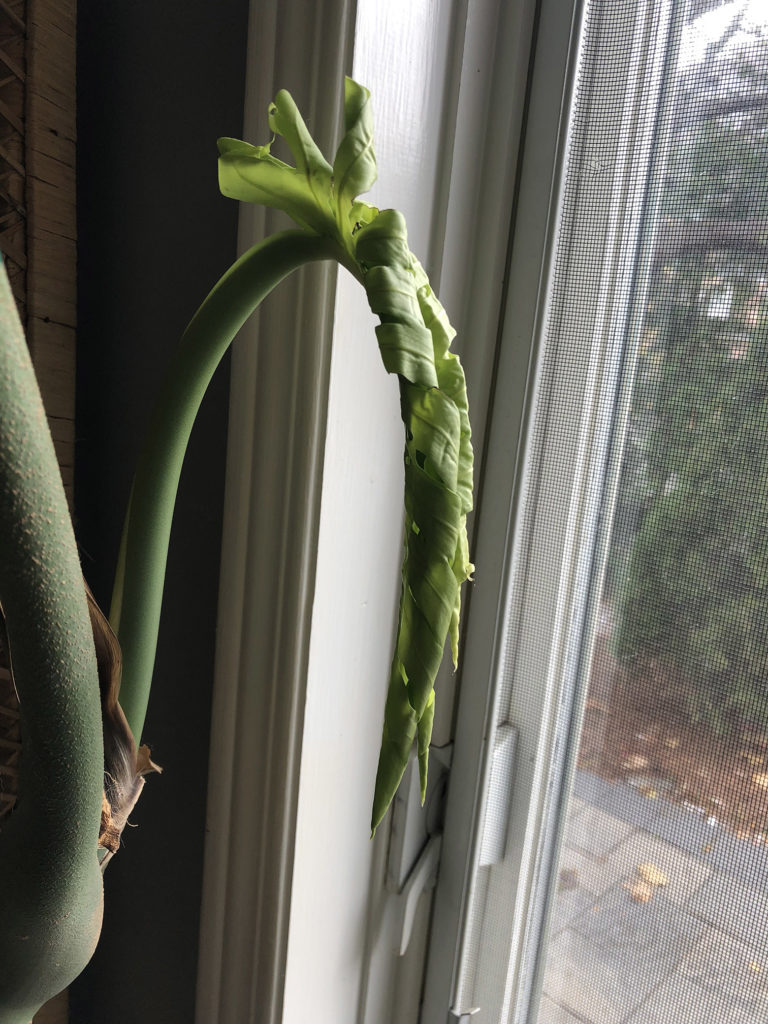
Monitoring And Maintenance
Proper monitoring and maintenance are key to ensuring your Monstera leaf unfurls successfully. Pay close attention to your plant’s needs and make necessary adjustments. This will help prevent issues and promote healthy growth.
Regular Inspections
Conduct regular inspections of your Monstera plant. Check the leaves, soil, and overall health. Look for signs of pests, diseases, or any unusual changes. This way, you can catch problems early and address them promptly.
Use a simple checklist to guide your inspections:
- Inspect leaves for spots or discoloration
- Check soil moisture levels
- Look for pests like spider mites or aphids
- Examine roots for signs of rot
Adjusting Care Routine
Sometimes, your Monstera may need a change in its care routine. Adjust watering schedules, light exposure, or fertilization based on your plant’s needs. If the leaf isn’t unfurling, consider these adjustments:
- Ensure the plant receives indirect sunlight
- Water when the top inch of soil is dry
- Increase humidity around the plant
These changes can help create a more suitable environment for your Monstera to thrive.
Long-term Health
Maintaining the long-term health of your Monstera is essential. Regular pruning, repotting, and fertilizing can keep your plant robust. Follow these tips for long-term health:
- Prune dead or yellowing leaves to encourage new growth
- Repot every 2-3 years to refresh the soil
- Fertilize monthly during the growing season
By focusing on monitoring and maintenance, your Monstera will have the best chance to flourish and display its beautiful leaves.
Frequently Asked Questions
Why Is My Monstera Leaf Not Unfurling?
Monstera leaves may not unfurl due to insufficient humidity, inadequate watering, or low light. Ensure the plant gets enough indirect light, maintain high humidity, and water it properly.
How Do I Help A Monstera Leaf Unfurl?
To help a Monstera leaf unfurl, increase humidity, provide adequate light, and water consistently. Mist the plant regularly and consider using a humidifier.
Can Monstera Leaves Get Stuck?
Yes, Monstera leaves can get stuck if humidity is too low or if there is insufficient light. Regularly misting the plant can help.
How Long Does It Take For Monstera Leaves To Unfurl?
Monstera leaves typically take one to two weeks to unfurl. Factors like light, humidity, and watering affect the unfurling process.
Conclusion
Caring for your Monstera can be rewarding. Be patient. Monitor light and water. These factors help leaves unfurl. A healthy plant brings joy. Keep learning and adjusting. Your Monstera will thrive. Happy growing!
Leave a Reply