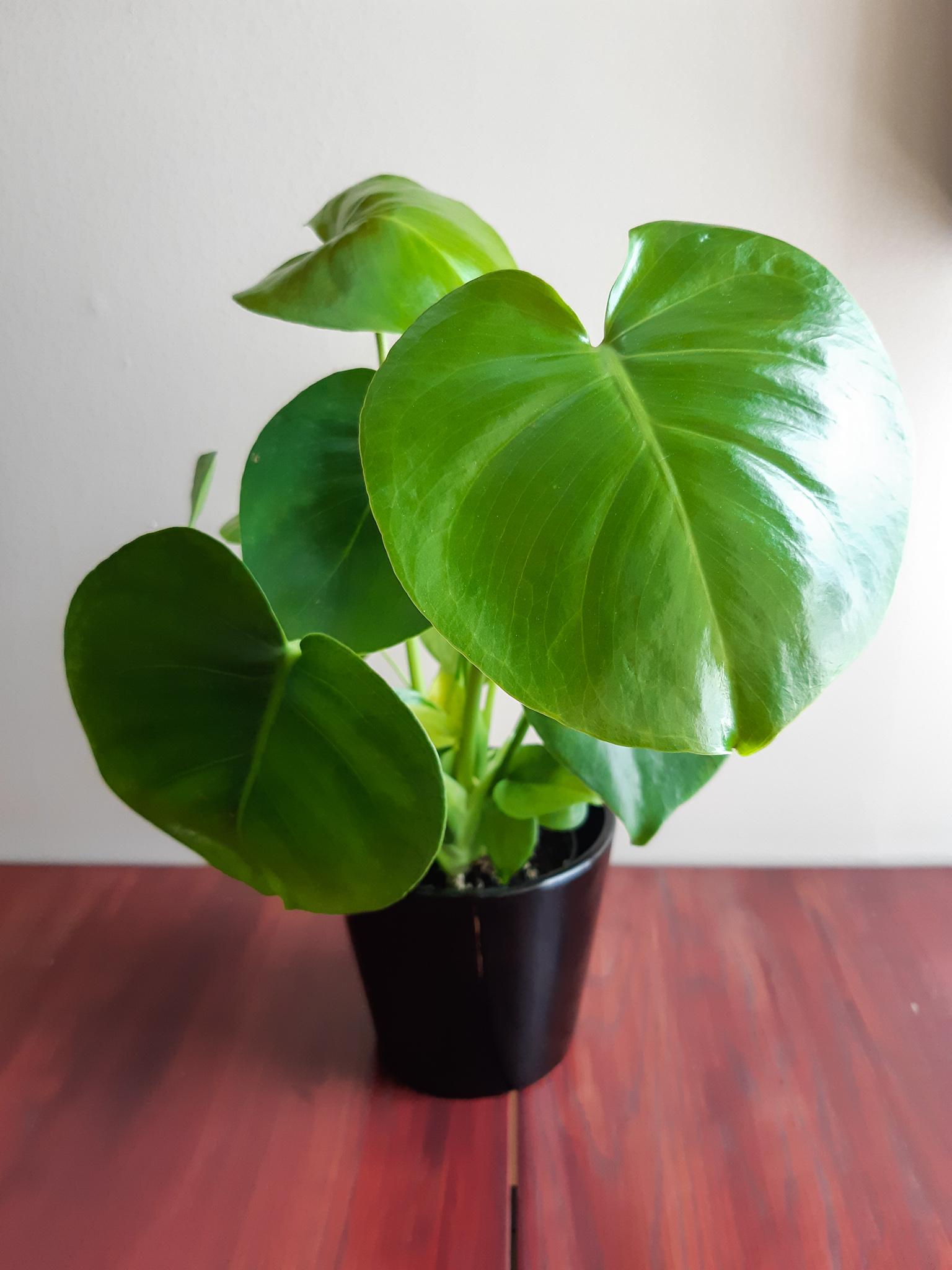
Monstera plants are famous for their unique leaves with natural holes. But what happens when your Monstera doesn’t have holes?
This can puzzle many plant lovers and leave them searching for answers. A Monstera without holes might seem unusual, but there are reasons behind it. Understanding these reasons can help you care for your plant better. Factors like plant age, light conditions, and overall health play key roles.
Knowing why your Monstera lacks holes can guide you in making the right changes. In this blog, we will explore these factors and offer solutions. This way, your Monstera can thrive and display the beautiful leaves it’s known for. Stay with us to learn more about helping your Monstera achieve its full potential.

Common Causes
Monstera plants are known for their unique leaves with natural holes. Sometimes, these holes do not appear. This can be disappointing for plant lovers. Understanding the common causes can help solve this issue.
Lack Of Light
Monstera plants need bright, indirect light. Without enough light, the plant may not form holes. Low light slows down growth. The leaves stay small and solid. Place your Monstera near a window. Ensure it gets enough light daily.
Improper Watering
Watering mistakes can also affect leaf development. Overwatering or underwatering can stress the plant. Stressed plants may not produce holes in their leaves. Water your Monstera when the top inch of soil is dry. Use well-draining soil to prevent waterlogging. Consistent watering is key for healthy growth.

Nutrient Deficiency
Have you noticed your Monstera plant doesn’t have the iconic holes in its leaves? This could be due to a nutrient deficiency. Proper nutrients are essential for the health and growth of your Monstera. Let’s explore how to ensure your plant gets the right nutrients.
Essential Nutrients
Monsteras require a balance of essential nutrients to thrive. These include:
- Nitrogen (N) – Promotes leaf growth.
- Phosphorus (P) – Supports root development and flowering.
- Potassium (K) – Enhances overall plant health.
Lack of these nutrients can cause your Monstera to develop leaves without holes. Ensure you provide a balanced diet for your plant.
Fertilizer Tips
Choosing the right fertilizer is crucial for your Monstera’s health. Here are some tips:
- Use a balanced, water-soluble fertilizer with an NPK ratio of 20-20-20.
- Feed your Monstera once a month during the growing season (spring and summer).
- Reduce feeding in fall and winter when the plant’s growth slows.
Over-fertilizing can harm your plant, so always follow the instructions on the fertilizer package.
Humidity Levels
Understanding the humidity levels is crucial for the health of your Monstera plant. Proper humidity ensures your plant thrives and develops those iconic holes in its leaves. Let’s delve into the details of ideal humidity and how to maintain it.
Ideal Humidity
Monstera plants prefer a humidity level between 60% to 80%. This range mimics their natural tropical environment. In lower humidity, the plant may not develop holes in its leaves. You can measure humidity with a hygrometer.
Maintaining Humidity
There are several ways to maintain the ideal humidity for your Monstera:
- Use a humidifier: This is the most effective way to add moisture to the air.
- Mist the leaves: Spray the leaves with water a few times a week.
- Place a tray of water: Fill a tray with water and place it near the plant. The water will evaporate and increase humidity.
- Group plants together: Plants release moisture through transpiration, so grouping them can help increase humidity.
Below is a simple table to summarize these methods:
| Method | Effectiveness |
|---|---|
| Humidifier | High |
| Misting | Medium |
| Water Tray | Low to Medium |
| Grouping Plants | Medium |
Maintaining proper humidity levels ensures your Monstera thrives. Keep these tips in mind to see those beautiful holes in the leaves.

Age Of The Plant
Understanding the age of a Monstera plant is crucial for its care. The age determines many characteristics, including the presence of holes in the leaves. Let’s explore how young and mature Monsteras differ in this aspect.
Young Monstera
Young Monstera plants often lack holes in their leaves. These juvenile leaves are usually heart-shaped and solid. As the plant matures, it begins to develop the iconic fenestrations. Patience is key during this stage. Young Monsteras need time to grow and show their true beauty.
Mature Monstera
Mature Monstera plants usually have leaves with many holes. These holes help the plant adapt to its natural environment. They allow light to pass through, reaching the lower leaves. Mature leaves are larger and more elaborate. The plant’s age plays a vital role in this transformation.
Genetic Factors
Monstera leaves without holes may result from genetic factors. These genes can influence leaf development and shape. Understanding plant genetics helps in identifying such variations.
Monstera plants are known for their unique leaves with natural holes. These holes help the plant survive in its native habitat. Some Monsteras, though, do not develop these holes. Genetics play a key role in this difference. Not all Monsteras have the same genetic makeup. This can lead to variations in leaf patterns.Natural Variations
Monstera plants exhibit natural genetic variations. These variations affect leaf shape and size. Some plants may never develop holes. This is due to their specific genetic traits. These traits are passed down from parent plants. Even within the same species, differences can occur. This makes each Monstera unique.Hybrid Species
Hybrid species can also lack leaf holes. Hybridization occurs when two different species cross-pollinate. This process combines genetic traits from both parent plants. The resulting hybrid may not have holes. These hybrids are often cultivated for unique appearances. While attractive, they may not exhibit typical Monstera features. This includes the characteristic leaf holes. “`Pests And Diseases
Monstera plants are beloved for their unique, holey leaves. But sometimes, these holes don’t appear. Pests and diseases are common culprits. Understanding and managing these issues can help your Monstera thrive.
Common Pests
Spider mites often attack Monstera plants. They suck sap, causing yellow spots. Look for webbing on leaves. Mealybugs are another problem. They leave a white, cotton-like substance. Scale insects can also infest Monsteras. They appear as small, brown bumps. All these pests weaken the plant.
Disease Prevention
Overwatering can lead to root rot. This disease causes leaves to yellow. To prevent it, ensure proper drainage. Avoid waterlogged soil. Fungal infections are another concern. They thrive in humid conditions. Good air circulation helps. Remove infected leaves promptly. Use fungicides if necessary. Regularly inspect your plant. Early detection is key.
Pruning Techniques
Pruning techniques are essential for maintaining a healthy Monstera. Proper pruning encourages growth and prevents diseases. It also helps shape the plant to your liking. Understanding the right techniques will keep your Monstera thriving.
Proper Pruning
Prune your Monstera to remove dead or damaged leaves. This promotes new growth. Look for yellow or brown leaves. These are the ones to trim first. Cut them at the base with clean tools. Regular pruning keeps the plant looking neat.
Prune to control the size of your Monstera. If it is getting too large, trim the stems. This will also encourage the plant to grow bushier. Always prune just above a leaf node. This is where new growth will sprout.
Tools And Tips
Use sharp, clean pruning shears. Dull tools can damage the plant. Sterilize your tools before and after pruning. This prevents the spread of diseases. Rubbing alcohol or a bleach solution works well.
Wear gloves to protect your hands. Monstera sap can be irritating. Prune in the morning. Plants are less stressed at this time. This also gives them the day to heal. Dispose of pruned leaves and stems properly. They can attract pests if left around.
Regular pruning keeps your Monstera healthy and looking its best. Follow these techniques for a thriving plant.
Improving Conditions
Improving the conditions for a Monstera plant that doesn’t have holes can make a big difference. Healthy Monsteras are known for their unique, perforated leaves. By adjusting the environment and care routine, you can encourage your Monstera to develop those iconic holes.
Optimal Environment
Creating the right environment is crucial for your Monstera’s growth. These tropical plants thrive in conditions similar to their natural habitat.
- Light: Monsteras prefer bright, indirect light. Avoid direct sunlight as it can scorch the leaves.
- Temperature: Maintain a temperature range of 65-85°F (18-29°C). Avoid cold drafts and sudden temperature changes.
- Humidity: These plants love humidity. Aim for 60% humidity or higher. Use a humidifier if needed.
Care Routine
A proper care routine ensures your Monstera gets the nutrients and attention it needs.
- Watering: Water your Monstera once the top inch of soil is dry. Overwatering can lead to root rot.
- Feeding: Fertilize your plant every 4-6 weeks during the growing season. Use a balanced, water-soluble fertilizer.
- Pruning: Trim dead or yellowing leaves to encourage new growth. Prune in the spring or summer.
- Repotting: Repot your Monstera every 1-2 years. Use a pot that is 1-2 inches larger in diameter than the current one.
By following these steps, you can help your Monstera develop its characteristic holes. Consistency and attention to detail are key. Happy growing!
Frequently Asked Questions
Why Doesn’t My Monstera Have Holes?
Monstera plants need sufficient light and proper care to develop holes. Ensure your plant receives indirect sunlight and regular watering.
How Can I Encourage Holes In My Monstera?
Provide bright, indirect light and a humid environment. Regularly mist the plant and water it when the soil is dry.
Is It Normal For Young Monstera Leaves To Lack Holes?
Yes, it’s normal. Young Monstera leaves often lack holes. As the plant matures, the leaves will develop characteristic holes.
Can Lack Of Nutrients Affect Monstera Holes?
Yes, nutrient deficiencies can prevent hole formation. Use a balanced, water-soluble fertilizer monthly during the growing season.
Conclusion
Monstera plants without holes can still be healthy. Observing their growth helps. Adjust light, water, and humidity as needed. Patience is key with plant care. Simple changes often make a big difference. Enjoy watching your Monstera thrive. Happy gardening!
Leave a Reply