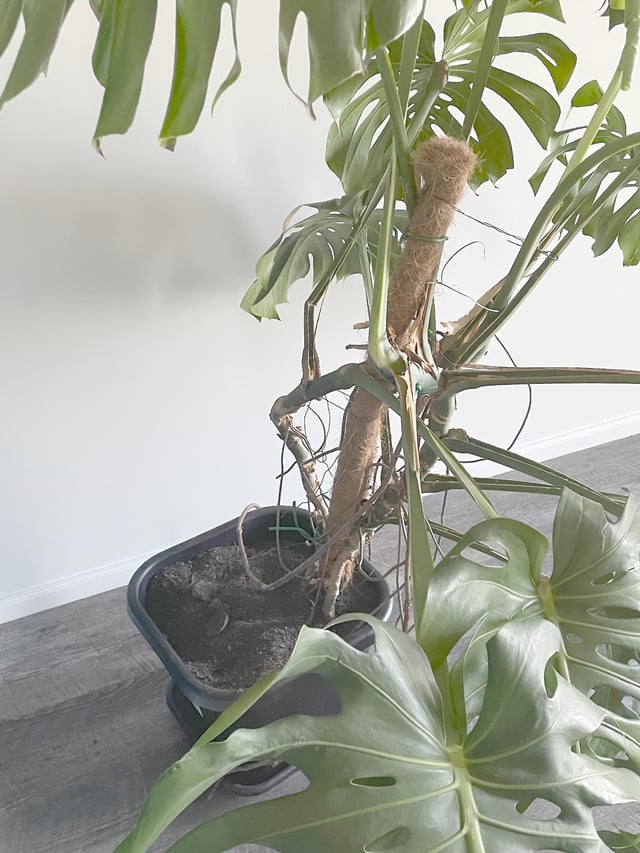
Monstera plants, with their iconic split leaves, are popular indoor choices. But sometimes, they struggle to support themselves.
If your Monstera seems to be drooping or unable to stand tall, you’re not alone. These beautiful plants often need extra care to thrive indoors. Understanding why your Monstera can’t support itself is the first step. It could be due to weak stems, lack of support, or improper care.
In this post, we’ll explore common reasons behind this issue. We’ll also share tips to help your Monstera grow strong and healthy. By giving your plant the right support, you can enjoy its lush beauty all year round. So, let’s dive in and help your Monstera stand proud!
Identifying The Problem
Monstera plants are known for their large, glossy leaves and tropical appeal. But sometimes, they struggle to support themselves. Identifying the problem early is key to helping your plant thrive.
Signs Of A Weak Monstera
Weak Monsteras show clear signs. Drooping leaves are a major sign. Stems that bend or break easily also indicate weakness. Look for yellowing or browning leaves. These may point to underlying issues. Slower growth could be another symptom. A healthy Monstera should grow new leaves regularly.
Common Causes
Several factors can cause a Monstera to weaken. One common cause is insufficient light. Monsteras need bright, indirect light to grow strong. Another cause is poor soil quality. Soil lacking nutrients weakens the plant over time. Overwatering can also be a problem. It leads to root rot, affecting the plant’s ability to support itself.
Inadequate support structures can cause problems too. Monsteras are natural climbers. They often need stakes or moss poles for support. Pests can also weaken your Monstera. Check for signs of insects or disease.

Choosing The Right Support
Monstera plants are popular for their stunning leaves and indoor beauty. Yet, they often need support to grow upright. Without the right support, their vines can droop and tangle. Choosing the right support helps maintain their beauty and promotes healthy growth.
Types Of Plant Supports
There are several types of supports you can use for your Monstera:
- Moss poles: These are popular because they mimic the plant’s natural habitat.
- Trellises: These can be placed in the pot to guide the plant upwards.
- Stakes: Simple and effective, stakes can be placed next to the plant.
- Wireframes: These offer a more decorative option for supporting your plant.
Materials To Consider
Choosing the right material for your plant support is crucial:
- Wood: Natural and blends well with the plant. Requires regular checks for rot.
- Plastic: Durable and water-resistant. Great for long-term use.
- Metal: Strong and long-lasting. Be cautious of rust in humid conditions.
- Moss: Ideal for moss poles. Retains moisture, helping the plant’s aerial roots.
Staking Your Monstera
Is your Monstera plant struggling to stand tall? Many Monsteras can’t support themselves as they grow. The large leaves and stems often need extra help. Staking your Monstera can give it the support it needs. This guide will show you how to stake your Monstera properly.
Proper Staking Techniques
Using the right staking technique is important. It ensures your Monstera grows strong and healthy. Start by choosing a sturdy stake. Bamboo stakes work well. They are strong and blend with the plant. You can also use moss poles. They help the aerial roots cling and grow better.
To secure your Monstera, use soft ties. Avoid using wire or string that can cut into the stems. You can buy plant ties or use old fabric strips. Tie the stems gently to the stake. Make sure the ties are not too tight. The plant needs room to grow.
Positioning The Stakes
Positioning the stakes correctly is key. Place the stake close to the main stem. Push it deep into the soil. The deeper it goes, the more support it provides. Make sure the stake is stable and won’t tip over.
Next, tie the main stem to the stake. Start from the bottom and work your way up. Add more ties as the plant grows. Ensure each tie is secure but not too tight. The plant should have some room to move.
If your Monstera has multiple stems, you may need more than one stake. Use a stake for each main stem. This will keep the plant balanced and supported. Regularly check the ties and stakes. Adjust them as needed to ensure the plant continues to grow well.
| Staking Tips | Details |
|---|---|
| Choose the Right Stake | Bamboo or moss poles are best. |
| Use Soft Ties | Plant ties or fabric strips work well. |
| Position Stakes Close to Stem | Ensure they are deep and stable. |
| Regularly Check and Adjust | Adjust ties and stakes as the plant grows. |
Using Moss Poles
Using moss poles can help your Monstera plant thrive. These poles provide much-needed support for your plant’s growth. Monstera plants naturally climb trees in the wild. Indoors, they need a similar structure to grow tall and healthy.
Benefits Of Moss Poles
Moss poles offer several benefits. They mimic the natural environment of Monstera plants. This helps the plant grow stronger and more stable. Moss poles also encourage larger leaves with more fenestrations. The aerial roots of the Monstera plant can attach to the moss pole. This improves the plant’s overall health. Additionally, moss poles can help manage the plant’s size. They direct growth upwards instead of outwards.
Installing A Moss Pole
Installing a moss pole is simple. First, choose a sturdy pole made from moss or coir. Insert the pole into your plant’s pot. Make sure it reaches the bottom of the pot for stability. Next, gently tie the Monstera’s stems to the pole. Use soft plant ties or string. Avoid tight knots to prevent damage to the plant.
Ensure the moss pole stays moist. Spray it with water regularly. This helps the aerial roots attach better. Monitor the plant’s growth and adjust ties as needed. Over time, your Monstera will become stronger and more vibrant.
Training The Vines
Monstera plants, with their large, beautiful leaves, often struggle to support themselves. Training the vines helps them grow healthily and maintain a pleasing appearance. This process involves guiding new growth and securing the vines. Let’s dive into each step.
Guiding New Growth
Guiding new growth is essential for a Monstera plant. This ensures the vines grow in the right direction. Start by identifying the new shoots. These are the tender, green parts of the plant.
Use a soft tie or plant tape to gently guide these shoots towards a support. A moss pole or trellis works well. Ensure the ties are loose to avoid damaging the plant. Check the ties regularly as the plant grows.
Securing The Vines
Securing the vines helps the Monstera maintain its structure. Use plant ties or soft string. Begin at the base of the plant and work your way up.
Secure the vines to a stable support. This could be a stake, trellis, or wall. Ensure the support is strong enough to hold the plant’s weight.
Here’s a quick guide for securing the vines:
- Choose a sturdy support.
- Use soft ties to avoid damaging the plant.
- Check and adjust ties regularly.
- Ensure the support can hold the plant’s weight.
Training the vines is a continuous process. With regular care, your Monstera will thrive and look stunning.
Pruning Techniques
Monstera plants, also known as Swiss Cheese plants, often face support issues. Pruning is essential to keep them healthy and robust. Proper pruning techniques can help your Monstera thrive and maintain its beauty. Here, we will discuss when and how to prune your Monstera.
When To Prune
Pruning your Monstera at the right time is crucial. The best time to prune is during the growing season, which is spring and summer. During this period, the plant is actively growing and can recover quickly from pruning. Avoid pruning in the fall or winter. The plant’s growth slows down during these times, making recovery slower.
Look for signs that your Monstera needs pruning. Overgrown stems, yellowing leaves, or crowded growth indicate it’s time to prune. Regular pruning helps maintain the plant’s shape and promotes healthy growth.
How To Prune
Start with clean, sharp pruning shears. This prevents the spread of diseases. Identify the parts of the plant that need pruning. Focus on removing yellowing leaves, overgrown stems, and damaged parts.
Make cuts just above a leaf node. This encourages new growth. Avoid cutting too close to the main stem. This can harm the plant. Remove no more than 25% of the plant at one time. This ensures the plant isn’t stressed.
After pruning, support the remaining stems with stakes or a moss pole. This helps the plant grow upright. Regular pruning and proper support will keep your Monstera healthy and beautiful.
Repotting For Stability
Monstera plants, with their lush leaves, can sometimes struggle to stand tall. Repotting can help provide the stability they need. This process involves choosing the right pot and following specific repotting steps. Let’s explore how you can repot your Monstera for better support.
Choosing The Right Pot
Start with selecting a pot with drainage holes. This prevents root rot. A pot that is one size larger than the current one is ideal. It should be stable and heavy enough to support the plant’s growth. Terracotta pots are a good option as they are sturdy.
Repotting Steps
First, water the Monstera a day before repotting. This makes it easier to remove from its current pot. Gently remove the plant, holding it by the base. Shake off excess soil from the roots.
Next, place a layer of fresh soil in the new pot. Position the Monstera in the center. Fill around the roots with more soil, pressing gently to remove air pockets. Water the plant thoroughly after repotting. Place it in a spot with indirect light.

Long-term Care Tips
Monstera plants can struggle to support themselves, especially as they grow larger. Ensuring your Monstera remains healthy and strong over time requires some dedicated care. Here are some long-term care tips to help your Monstera thrive.
Regular Maintenance
Regular maintenance is key for a healthy Monstera. Trim any dead or yellowing leaves. This helps the plant focus its energy on healthy growth. Wipe the leaves with a damp cloth to remove dust. This allows the plant to breathe and photosynthesize more efficiently.
Provide a support system like a moss pole or trellis. Monstera plants are natural climbers. They need something to grow on and cling to. This prevents the plant from toppling over as it gets larger.
Monitoring Plant Health
Keep an eye on your Monstera’s overall health. Check for signs of pests like spider mites or scale. These can damage the plant if left untreated. Use natural pest control methods to keep them in check.
Monitor the soil moisture. Overwatering can lead to root rot, which is harmful. Ensure the soil is well-draining. Water only when the top inch of soil feels dry.
Fertilize your Monstera every month during the growing season. This provides essential nutrients for growth. Use a balanced, water-soluble fertilizer for best results.

Frequently Asked Questions
Why Can’t My Monstera Support Itself?
A Monstera can’t support itself due to its weak stems. Using stakes or moss poles can provide necessary support and stability.
How Do I Help My Monstera Stand Upright?
To help your Monstera stand upright, use a moss pole or plant stake. Secure the stems with plant ties.
Does Monstera Need A Support Pole?
Yes, a Monstera needs a support pole to grow vertically. It helps the plant mimic its natural climbing environment.
What Type Of Support Is Best For Monstera?
A moss pole is best for Monstera. It provides a natural surface for the aerial roots to attach and climb.
Conclusion
Support your Monstera with a sturdy stake or trellis. This keeps it upright and healthy. Regular care and proper support help it thrive. Consistent attention ensures your plant stays beautiful. Happy planting!
Leave a Reply