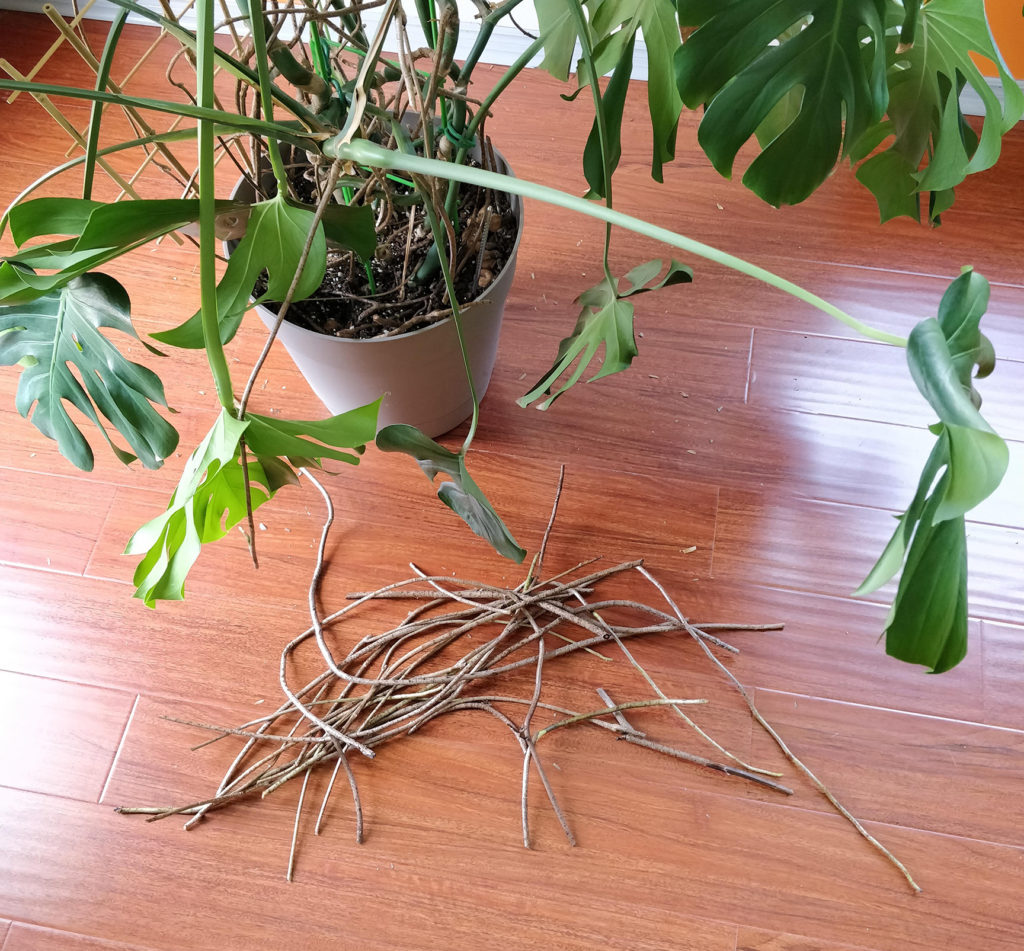
Yes, you can cut Monstera roots. It’s a common practice for plant care.
Cutting roots can help manage growth and keep the plant healthy. Monstera plants, with their big, beautiful leaves, are popular houseplants. But sometimes, their roots grow too large for their pots. This can lead to problems like root rot or stunted growth.
Knowing how to trim the roots properly is important. It helps the plant stay healthy and continue growing. In this blog post, we’ll explore when and how to cut Monstera roots. We’ll also discuss the benefits and potential risks involved. This way, you can ensure your Monstera remains a stunning centerpiece in your home.
Introduction To Monstera Plants
Monstera plants are a favorite among houseplant enthusiasts. Their large, striking leaves make a bold statement in any room. These tropical beauties are known for their unique, hole-filled foliage. They are easy to care for, making them perfect for beginners. The Monstera plant is native to Central America. It thrives in warm, humid conditions. This plant is also known as the Swiss Cheese Plant due to the holes in its leaves.
Monstera Varieties
There are several varieties of Monstera plants. Each has its unique features and charm.
- Monstera Deliciosa: The most common variety. Known for its large, split leaves.
- Monstera Adansonii: Also called the Swiss Cheese Vine. It has smaller, more delicate leaves with many holes.
- Monstera Borsigiana: A smaller version of Deliciosa. Ideal for compact spaces.
Popular Houseplant
The Monstera plant is a popular houseplant for many reasons. It is visually appealing with its unique leaves. The plant is also low-maintenance, making it ideal for busy individuals. With proper care, a Monstera can thrive and grow large, becoming a focal point in your home.
Monstera plants can also purify the air. They remove toxins and improve air quality. This makes them a healthy addition to any space. They are also known to be resilient. Even if neglected, they can bounce back with proper care.
Root System Of Monstera
The Monstera plant, often known for its large, beautiful leaves, has an intricate root system. Understanding the root system is crucial for proper plant care. This section delves into the types and functions of Monstera roots.
Types Of Roots
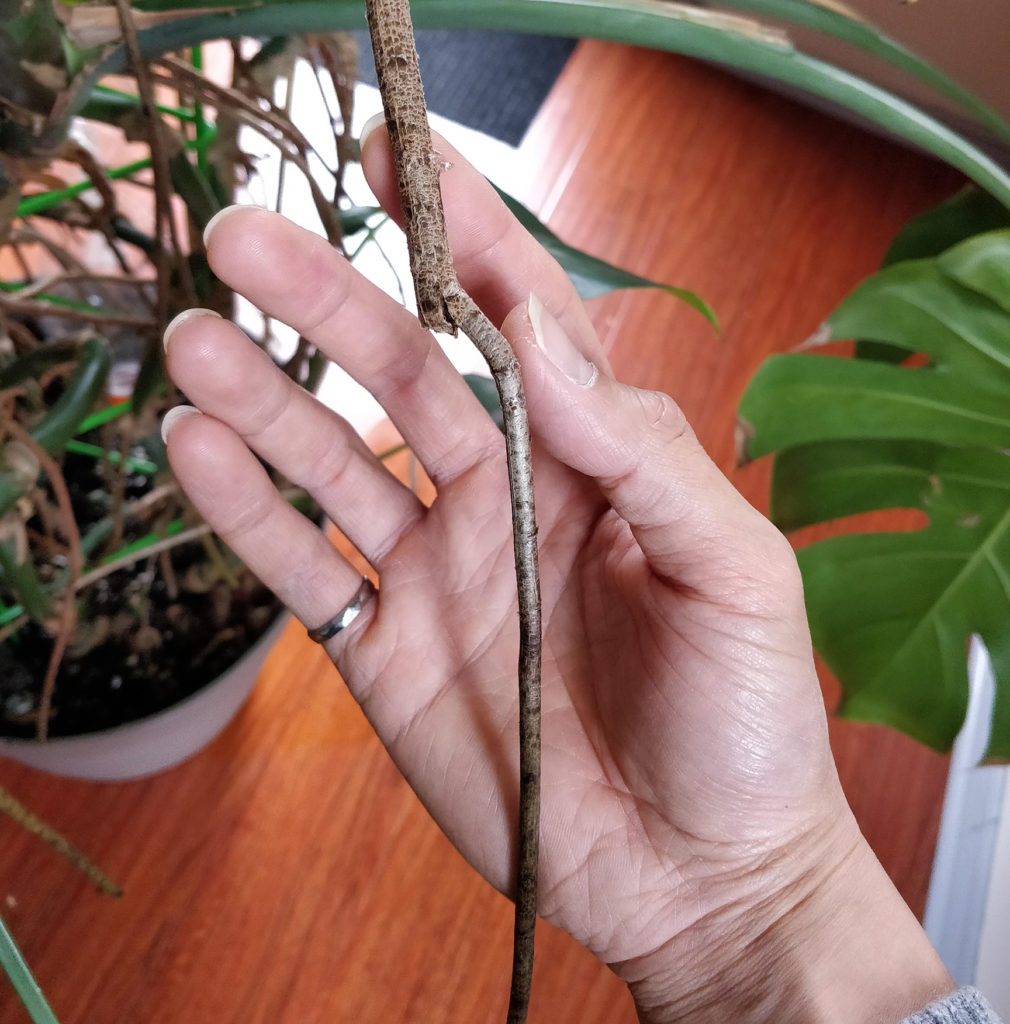
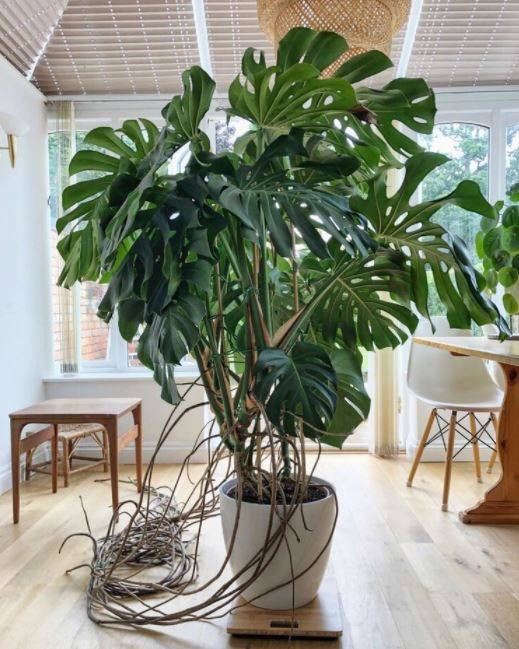
Monstera plants have two main types of roots: aerial and subterranean. Aerial roots grow above the soil. They help the plant climb and anchor to surfaces. These roots absorb moisture from the air. Subterranean roots grow below the soil. They absorb water and nutrients from the soil. Both root types are vital for the plant’s health.
Function Of Roots
Roots play a crucial role in the Monstera’s life. They provide stability, ensuring the plant stays upright. Subterranean roots absorb water and nutrients from the soil. This keeps the plant nourished and hydrated. Aerial roots help the plant climb. They also absorb moisture from the air, aiding in hydration. Each type of root has a specific role that supports the plant’s growth and health.
Reasons For Cutting Monstera Roots
Monstera plants are known for their stunning, large leaves and vigorous growth. But sometimes, they require root pruning to maintain their health and appearance. There are a few key reasons for cutting Monstera roots. Understanding these reasons can help keep your plant thriving.
Overgrowth Issues
Monstera plants can grow rapidly. Their roots can quickly outgrow their pots. This leads to a condition known as root-bound. When this happens, the roots circle around the pot, creating a dense mass. Cutting the roots helps manage this overgrowth. It allows the plant to have more space to grow and take in nutrients.
Root Health Problems
Sometimes, Monstera roots can suffer from health issues. Root rot is a common problem caused by overwatering. It leads to soft, brown, and mushy roots. Pruning these damaged roots can save the plant. Removing unhealthy roots helps prevent the spread of disease. It promotes the growth of healthy new roots.
Tools Needed For Cutting Roots
When taking care of a Monstera plant, you might need to cut its roots. Knowing the right tools to use is crucial for a smooth process. This section will guide you through the essential tools and sanitizing equipment needed for cutting Monstera roots.
Essential Tools
Several tools are essential for cutting Monstera roots. A sharp pair of pruning shears is the most important. They help make clean cuts without damaging the plant. Garden gloves protect your hands while working with the roots. A small spade or trowel can also be useful. These help you dig around the roots without causing harm.
Sanitizing Equipment
Sanitizing equipment is necessary to prevent infections. Use rubbing alcohol or a bleach solution to clean your tools. Dip the pruning shears in the solution before cutting. This kills any bacteria or fungi that might harm the plant. Keep a clean cloth or paper towel handy. Use it to wipe down the tools after sanitizing.
Step-by-step Guide To Cutting Roots
Monstera plants are popular for their unique leaves and easy maintenance. Sometimes, their roots need trimming to keep the plant healthy. This step-by-step guide will help you cut roots safely and effectively.
Preparing The Plant
First, gather your tools. You will need a clean, sharp pair of scissors or pruning shears. Wash your hands to prevent introducing bacteria to the plant. Choose a workspace with good lighting.
Water the Monstera a day before trimming. This makes the roots easier to handle. Remove the plant from its pot gently. Shake off excess soil to see the roots clearly. Inspect the roots for any signs of disease or rot.
Trimming The Roots
Identify the roots that need trimming. Look for long, tangled, or brown roots. Healthy roots are white or light yellow. Cut away any damaged or dead roots. Make clean cuts to avoid harming the plant. Trim roots that are too long. This encourages new growth.
After trimming, replant the Monstera in fresh soil. Water it lightly. Give the plant time to adjust to its new pot. Monitor the plant over the next few weeks for any signs of stress.
Aftercare For Monstera Post-root Cutting
Taking care of your Monstera plant after cutting its roots is vital. Proper aftercare helps the plant to recover and thrive. Here are some essential tips to ensure your Monstera stays healthy and grows strong.
Watering Tips
Water your Monstera carefully after cutting the roots. Overwatering can cause root rot. Underwatering can stress the plant. Follow these tips for the best results:
- Check soil moisture regularly.
- Water when the top inch of soil feels dry.
- Use room-temperature water to avoid shocking the plant.
- Ensure the pot has good drainage to prevent waterlogging.
Allow the soil to dry out slightly between waterings. Consistent watering helps the plant recover faster.
Soil And Fertilizer
Choosing the right soil and fertilizer is crucial for the Monstera’s recovery. Here are some guidelines to follow:
- Use a well-draining soil mix. A mix of peat, perlite, and bark works well.
- Avoid heavy, clay-rich soils. They retain too much water.
- Refrain from using fertilizer immediately after root cutting. Wait for a few weeks.
- Once the plant shows signs of new growth, use a balanced, water-soluble fertilizer.
Fertilize the Monstera every 4-6 weeks during the growing season. Follow the instructions on the fertilizer packaging for the best results.
Proper soil and fertilizer ensure your Monstera gets the nutrients it needs to grow strong and healthy.
Common Mistakes To Avoid
Monstera plants are popular for their beautiful, large leaves. They can thrive with proper care. But cutting their roots is tricky. Many plant owners make common mistakes. These errors can harm the plant. Learn what to avoid to keep your Monstera healthy.
Overcutting Roots
Overcutting roots is a frequent mistake. Cutting too many roots stresses the plant. It can slow growth or cause wilting. Only trim dead or damaged roots. Keep most healthy roots intact. This ensures your Monstera stays strong and vibrant.
Ignoring Root Health
Ignoring root health is another big error. Healthy roots are white and firm. If roots are brown or mushy, they may be rotting. Regularly check the roots. Ensure they have proper moisture and nutrients. Healthy roots lead to a thriving Monstera plant.
Benefits Of Proper Root Maintenance
Proper root maintenance is essential for the health of your Monstera plant. By taking care of the roots, you ensure the plant remains strong and vibrant. Healthy roots can absorb nutrients better, leading to a more thriving plant. Let’s explore the benefits of proper root maintenance.
Promotes Growth
Cutting unhealthy roots helps the plant focus energy on new growth. New roots can absorb water and nutrients more efficiently. This leads to a healthier and more vigorous Monstera. Pruning roots also prevents overcrowding in the pot. This gives each root space to grow and thrive.
Prevents Diseases
Removing damaged roots can prevent the spread of diseases. Rotting roots can infect healthy ones if not removed. By cutting them, you protect the whole plant from potential harm. Regular root checks can catch problems early. Early action can save your Monstera from serious issues.
Faqs On Cutting Monstera Roots
Monstera plants are beloved for their unique leaves and easy care. Sometimes, their roots need trimming. This section answers your questions about cutting Monstera roots. Learn about the best practices to keep your plant healthy.
Frequency Of Root Cutting
How often should you cut Monstera roots? It depends on the plant’s growth. Fast-growing Monsteras might need root trimming every 1-2 years. Slow growers can go longer without root cuts. Monitor your plant’s size and pot space.
- Check roots annually
- Trim as needed
- Repot if roots fill the pot
Regular checks help maintain root health. Overgrown roots can cause stress. Trim carefully to avoid damage.
Signs Of Root Issues
How do you know if Monstera roots have problems? Look for these signs:
- Roots growing out of the pot
- Yellowing leaves
- Slow growth
- Mushy or black roots
Healthy roots are white or light brown. Dark, mushy roots indicate rot. Trim these roots to save the plant. Ensure the pot has good drainage to prevent future issues.
| Sign | Cause | Solution |
|---|---|---|
| Roots growing out | Pot too small | Repot to larger pot |
| Yellow leaves | Root rot | Trim damaged roots |
| Slow growth | Root bound | Trim roots, repot |
| Mushy roots | Overwatering | Improve drainage |
Address root issues early to keep your Monstera thriving. Regular maintenance ensures long-term plant health.
Frequently Asked Questions
Can You Cut Monstera Roots?
Yes, you can cut Monstera roots. Trim only the unhealthy or excessively long aerial roots. This helps the plant focus on healthy growth.
How Often Should You Trim Monstera Roots?
Trim Monstera roots every six months. Regular trimming ensures the plant remains manageable and healthy. Always use clean, sharp tools.
Are Aerial Roots On Monstera Necessary?
Aerial roots are not necessary but beneficial. They help the plant climb and absorb moisture. However, they can be trimmed if unruly.
What To Do With Cut Monstera Roots?
Dispose of cut Monstera roots or use them for propagation. Make sure to cut cleanly to prevent plant damage.
Conclusion
Pruning Monstera roots can help keep your plant healthy and thriving. Always use clean tools to avoid infection. Trim dead or damaged roots first. Removing some healthy roots is fine, but don’t overdo it. Regular care and observation will ensure your Monstera remains vibrant.
Happy gardening!
Leave a Reply