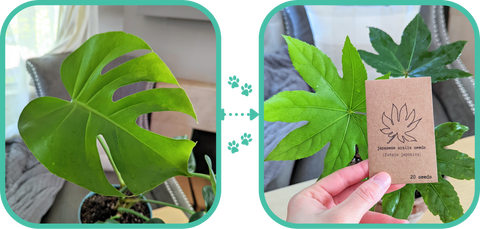
Monstera plants are popular for their striking leaves. But they can be toxic to pets.
If you love the look of Monstera but have pets, you need a safe alternative. Pets often chew on plants, and some houseplants can be harmful. Choosing pet-safe plants is crucial for a happy and healthy home. This guide will introduce you to beautiful, pet-friendly plants that give the same lush feel as Monstera.
Your home can be stylish and safe for your furry friends. Let’s explore some great options that both you and your pets will love.

Introduction To Pet-safe Houseplants
Searching for pet-safe houseplants? Monstera alternatives are a great choice. They add beauty and keep pets safe. Discover these wonderful options for your home.
Houseplants add beauty and freshness to any home. They also improve air quality. But, for pet owners, choosing the right plants is crucial. Many common houseplants can be toxic to pets. Ingesting these plants can cause serious health issues. Finding pet-safe alternatives can keep your pets safe. This blog will guide you through some safe options. Let’s explore the importance of pet-safe plants and identify common toxic ones.Importance Of Pet-safe Plants
Pets often chew on household items. This includes plants. Toxic plants can harm your furry friends. Symptoms can range from mild irritation to severe poisoning. Keeping pet-safe plants ensures a safe environment. It gives peace of mind. Pet-safe plants are also a good choice for homes with children. They prevent accidental ingestion. They create a safe and healthy living space for everyone.Common Toxic Houseplants
Many popular houseplants are toxic to pets. The Monstera, for instance, is harmful. It can cause mouth irritation and vomiting. The Peace Lily is another toxic plant. It can lead to drooling and difficulty swallowing. Other toxic plants include the English Ivy and Snake Plant. Both can cause stomach upset and vomiting. The Aloe Vera, though beneficial to humans, is toxic to pets. It can lead to lethargy and diarrhea. Choosing pet-safe alternatives is a better option. It ensures the safety of your beloved pets. And it still allows you to enjoy the beauty of houseplants. “`Benefits Of Pet-safe Plants
Monstera alternatives that are pet-safe provide a beautiful, green touch to your home without risking your pets’ health. These plants create a safe environment for pets while still adding a stylish element to your decor. Enjoy peace of mind with pet-friendly greenery.
Pet-safe plants offer many advantages for homes with pets. They provide a safe environment and enhance the beauty of your space. These plants reduce worry about your pets’ health. Let’s explore these benefits in detail.Health Benefits For Pets
Pet-safe plants can improve your pets’ well-being. They help purify the air, removing toxins. Clean air means fewer respiratory problems. Some pet-safe plants even have calming effects. Your pets may feel more relaxed and less stressed. Cats and dogs often chew on plants. Pet-safe options won’t harm them. This reduces the risk of poisoning and other health issues. You can avoid expensive vet visits. Your pets stay healthy and happy.Enhanced Home Environment
Pet-safe plants also enhance your home environment. They add a touch of nature and freshness. Greenery can boost your mood and reduce stress. A happy home means happy pets too. These plants are easy to care for. No need to worry about keeping toxic plants out of reach. Your home stays beautiful and safe. Pet-safe plants can thrive indoors. They adapt well to various light conditions. You can choose from many types of pet-safe plants. Some popular ones include spider plants, Boston ferns, and areca palms. Each offers unique beauty and benefits. Your home will look vibrant and welcoming. “`Spider Plant
The Spider Plant is a beloved houseplant known for its long, arching leaves and easy care. This plant is a great alternative to Monstera for those seeking a pet-safe option. It thrives in various conditions, making it a perfect choice for both beginners and experienced plant lovers.
Care Tips
Spider Plants are low-maintenance and can adapt to different light conditions. They prefer bright, indirect light but can also tolerate low light.
- Water the plant when the top inch of soil feels dry.
- Ensure the pot has good drainage to prevent root rot.
- Use a balanced liquid fertilizer monthly during the growing season.
Spider Plants can thrive in a variety of temperatures. They prefer a range between 60-75°F (15-24°C). Avoid placing them in drafty areas.
Pet Safety
One of the main benefits of the Spider Plant is its pet-friendly nature. It is non-toxic to cats and dogs, making it a safe choice for households with pets.
| Plant Part | Pet Safety |
|---|---|
| Leaves | Non-toxic |
| Roots | Non-toxic |
Even though Spider Plants are safe, they can cause mild digestive upset if ingested in large quantities. Keep an eye on your pets to ensure they don’t overindulge.
Areca Palm
The Areca Palm is a popular houseplant known for its lush, feathery fronds. It’s a perfect choice for pet owners seeking a beautiful, non-toxic alternative to Monstera. This vibrant plant can thrive indoors and adds a tropical touch to any space.
Light And Water Needs
The Areca Palm prefers bright, indirect light. Direct sunlight can scorch its leaves, so place it near a window with filtered light. If natural light is limited, it can adapt to lower light conditions, but growth may slow.
Water the Areca Palm regularly to keep the soil moist but not waterlogged. It’s important to let the top inch of soil dry out between waterings. Overwatering can lead to root rot, so ensure the pot has proper drainage. During winter, reduce watering frequency as the plant’s growth slows.
Non-toxic To Pets
One of the biggest advantages of the Areca Palm is that it’s non-toxic to pets. Unlike the Monstera, this plant won’t harm your furry friends if they decide to nibble on its leaves. This makes it a safe addition to homes with cats and dogs.
According to the ASPCA, the Areca Palm poses no toxic threat to animals. This peace of mind allows you to enjoy the beauty of the plant without worrying about your pets’ safety.
Boston Fern
The Boston Fern is a lush, green plant with delicate fronds. It is a popular choice for households with pets. Its natural beauty adds charm to any room. It is also safe for cats and dogs.
Humidity Requirements
Boston Ferns thrive in high humidity. They love moist air. Place them in bathrooms or kitchens for the best growth. You can also use a humidifier. Mist the leaves regularly to keep them happy. Dry air can cause the fronds to turn brown.
Pet-friendly Features
Boston Ferns are non-toxic. They are safe for your furry friends. Cats may like to play with the fronds. But there is no danger if they chew on them. This makes Boston Ferns a great choice for pet owners. You can enjoy a beautiful plant and keep your pets safe.

Parlor Palm
The Parlor Palm is an excellent alternative to Monstera plants. Its lush green fronds add a touch of elegance to any home. This plant is also known for its air-purifying qualities. Plus, it’s safe for pets, making it a great choice for households with cats or dogs.
Growth Conditions
The Parlor Palm thrives in low to moderate light. It does not need direct sunlight to grow. Place it in a spot with indirect light. It prefers well-draining soil. Keep the soil moist but not soggy. Water it once the top inch of soil is dry. It enjoys humidity but can tolerate dry indoor air.
Safe For Cats And Dogs
Many houseplants can be toxic to pets. The Parlor Palm is non-toxic to both cats and dogs. This makes it a perfect addition to pet-friendly homes. You can enjoy its beauty without worrying about your pets’ safety.
Calathea
Calatheas are stunning plants that bring vibrant foliage into your home. Their leaves often display intricate patterns and colors. These plants are not only beautiful but also safe for pets. Calatheas can thrive indoors with the right care. They make an excellent choice for those seeking pet-friendly greenery.
Ideal Growing Conditions
Calatheas prefer bright, indirect light. Direct sunlight can scorch their leaves. They thrive in humidity, so mist the leaves regularly. Keep the soil moist but not soggy. A well-draining potting mix works best. Room temperature should be between 65-75°F. Avoid cold drafts and sudden temperature changes.
Pet-safe Attributes
Calatheas are non-toxic to both cats and dogs. This makes them a perfect choice for pet owners. You can place them anywhere without worry. Their safe nature adds peace of mind. Enjoy their beauty while keeping your pets safe.
Tips For Choosing Pet-safe Plants
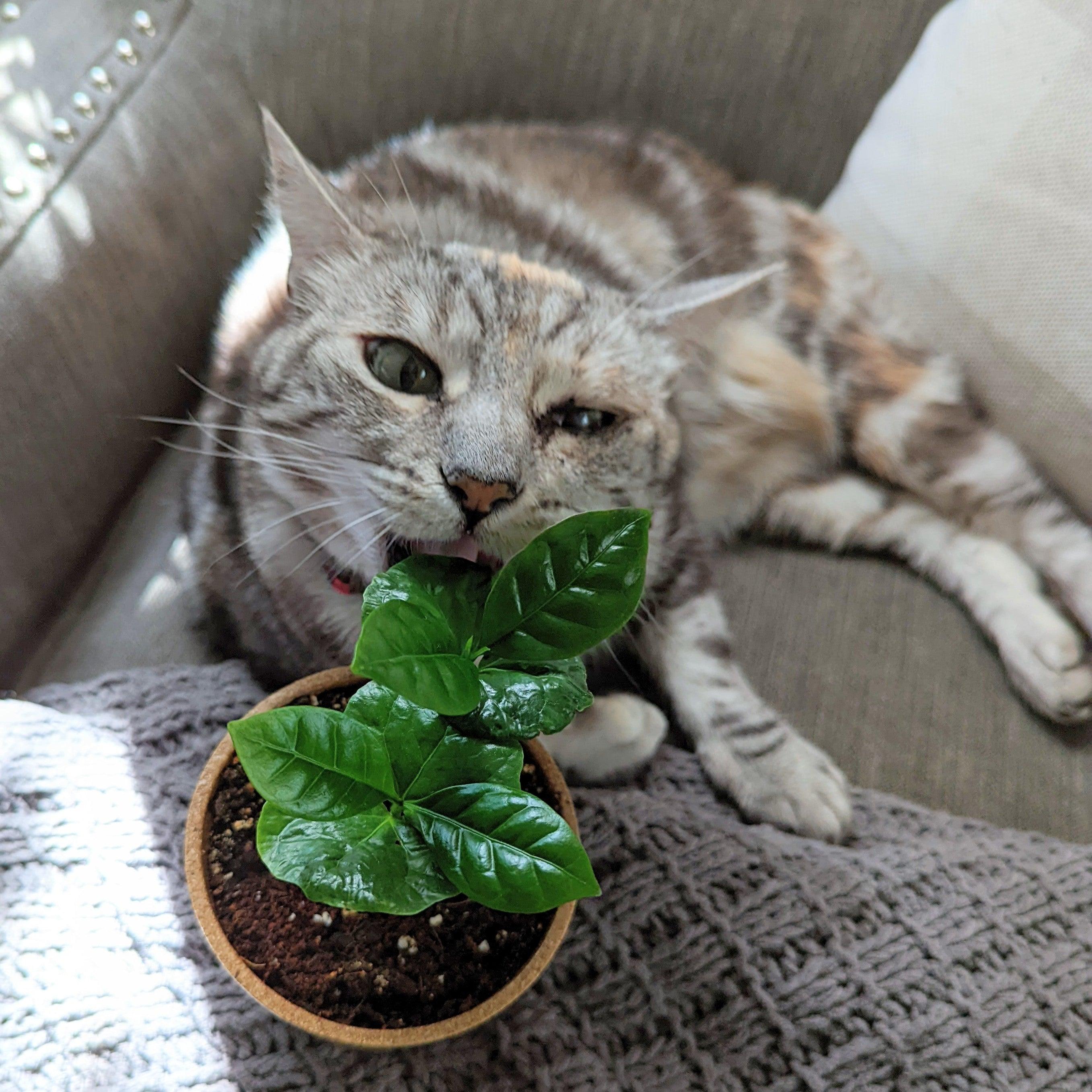
Choosing pet-safe plants can be tricky. Many houseplants are toxic to pets. It’s important to choose wisely. You want plants that look good and keep your pets safe. Here are some tips to help you select the best pet-safe plants.
Researching Plant Safety
Start by researching each plant. Check if it’s safe for pets. Use trusted sources like the ASPCA website. They list plants that are toxic or safe for pets. Be cautious with popular plants. Not all of them are safe for pets.
Look for plants specifically labeled as pet-safe. These are often sold in pet stores. Avoid plants with unknown safety status. It’s better to be safe than sorry. Always double-check before bringing a new plant home.
Creating A Pet-friendly Plant Space
Create a special area for your plants. Keep it away from your pets’ reach. Use shelves or hanging planters. This keeps curious pets away from the plants. It also prevents them from chewing on the leaves.
Choose sturdy plants. Delicate plants can break easily. Pets might knock them over. Plants with strong leaves and stems are better. They can withstand some rough handling. This ensures your plants stay intact.
Consider non-toxic alternatives to popular plants. For example, replace Monstera with Spider Plant. It’s safe for pets and easy to care for. Other safe options include Boston Fern and Areca Palm. These add greenery without the risk to your pets.
Frequently Asked Questions
What Are Some Pet-safe Monstera Alternatives?
Several pet-safe Monstera alternatives include Calathea, Spider Plant, and Parlor Palm. These plants are non-toxic to pets and easy to care for.
Are Calathea Plants Safe For Pets?
Yes, Calathea plants are safe for pets. They are non-toxic and won’t harm your furry friends.
Can I Have A Spider Plant With Pets?
Yes, Spider Plants are pet-friendly. They are non-toxic and safe for both cats and dogs.
Is Parlor Palm Safe For Cats And Dogs?
Yes, Parlor Palm is safe for cats and dogs. It is a pet-friendly plant that won’t cause harm.
Conclusion
Choosing pet-safe Monstera alternatives ensures your home is both stylish and safe. Many beautiful, non-toxic plants can replace Monsteras. These options include Spider Plants, Areca Palms, and Boston Ferns. They add greenery without risking your pet’s health. Always research plant safety before adding to your home.
Creating a pet-friendly environment doesn’t mean sacrificing aesthetics. Enjoy the beauty of plants while keeping your furry friends safe. Your home can be vibrant and secure with careful plant selection. Happy decorating!
Leave a Reply