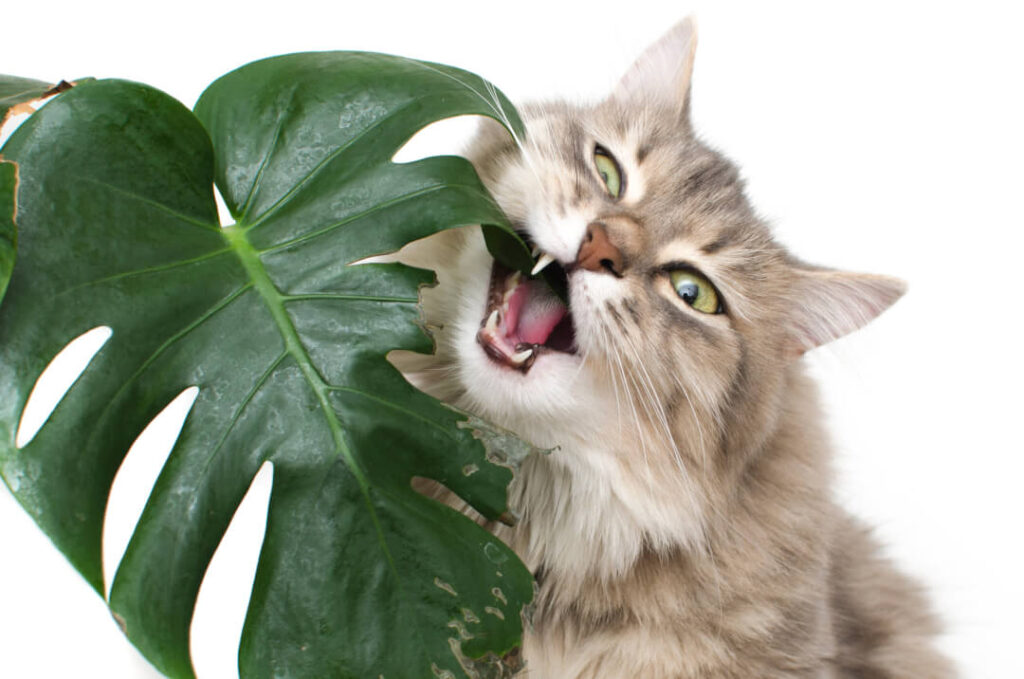
Are you a cat owner who loves houseplants? Concerned about your furry friend’s safety around a Monstera?
You’re not alone. Many cat owners seek pet-friendly alternatives to the popular Monstera plant. Houseplants add beauty and freshness to any home. But, if you have a cat, safety is key. Monstera plants, while stunning, can be harmful to cats.
They contain calcium oxalate crystals that can cause irritation. So, it’s important to find cat-safe options. This blog will explore various alternatives to Monstera that keep your home green and your cat safe. Let’s dive into the best pet-friendly plants for your home.
Introduction To Cat-friendly Houseplants
Houseplants add beauty and freshness to our homes. But, if you have pets, especially cats, you need to be careful. Some plants can be toxic to them. This is where cat-friendly houseplants come in. They are safe for your furry friends and bring life to your living space.
Why Choose Cat-friendly Plants?
Choosing cat-friendly plants ensures the safety of your pets. Cats are curious and often nibble on plants. Non-toxic plants prevent health issues. Here are some reasons to choose them:
- Safe for your cats
- No need to worry about poisoning
- Peace of mind for pet owners
Benefits For Cats And Owners
Cat-friendly houseplants offer benefits for both cats and their owners. They can create a harmonious living environment. Let’s look at some advantages:
| Benefits for Cats | Benefits for Owners |
|---|---|
|
|
Choosing the right plants is crucial. It keeps your pets safe and your home beautiful.
Understanding Monstera And Its Alternatives
Monstera plants are popular for their unique and beautiful leaves. Many people love having them in their homes. But sometimes, Monstera might not be the best choice. It is important to understand why and explore safe alternatives.
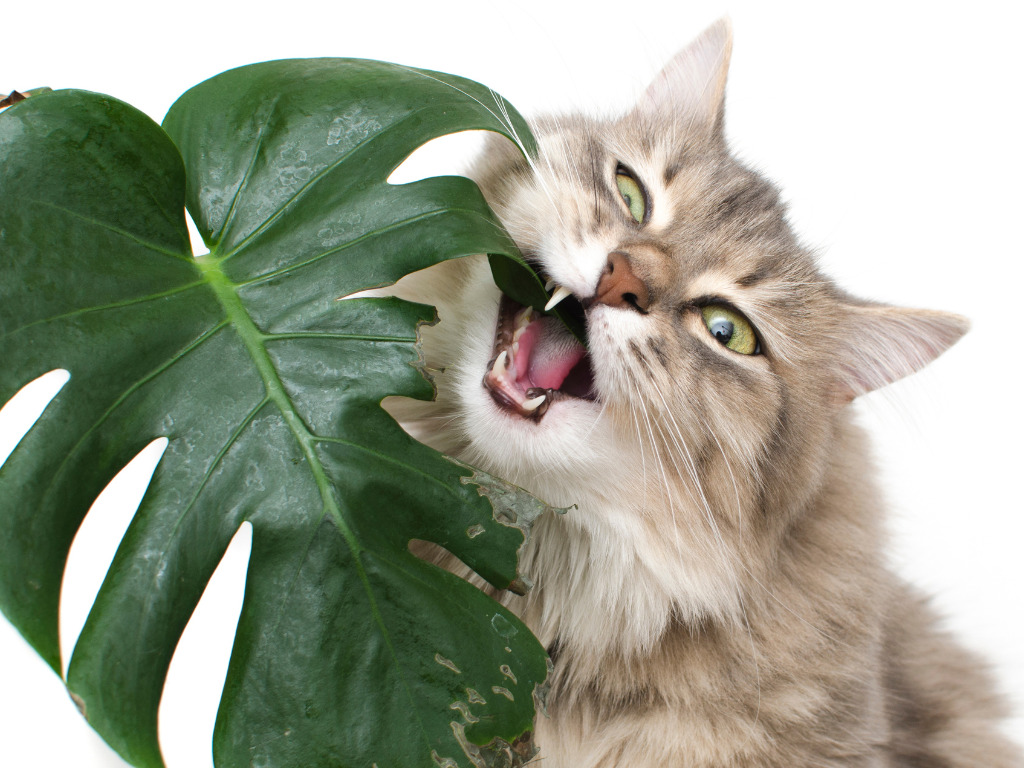
Why Monstera Might Not Be Safe
Monstera plants contain calcium oxalate crystals. These can be harmful if ingested by pets or children. Symptoms may include:
- Oral irritation
- Swelling of the mouth
- Difficulty swallowing
- Vomiting
If you have pets or young children, choosing a safer plant is wise. Safety should always come first in your home.
Characteristics Of Safe Alternatives
Safe plant alternatives should be non-toxic. They should not cause harm if ingested. Here are some characteristics of safe alternatives:
- Non-toxic to pets and humans
- Easy to care for
- Attractive appearance
Here are some examples of safe alternatives to Monstera:
| Plant Name | Benefits |
|---|---|
| Spider Plant | Non-toxic, easy to care for |
| Boston Fern | Pet-friendly, air-purifying |
| Areca Palm | Safe for pets, attractive |
Choosing a safe plant alternative can give you peace of mind. You can enjoy the beauty of plants without worrying about safety.
Spider Plant
The Spider Plant, also known as Chlorophytum comosum, is a popular houseplant. It’s loved for its easy care and unique appearance. This plant is also safe for cats, making it an excellent alternative to the Monstera.
Appearance And Care
Spider Plants are known for their long, arching leaves. These leaves are usually green with white stripes, adding a touch of elegance to any room. The plant also produces small white flowers that eventually turn into baby plants, called ‘pups’.
Care Tips:
- Place your Spider Plant in indirect sunlight. Too much direct light can scorch the leaves.
- Water the plant when the soil feels dry. Overwatering can lead to root rot.
- Use well-draining soil to ensure the roots stay healthy.
- Fertilize once a month during the growing season for optimal growth.
Spider Plants are resilient and can adapt to various conditions. They thrive in moderate humidity and can survive occasional neglect.
Safety For Cats
One of the main concerns for cat owners is plant toxicity. Thankfully, Spider Plants are non-toxic to cats. This makes them a safe addition to your home. Cats may be attracted to the plant’s long leaves. They might chew on them, but there’s no need to worry.
According to the ASPCA, Spider Plants are safe and non-toxic to felines. This ensures peace of mind while having both plants and pets indoors.
Overall, the Spider Plant is a great choice for cat owners seeking a beautiful and safe houseplant.

Areca Palm
The Areca Palm is a popular indoor plant known for its lush, feather-like fronds. This beautiful plant not only adds a tropical touch to any space but is also safe for cats. Let’s explore the growing conditions and cat-safe benefits of the Areca Palm.
Growing Conditions
To thrive, the Areca Palm needs bright, indirect light. Avoid direct sunlight, which can scorch its leaves. Keep the soil moist but not soggy. Water the plant when the top inch of soil feels dry. Ensure good drainage to prevent root rot.
Here are some key points for Areca Palm care:
- Light: Bright, indirect light.
- Water: Keep soil moist; water when top inch is dry.
- Temperature: 65-75°F (18-24°C).
- Humidity: Prefers higher humidity levels.
- Soil: Well-draining potting mix.
Cat-safe Benefits
The Areca Palm is non-toxic to cats, making it an excellent choice for pet owners. Cats can safely interact with the plant without risking their health. This reduces worry for cat owners who love houseplants.
Additionally, the Areca Palm improves indoor air quality by removing toxins. It creates a healthier environment for you and your pets.
Here are some benefits of having an Areca Palm:
- Safe for cats and other pets.
- Enhances indoor air quality.
- Adds a tropical aesthetic to your home.
Boston Fern
The Boston Fern is a popular houseplant known for its lush, feathery fronds. It’s a great choice if you’re looking for an alternative to the Monstera plant. Not only is it visually appealing, but it is also safe for cats. Let’s explore the ideal environment for Boston Ferns and how they benefit your feline friends.
Ideal Environment
Boston Ferns thrive in indirect light. They prefer bright, filtered light rather than direct sunlight. Place them near windows with sheer curtains or in shaded areas of your home. They also enjoy high humidity. A bathroom or kitchen can be an ideal location.
They need consistently moist soil. Water them regularly to keep the soil damp but not waterlogged. Using a humidity tray or misting the leaves can help maintain the moisture levels. The ideal temperature range for Boston Ferns is between 60°F and 75°F (15°C to 24°C).
How It Benefits Cats
Boston Ferns are non-toxic to cats. This makes them a safe choice for pet owners. Unlike many other houseplants, you don’t have to worry about your cat getting sick if they chew on the leaves.
Additionally, having plants like Boston Ferns in your home can improve air quality. They act as natural air purifiers, removing toxins and adding humidity to the air. This can be beneficial for both you and your cat’s respiratory health.
Boston Ferns also offer mental stimulation for cats. Cats enjoy the texture and movement of the fronds. This can keep them entertained and less likely to engage in destructive behavior.
| Ideal Conditions | Details |
|---|---|
| Light | Indirect, bright light |
| Humidity | High |
| Soil | Consistently moist |
| Temperature | 60°F to 75°F (15°C to 24°C) |
In summary, the Boston Fern is a beautiful and cat-friendly plant. It can thrive in your home with the right care and offers numerous benefits for your feline companion.
Calathea
The Calathea is a beautiful houseplant known for its striking foliage. With its vibrant colors and patterns, it is a popular choice for indoor spaces. It is an excellent alternative to Monstera, especially for pet owners. Let’s dive into the care instructions and non-toxic qualities of Calathea.
Care Instructions
Caring for a Calathea is simple if you follow some basic guidelines. Here’s what you need to keep in mind:
- Light: Bright, indirect light works best. Avoid direct sunlight.
- Watering: Keep the soil moist. Do not let it dry out completely.
- Humidity: High humidity is ideal. Consider using a humidifier.
- Temperature: Maintain a range of 65-75°F (18-24°C).
- Soil: Use well-draining, peat-based soil.
- Fertilizer: Feed monthly during the growing season with a balanced fertilizer.
Non-toxic Qualities
A major advantage of Calathea is its non-toxic nature. This makes it a safe choice for homes with pets and children. Here are some key points:
| Feature | Details |
|---|---|
| Non-Toxic to Pets | Yes, safe for cats and dogs. |
| Non-Toxic to Humans | Yes, safe for children. |
| Allergen-Free | Generally, yes. |
Calathea’s non-toxic qualities make it a perfect indoor plant. You don’t need to worry about accidental ingestion by pets or children.
Parlor Palm
The Parlor Palm, also known as Chamaedorea elegans, is a popular houseplant. It’s cherished for its feathery, green fronds and easy care. This palm can thrive in low light, making it ideal for indoor spaces. Plus, it’s a great alternative to Monstera for cat owners.
Maintenance Tips
The Parlor Palm is low-maintenance and perfect for beginners. Water the plant when the top inch of soil feels dry. Overwatering can lead to root rot. Ensure the pot has good drainage. Place the Parlor Palm in indirect light. It can tolerate low light, but avoid direct sunlight. This plant prefers a humid environment. Mist the leaves occasionally to maintain humidity.
Why It’s Cat-friendly
The Parlor Palm is non-toxic to cats. Unlike some houseplants, it does not pose a risk if ingested. This makes it a safe choice for pet owners. Cats may nibble on the fronds, but there’s no danger. The Parlor Palm provides a green touch without harming your furry friends.
Tips For Keeping Plants And Cats Safe
Keeping both your beloved plants and your furry friends safe can be a challenge. Cats are naturally curious and may nibble on plants, leading to potential health risks. Monstera Alternative Katzen offers some safety tips to ensure your plants thrive and your cats stay healthy.
Preventing Plant Damage
Cats often chew on plants out of boredom or curiosity. To prevent this, provide your cat with plenty of toys and activities. Cat trees, interactive toys, and scratching posts can keep them entertained. Place your plants in areas that are hard for cats to reach. High shelves or hanging baskets work well. Use deterrent sprays on plants to make them less appealing to cats. These sprays are safe for both plants and cats.
Ensuring Cats Stay Healthy
Some houseplants are toxic to cats. Monstera plants can cause mild irritation if ingested. Make sure to research and identify any potentially harmful plants in your home. If you suspect your cat has ingested a toxic plant, contact your vet immediately. Regular vet check-ups can help ensure your cat stays healthy. Provide safe, cat-friendly plants like cat grass or catnip. These plants can satisfy your cat’s chewing urges without posing a health risk.
Frequently Asked Questions
What Is A Monstera Alternative For Cats?
If you have cats, consider cat-friendly plants like Calathea, Spider Plant, or Areca Palm. These are non-toxic and safe for pets.
Are Monstera Plants Toxic To Cats?
Yes, Monstera plants are toxic to cats. They can cause oral irritation, drooling, and vomiting if ingested.
Which Houseplants Are Safe For Cats?
Safe houseplants for cats include Boston Fern, Spider Plant, and Parlor Palm. These plants won’t harm your feline friends.
Can I Keep Monstera And Cats Together?
It’s risky to keep Monstera and cats together. Monstera plants are toxic to cats and can cause health issues.
Conclusion
Explore various Monstera alternatives for your space. These plants offer beauty and simplicity. Easy to care for and perfect for beginners. They thrive indoors and enhance your home. Select the right plant for your lifestyle. Enjoy the natural charm they bring.
Your home will feel fresh and inviting. Try a Monstera alternative today. Experience the joy of indoor gardening.
Leave a Reply