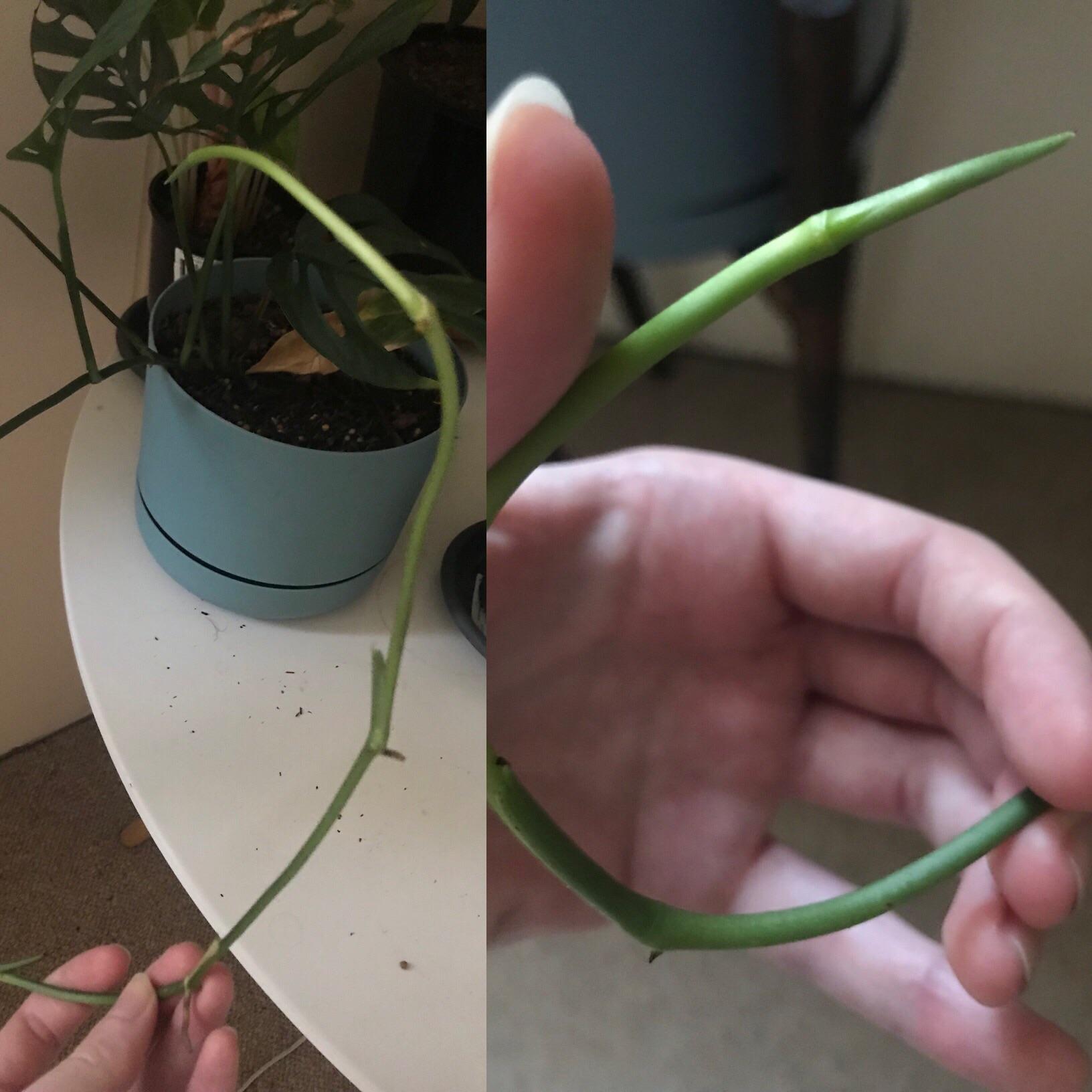
Is your Monstera Adansonii not growing new leaves? This issue can be concerning for plant owners.
The Monstera Adansonii, also known as the Swiss cheese plant, is admired for its unique, hole-filled leaves. It’s a popular choice among indoor plant enthusiasts. However, sometimes it may stop producing new leaves. This can be a sign of underlying issues that need attention.
Understanding the reasons behind this growth halt is crucial to restoring your plant’s health. In this post, we’ll explore common causes and provide practical solutions to help your Monstera Adansonii thrive again. Whether it’s a matter of light, water, or nutrients, we’ll get to the root of the problem. Let’s dive in and revive your beloved plant.

Common Causes
Monstera Adansonii is a favorite among plant lovers. But sometimes, it stops growing leaves. Understanding the common causes can help you fix this issue. Let’s dive into some key factors affecting its growth.
Light Issues
Light is crucial for Monstera Adansonii. Insufficient light can hinder leaf growth. Place your plant in bright, indirect sunlight. Avoid direct sun as it can scorch the leaves. If natural light is limited, consider using grow lights.
Watering Problems
Watering mistakes often cause growth issues. Overwatering can lead to root rot. This stops new leaves from forming. Ensure the soil dries out between waterings. Underwatering can also stress the plant. Maintain a consistent watering schedule.
Soil Quality
Soil plays a big role in plant health. Poor soil can limit growth. Use well-draining soil to prevent waterlogging. A mix of peat, perlite, and pine bark works well. This blend ensures proper drainage and aeration.
Assessing Light Conditions
Is your Monstera Adansonii not growing new leaves? Light conditions could be the problem. Proper light is essential for healthy plant growth. Let’s dive into the optimal light levels and signs of inadequate light.
Optimal Light Levels
Monstera Adansonii thrives in bright, indirect light. Direct sunlight can scorch the leaves. Place your plant near a north or east-facing window. This ensures it gets the right amount of light.
Consider using sheer curtains. They help diffuse the light. Artificial grow lights can also be a good option. Especially during winter months when natural light is limited.
Signs Of Inadequate Light
Not sure if your plant is getting enough light? Look for these signs:
- Slow or no growth
- Yellowing leaves
- Leggy stems
These signs indicate that your Monstera Adansonii needs more light. Move it closer to a light source. Monitor its progress for a few weeks.
Use a light meter to measure light levels. This tool helps ensure your plant gets the right amount of light. Remember, consistent light conditions are key for healthy growth.
Watering Best Practices
Ensuring your Monstera Adansonii thrives involves mastering the right watering techniques. Poor watering habits can halt its leaf growth. Let’s dive into the best practices for watering your Monstera Adansonii.
Proper Watering Schedule
Establish a regular watering schedule for your Monstera Adansonii. Watering once a week is generally sufficient. Adjust based on the season. In winter, reduce watering to every two weeks.
Always check the soil moisture before watering. Insert your finger an inch deep into the soil. If it feels dry, it’s time to water. If it’s still moist, wait a few more days.
Avoiding Overwatering
Overwatering is a common mistake. It can lead to root rot, stunted growth, and yellow leaves. To prevent overwatering, use a pot with drainage holes.
Avoid letting the plant sit in water. After watering, empty any excess water from the saucer. Use well-draining soil to ensure proper water flow.
| Watering Frequency | Season |
|---|---|
| Once a week | Spring/Summer |
| Every two weeks | Fall/Winter |
Signs of overwatering include:
- Yellowing leaves
- Soft, mushy stems
- Unpleasant smell from the soil
Follow these watering best practices to keep your Monstera Adansonii healthy and encourage new leaf growth.
Soil And Potting Mix
For a healthy Monstera Adansonii, the right soil and potting mix are vital. The plant thrives in well-draining soil that retains some moisture. Poor soil conditions can stunt its growth and stop it from producing new leaves. Below, we’ll delve into the ideal soil composition and the signs of poor soil.
Ideal Soil Composition
Monstera Adansonii prefers a mix of ingredients that provide both drainage and moisture retention. The right balance can be achieved with the following components:
- Peat Moss: Retains moisture without becoming waterlogged.
- Perlite: Improves drainage and aeration.
- Pine Bark: Adds texture and further aids drainage.
- Coconut Coir: A sustainable alternative to peat moss, offering similar benefits.
An ideal mix could be:
| Component | Percentage |
|---|---|
| Peat Moss or Coconut Coir | 40% |
| Perlite | 30% |
| Pine Bark | 20% |
| Other Organic Matter | 10% |
Signs Of Poor Soil
Poor soil quality can significantly affect your Monstera Adansonii’s growth. Some signs to watch for include:
- Compacted Soil: Hard, dense soil restricts root growth and water penetration.
- Poor Drainage: Waterlogged soil can lead to root rot.
- Yellowing Leaves: This can indicate nutrient deficiencies or poor aeration.
- Stunted Growth: Lack of new leaves or slow growth can signify poor soil conditions.
If you observe these signs, it’s time to check your soil and consider repotting. A fresh, well-balanced mix can rejuvenate your plant and encourage new growth.
Nutrient Deficiencies
Monstera Adansonii, also known as the Swiss Cheese Plant, is a popular houseplant. Its unique leaves add a touch of nature to any space. But sometimes, it may stop growing new leaves. One possible cause could be nutrient deficiencies. In this section, we will explore common nutrient needs and how to recognize deficiency symptoms.
Common Nutrient Needs
Monstera Adansonii needs several key nutrients to grow well. Nitrogen helps in leaf growth. Phosphorus aids in root development. Potassium strengthens the plant’s overall health. Calcium supports cell structure. Magnesium is essential for photosynthesis. Iron is needed for chlorophyll production. A balanced fertilizer can provide these nutrients.
Recognizing Deficiency Symptoms
Nutrient deficiencies show through various symptoms. Yellowing leaves can indicate nitrogen deficiency. Weak or slow growth may point to a lack of phosphorus. Brown leaf edges suggest potassium deficiency. Deformed leaves can be a sign of calcium deficiency. Pale leaves may mean the plant needs more magnesium. Chlorosis, or yellowing between leaf veins, often points to iron deficiency. Observing these signs helps identify nutrient needs.

Pest And Disease Control
Monstera Adansonii plants may stop growing leaves due to pests and diseases. Identifying and treating these problems is essential. Healthy plants grow better. Let’s explore common pests and diseases. Learn how to manage them effectively.
Common Pests
Pests can harm your Monstera Adansonii. Common pests include spider mites, aphids, and scale insects. Spider mites leave tiny webs on your plant. Aphids suck the sap from leaves and stems. Scale insects attach to stems and leaves, creating small bumps.
Inspect your plant regularly. Look under leaves and stems. Use a magnifying glass if needed. Early detection is key. Remove pests manually with a damp cloth. Use insecticidal soap for severe infestations. Ensure good air circulation around your plant. This helps prevent pest problems.
Identifying Diseases
Diseases can also stop leaf growth. Fungal infections are common. Look for leaf spots, yellowing, or wilting. Bacterial infections cause rot and foul smells. Root rot occurs from overwatering. The roots turn mushy and black.
Check for signs of disease often. Remove affected leaves and stems. Use a fungicide for fungal infections. Ensure your plant has proper drainage. Avoid overwatering to prevent root rot. Clean your tools before using them on your plant. This prevents the spread of diseases.
Keeping your Monstera Adansonii healthy is crucial. Regular care and attention will help it thrive. Happy gardening!
Pruning And Maintenance
Pruning and maintaining your Monstera Adansonii is crucial for its health. Proper care ensures it continues to grow vibrant leaves. This section will guide you through pruning techniques and routine plant care.
Proper Pruning Techniques
Pruning your Monstera Adansonii is essential. It helps the plant grow new leaves and stay healthy. Follow these steps:
- Use sharp, clean scissors or pruning shears.
- Cut just above a node, where the leaf meets the stem.
- Remove dead or yellowing leaves.
- Trim long stems to promote bushier growth.
Pruning encourages new growth. It also prevents disease. Always be gentle when handling the plant.
Routine Plant Care
Regular care keeps your Monstera Adansonii thriving. Follow these simple tips:
- Water the plant when the top inch of soil feels dry.
- Ensure the pot has drainage holes.
- Place the plant in bright, indirect light.
- Use a balanced, water-soluble fertilizer every month.
- Keep the humidity level moderate to high.
Proper care prevents common problems like leaf drop and slow growth. Monitor your plant’s environment closely.
| Task | Frequency |
|---|---|
| Watering | When top inch of soil is dry |
| Pruning | As needed, ideally every few months |
| Fertilizing | Monthly |
| Humidity Check | Weekly |
Regular maintenance is key. Your Monstera Adansonii will thrive with proper care and attention.
Environmental Factors
Monstera Adansonii, also known as the Swiss Cheese Plant, can sometimes stop growing leaves. Environmental factors often play a significant role in this. Ensuring the right conditions can help your plant thrive. Let’s explore some crucial factors.
Temperature Requirements
The Monstera Adansonii prefers warm temperatures. Ideally, they thrive in temperatures between 65°F and 85°F (18°C to 29°C). Temperatures below 60°F (15°C) can slow down growth. Extremely cold temperatures may even damage the plant. Be sure to keep your plant in a warm spot. Avoid placing it near drafty windows or doors.
Humidity Levels
High humidity levels are crucial for the Monstera Adansonii. Aim for humidity levels between 60% and 80%. Dry air can cause the leaves to stop growing. You can increase humidity by:
- Using a humidifier
- Placing a tray with water near the plant
- Misting the leaves regularly
Low humidity can also lead to brown leaf edges. Monitor humidity levels to ensure optimal growth.

Frequently Asked Questions
Why Did My Monstera Adansonii Stop Growing Leaves?
Your Monstera Adansonii might stop growing leaves due to inadequate light, improper watering, or lack of nutrients. Ensure it receives bright, indirect light, and water it when the soil is dry. Regularly feed it with a balanced fertilizer.
How Often Should I Water Monstera Adansonii?
Water your Monstera Adansonii when the top inch of soil is dry. Overwatering can lead to root rot and hinder leaf growth. Ensure proper drainage to avoid waterlogged soil.
Does Monstera Adansonii Need Fertilizer To Grow?
Yes, Monstera Adansonii benefits from regular feeding. Use a balanced, water-soluble fertilizer every month during the growing season. This promotes healthy leaf growth and overall plant health.
Can Low Light Affect Monstera Adansonii Growth?
Yes, low light can stunt Monstera Adansonii growth. Place your plant in a spot with bright, indirect light. Avoid direct sunlight, which can scorch the leaves.
Conclusion
Addressing Monstera Adansonii’s growth issues can boost its health. Ensure proper light, water, and nutrients. Check for pests and diseases regularly. With care, your plant will thrive again. Happy gardening!
Leave a Reply