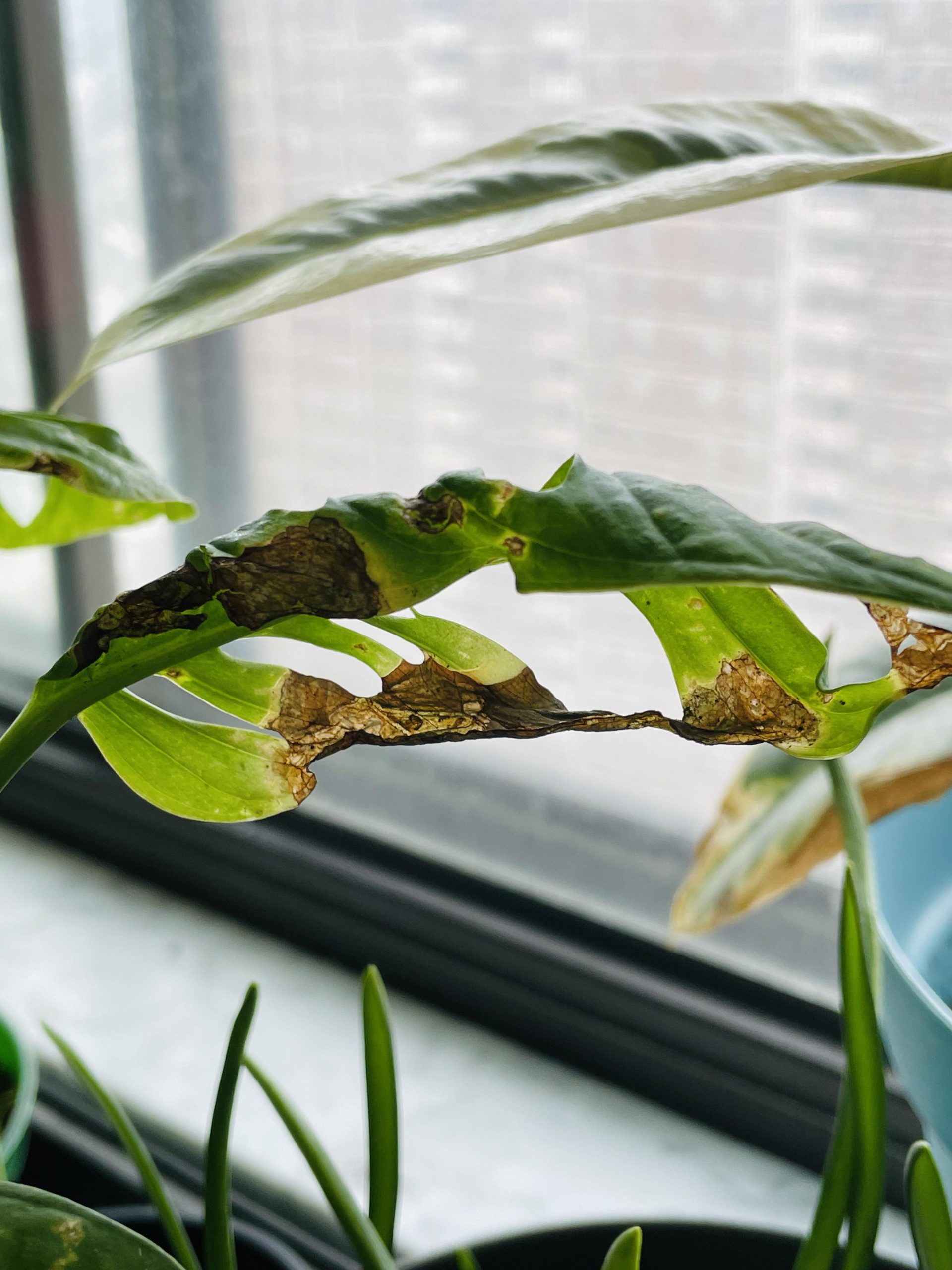
Monstera Adansonii, also known as the Swiss Cheese Plant, is a favorite among houseplant enthusiasts. Its unique, hole-filled leaves add a touch of the jungle to any home.
But even the most beloved plants have their issues. Monstera Adansonii is no exception. Understanding common problems can save your plant from distress and you from frustration. In this guide, we’ll explore the typical challenges you might face with Monstera Adansonii.
From yellowing leaves to pest infestations, we’ll help you identify and address these issues. This way, you can keep your Swiss Cheese Plant thriving and beautiful. So, let’s dive into the world of Monstera Adansonii and learn how to tackle its common problems effectively.
Introduction To Monstera Adansonii
Monstera Adansonii, often called the Swiss Cheese Plant, can face issues like yellowing leaves and root rot. Pests such as spider mites also affect its health. Proper care and attention help prevent these common problems.
Monstera Adansonii, also known as the Swiss Cheese Plant, is a popular houseplant. It is loved for its unique, hole-filled leaves. This tropical plant adds an exotic touch to any space. Learning about its characteristics and varieties can help you care for it better. You can avoid common problems and keep your plant healthy.Plant Characteristics
Monstera Adansonii has heart-shaped leaves with natural holes. These holes, or fenestrations, make the plant look unique. The leaves can grow up to 12 inches long. This plant is a climber. In its natural habitat, it climbs trees. At home, it can climb a moss pole or trellis. Monstera Adansonii prefers indirect sunlight. It thrives in bright, filtered light. Direct sunlight can scorch its leaves. It needs well-draining soil. Overwatering can lead to root rot. Water the plant when the top inch of soil feels dry.Popular Varieties
Several varieties of Monstera Adansonii are popular among plant lovers. The ‘Monkey Mask’ variety has smaller, more delicate leaves. Its leaves have fewer holes but look very charming. Another variety is the ‘Wide Leaf’. As the name suggests, its leaves are broader. The holes in this variety are larger, giving it a dramatic look. The ‘Narrow Form’ variety has long, narrow leaves. The holes are small and evenly spaced. This variety looks sleek and elegant. Each variety has its own charm. Choose the one that fits your space and taste. Understanding these varieties can help you provide better care. “`
Signs Of Common Problems
The Monstera Adansonii, commonly known as the Swiss Cheese Plant, is loved for its unique leaves. But, like any plant, it can face issues. Recognizing the signs of common problems early can help keep your plant healthy. Here, we will discuss two major signs: Yellowing Leaves and Drooping Stems.
Yellowing Leaves
Yellowing leaves are a common problem for Monstera Adansonii. This issue can have several causes:
- Overwatering: Too much water can cause root rot. This leads to yellow leaves.
- Underwatering: Lack of water can also make leaves turn yellow.
- Poor drainage: Ensure your pot has drainage holes.
- Nutrient deficiency: Lack of essential nutrients can cause yellowing.
Check the soil moisture. Adjust your watering schedule accordingly. Also, ensure your plant gets the right nutrients.
Drooping Stems
Drooping stems can indicate various issues with your Monstera Adansonii. Common causes include:
- Overwatering or Underwatering: Both can cause drooping.
- Temperature stress: Too cold or too hot conditions can affect your plant.
- Lack of support: Monstera Adansonii is a climbing plant. It may need a moss pole or trellis.
- Pest infestation: Check for pests like spider mites or aphids.
Ensure your plant is in a suitable environment. Provide adequate support and check for pests regularly.
By understanding these signs of common problems, you can take better care of your Monstera Adansonii. Keep an eye on your plant’s health and make necessary adjustments.
Causes Of Leaf Discoloration
Monstera Adansonii, also known as the Swiss Cheese Plant, is loved for its unique leaf patterns. But, leaf discoloration can be a common problem. Understanding the causes helps in maintaining its vibrant appearance. Let’s explore some key reasons behind leaf discoloration.
Overwatering
Overwatering is a common issue for Monstera Adansonii owners. Excess water can lead to root rot. This prevents the plant from absorbing necessary nutrients. As a result, leaves turn yellow or brown. Ensure the soil dries out between waterings. Use well-draining soil to avoid waterlogging.
Nutrient Deficiency
Nutrient deficiency is another cause of leaf discoloration. Monstera Adansonii needs a balance of nitrogen, phosphorus, and potassium. Lack of these nutrients can cause leaves to pale or yellow. Use a balanced fertilizer to provide essential nutrients. Regular feeding during the growing season helps maintain healthy leaves.

Addressing Drooping Stems
Is your Monstera Adansonii showing drooping stems? This is a common issue many plant enthusiasts face. Drooping stems can indicate a problem with your plant’s environment or care routine. Addressing these issues can help your plant thrive again. Let’s explore the main causes behind drooping stems.
Improper Light
Monstera Adansonii requires the right amount of light to stay healthy. Insufficient light can cause drooping stems. Place your plant in a location with bright, indirect light. Avoid direct sunlight as it can scorch the leaves. If natural light is limited, consider using a grow light. Consistent, proper lighting helps maintain strong, upright stems.
Watering Issues
Watering is crucial for a healthy Monstera. Both overwatering and underwatering can lead to drooping stems.
| Issue | Symptoms | Solution |
|---|---|---|
| Overwatering | Yellow leaves, soggy soil | Allow soil to dry, reduce watering |
| Underwatering | Dry soil, crispy edges | Water thoroughly, check moisture level |
Ensure the soil is well-draining. Water your plant thoroughly, but allow the soil to dry out before the next watering. Use your finger to check soil moisture levels.
By addressing these key issues, your Monstera Adansonii can recover from drooping stems and flourish. Keep an eye on light and watering to maintain a happy, healthy plant.
Dealing With Pests
Monstera Adansonii, also known as the Swiss Cheese Plant, is a popular houseplant. Like all plants, it can attract pests. Dealing with pests can be challenging. Here’s a guide to help you manage common pests and use natural remedies to keep your plant healthy.
Common Pests
Monstera Adansonii can attract various pests. Here are some common ones:
| Pest | Signs | Impact |
|---|---|---|
| Spider Mites | Webbing on leaves | Yellowing and dropping leaves |
| Mealybugs | White cotton-like substance | Weakened plant |
| Aphids | Sticky residue | Deformed leaves |
| Scale Insects | Brown or black bumps | Stunted growth |
Natural Remedies
Using natural remedies can be effective and safe for your Monstera Adansonii. Here are some methods:
- Neem Oil: Mix neem oil with water. Spray on leaves. Neem oil suffocates pests.
- Insecticidal Soap: Make a soap solution. Spray directly on pests. This kills them on contact.
- Alcohol Solution: Use rubbing alcohol. Dab on mealybugs with a cotton swab. This dissolves their protective coating.
- Water Spray: Use a strong water spray. Remove pests from the plant. This is a simple, non-toxic method.
Try these natural remedies to keep your Monstera Adansonii pest-free. Regular monitoring helps catch problems early.
Preventing Fungal Infections
Monstera Adansonii often faces fungal infections due to overwatering and poor air circulation. Regularly check soil moisture and ensure proper ventilation to prevent these issues.
Fungal infections can harm your Monstera Adansonii. These infections can stunt growth and damage leaves. Knowing how to prevent them is key to a healthy plant.Identifying Fungi
Fungi often appear as spots on leaves. These spots can be yellow, brown, or black. Some fungi cause a white, powdery coating. This coating spreads quickly. Look for wilting or discolored leaves. These can also be signs of a fungal issue.Preventative Measures
Start with clean tools. Dirty tools can carry fungal spores. Sterilize your tools with alcohol before use. Water your plant correctly. Overwatering is a major cause of fungal infections. Ensure your plant’s soil drains well. Standing water promotes fungal growth. Place your Monstera in a spot with good air circulation. This helps keep the leaves dry. Remove any infected leaves immediately. This prevents the spread of fungi. Use a fungicide if needed. Follow the instructions carefully. “`Ensuring Proper Growth
Monstera Adansonii plants are cherished for their unique, hole-filled leaves. Ensuring their proper growth is essential for maintaining their beauty and health. Let’s explore some common problems and how to tackle them.
Optimal Soil
The right soil mix is crucial for Monstera Adansonii. Use a well-draining soil mix. This prevents water from sitting at the roots, which can cause root rot. A mix of peat, perlite, and orchid bark works best.
Here is an example of a good soil mix:
| Component | Proportion |
|---|---|
| Peat | 50% |
| Perlite | 25% |
| Orchid Bark | 25% |
Fertilization Tips
Fertilizing Monstera Adansonii helps in promoting lush growth. Use a balanced, water-soluble fertilizer. Fertilize every two weeks during the growing season (spring and summer).
Here are some fertilization tips:
- Use a 20-20-20 balanced fertilizer.
- Mix the fertilizer at half the recommended strength.
- Avoid fertilizing in fall and winter.
Over-fertilizing can cause salt build-up in the soil. This can harm the plant. Always follow the recommended dosage and schedule.
Maintaining Ideal Environment
Maintaining an ideal environment for your Monstera Adansonii is crucial. Healthy growth and vibrant leaves depend on it. Understanding the key factors like humidity and temperature can help you avoid common problems.
Humidity Levels
Monstera Adansonii thrives in high humidity. Aim for 60% or higher. Low humidity can cause brown leaf edges. Use a humidifier to maintain adequate moisture. Group plants together to increase ambient humidity. Mist the leaves regularly, but avoid overwatering. Proper humidity keeps the plant healthy and lush.
Temperature Range
Keep the temperature between 65-80°F (18-27°C). Avoid sudden temperature changes. Cold drafts can stress the plant. Place it away from windows and doors. Warm temperatures encourage faster growth. Consistent warmth keeps the Monstera Adansonii happy. Remember, this plant enjoys a stable, tropical climate.
Conclusion And Care Tips
Monstera Adansonii is a popular houseplant known for its unique, perforated leaves. Caring for this plant is relatively easy, but it can face several common problems. Addressing these issues promptly ensures your Monstera stays healthy and vibrant.
Regular Monitoring
Regular monitoring is essential. Check the soil moisture weekly. Overwatering can lead to root rot. Underwatering causes leaf yellowing. Ensure the soil is well-draining.
Look for pests. Common pests include spider mites and aphids. Inspect the leaves regularly. Treat infestations with neem oil or insecticidal soap.
Monitor light conditions. Monstera Adansonii prefers bright, indirect light. Too much direct sunlight can scorch the leaves. Too little light causes slow growth.
Long-term Maintenance
Long-term maintenance keeps your Monstera thriving. Prune regularly. Remove any dead or yellowing leaves. This encourages new growth.
Fertilize during the growing season. Use a balanced, water-soluble fertilizer every month. Avoid over-fertilizing. Excess nutrients can harm the plant.
Repot every two years. Choose a pot one size larger. Refresh the soil to prevent nutrient depletion.
Clean the leaves. Dust can block light absorption. Wipe the leaves with a damp cloth every month. This also helps to spot potential problems early.
Keep an eye on the humidity. Monstera Adansonii thrives in humid environments. Use a humidifier or mist the leaves regularly. This prevents the leaves from drying out.

Frequently Asked Questions
Why Are My Monstera Adansonii Leaves Turning Yellow?
Yellow leaves on a Monstera Adansonii often indicate overwatering or poor drainage. Ensure the soil dries out between waterings and improve drainage. Additionally, lack of light can cause yellowing. Place your plant in bright, indirect light.
How Do I Prevent Monstera Adansonii Root Rot?
Root rot is caused by overwatering and poor drainage. Use well-draining soil and pots with drainage holes. Water your plant only when the top inch of soil is dry. Remove any affected roots immediately and repot your plant.
What Causes Monstera Adansonii Leaves To Curl?
Curling leaves can be due to underwatering, low humidity, or pests. Ensure your plant receives adequate water and maintain high humidity. Check for pests like spider mites and treat accordingly.
How Can I Fix Monstera Adansonii Brown Spots?
Brown spots can result from too much direct sunlight or low humidity. Move your plant to a spot with indirect light. Increase humidity by misting regularly or using a humidifier.
Conclusion
Caring for Monstera Adansonii can be a rewarding experience. Stay vigilant for common problems. Yellow leaves, pests, and root rot need prompt action. Regularly check soil moisture and light conditions. Healthy plants make your space beautiful. Your Monstera will thrive with the right care.
Happy gardening!
Leave a Reply