
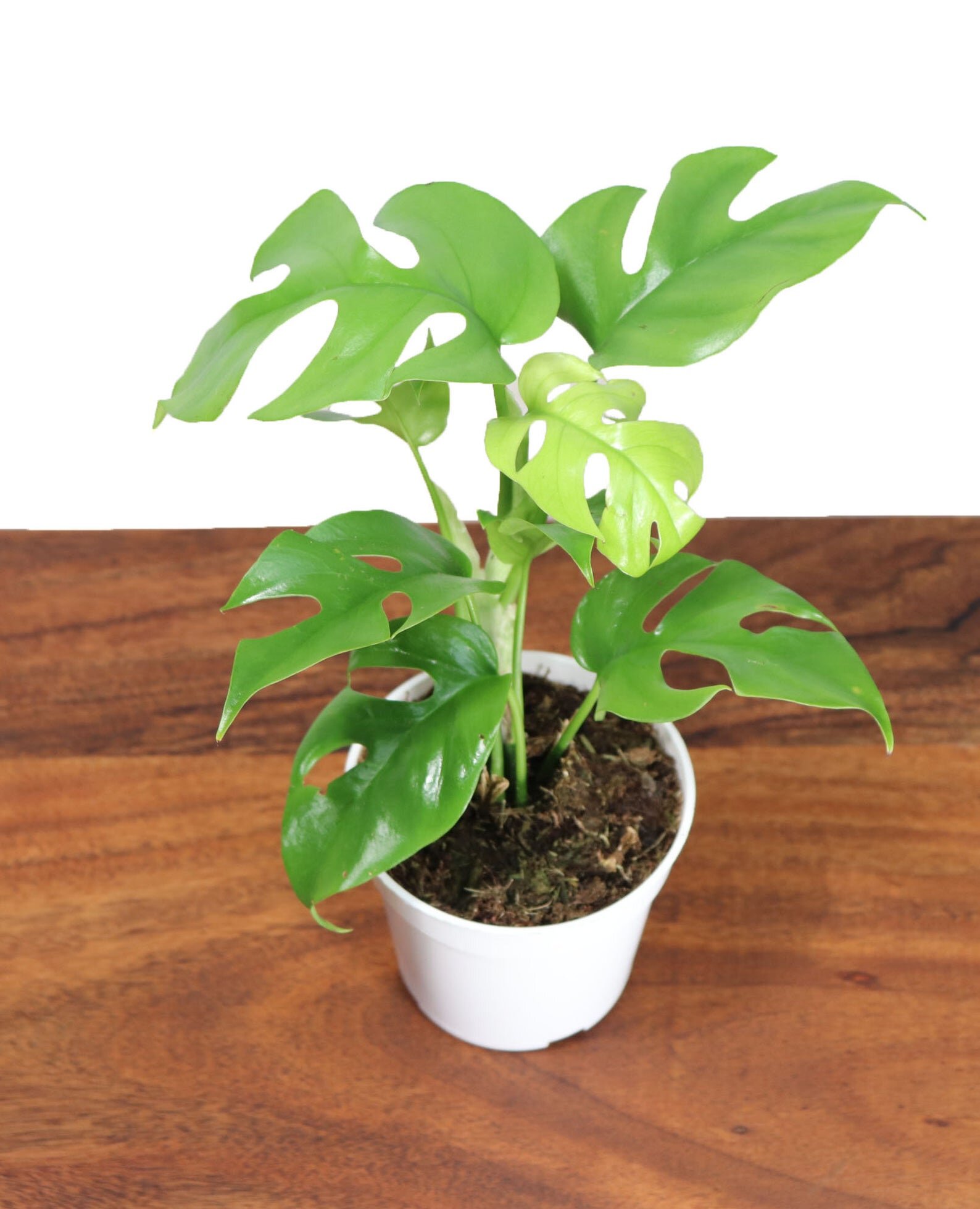
Caring for a Mini Monstera brings a touch of the tropics indoors. These plants charm with their unique split leaves.
Dive into the world of Mini Monstera plant care. This climbing beauty may resemble its larger cousin, but it boasts distinct needs. Lush foliage and swift growth make it a favorite among plant lovers. To thrive, it needs the right balance of light, water, and nutrients.
This post will guide you through the essentials. You’ll learn how to keep your Mini Monstera happy and healthy. Whether you’re a seasoned green thumb or a budding plant parent, you’ll find these tips practical and straightforward. Get ready to give your Mini Monstera the best care, and watch it transform your space with verdant vitality.
Introduction To Mini Monstera
The Mini Monstera, with its lush green leaves, adds life to any space. This plant is easy to care for. It brings a touch of the tropics indoors. Perfect for plant lovers, the Mini Monstera thrives with minimal fuss. Let’s dive into the rich history and diversity of this plant.
Origin And Habitat
The Mini Monstera is not a true Monstera. It’s often mistaken for one due to similar leaf patterns. It is native to Thailand and Malaysia. This plant loves warm, humid environments. It grows in the understory of rainforests. Here, the plant gets dappled sunlight and is shielded from direct sun. The Mini Monstera’s natural habitat teaches us about its care. Bright, indirect light and moist air make it happy. Understanding where it comes from helps us mimic these conditions at home.
Common Varieties
This plant has a few varieties that plant enthusiasts adore. The ‘Rhaphidophora Tetrasperma’ is the most well-known. It’s loved for its smaller size and unique split leaves. Another variety, the ‘Variegata,’ stands out with streaks of white or yellow. These rare leaves make it highly sought after. Each variety has its own care needs. Yet, all of them share a love for bright light and regular watering. Below is a simple guide to these varieties:
| Plant Variety | Leaf Color | Care Highlights |
|---|---|---|
| Rhaphidophora Tetrasperma | Green with split leaves | Bright, indirect light. Weekly watering. |
| Variegata | Green with white or yellow streaks | More light to maintain variegation. Moist soil. |
Ideal Growing Conditions
The Mini Monstera, with its charming leaves, is a popular houseplant. It thrives under certain conditions. Knowing these will help your plant grow beautifully. Let’s explore the best care for your green friend.
Light Requirements
The Mini Monstera loves bright, indirect light. Direct sunlight can harm its leaves. A north or east-facing window is a good spot. Here’s what you should remember:
- Place it where it gets light but no direct sun.
- Avoid dark corners. Low light can slow growth.
- Use curtains to diffuse strong light.
Temperature And Humidity
This plant likes it warm and humid. Think of a tropical climate. It’s not hard to create this at home. Here’s a simple guide:
| Temperature (°F) | Humidity Level |
|---|---|
| 65 – 80 | High |
Keep your plant away from drafts. Sudden changes in temperature are not good. In winter, don’t let it get too cold. Use a humidifier if your air is dry. Mist the leaves if they seem thirsty.
Soil And Potting
Caring for a Mini Monstera plant means knowing about soil and potting. These plants love a special kind of soil and pot to grow well. Let’s learn how to make your Mini Monstera happy and healthy.
Best Soil Mix
The right soil mix is key for a Mini Monstera. This plant needs soil that drains water well but keeps some moisture. Let’s break down what makes a good mix:
- Airy and light – This lets roots breathe and grow.
- Peat moss or coco coir – Helps hold moisture.
- Perlite or vermiculite – For better drainage.
- Worm castings – Adds nutrients without being too strong.
Here’s a simple mix to try:
| Ingredient | Percentage |
|---|---|
| Peat moss or coco coir | 40% |
| Perlite | 30% |
| Worm castings | 20% |
| Sand | 10% |
Mix these well for a great start.
Choosing The Right Pot
The pot for your Mini Monstera matters a lot. It needs to let water out so roots don’t sit in water. Here are some tips:
- Size – Start with a pot 2 inches bigger than the plant’s root ball.
- Material – Clay or terracotta pots are great. They let air move and help dry soil.
- Drainage holes – A must-have. They stop water from collecting at the bottom.
Remember, a too big pot can hold too much water. This isn’t good for the plant. Check the pot every year. Your plant might need a bigger one as it grows.
Credit: thegreenmadhouse.com
Watering Needs
Taking care of a Mini Monstera plant means knowing the right way to water it. This tropical plant needs attention to thrive indoors. Proper watering keeps it healthy and happy. Let’s dive into how often and with what techniques to water your Mini Monstera. We’ll also explore signs that you might be giving it too much water.
Frequency And Techniques
Mini Monstera plants need the right balance of water. They don’t like to dry out completely. Yet, they don’t want their roots always wet. A good rule is to water when the top inch of soil feels dry. You can check this with your finger. This could mean watering once a week, but it varies. It depends on the light, humidity, and temperature in your home.
Use lukewarm water for your plant. Cold water can shock the roots. When you water, do it slowly. Make sure the water spreads evenly through the soil. You want to avoid dumping water quickly. This can create channels in the soil. The water runs through these channels. It can miss the roots completely.
- Check soil moisture weekly
- Water with lukewarm water
- Water slowly and evenly
Signs Of Overwatering
Leaves turning yellow or brown can be a sign of too much water. The Mini Monstera’s roots need oxygen. Too much water drowns them. This leads to root rot. Root rot can kill a plant.
Soft, mushy stems are another warning. These signs mean you should check the watering schedule. Make sure the plant’s pot has holes in the bottom. Good drainage is key. It lets excess water escape. This helps prevent root rot.
The plant’s pot size matters too. A pot too big holds more water. This can keep the soil wet for too long. The Mini Monstera’s roots can suffer in soggy soil.
- Yellow or brown leaves
- Soft, mushy stems
- Check pot for proper drainage
- Use a pot that fits the plant’s size
Fertilizing Tips
Caring for a Mini Monstera plant means understanding its needs. Like all plants, it thrives with the right mix of soil, water, and nutrients. A key element in nurturing this lush greenery is fertilizing. Proper fertilization ensures healthy growth and vibrant leaves. Let’s dive into the best fertilizers and feeding schedules for your Mini Monstera.
Best Fertilizers
Choosing the right fertilizer is crucial for Mini Monstera plants. These tropical natives need a balance of nutrients to flourish. Organic options are often preferred. They release nutrients slowly and improve soil health. Look for fertilizers with a good mix of nitrogen, phosphorus, and potassium. These elements support leaf growth, root development, and overall plant health. Slow-release granules work well. They feed the plant gradually over months. Liquid fertilizers are also an option. They act quickly and are easy to control. Always follow the package instructions to avoid overfeeding.
- Organic fertilizers: Safer for plants, release slowly.
- Nitrogen, phosphorus, potassium: Essential for health.
- Slow-release granules: Provide long-term nourishment.
- Liquid fertilizers: Fast-acting, easy dosage control.
Feeding Schedule
The feeding schedule for your Mini Monstera is as important as the fertilizer type. Young plants need more frequent feeding. This helps them establish a strong root system. Feed them every month during the growing season. In winter, reduce this to once every two months. Mature Monsteras need less frequent feeding. Once every two months in the growing season is enough. In winter, you can even skip feeding altogether. Always water the plant before fertilizing. This prevents root burn and ensures even nutrient distribution. Remember, overfeeding can harm your plant just as much as underfeeding.
| Plant Age | Growing Season | Winter |
|---|---|---|
| Young Mini Monstera | Once a month | Once every two months |
| Mature Mini Monstera | Once every two months | Optional |
:max_bytes(150000):strip_icc()/GettyImages-979579482-2000-235a720c2e5a42ff98b6dd51f61c890a.jpg)
Credit: www.southernliving.com
Pruning And Maintenance
Many people love the Mini Monstera plant for its beauty. Taking care of it includes pruning and maintenance. This keeps the plant healthy and good looking. Let’s talk about when and how to prune your Mini Monstera. Also, we’ll cover techniques for its growth.
When To Prune
Pruning is key for a healthy Mini Monstera. The best times are:
- Spring and summer: These seasons are the best. The plant grows fast then.
- When leaves look bad: Cut off yellow or damaged leaves anytime.
Tools should be clean to avoid sickness. Use sharp scissors or shears. This helps the plant heal faster.
| Season | Pruning Action |
|---|---|
| Spring | Major pruning for shape |
| Summer | Light pruning to boost growth |
| Anytime | Remove dead or sick leaves |
Techniques For Healthy Growth
For your Mini Monstera to thrive, follow these simple steps:
- Right light: Bright, indirect sunlight is best.
- Watering: Keep the soil moist but not wet. Water when top soil is dry.
- Humidity: They like it humid. Mist leaves or use a humidifier.
- Fertilizer: Feed it during growing months, spring and summer.
Don’t forget to check for pests. Wipe leaves with a soft, damp cloth. This keeps them clean and healthy. Repotting every 2-3 years helps too. Use fresh potting mix to give roots more space to grow.
Pest And Disease Management
Caring for a Mini Monstera plant involves knowing the right steps. The plant’s health is important. Recognizing pests and diseases early is key. This ensures your Mini Monstera thrives indoors. Let’s explore how to keep your plant in top shape. This includes managing pests and diseases effectively.
Common Pests
The Mini Monstera can fall prey to various pests. These unwanted guests can stress your plant. Look out for spider mites, which create web-like structures. Mealybugs leave a cottony residue. Aphids are tiny but can cause big problems. They suck sap from leaves. Thrips also enjoy feasting on Mini Monsteras. Recognizing these pests is the first step.
- Spider Mites: Tiny, spider-like pests.
- Mealybugs: White, fluffy insects.
- Aphids: Small, green or black insects.
- Thrips: Slender, winged pests.
Preventive Measures
Keeping pests away is easier than getting rid of them. Regularly check your plant. Look under leaves and along stems. Wipe leaves with a damp cloth. This will remove dust and possible pests. Provide good airflow. This helps prevent pest infestations. Isolate new plants before adding them to your collection. This stops pests from spreading.
- Inspect plants often. Pay close attention to the undersides of leaves.
- Clean leaves to prevent pests from settling.
- Ensure your plant gets proper air circulation.
- Quarantine new plants for at least two weeks.
:max_bytes(150000):strip_icc()/how-to-grow-mini-monstera-header-b5c53e9959aa4438bb8ff6fc60ef0091.jpg)
Credit: www.thespruce.com
Propagation Methods
The Mini Monstera, also known as Rhaphidophora tetrasperma, is a tropical plant prized for its unique leaves and ease of care. Growing this plant can bring a touch of the tropics into any home. One of the joys of plant care is propagating your Mini Monstera to expand your collection or share with friends. This guide will explain simple propagation methods that even beginners can try.
Cuttings
Propagating through cuttings is a popular method for Mini Monstera plants. It involves snipping a section of the plant that includes at least one node. Nodes are crucial as they give rise to new roots. Here’s a step-by-step process:
- Select a healthy stem with at least one node and a few leaves.
- Use clean, sharp scissors to make the cut just below a node.
- Place the cutting in water or moist soil.
- Ensure the node is submerged, but keep the leaves out of water or soil.
- Wait for roots to grow. This could take a few weeks.
- Once roots appear, plant the cutting in a pot with well-draining soil.
Keep the soil evenly moist and provide bright, indirect light. New growth signifies that the cutting has successfully taken root.
Divisions
Another method to propagate the Mini Monstera is through divisions. This method is best done during repotting. Dividing a plant can give you several smaller plants from one. Here’s how to do it:
- Gently remove your plant from its pot.
- Look for natural sections or clumps that can be separated.
- Each section should have its own roots and leaves.
- Use your hands or a clean knife to divide the sections.
- Plant each new section in its pot with fresh, well-draining soil.
After potting, water each new plant well. Keep them in a spot with bright, indirect sunlight. They will need some time to recover from the shock of division. With proper care, these divisions will flourish and grow.
Frequently Asked Questions
What Does A Mini Monstera Need To Thrive?
Mini Monstera plants need bright, indirect light, regular watering, and high humidity. Easy for any home!
How Often Should I Water My Mini Monstera?
Water your Mini Monstera once a week. Let the soil dry slightly between waterings.
Can Mini Monstera Plants Grow In Low Light?
Yes, but they grow slower. For best results, give them bright, indirect light.
Conclusion
Caring for your Mini Monstera brings joy and greenery to any space. Remember to provide bright, indirect light and water only when the soil is dry. Regular pruning keeps the plant healthy and encourages growth. Mist the leaves to mimic a humid environment.
Spot signs of trouble early to keep your plant thriving. Embrace the simplicity of Mini Monstera care for a happy, lush plant. Easy steps, big rewards. Let your green thumb shine with your thriving Mini Monstera.