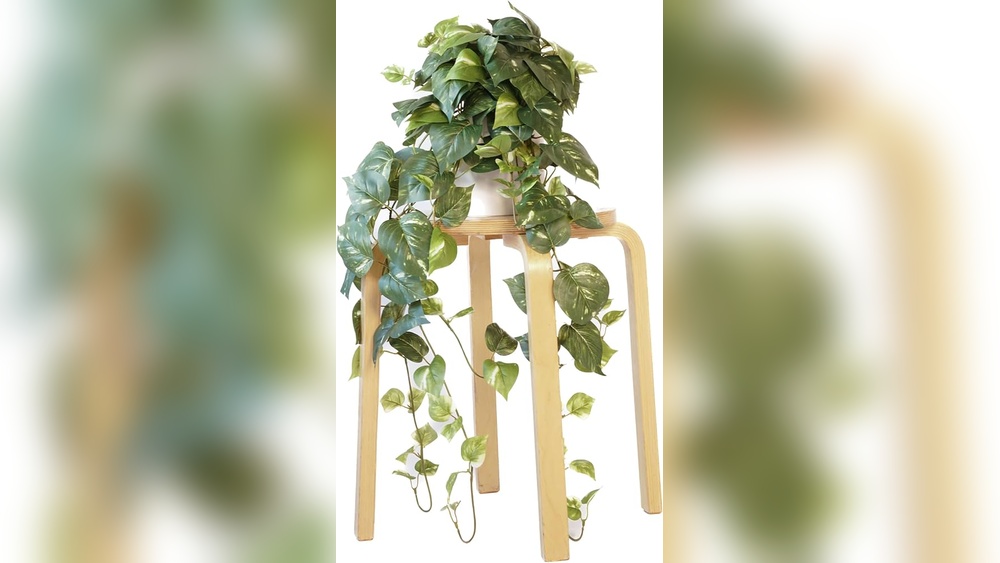
Looking to add a fresh, natural touch to your home? An ivy plant can be the perfect choice for your indoor decor.
Its lush green leaves bring life to any room, creating a calming and inviting atmosphere. You might be surprised how easy it is to care for and how beautifully it can grow in small spaces. Keep reading to discover simple tips and creative ideas that will help you transform your home with the charm of ivy plants.
Your space deserves that little green boost!
Benefits Of Ivy Plants Indoors
Ivy plants bring many benefits to indoor spaces. They improve the air quality by removing toxins. They also add a natural and fresh look to any room. Ivy plants are easy to care for, making them perfect for busy lifestyles.
These plants grow well in low light and need little water. They fit well in homes, offices, and small apartments. Ivy plants create a calm and pleasant atmosphere that helps you feel relaxed.
Air Purification
Ivy plants clean the air by absorbing harmful chemicals. They remove pollutants like mold and formaldehyde. This makes the air safer to breathe inside your home. Cleaner air can help reduce allergies and breathing problems.
Aesthetic Appeal
Ivy adds a touch of green to any space. Its trailing vines create a beautiful natural decoration. It fits well on shelves, walls, and hanging baskets. Ivy’s lush leaves bring life to plain or dull rooms.
Low Maintenance
Ivy plants need little attention to stay healthy. They grow well in different light conditions. You only need to water them once a week. Ivy is a good choice for people who do not want hard care routines.
Choosing The Right Ivy Variety
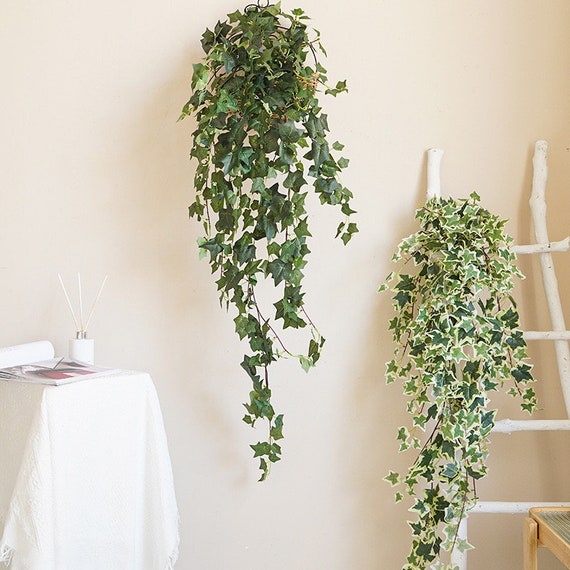
Choosing the right ivy variety can transform your indoor space. Each type of ivy has unique features. Some thrive in low light, while others prefer bright spots. Understanding these differences helps you pick the best plant for your home. Ivy plants add a touch of green and freshness. They also help clean the air and improve mood. Below are popular ivy varieties to consider.
English Ivy
English Ivy is a classic choice. It has small, dark green leaves with white veins. This ivy grows well in indirect light. It can climb walls or hang in baskets. English Ivy is easy to care for and grows fast. It helps reduce indoor air pollution. Keep the soil moist but not soggy. Trim regularly to keep shape and size.
Algerian Ivy
Algerian Ivy has larger, glossy leaves with deep green color. It is tougher than English Ivy. This variety prefers brighter light but not direct sun. Algerian Ivy climbs and spreads quickly. It works great on shelves or as a trailing plant. Water it moderately and let soil dry slightly. It adds a lush look to any room.
Irish Ivy
Irish Ivy has bright green, heart-shaped leaves. It grows well in low to medium light. This ivy is slower growing than others. Irish Ivy is perfect for small spaces or desks. It needs less water than English or Algerian Ivy. Keep it away from hot drafts. Its soft leaves bring a fresh feel indoors.
Ideal Indoor Conditions
The ivy plant adds charm and freshness to any indoor space. It thrives best under certain conditions. Creating the right environment helps the plant grow healthy and look beautiful.
Understanding the ideal indoor conditions makes caring for your ivy easier. Small changes in light, temperature, and soil can make a big difference.
Lighting Needs
Ivy plants prefer bright, indirect light. Direct sunlight can burn the leaves. A spot near a window with filtered light works well. Low light can slow growth but won’t kill the plant. Rotate the pot often to keep growth even.
Temperature And Humidity
Keep ivy in temperatures between 50°F and 70°F. Avoid cold drafts or hot air from heaters. Ivy likes moderate humidity. Dry air can cause leaf edges to brown. Use a humidifier or mist the leaves to raise humidity if needed.
Soil Requirements
Use well-draining soil for indoor ivy. A mix of potting soil and perlite or sand works well. The soil should stay moist but not soggy. Overwatering can cause root rot. Check soil moisture by touching it before watering.
Planting And Potting Tips
Planting and potting an ivy plant indoors can bring fresh life to any room. Proper care starts with the right pot and soil. Small steps make a big difference in how well your ivy grows.
Selecting Containers
Choose a container with drainage holes. This stops water from pooling at the bottom. Clay pots work well because they let air reach the roots. Pick a pot size that fits the ivy’s root ball. Too large a pot can hold extra water and cause root rot.
Soil Preparation
Use soil that drains fast but holds some moisture. A mix of potting soil and perlite or sand is best. Avoid heavy garden soil that stays too wet. Adding organic matter helps the ivy get nutrients. This keeps the plant healthy and growing strong.
Planting Techniques
Gently loosen the ivy’s roots before planting. Place the plant in the pot so the top of the root ball is level with the soil surface. Fill around the roots with soil and press lightly. Water the plant right after planting. This settles the soil and reduces air pockets.
Creative Ivy Display Ideas
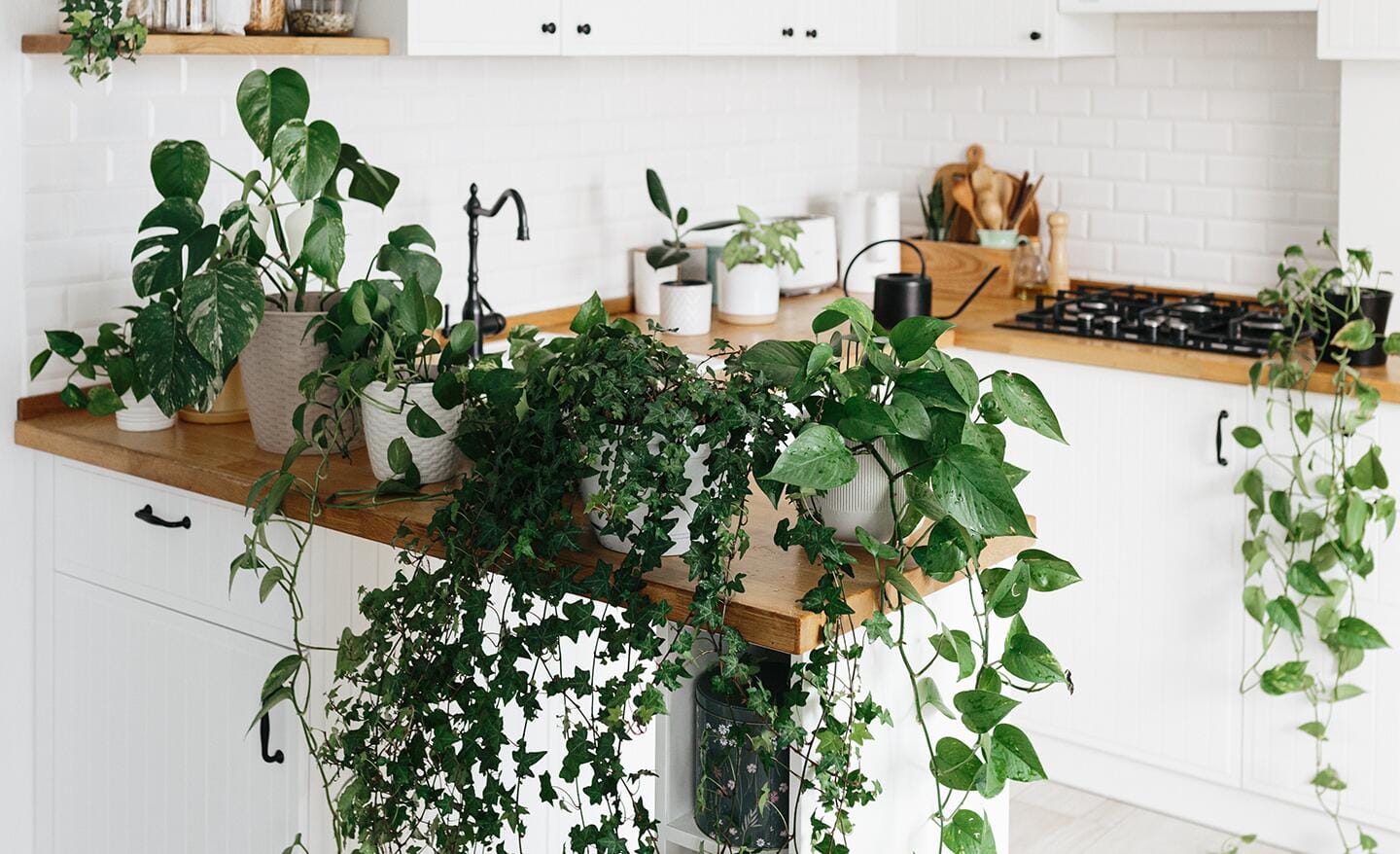
Ivy plants bring fresh green vibes to indoor spaces. Their trailing leaves create soft, natural looks that fit many decor styles. Using ivy creatively makes rooms feel lively and cozy. The plant’s ability to grow in different shapes helps you design unique displays.
Try creative ways to show off ivy in your home. These ideas use simple tools and make the plant a centerpiece. Ivy’s flexible vines work well in many types of containers and setups.
Hanging Planters
Hanging planters let ivy vines dangle freely. They save space and add height to your room. Use small pots with ropes or chains for a stylish look. Place them near windows to get enough sunlight. The vines will grow down, creating a green curtain effect. Hanging planters suit living rooms, kitchens, and bedrooms.
Wall-mounted Trellises
Wall-mounted trellises guide ivy to climb upward. Attach a wooden or metal grid to your wall. Train the ivy to wrap around the structure. This creates a living wall art piece. Trellises add texture and depth without taking floor space. Ideal for narrow areas or blank walls needing a natural touch.
Tabletop Arrangements
Tabletop ivy arrangements brighten any flat surface. Use shallow pots or decorative bowls as containers. Let the vines spill over the edges gently. Mix ivy with small flowers or stones for interest. Perfect for desks, coffee tables, and shelves. These arrangements bring nature closer to your daily life.

Care And Maintenance
Caring for an ivy plant indoors is simple with basic attention. Understanding its needs helps keep it healthy and vibrant. Proper care ensures the plant grows well and looks beautiful in your space.
Watering Schedule
Ivy plants prefer slightly moist soil. Water the plant when the top inch of soil feels dry. Avoid overwatering to prevent root rot. Use room temperature water for best results. Water less during winter months, as growth slows down.
Pruning And Training
Prune ivy regularly to keep its shape neat. Cut back long or leggy stems to encourage bushier growth. Use clean scissors to avoid plant damage. Train vines to climb supports or trail by gently tying them. Regular pruning helps the plant stay healthy and full.
Pest Control
Check ivy leaves often for pests like spider mites and aphids. Wipe leaves with a damp cloth to remove dust and insects. Use mild soap spray if pests appear. Avoid harsh chemicals that can harm the plant. Keep the plant clean to reduce pest problems.
Common Problems And Solutions
Indoor ivy plants add beauty to any room. Still, they can face some common problems. Knowing these issues helps keep your ivy healthy and green. Simple care steps fix most problems fast.
Yellowing Leaves
Yellow leaves often show stress in ivy plants. Too much water causes roots to suffocate. Too little water makes leaves dry and pale. Check soil moisture before watering again. Use well-draining soil to avoid water buildup.
Root Rot
Root rot happens when ivy sits in soggy soil. Roots turn brown and soft. The plant may wilt or stop growing. Remove the plant from the pot. Cut away rotten roots with clean scissors. Repot in fresh, dry soil and water lightly.
Pest Infestations
Small bugs like spider mites or aphids attack ivy leaves. Leaves may look sticky or have tiny holes. Spray the plant with water to wash pests off. Use mild insect soap if bugs persist. Keep leaves clean and check plants weekly.
Frequently Asked Questions
What Are The Best Indoor Ivy Plant Varieties?
English Ivy, Swedish Ivy, and Algerian Ivy are ideal indoor varieties. They adapt well to low light and improve air quality. These ivies require minimal care, making them perfect for indoor décor enthusiasts seeking greenery without hassle.
How Do I Care For An Indoor Ivy Plant?
Place ivy in bright, indirect light and water when the top soil feels dry. Maintain humidity by misting leaves regularly. Avoid overwatering to prevent root rot. Fertilize monthly during growing seasons for healthy growth and vibrant leaves.
Can Ivy Plants Improve Indoor Air Quality?
Yes, ivy plants filter airborne toxins like formaldehyde and benzene. Their dense foliage traps dust and pollutants, enhancing indoor air quality. This makes ivy an excellent natural air purifier for homes and offices.
How To Style An Ivy Plant For Indoor Décor?
Use hanging baskets, trailing pots, or place ivy on shelves to showcase its cascading vines. Combine with other plants for a lush look. Ivy’s versatile growth suits modern, rustic, and minimalist décor styles effectively.
Conclusion
Ivy plants bring fresh life to any indoor space. Their green leaves add a natural touch to your home. They grow well in low light and need little care. You can hang them, place on shelves, or let them climb walls.
Ivy plants create a calm and cozy atmosphere. They also help clean the air you breathe. Try adding ivy to your home decor for a simple, beautiful change. Small effort, big impact. A natural way to brighten your living space.
Leave a Reply