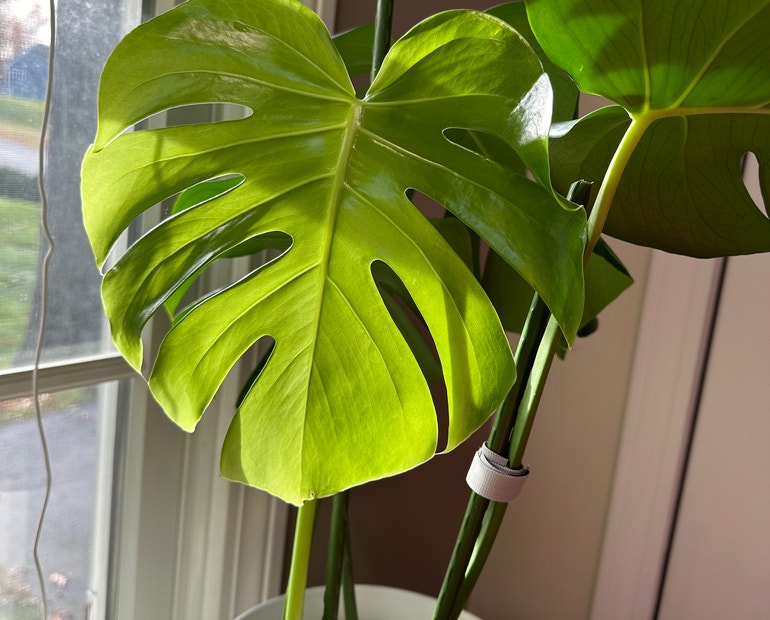
Yes, Monstera is toxic to humans. The plant contains calcium oxalate crystals.
These can cause irritation if ingested. The Monstera plant, with its unique, split leaves, is a popular houseplant. Many people love its lush, tropical appearance. But, there is a hidden danger. Monstera contains toxic compounds that can harm humans. Touching the plant or eating its parts can lead to skin irritation and digestive problems.
This beautiful plant can be a risk for homes with curious children or pets. Understanding the toxicity of Monstera is important for safety. This blog will explain the risks and how to handle the plant safely. Stay informed to enjoy your Monstera without worry.
Introduction To Monstera
The Monstera plant is a popular houseplant known for its large, unique leaves. It is native to the tropical forests of Central America. This plant is often called the “Swiss Cheese Plant” because of the holes in its leaves. Monstera is an excellent choice for both beginners and experienced gardeners.
Popular Varieties
There are several popular varieties of Monstera:
- Monstera Deliciosa: The most common variety, known for its large, split leaves.
- Monstera Adansonii: Also known as the “Swiss Cheese Vine,” it has smaller, more frequent holes.
- Monstera Obliqua: A rare variety with delicate, lace-like leaves.
- Monstera Dubia: Known for its shingling growth habit, it climbs surfaces elegantly.
Indoor Vs Outdoor Growth
Monstera plants can thrive both indoors and outdoors:
| Growth Environment | Conditions |
|---|---|
| Indoor Growth | Bright, indirect light, and a humid environment. Regular watering is required. Keep it away from direct sunlight to avoid leaf burns. |
| Outdoor Growth | Partial shade to full shade. Needs well-drained soil. Water regularly but avoid waterlogging. Suitable for USDA zones 10-12. |
Whether you grow it indoors or outdoors, Monstera needs proper care to thrive. Ensure that the soil is moist but not soggy. Use a well-draining potting mix for indoor plants. For outdoor plants, ensure the soil drains well and does not retain water. Regularly wipe the leaves to keep them dust-free.

Monstera Plant Toxicity
The Monstera plant, also called the Swiss Cheese Plant, is popular in homes. Its unique leaves add beauty to any room. But, is it safe for humans? Understanding its toxicity is crucial. Let’s dive into what makes this plant harmful.
Harmful Compounds
Monstera plants contain calcium oxalate crystals. These tiny crystals can cause irritation. They are found in the plant’s leaves, stems, and sap. When touched or ingested, they can cause problems. This is why knowing about these compounds is important.
Symptoms Of Poisoning
Ingesting Monstera can cause mouth and throat irritation. Symptoms include a burning sensation, swelling, and difficulty swallowing. Skin contact can lead to redness, itching, and rashes. Eye exposure can cause pain and redness. These symptoms can be alarming. It’s essential to handle the plant with care.
Effects On Humans
Monstera plants contain calcium oxalate crystals. These can cause irritation and swelling if ingested. Skin contact may lead to mild irritation.
Monstera plants are popular houseplants known for their large, beautiful leaves. But they can be harmful to humans. Understanding the effects on humans is important. This can help you handle the plant safely.Skin Irritation
Monstera plants can cause skin irritation. Their sap contains calcium oxalate crystals. These crystals can irritate the skin. Symptoms may include redness, itching, and swelling. Always wear gloves when handling the plant. Wash your hands after touching it. This can help prevent skin irritation.Ingestion Risks
Ingesting Monstera parts can be dangerous. The plant’s leaves and stems are toxic if eaten. Symptoms of ingestion include mouth pain, swelling, and burning sensations. More severe cases can cause difficulty swallowing. It may also lead to stomach pain and vomiting. Seek medical attention if ingestion occurs. Keep Monstera plants out of reach of children and pets. “`First Aid Measures
If a person comes into contact with a Monstera plant, knowing the correct first aid measures is crucial. The plant contains substances that can cause irritation or more severe reactions. This guide will help you understand what to do if exposure occurs.
Immediate Actions
When a person touches or ingests parts of a Monstera plant, take these immediate actions:
- Skin Contact: Rinse the affected area with cool water. Do not use soap initially.
- Eye Contact: Flush the eyes with lukewarm water for at least 15 minutes.
- Ingestion: Remove any plant material from the mouth. Rinse the mouth with water.
Ensure the person remains calm. Monitor for symptoms such as swelling, redness, or pain.
When To Seek Medical Help
Sometimes, home remedies are not enough. Seek medical help if you notice any of these symptoms:
- Severe swelling or difficulty breathing.
- Persistent pain or irritation that does not improve.
- Signs of an allergic reaction, such as hives or rash.
- Vomiting or difficulty swallowing after ingestion.
Contact poison control or visit the nearest emergency room for severe reactions.
| Symptom | Action |
|---|---|
| Mild Irritation | Flush with water; apply a cold compress. |
| Severe Swelling | Seek medical help immediately. |
| Difficulty Breathing | Call emergency services. |
Understanding these first aid measures can make a significant difference. Always err on the side of caution.
Safety Tips For Handling Monstera
If you own a Monstera or are considering getting one, it’s important to know how to handle it safely. While these plants are beautiful, they can be toxic if not handled properly. Below are some essential tips to ensure your safety and that of your family.
Protective Gear
Always wear protective gloves when handling your Monstera. This can prevent skin irritation. Long sleeves are also advisable to protect your arms. If you need to trim or repot the plant, consider wearing safety goggles. This helps avoid any sap contact with your eyes. Remember, safety first.
Safe Plant Placement
Place your Monstera out of reach of children and pets. This is crucial to avoid accidental ingestion. Consider elevated stands or shelves. Make sure the plant is not in high-traffic areas. This reduces the risk of someone brushing against it.
| Protective Gear | Safe Plant Placement |
|---|---|
| Wear gloves | Keep out of reach of children |
| Wear long sleeves | Use elevated stands |
| Use safety goggles | Avoid high-traffic areas |
By following these safety tips, you can enjoy your Monstera without worry. Always stay safe and informed.
Monstera And Pets
Monstera plants, while popular for their unique leaves, are toxic to humans if ingested. It’s important to keep them out of reach.
Monstera plants are popular houseplants. They have large, attractive leaves. But, they pose risks to pets. Many people ask, “Is Monstera toxic to pets?” The answer is yes. It can be harmful to cats and dogs. Let’s explore how Monstera affects pets.Common Pet Reactions
Pets might chew on Monstera leaves. This can cause several symptoms. Common reactions include drooling. Pets might also vomit. Swelling in the mouth is another sign. Pets may paw at their mouths. They might refuse to eat. These symptoms can be distressing for pet owners.Veterinary Advice
If your pet eats Monstera, contact a vet. Quick action is important. Vets can provide treatment. They might suggest giving milk or water. This can help soothe the mouth. In severe cases, pets might need further care. Always follow the vet’s advice. Keep Monstera plants out of reach. This can prevent future problems. “`Child Safety Around Monstera
Monstera plants can be harmful to humans if ingested. Their leaves contain calcium oxalate crystals, which can cause irritation. Keep these plants out of children’s reach to ensure safety.
Monstera plants are popular for their large, beautiful leaves. Yet, they pose a risk. These plants contain calcium oxalate crystals. These can cause irritation if ingested. Ensuring child safety around Monstera is crucial. Let’s explore ways to protect children.Preventing Exposure
Place Monstera plants out of children’s reach. High shelves or hanging baskets work well. Use barriers like plant cages or screens. These keep curious hands away. Regularly check plant placement. Ensure it’s secure and inaccessible to children. Monitor children during playtime. Especially in rooms with Monstera plants. This prevents accidental contact. Create a designated plant-free play area. This offers a safe space for kids.Educating Children
Teach children about plant safety. Explain that some plants can be harmful. Use simple language. Tell them not to touch or eat plants. Reinforce this message often. Read books about plants with children. This can make learning fun. Show pictures of Monstera. Explain its potential dangers. Encourage them to ask questions. Answer with simple, clear responses. Role-play scenarios with children. Act out situations involving plants. Show them how to respond safely. This reinforces learning through play. Children remember actions better than words. Involve children in plant care. Teach them safe handling practices. Use gloves and tools. Supervise closely. This builds respect for plants and their safety. “`
Non-toxic Alternatives
Monstera plants, while beautiful, can be toxic to humans. If you love houseplants but worry about toxicity, there are many safe alternatives available. These non-toxic options can still provide the same decorative charm without the risk.
Safe Houseplants
Spider plants are safe and easy to care for. They thrive in low light and require minimal watering. Boston ferns are another great choice. These lush, green plants add a touch of nature to any room. They prefer indirect light and moist soil.
Areca palms are non-toxic and add a tropical feel to your home. They need bright, indirect light and regular watering. Peperomias are small, non-toxic plants with a variety of leaf shapes and colors. They are perfect for tabletops or shelves.
Decorative Options
Many safe houseplants offer decorative appeal. African violets bloom with vibrant colors and are safe for humans. They need bright, indirect light and consistent moisture. Bamboo palms are another decorative option. Their tall, slender stalks provide a sophisticated look. They thrive in bright, indirect light and need regular watering.
Calathea plants have striking leaf patterns and are non-toxic. They prefer low to medium light and require moist soil. Fittonias, or nerve plants, have colorful, veined leaves. They are safe and thrive in low light with high humidity.
Choosing non-toxic houseplants ensures safety while maintaining a beautiful home. With so many options available, you can find the perfect plant for any space.

Frequently Asked Questions
Is Monstera Toxic To Humans?
Yes, Monstera plants are toxic to humans. They contain calcium oxalate crystals. If ingested, they can cause irritation, swelling, and discomfort.
What Happens If You Touch Monstera?
Touching Monstera can cause skin irritation. It’s due to the calcium oxalate crystals. Always wash hands thoroughly after handling.
Can Monstera Cause Allergic Reactions?
Yes, Monstera can cause allergic reactions. Symptoms include itching, redness, and swelling. Seek medical advice if symptoms persist.
Are Monstera Plants Safe For Homes?
Monstera plants are safe if precautions are taken. Keep them out of reach of children and pets. Handle with care.
Conclusion
Monstera plants add beauty to your home. But they are toxic if ingested. Keep them away from children and pets. Wear gloves while handling them. Wash your hands after touching the plant. Safety first, always. Enjoy your Monstera’s beauty responsibly.
Stay informed, stay safe.
Leave a Reply