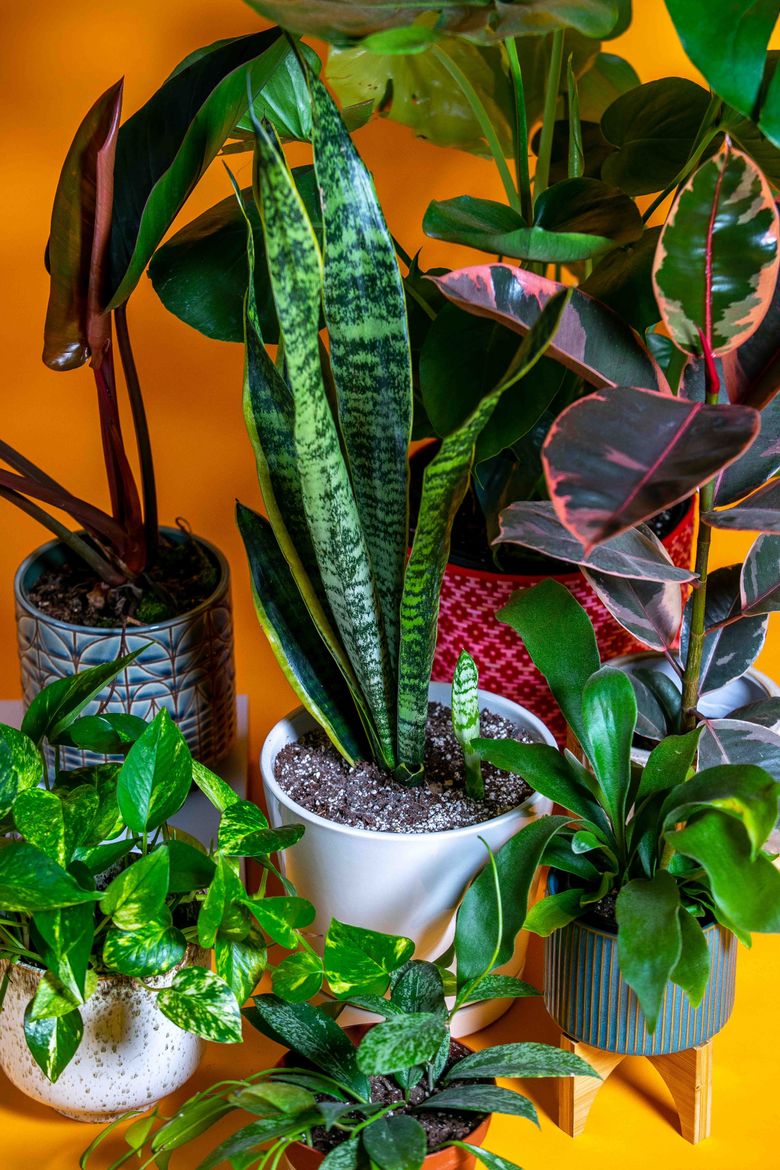
Yes, Monstera plants are low maintenance. They thrive with minimal care and adapt well indoors.
These plants are perfect for busy people or beginners. Monstera, also known as the Swiss Cheese Plant, has gained popularity among plant lovers. Its large, unique leaves add a tropical vibe to any room. But many wonder about its care needs.
Thankfully, Monstera plants are quite easy to look after. They don’t demand constant attention or special conditions. With just some basic care, they can thrive and grow beautifully. This makes them ideal for anyone who loves plants but lacks time or experience. Read on to learn more about how simple it is to maintain a Monstera in your home.
Introduction To Monstera
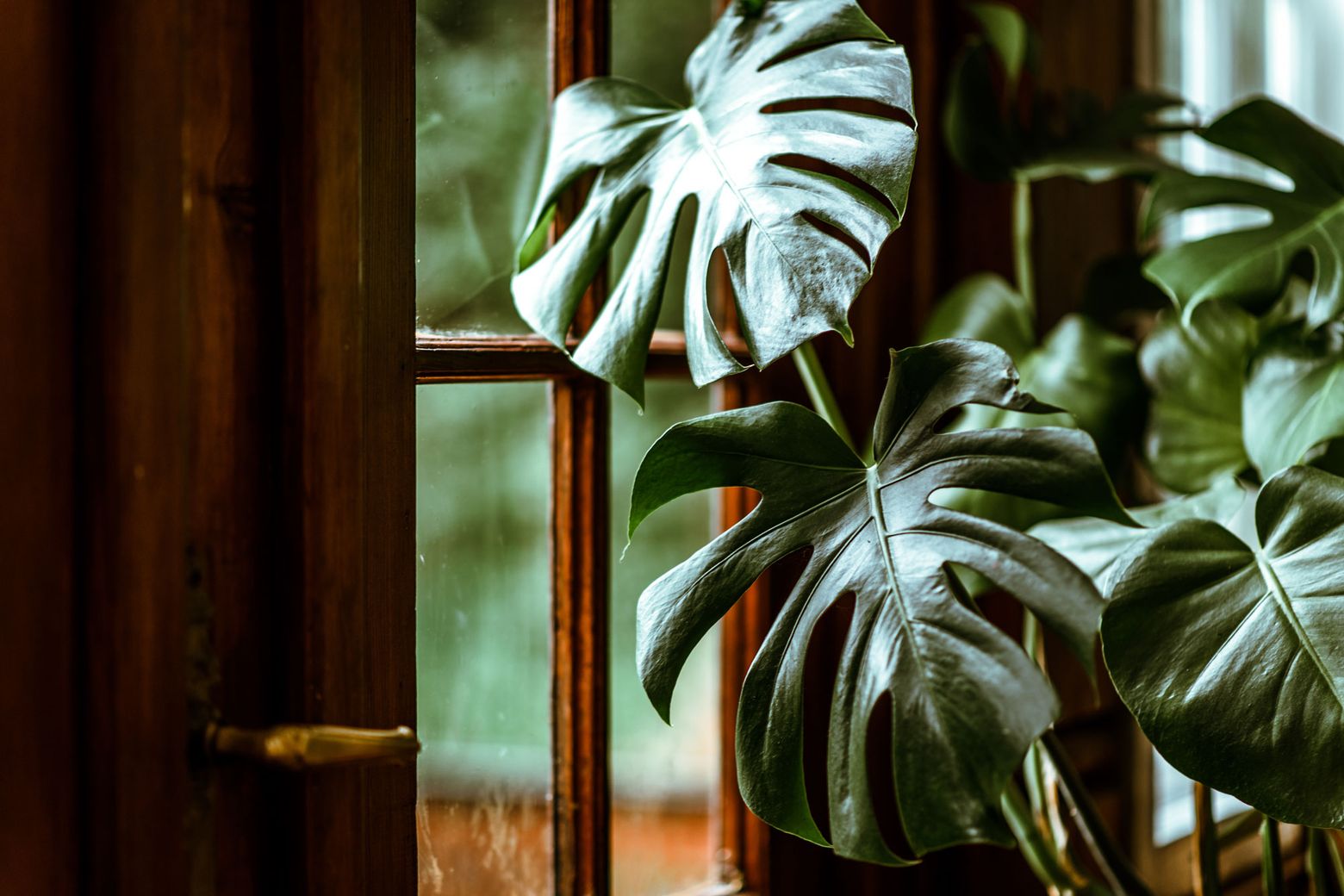
The Monstera plant, known for its large, split leaves, is a popular houseplant. It is loved for its unique appearance and easy care. This plant can thrive in many home environments. Let’s explore its origins, history, and why it is popular today.
Origins And History
The Monstera plant, also called the Swiss Cheese Plant, is native to Central America. It grows in tropical forests from southern Mexico to Panama. The plant’s scientific name is Monstera deliciosa, derived from its monstrous size and edible fruit.
Monstera plants were first discovered in the wild in the 18th century. Explorers and botanists brought them to Europe. They became popular in botanical gardens and greenhouses.
Popularity In Modern Homes
Today, Monstera plants are a favorite in many homes. Their large, striking leaves make a bold statement in any room. They are also low maintenance, needing little care to thrive.
- Monstera plants can adapt to various light conditions.
- They need watering only when the soil is dry.
- They can grow in different types of soil.
These qualities make Monstera plants ideal for busy people. Their beauty and easy care make them popular in modern interior design.
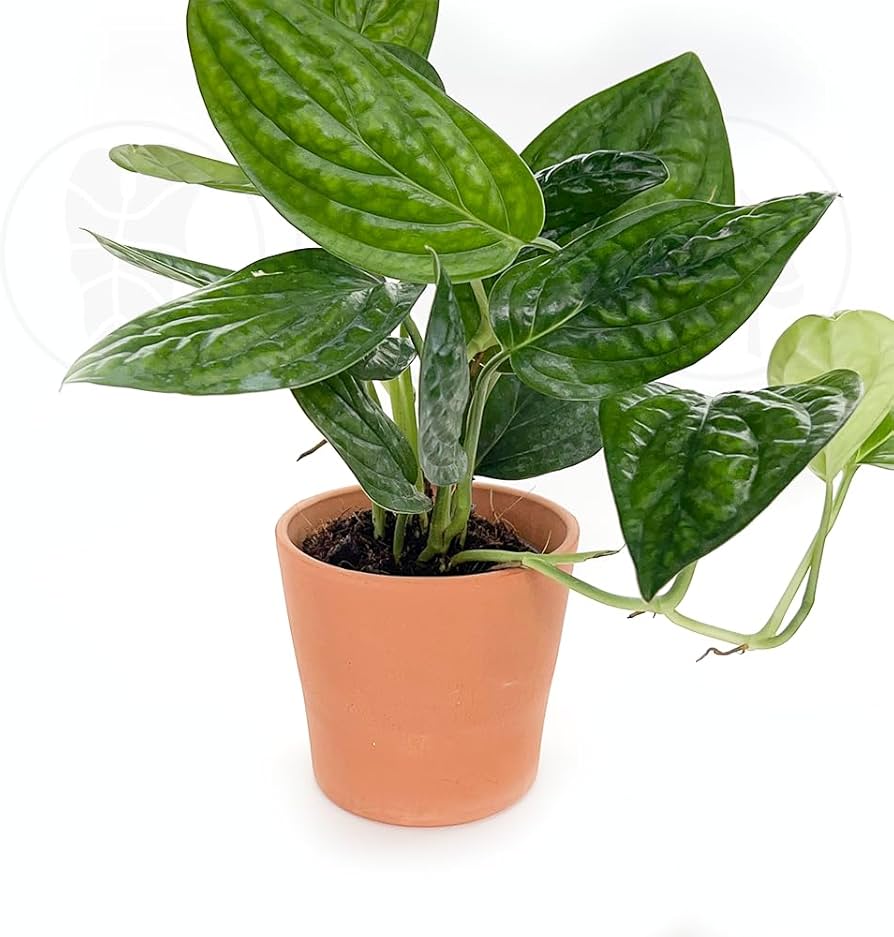
Monstera Care Essentials
Monstera plants are known for their beautiful, unique leaves. They are also relatively easy to care for. To keep your Monstera healthy and thriving, it is important to understand its basic needs. Below are the essential care tips for Monstera plants.
Light Requirements
Monstera plants prefer bright, indirect light. Direct sunlight can burn their leaves. Place your Monstera near a window with filtered light. If the light is too low, the plant may grow slowly and its leaves may not develop their characteristic splits.
Watering Needs
Water your Monstera when the top inch of soil feels dry. Overwatering can lead to root rot, so ensure the pot has drainage holes. During warmer months, you may need to water more frequently. In winter, reduce the watering frequency.
Soil Preferences
Monstera plants thrive in well-draining soil. A mix of potting soil, peat, and perlite works well. This mix helps retain moisture while allowing excess water to drain away. Ensure your pot has good drainage to avoid waterlogged soil.
Growth And Pruning Tips
Monstera plants are popular for their large, beautiful leaves and ease of care. To keep them healthy and thriving, proper growth and pruning techniques are essential. This section will provide tips on encouraging growth and the best pruning practices.
Encouraging Growth
Monstera plants thrive in bright, indirect light. Place them near a window with filtered sunlight. They need well-draining soil to prevent root rot. Water them when the top inch of soil feels dry.
Fertilize Monstera plants every month during spring and summer. Use a balanced, water-soluble fertilizer. This helps them grow strong and lush. Ensure the temperature stays between 65-85°F (18-29°C). Avoid placing them in drafty areas.
Humidity is crucial for Monstera plants. They love high humidity levels. Use a humidifier or mist the leaves regularly. This keeps the leaves vibrant and healthy.
Proper Pruning Techniques
Pruning helps Monstera plants stay healthy and attractive. Use clean, sharp scissors or pruning shears. Cut just above a leaf node. This encourages new growth.
Remove yellow or damaged leaves first. This prevents diseases from spreading. Trim back overgrown stems to maintain the plant’s shape. Don’t prune more than 25% of the plant at once. This ensures the plant stays strong.
Wear gloves when pruning. Monstera sap can cause skin irritation. After pruning, clean the tools with rubbing alcohol. This prevents the spread of diseases.
Regular pruning promotes healthy growth and keeps the plant looking its best. Follow these tips for a thriving Monstera plant.

Common Issues And Solutions
Monstera plants are popular for their unique, split leaves and easy care. Yet, even these resilient plants face some challenges. In this section, we will discuss common issues and their solutions.
Pest Control
Monstera plants can attract pests like spider mites, aphids, and mealybugs. These pests feed on plant sap, weakening the plant. To combat them, inspect your plant regularly. Look for small insects or webbing. Use a mild insecticidal soap to treat infestations. Spray the entire plant, focusing on the undersides of leaves. Repeat the treatment weekly until the pests are gone. Keep your Monstera clean by wiping the leaves with a damp cloth.
Dealing With Yellow Leaves
Yellow leaves on a Monstera can indicate several issues. Overwatering is a common cause. Ensure the top inch of soil is dry before watering. Use a well-draining potting mix to prevent root rot. Underwatering can also cause yellow leaves. Water your Monstera when the soil is dry to the touch. Nutrient deficiencies might lead to yellowing. Use a balanced houseplant fertilizer monthly during the growing season. Low light can also cause yellow leaves. Place your Monstera in bright, indirect sunlight.
Monstera And Indoor Environment
Monstera plants are popular houseplants known for their unique, split leaves. They thrive indoors with the right care. Understanding the ideal indoor environment helps keep them healthy.
Ideal Temperature
Monstera plants prefer a consistent temperature. Aim for 65 to 85 degrees Fahrenheit. Avoid placing them in drafty areas or near heaters. Sudden temperature changes can stress the plant.
Humidity Levels
Monstera plants love humidity. Keep the room humidity between 60% and 80%. Use a humidifier if the air is too dry. Misting the leaves also helps maintain moisture.
Fertilizing Your Monstera
Monstera plants are known for their beautiful, large leaves and easy care. But, to ensure they thrive, regular fertilization is key. Proper fertilizing helps your Monstera grow strong and healthy. In this section, we will explore the types of fertilizers and best practices for feeding your Monstera.
Types Of Fertilizers
There are several types of fertilizers available for your Monstera:
- Liquid Fertilizers: These are easy to apply and quickly absorbed by the plant. They are often diluted with water before use.
- Granular Fertilizers: These are slow-release and provide nutrients over a longer period. They are mixed into the soil.
- Organic Fertilizers: Made from natural materials, such as compost or manure. They improve soil health and provide a steady supply of nutrients.
Best Fertilizing Practices
Following these best practices ensures your Monstera gets the right nutrients:
- Frequency: Fertilize your Monstera every 4-6 weeks during the growing season (spring and summer). Reduce feeding in fall and winter.
- Amount: Use the recommended amount on the fertilizer package. Over-fertilizing can harm your plant.
- Watering: Water your Monstera before applying fertilizer. This helps prevent root burn.
- Observation: Watch your plant’s growth. Yellow leaves may indicate too much fertilizer. Adjust feeding accordingly.
| Type | Benefits |
|---|---|
| Liquid | Quick absorption, easy application |
| Granular | Slow-release, long-lasting |
| Organic | Improves soil health, steady nutrients |
By following these guidelines, your Monstera will grow healthy and strong. Proper fertilizing is essential for vibrant, lush foliage.
Repotting Your Monstera
Repotting your Monstera is an essential part of plant care. It ensures your plant continues to grow and thrive. Repotting provides more space for the roots and fresh soil. This process promotes healthy growth and prevents root-bound issues.
When To Repot
Knowing when to repot your Monstera is crucial. Typically, you should repot every 1-2 years. But there are signs your plant may need repotting sooner:
- Roots are growing out of the drainage holes.
- The plant looks too big for its pot.
- Water is not absorbing well.
- The soil dries out quickly.
Steps For Repotting
Follow these steps to repot your Monstera:
- Choose the right pot: Select a pot 2-4 inches larger than the current one. Ensure it has drainage holes.
- Prepare the soil: Use well-draining soil. A mix of potting soil, perlite, and orchid bark works well.
- Remove the plant: Gently take the Monstera out of its current pot. Loosen the roots carefully.
- Place in new pot: Position the Monstera in the center of the new pot. Fill with soil around the roots.
- Water thoroughly: Water the plant until water drains out of the bottom. This helps settle the soil.
- Adjust and care: Place your repotted Monstera in its usual spot. Continue with regular care routines.
Repotting is a vital task that keeps your Monstera healthy. Regular checks ensure it stays vibrant and lush.
Monstera Varieties
Monstera plants are a favorite among indoor plant enthusiasts. Their unique leaves and easy care make them a popular choice. There are many varieties of Monstera, each with its own charm.
Popular Types
Several Monstera types stand out for their beauty. Monstera Deliciosa is the most common. Known for its large, split leaves, it grows well indoors. Another popular type is Monstera Adansonii. It has smaller leaves with holes, giving it a distinct look. Monstera Borsigiana is similar to Deliciosa but grows faster. It’s perfect for those who want a lush plant quickly.
Unique Features
Each Monstera variety has unique features. Monstera Deliciosa leaves can grow very large, adding a tropical feel to any room. The holes in Monstera Adansonii leaves make it stand out from other houseplants. Monstera Borsigiana’s fast growth means it can quickly fill a space with greenery. Some varieties even have variegated leaves, adding more visual interest.
Frequently Asked Questions
Is Monstera Easy To Care For?
Yes, Monstera is easy to care for. It requires minimal attention and thrives in indirect sunlight. Regular watering and occasional fertilizing keep it healthy.
How Often Should I Water Monstera?
Water Monstera when the top inch of soil is dry. Overwatering can lead to root rot. Adjust frequency based on humidity and temperature.
Can Monstera Grow In Low Light?
Monstera can tolerate low light but prefers bright, indirect sunlight. In low light, its growth may slow down. Ensure it’s not exposed to direct sunlight.
Does Monstera Need Special Soil?
Monstera prefers well-draining soil with organic matter. A mix of potting soil, perlite, and peat moss works well. This prevents waterlogging and supports healthy root growth.
Conclusion
Monstera plants are indeed low maintenance. They thrive with minimal care. Just water them regularly. Ensure they get indirect sunlight. Prune occasionally to keep them healthy. They can adapt to different environments. This makes them perfect for busy plant lovers.
With a bit of attention, Monsteras will flourish. Enjoy the beauty they bring to your home. Their unique leaves add charm. Happy gardening!
Leave a Reply