
Yes, Monstera is a flowering plant. It belongs to the Araceae family.
But, its flowers are rare when grown indoors. Monstera, often known for its stunning, split leaves, is a popular houseplant. Many people admire its beauty and unique foliage. But, have you ever wondered if this plant produces flowers? In its natural habitat, Monstera does bloom.
The flowers are not as showy as its leaves but are fascinating in their own right. Understanding whether Monstera is a flowering plant can enhance how you care for it. This knowledge helps you appreciate its full growth cycle. So, let’s explore the flowering nature of Monstera and what it means for plant enthusiasts.
Introduction To Monstera
Monstera is a popular houseplant known for its large, unique leaves. While it can flower, this is rare indoors. Most people enjoy it for its striking foliage rather than its blooms.
Monstera plants are famous for their large, glossy leaves. These leaves have unique holes and splits that give them a distinct look. Many people love having Monstera plants in their homes. These plants add a touch of the tropics to any space. Monstera plants are not just pretty. They are also very easy to care for. This makes them a favorite among both new and experienced plant lovers. With the right care, Monstera plants can grow quite large. This makes them a great statement piece in any room.Brief History
Monstera plants come from the tropical forests of Central and South America. They grow under the canopy of taller trees. This is why they are used to low light. The plant’s name, Monstera, comes from the Latin word for “monstrous.” This refers to the plant’s large size and unusual leaves. Monstera plants have been popular for many years. In the 1970s, they became a symbol of the exotic and tropical. Today, they are making a comeback. Many people enjoy the plant’s unique look and easy care.Popular Varieties
There are many types of Monstera plants. Each has its own unique features. The Monstera Deliciosa is the most common variety. It has large, heart-shaped leaves with deep splits. This plant can grow very tall. Another popular type is the Monstera Adansonii. This plant has smaller leaves with many holes. It is often called the “Swiss Cheese Plant.” The Monstera Obliqua is rare and hard to find. Its leaves are more hole than leaf. This gives it a very unique appearance. Each variety has its own charm. Plant lovers often choose their favorite based on leaf shape and size. “`Botanical Classification
Monstera is a popular houseplant known for its large, unique leaves. But is it a flowering plant? To answer this, we need to understand its botanical classification. This involves looking at its family, genus, and species diversity.
Family And Genus
Monstera belongs to the Araceae family. This family includes many well-known plants. Its genus is Monstera. The genus name comes from the Latin word for “monstrous”. This refers to its large, unusual leaves.
Species Diversity
There are about 50 species in the Monstera genus. Each species has unique features. Some have splits in their leaves. Others have holes. These species grow in tropical regions. They are native to Central and South America. They thrive in warm, humid environments.
Flowering Characteristics
Monstera plants are popular for their striking leaves. But did you know they also flower? Understanding the flowering characteristics of Monstera can help you care for them better. Let’s explore the details.
Blooming Season
Monstera plants typically bloom during late spring and summer. These periods provide the right conditions for flowers to develop. The plant needs warmth and humidity to thrive. Proper care during these seasons can encourage blooming.
Flowering may not happen every year. It depends on the plant’s health and environment. Indoor Monstera plants bloom less often than outdoor ones.
Flower Structure
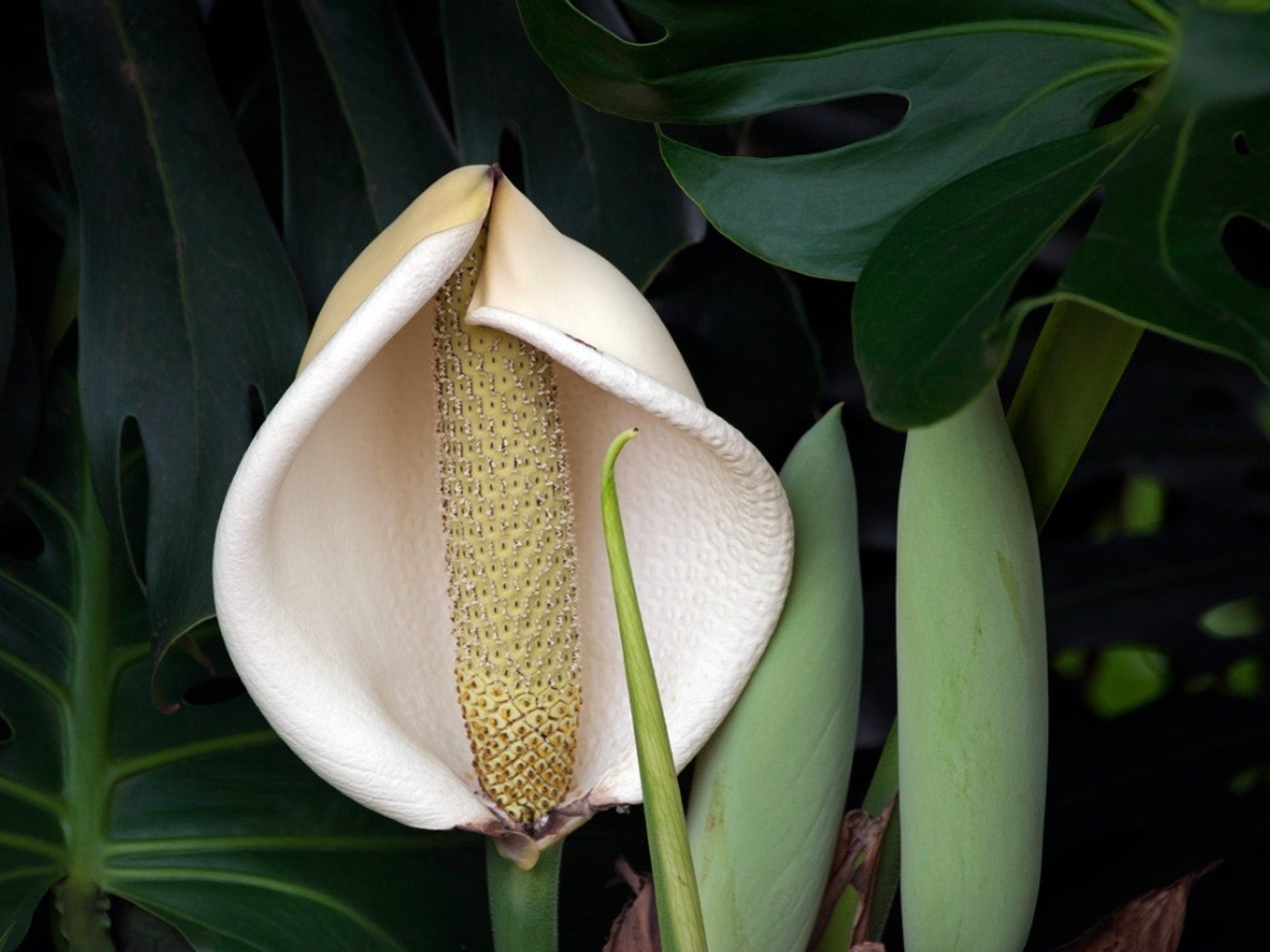
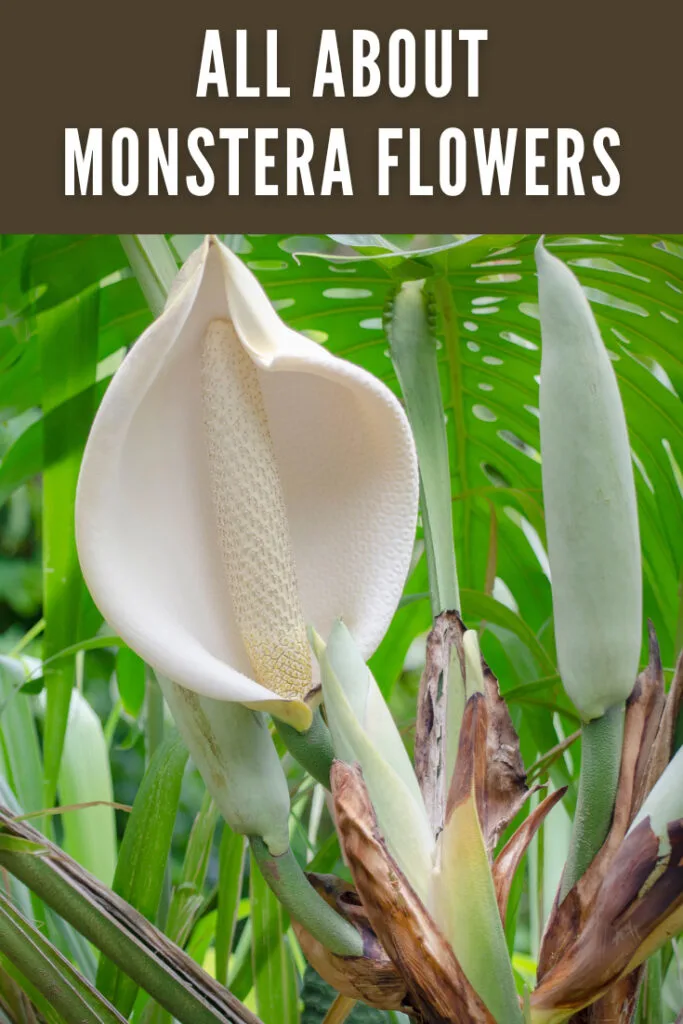
Monstera flowers are unique and beautiful. They feature a spadix and a spathe. The spadix is a fleshy spike covered in tiny flowers. The spathe is a large, leaf-like bract that surrounds the spadix.
The spathe is usually creamy-white or light green. It adds to the plant’s decorative appeal. The flowers have a subtle, pleasant fragrance. This can attract pollinators in their natural habitat.
Monstera flowers are not as showy as their leaves. But they add an interesting element to the plant’s overall look.
Growth Conditions
The Monstera plant is a popular choice for indoor gardeners. Understanding its growth conditions is key to ensuring it thrives. From the right environment to proper soil and water needs, let’s explore how to keep your Monstera healthy and happy.
Optimal Environment
Monstera plants thrive in a warm and humid environment. They prefer temperatures between 65°F and 85°F. Ensure your Monstera is away from cold drafts and sudden temperature changes.
These plants also need bright, indirect light. Direct sunlight can scorch their leaves. If natural light is limited, a grow light can help.
Maintaining humidity levels above 60% is beneficial. Use a humidifier or place a water tray nearby to increase humidity.
Soil And Water Needs
A well-draining soil mix is essential for Monstera plants. A mix of peat, perlite, and pine bark works well. This mix allows for proper aeration and prevents root rot.
Water your Monstera when the top inch of soil feels dry. Overwatering can lead to root rot. Ensure the pot has drainage holes to avoid waterlogging.
During the growing season, feed your Monstera with a balanced liquid fertilizer every month. This provides the necessary nutrients for robust growth.
Cultivation Techniques
Monstera plants are highly popular for their large, unique leaves. Cultivating Monstera requires specific techniques to ensure healthy growth. This section will guide you through the essential cultivation techniques.
Propagation Methods
Propagating Monstera can be done through several methods. The most common methods are stem cuttings and air layering.
- Stem Cuttings: Cut a stem below a leaf node. Ensure the cutting has at least one node and one leaf. Place the cutting in water or directly into soil. Keep it in a warm, humid place.
- Air Layering: Choose a healthy stem. Make a small cut and insert a toothpick to keep it open. Wrap the cut area with moist sphagnum moss and cover it with plastic wrap. Once roots develop, cut below the moss and plant it.
Pruning And Training
Pruning helps Monstera maintain its shape and encourages new growth. Use clean, sharp scissors to cut dead or yellow leaves.
Training involves guiding the plant as it grows. Use a moss pole or trellis. Gently tie the stems to the support. This helps the plant grow upward and prevents it from becoming too bushy.
| Technique | Purpose | Tools Needed |
|---|---|---|
| Stem Cuttings | Propagation | Sharp scissors, water or soil |
| Air Layering | Propagation | Toothpick, sphagnum moss, plastic wrap |
| Pruning | Growth and shape control | Clean, sharp scissors |
| Training | Support and direction | Moss pole, trellis, soft ties |
Common Pests And Diseases
The Monstera plant is popular for its large, beautiful leaves. But it can also attract pests and diseases. Knowing how to identify and control these issues is crucial for keeping your plant healthy.
Identification
It’s essential to recognize the common pests that affect Monstera plants. These include:
- Spider Mites: Tiny, red or black dots on the undersides of leaves.
- Mealybugs: White, cotton-like masses on leaves and stems.
- Scale Insects: Brown or black bumps on leaves and stems.
- Aphids: Small, green or black insects on new growth.
Diseases such as root rot and leaf spot can also impact your Monstera. Root rot often results from overwatering and causes the roots to turn black and mushy. Leaf spot appears as brown or yellow spots on the leaves.
Control Measures
To manage these pests and diseases, follow these steps:
| Problem | Solution |
|---|---|
| Spider Mites | Spray with a mixture of water and mild soap. |
| Mealybugs | Wipe leaves with a cotton swab dipped in alcohol. |
| Scale Insects | Remove manually and use insecticidal soap. |
| Aphids | Spray with neem oil or insecticidal soap. |
| Root Rot | Allow soil to dry out and repot in well-draining soil. |
| Leaf Spot | Remove affected leaves and improve air circulation. |
Regularly inspect your Monstera for signs of pests and diseases. Quick action can prevent severe damage and keep your plant thriving.
Monstera In Home Decor
Monstera plants are a top choice for home decor enthusiasts. Their large, glossy leaves add a touch of nature to any room. These plants bring a tropical vibe and can transform any space. Monstera plants are not just pretty; they are also easy to care for.
Interior Design Ideas
Place a Monstera in a bright corner to create a focal point. Their unique leaf patterns can complement modern and rustic interiors. Use a stylish pot to match your decor theme. Hanging baskets are also a great option for smaller spaces. Monstera plants look great near windows or on shelves.
Care Tips For Indoors
Monstera plants thrive in indirect sunlight. Direct sunlight can burn their leaves. Water them when the top inch of soil is dry. They prefer well-draining soil and a humid environment. Wipe the leaves regularly to keep them dust-free. This helps the plant breathe better. Fertilize monthly during the growing season for lush growth.

Frequently Asked Questions
Does Monstera Produce Flowers?
Yes, Monstera plants can produce flowers. However, it is rare for them to flower indoors. In their natural tropical habitat, they produce spathe and spadix flowers.
What Conditions Do Monstera Need To Flower?
Monstera plants need optimal conditions to flower. They require bright, indirect light, high humidity, and well-draining soil. Consistent care and the right environment can encourage flowering.
How Often Do Monstera Plants Flower?
Monstera plants rarely flower indoors. In their natural habitat, they may flower periodically. Flowering frequency depends on the plant’s environment and care.
Are Monstera Flowers Fragrant?
Monstera flowers are not known for their fragrance. They primarily attract pollinators through their appearance rather than scent.
Conclusion
Monstera plants offer unique beauty to any indoor space. They are not typically known for flowers. Instead, their striking leaves steal the show. While they can flower, it’s rare indoors. Most people appreciate them for their lush, green foliage. So, don’t worry about flowers.
Enjoy the vibrant, large leaves. Caring for a Monstera is straightforward. It thrives in indirect light. Make sure to water it moderately. Overall, Monstera plants are great additions to any home. Perfect for plant lovers seeking something special.
Leave a Reply