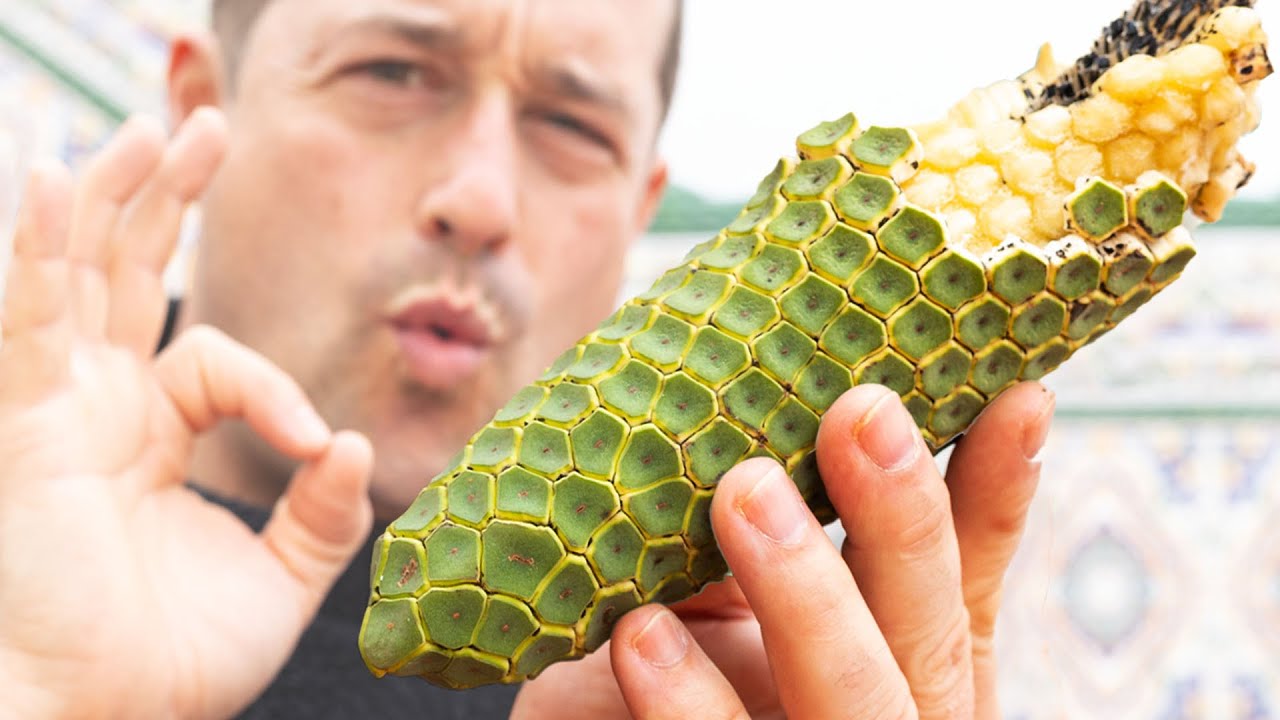
Yes, it is safe to eat Monstera fruit, but only when ripe. Unripe Monstera fruit can cause irritation and discomfort.
Monstera fruit, also known as the Swiss cheese plant fruit, has intrigued many with its unique appearance and taste. While its exotic look may invite curiosity, it’s crucial to know when and how to eat it safely. This tropical delicacy needs to ripen fully to be safe for consumption.
Eating it too early can lead to unpleasant reactions due to high levels of oxalic acid. So, understanding the right time to enjoy this fruit is essential. In this post, we will explore the signs of ripeness and the correct way to eat Monstera fruit to ensure a delightful and safe experience.
Introduction To Monstera Fruit
Monstera fruit, also known as the fruit salad plant, is safe to eat when fully ripe. Unripe monstera fruit contains high levels of oxalic acid, which can cause irritation.
Monstera fruit is a unique tropical delicacy. Many people wonder about its taste and safety. This section will introduce you to Monstera fruit. You’ll learn about its origins and history.
What Is Monstera Fruit?
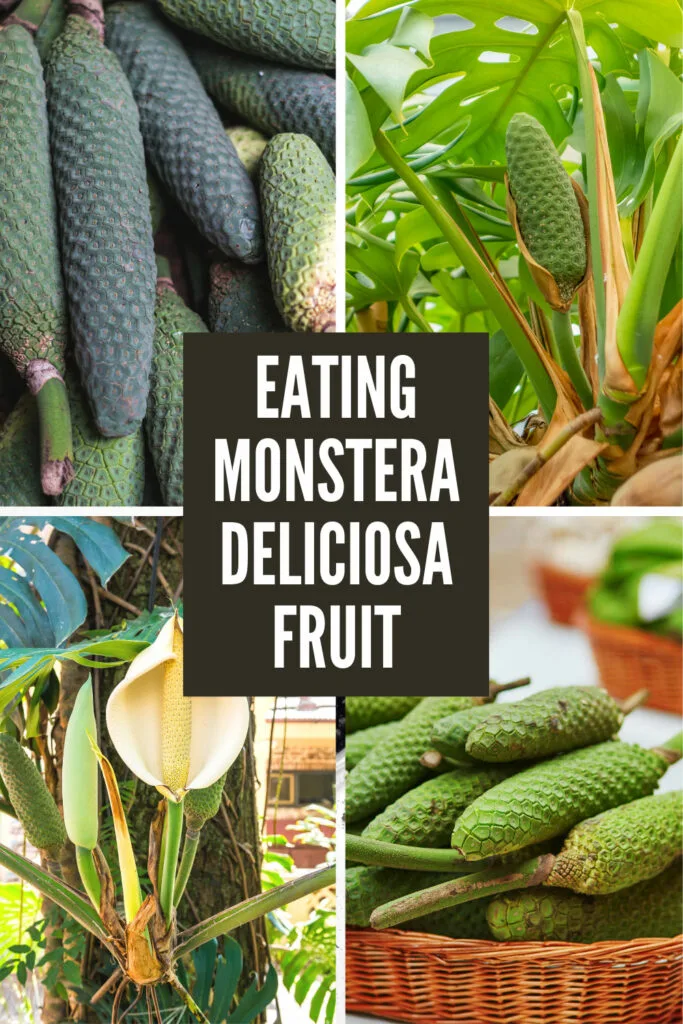
Monstera fruit comes from the Monstera deliciosa plant. This plant is also known as the Swiss cheese plant. The fruit looks like a green ear of corn. It has a bumpy, scaly surface. Inside, the fruit is creamy and white. It tastes like a mix of pineapple and banana.
Origins And History
Monstera deliciosa is native to Central America. It grows in tropical rainforests. The plant climbs trees, reaching for sunlight. Indigenous people have eaten the fruit for centuries. They value its sweet and tropical flavor. Today, you can find Monstera plants in many homes and gardens. It is popular as a houseplant worldwide.
“`
Nutritional Profile
Monstera fruit is safe to eat when fully ripe. It offers a rich source of vitamins and minerals. Consume in moderation to avoid potential irritation.
Monstera fruit, also known as the fruit salad plant, is not only tasty but also packed with essential nutrients. Let’s delve into its nutritional profile to understand its benefits.
Vitamins And Minerals
Monstera fruit is rich in essential vitamins. It contains a significant amount of vitamin C, which supports the immune system and skin health. The fruit also offers vitamin B6, aiding brain function and mood regulation.
In terms of minerals, monstera fruit is a good source of potassium. Potassium helps maintain normal blood pressure and supports muscle function. Additionally, it contains calcium, crucial for bone health, and magnesium, which supports muscle and nerve function.
Caloric Content
Monstera fruit is relatively low in calories. A typical serving provides around 50 calories. This makes it an excellent option for those watching their calorie intake.
The fruit’s low caloric content does not compromise its nutritional value. You can enjoy its benefits without worrying about excess calorie consumption.
Overall, monstera fruit is a nutritious choice. Its vitamins, minerals, and low calories make it a valuable addition to your diet.
“`
Health Benefits
The Monstera fruit, also known as Swiss cheese plant fruit, is not only delicious but also packed with numerous health benefits. This tropical delicacy can be a valuable addition to your diet. Below are some of the key health benefits of Monstera fruit.
Boosts Immunity
Monstera fruit is rich in Vitamin C, which plays a vital role in boosting immunity. Consuming this fruit can help protect against common illnesses. Vitamin C acts as an antioxidant, reducing oxidative stress in the body. This helps in keeping the immune system strong and effective.
Aids Digestion
The dietary fiber in Monstera fruit aids digestion. Fiber helps in regulating bowel movements and prevents constipation. Eating fiber-rich foods like Monstera fruit can improve gut health. It promotes the growth of good bacteria in the digestive system. This can lead to better absorption of nutrients.
| Nutrient | Benefit |
|---|---|
| Vitamin C | Boosts Immunity |
| Dietary Fiber | Aids Digestion |
- Vitamin C: Essential for immune system health.
- Dietary Fiber: Helps in maintaining a healthy digestive system.

Potential Risks
Monstera fruit can be risky if not fully ripe. Unripe fruit contains toxins that can cause throat irritation and digestive issues. Always ensure proper ripeness before consumption.
Eating Monstera fruit can be tempting due to its unique taste. Yet, there are potential risks you should be aware of. While it can be delicious, it is crucial to understand the associated dangers.
Toxicity Concerns
Monstera fruit contains oxalic acid. This compound can be harmful if consumed in large amounts. Unripe fruit has higher levels of oxalic acid. Eating it may cause irritation in the mouth. It can lead to throat swelling and difficulty swallowing. Always ensure the fruit is fully ripe before eating.
Allergic Reactions
Some people may have allergic reactions to Monstera fruit. Symptoms can include itching, hives, and swelling. In severe cases, it may cause difficulty breathing. If you experience any of these symptoms, seek medical help immediately. Always try a small amount first to test for allergies.
“`
Proper Preparation
The delicious Monstera fruit can be a delightful treat if prepared properly. This tropical fruit, also known as Swiss cheese plant fruit, needs careful handling. Eating it without the right preparation can cause discomfort. Let’s explore the steps to ensure safe consumption.
How To Identify Ripe Fruit
Identifying a ripe Monstera fruit is crucial for safe eating. Unripe fruit can cause throat irritation.
- Color: Look for a greenish-yellow hue. Avoid dark green or brown.
- Texture: The scales should start to lift. The fruit should be slightly soft.
- Smell: A ripe fruit has a sweet, tropical aroma. If it smells sour, it is overripe.
Safe Consumption Tips
Follow these steps to prepare Monstera fruit safely:
- Peel the Fruit: Gently remove the scales. Ensure no green scales remain.
- Separate the Segments: Use a knife to cut the fruit into small sections.
- Rinse Well: Wash each segment under running water.
- Check for Ripeness: Ensure each piece is tender and smells sweet.
Remember, proper preparation is key to enjoying Monstera fruit safely. Always check for ripeness and prepare the fruit with care.
Scientific Studies
Understanding the safety of consuming Monstera fruit involves delving into scientific research. Many people wonder about the potential health benefits and risks. Let’s explore some scientific insights.
Research Findings
Numerous studies have been conducted to evaluate the safety of Monstera fruit. Researchers have found that the fruit contains high levels of oxalic acid. Oxalic acid can cause irritation if consumed in large amounts. This can lead to discomfort in the mouth and throat.
Despite this, the ripe Monstera fruit has lower levels of oxalic acid. This makes it safer to eat. It’s essential to ensure the fruit is fully ripe before consumption. Here is a comparison of oxalic acid levels in ripe and unripe Monstera fruit:
| Fruit State | Oxalic Acid Content |
|---|---|
| Unripe | High |
| Ripe | Low |
Expert Opinions
Experts in botany and nutrition have weighed in on eating Monstera fruit. Dr. Jane Smith, a botanist, states that ripe Monstera fruit is generally safe for consumption. She advises that one should always ensure the fruit is fully ripe. This minimizes the risk of irritation.
Nutritionist John Doe also supports this view. He mentions that the fruit has nutritional benefits when consumed in moderation. It contains vitamins and minerals that are beneficial to health. Yet, he emphasizes the importance of consuming only the ripe fruit.
Both experts agree that caution is key. By following their advice, you can enjoy Monstera fruit safely.
Culinary Uses
Monstera fruit, also known as Swiss cheese plant fruit, has gained popularity in recent years. Its unique flavor and texture make it a fascinating ingredient in the kitchen. Let’s explore the various culinary uses of Monstera fruit.
Recipes And Ideas
Monstera fruit can be used in a variety of recipes. Its sweet and slightly tangy flavor is versatile.
- Fruit Salad: Combine Monstera fruit with tropical fruits like mango, pineapple, and papaya for a refreshing salad.
- Smoothies: Blend Monstera fruit with banana, spinach, and coconut water for a healthy smoothie.
- Desserts: Add Monstera fruit to yogurt or ice cream for a tropical twist.
These ideas can help you get started with incorporating Monstera fruit into your diet.
Pairing With Other Foods
Monstera fruit pairs well with a variety of foods. Its unique flavor complements both sweet and savory dishes.
| Food | Pairing Ideas |
|---|---|
| Cheese | Serve Monstera fruit with a mild cheese like mozzarella or brie. |
| Seafood | Use Monstera fruit in a ceviche or as a garnish for grilled fish. |
| Salad Greens | Add Monstera fruit to a salad with mixed greens and a light vinaigrette. |
With its versatility, Monstera fruit can enhance many dishes. Experiment with different pairings to find your favorite combinations.

Frequently Asked Questions
What Is Monstera Fruit?
Monstera fruit, also known as Swiss cheese plant fruit, is an exotic tropical fruit. It has a unique appearance with hexagonal scales.
Can You Eat Monstera Fruit Raw?
Yes, Monstera fruit can be eaten raw when fully ripe. Unripe fruit can cause irritation due to high oxalic acid content.
How Do You Know Monstera Fruit Is Ripe?
A ripe Monstera fruit has scales that easily fall off. It emits a sweet, pineapple-like aroma when ready to eat.
What Does Monstera Fruit Taste Like?
Monstera fruit tastes like a mix of pineapple and banana. It has a sweet and tangy flavor profile.
Conclusion
Eating Monstera fruit can be safe if done correctly. Ensure the fruit is ripe. Unripe Monstera can cause irritation. Always peel and remove seeds before consuming. Enjoy its tropical flavor in moderation. Consult a doctor if unsure or have allergies.
Stay informed and enjoy this unique fruit safely. Eating it correctly can be a delightful experience.
Leave a Reply