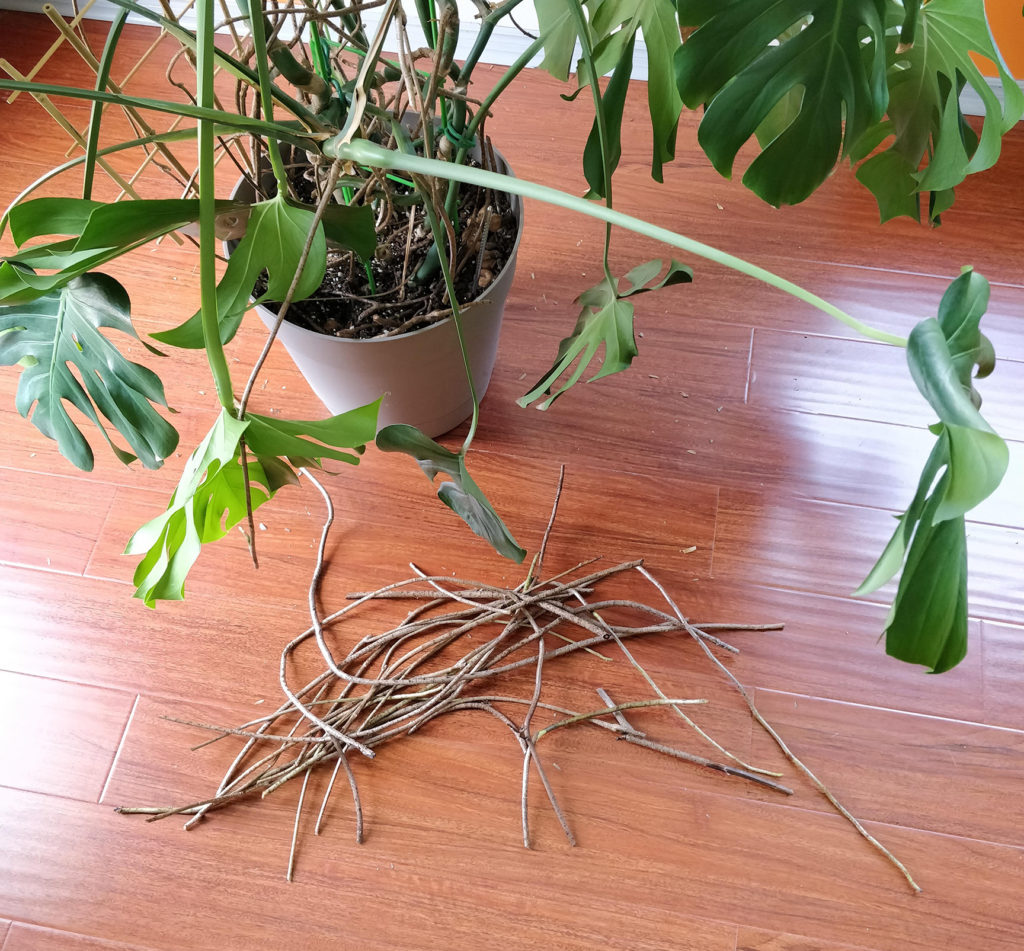
Yes, it is okay to cut Monstera roots. But, it depends on the situation.
Monstera plants are popular for their stunning, large leaves. But, as they grow, their roots can get out of control. Sometimes, the roots can become too much for the pot or space they’re in. In these cases, trimming the roots can help manage the plant’s growth.
But, it’s important to know when and how to do it correctly. Cutting the roots the wrong way can harm the plant. In this guide, we’ll discuss when it’s safe to cut Monstera roots and how to do it without damaging your plant. Understanding the right techniques will help keep your Monstera healthy and thriving.
Introduction To Monstera Plants
Cutting Monstera roots can be beneficial if done correctly. Pruning helps manage plant size and promotes new growth. Always use clean tools to avoid infection.
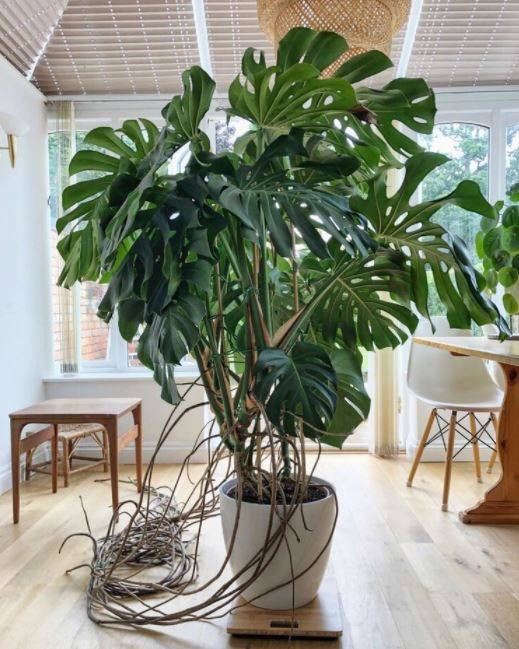
Monstera plants, often called Swiss Cheese plants, are popular houseplants. They are known for their large, unique leaves. These leaves have natural holes, giving them a distinct look. Monstera plants are native to tropical forests in Central America. They thrive in warm, humid environments. These plants are easy to care for and can grow quite large. They bring a touch of the tropics to any home. People love them for their eye-catching foliage and ease of growth. Monstera plants can grow both indoors and outdoors, making them versatile.Popular Monstera Varieties
There are many types of Monstera plants. Each has its unique features. The Monstera Deliciosa is the most common. It has large, green leaves with deep splits. The Monstera Adansonii is another favorite. It has smaller leaves with more holes. The Monstera Obliqua is rare and prized by collectors. It has very thin leaves with large holes. Another variety is the Monstera Dubia. It has heart-shaped leaves that lie flat against a surface. Each variety brings a different look and feel to your space.Basic Care Requirements
Monstera plants need bright, indirect light. Direct sunlight can burn their leaves. Water them when the top inch of soil is dry. Overwatering can cause root rot. They prefer high humidity. You can mist their leaves or use a humidifier. These plants also need support as they grow. Use a moss pole or stake to help them climb. Fertilize them once a month during the growing season. Use a balanced, water-soluble fertilizer. Prune the plant to keep it in shape and promote new growth. Monstera plants can thrive with the right care. They add beauty and greenery to any space. “`Understanding Monstera Roots
Understanding Monstera Roots is crucial for any plant lover. These roots are the lifeline of your Monstera. They help the plant absorb nutrients and water. By knowing more about Monstera roots, you can keep your plant healthy and thriving.
Types Of Monstera Roots
Monstera plants have two main types of roots: terrestrial roots and aerial roots.
- Terrestrial roots grow underground. They anchor the plant and absorb nutrients.
- Aerial roots grow above the ground. They help the plant climb and take in moisture from the air.
Each root type plays a different role. Understanding these roles can help you decide if you should cut the roots or not.
Growth Patterns
Monstera roots have unique growth patterns. They can spread wide and grow deep. This helps them find water and nutrients. Aerial roots can grow long and reach for support structures.
These growth patterns allow the Monstera to thrive in different environments. If the roots are healthy, the plant will grow well. Pay close attention to how your Monstera’s roots grow. This will help you care for your plant better.
Reasons To Cut Monstera Roots
Monstera plants are popular for their stunning, split leaves and tropical feel. But, these plants can grow quickly, and sometimes their roots need a trim. Cutting Monstera roots can benefit the plant in many ways. Let’s explore the reasons to cut Monstera roots.
Root Pruning Benefits
Root pruning can help maintain a manageable size for your Monstera. It prevents the plant from outgrowing its pot. Trimming the roots encourages healthy growth and can lead to more vibrant leaves. It also helps to remove any dead or diseased roots. This keeps the plant healthy and reduces the risk of root rot. By pruning the roots, you can also promote better nutrient absorption. The plant’s energy focuses on new, healthy root growth.
Signs It’s Time To Prune
There are clear signs that indicate it’s time to prune Monstera roots. If you see roots growing out of the drainage holes, it’s a sign. The plant may be root-bound and need more space. Yellowing leaves can also indicate root issues. If the plant appears stressed or stops growing, check the roots. Another sign is if the soil dries out too quickly. This can mean the roots have taken up all available space. Regularly check the roots to ensure your Monstera stays healthy.
Tools Needed For Root Pruning
Pruning the roots of your Monstera plant can improve its health and growth. Having the right tools makes the job easier and safer. This section will guide you on the essential gardening tools and how to sterilize them.
Essential Gardening Tools
To prune Monstera roots, you need specific tools. A pair of sharp pruning shears is a must. Ensure they are clean and rust-free. Garden gloves protect your hands from dirt and potential cuts. A small trowel helps dig around the roots if necessary. Use a bucket or container for collecting the pruned roots.
Sterilizing Your Tools
Before you start pruning, sterilize your tools to prevent infections. Use rubbing alcohol or a bleach solution. Dip the shears and trowel in the solution for a few minutes. Wipe them dry with a clean cloth. This simple step protects your Monstera from diseases.
Step-by-step Root Pruning Guide
Root pruning is an essential part of Monstera care. It keeps your plant healthy and thriving. Follow this step-by-step root pruning guide to ensure your Monstera stays in top shape.
Preparing Your Plant
First, gather your tools. You will need clean, sharp scissors or pruning shears. Wash your hands to avoid transferring bacteria to the plant. Gently remove the Monstera from its pot. Loosen the soil around the roots. Inspect the roots for any signs of damage or disease. Healthy roots are white or light tan. Diseased roots are dark, mushy, or smell bad. Trim away any damaged or diseased roots.
Cutting The Roots
Decide how much to trim. Do not remove more than one-third of the roots. Start with the longest roots. Cut them back to the same length as the others. Make clean cuts to avoid harming the plant. Avoid cutting too close to the base of the plant. Work your way around the root ball. Ensure all roots are trimmed evenly.
Post-pruning Care
Replant your Monstera in fresh soil. Choose a pot that is slightly larger than the root ball. Water the plant thoroughly. Allow excess water to drain out. Place the plant in indirect sunlight. Monitor the plant for signs of stress. Yellowing leaves may indicate overwatering. If you notice wilting, check the soil moisture. Avoid fertilizing the plant immediately after pruning. Give the plant time to recover. Continue regular care and watch your Monstera thrive.
Common Mistakes To Avoid
Monstera plants are popular for their beautiful, split leaves. To keep them healthy, sometimes you may need to cut their roots. But there are common mistakes that people make. These mistakes can harm the plant instead of helping it. Let’s look at two of these mistakes.
Over-pruning
Over-pruning is a common mistake. Cutting too many roots at once can shock the plant. It might even kill it. Always trim small portions at a time. This allows the plant to recover. Remember, less is more.
Improper Tool Use
Using the wrong tools can damage your Monstera. Always use clean, sharp shears. Dull or dirty tools can cause infections. They also make cuts less precise. This increases the risk of harm to the plant. So, invest in good quality tools for pruning.
Aftercare For Pruned Monstera
Proper aftercare ensures your pruned Monstera thrives. Post-pruning care includes watering, nutrient management, and monitoring.
Watering Tips
Water the pruned Monstera well. Use lukewarm water to avoid shock. Ensure the soil is moist but not waterlogged.
- Check soil moisture daily.
- Use a well-draining pot.
- Water when the top inch of soil feels dry.
Avoid letting the plant sit in water. This can lead to root rot.
Nutrient Management
After pruning, your Monstera needs extra nutrients. Use a balanced, water-soluble fertilizer.
| Fertilizer Type | Frequency |
|---|---|
| Balanced (10-10-10) | Every 4-6 weeks |
| Slow-release | Every 3 months |
Follow the label instructions to avoid over-fertilizing. Over-fertilizing can burn the roots.
Keep an eye on new growth. Healthy leaves are a good sign.
Tip: Pruning can stress the plant. Provide extra care during recovery.
Faqs About Monstera Root Pruning
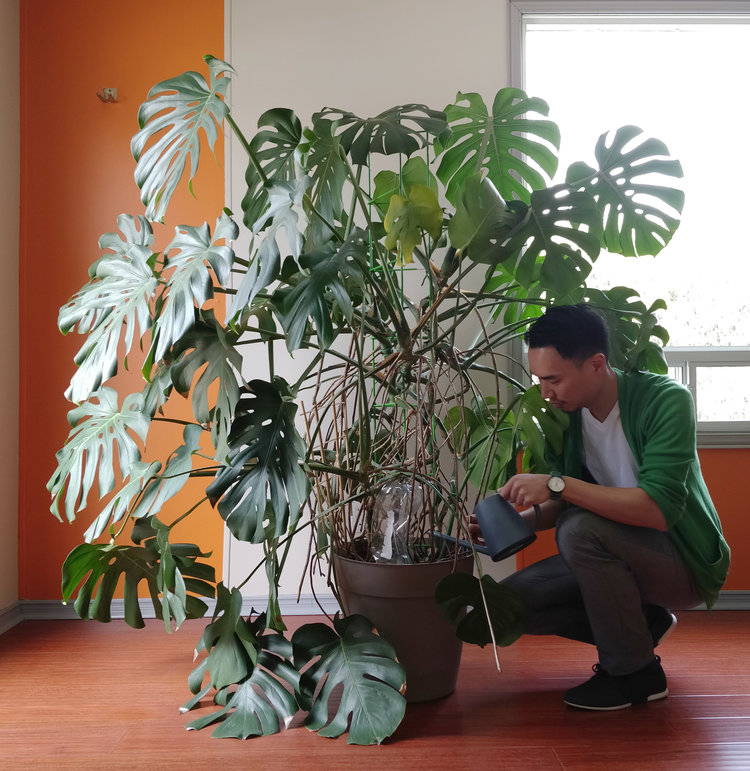
Yes, it is okay to cut Monstera roots. Pruning helps control growth and keeps the plant healthy. Trim only the outer roots to avoid harm.
Curious about pruning your Monstera roots? Many plant owners have questions. Here, we answer some common questions about Monstera root pruning.How Often To Prune
Prune Monstera roots once a year. This helps manage root growth. It also prevents the plant from becoming root-bound. Regular pruning keeps your Monstera healthy and thriving.Best Time Of Year To Prune
The best time to prune Monstera roots is in spring. During this time, the plant is in its growing phase. It can recover quickly from pruning. Avoid pruning in winter. The plant is dormant and might struggle to recover. “`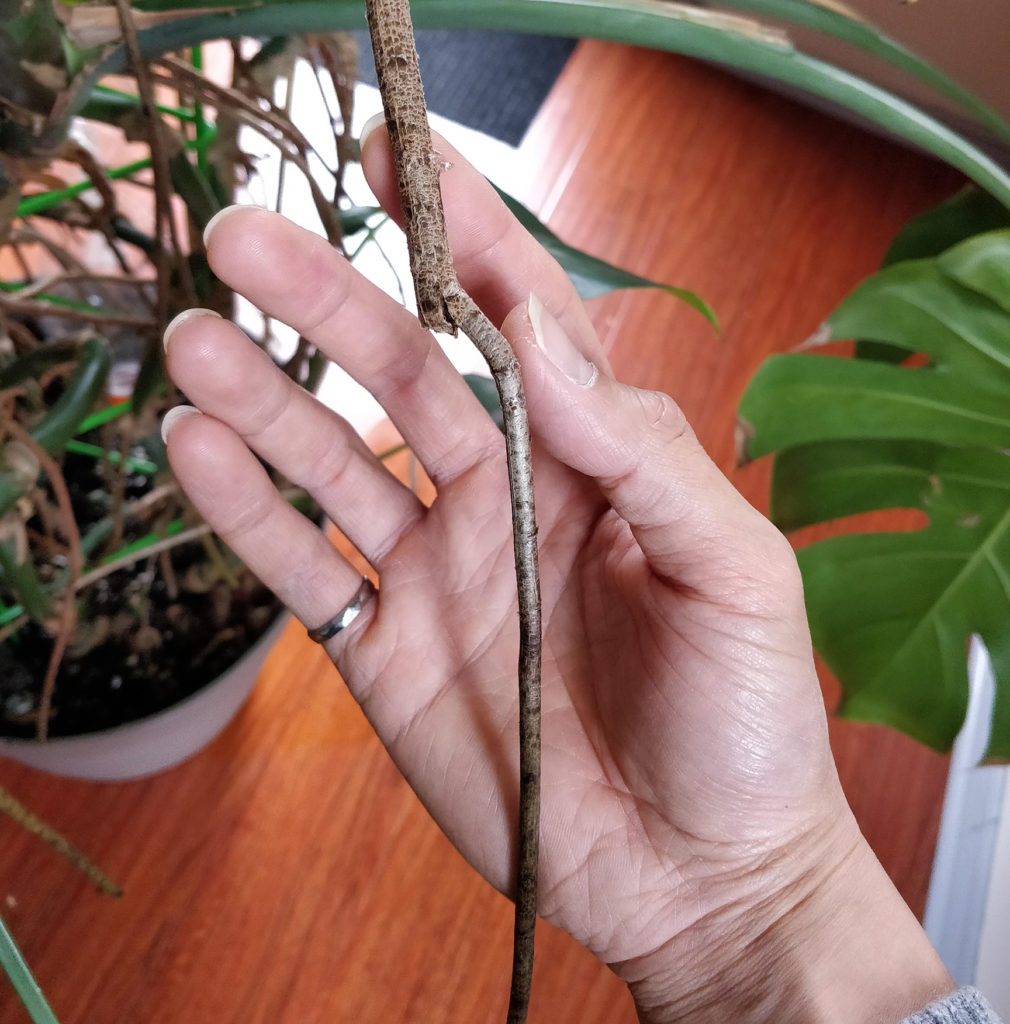
Frequently Asked Questions
Can You Trim Monstera Roots?
Yes, you can trim Monstera roots. It’s safe and beneficial for plant health. Be sure to use sterilized tools.
When Should I Cut Monstera Roots?
Cut Monstera roots when they outgrow their pot or look unhealthy. Spring is the best time for trimming.
How Do I Cut Monstera Roots?
To cut Monstera roots, use sterilized scissors. Trim only the overgrown or unhealthy roots. Avoid cutting too much.
Will Cutting Roots Harm Monstera?
Cutting roots won’t harm Monstera if done correctly. Trim only the necessary roots and avoid excessive cutting.
Conclusion
Pruning Monstera roots can help maintain plant health. Cut roots sparingly. Always use clean, sharp tools to avoid damage. Ensure proper aftercare to promote recovery. Regularly monitor your plant for any signs of distress. Happy, healthy Monsteras thrive with care and attention.
Remember, less is more when pruning. Keep your plant’s environment optimal for best growth. Enjoy your beautiful, well-maintained Monstera!
Leave a Reply