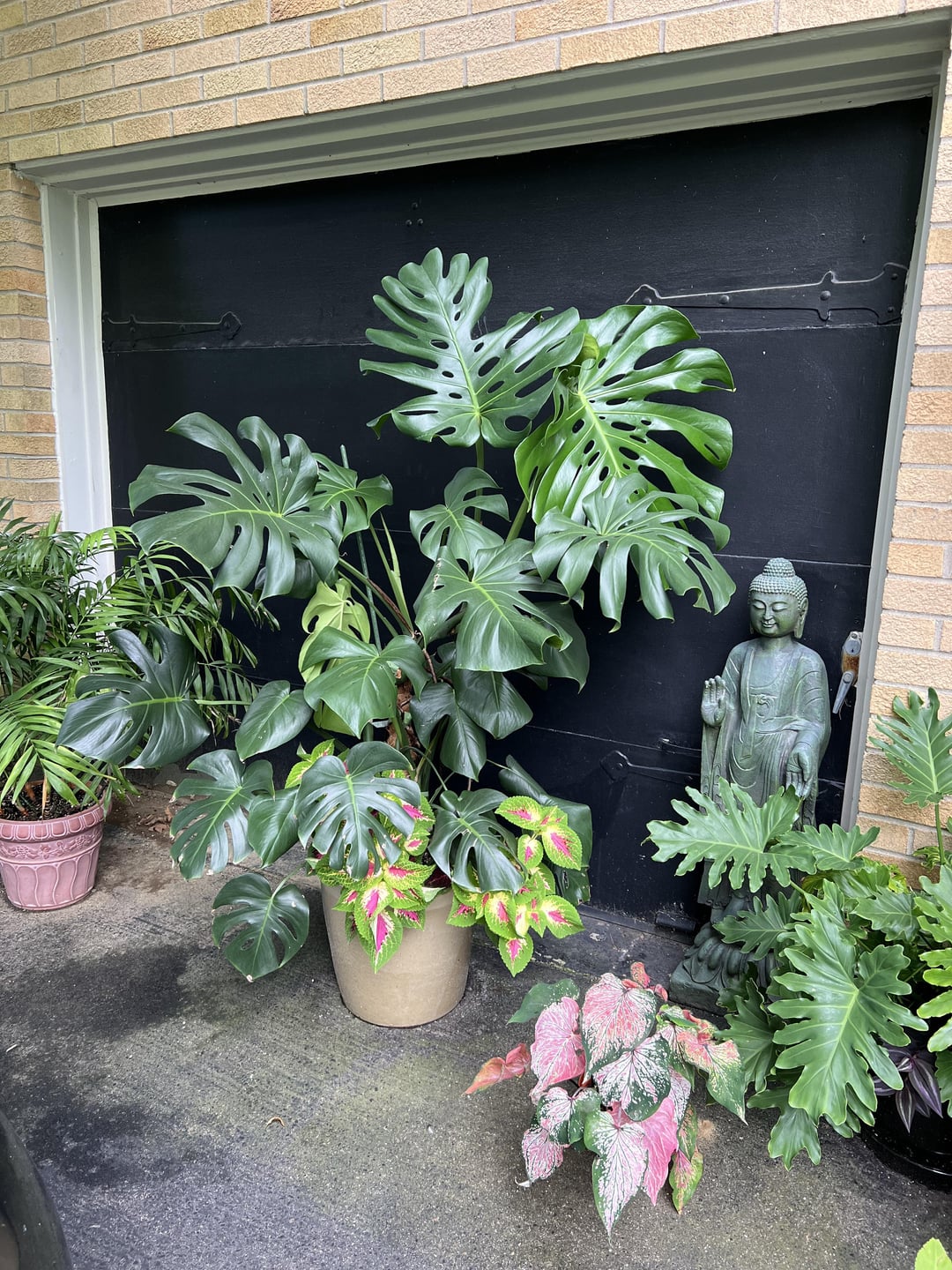
Yes, you can put a Monstera outside. But, is it always a good idea?
Monstera plants are popular for their large, unique leaves and easy care. These tropical plants thrive indoors, but many people wonder if they can also grow well outside. Understanding the needs of your Monstera is key to making this decision.
Weather, light, and other factors play a big role. In this blog, we will explore whether it’s suitable to place your Monstera outside. This guide will help you ensure your plant stays healthy and beautiful. Let’s dive into the details and find out the best conditions for your Monstera.

Benefits Of Putting Monstera Outside
Many plant enthusiasts wonder about the benefits of putting their Monstera outside. Moving your Monstera to an outdoor space can bring many advantages. These benefits range from improved growth to enhanced aesthetics, making it a rewarding decision for any plant lover.
Improved Growth
Monstera plants thrive in natural sunlight. Being outside gives them more exposure to the sun. This helps their leaves to grow larger and healthier. Fresh air also benefits Monstera plants. It can reduce the risk of pests and diseases. Outdoor conditions can mimic their natural tropical habitat. This can result in faster and more robust growth.
Enhanced Aesthetics
A Monstera can transform any outdoor space. Its large, unique leaves add a touch of the tropics. This can make your garden or patio look more lush and inviting. The vibrant green of a healthy Monstera is visually striking. It can be a focal point in your outdoor decor. Monstera plants also create a sense of tranquility. They can make your outdoor area feel like a relaxing retreat.
Ideal Climate For Monstera
The Monstera plant, often known as the Swiss Cheese Plant, thrives in certain conditions. Understanding the ideal climate is key to its growth. This section covers the temperature and humidity levels that Monstera needs to flourish outdoors.
Temperature Requirements
Monstera plants prefer warm environments. The ideal temperature range is between 65°F and 85°F (18°C to 29°C). They do not tolerate frost. If the temperature drops below 50°F (10°C), the plant may suffer. During colder months, it is best to bring the plant indoors. Always monitor nighttime temperatures, as they can be cooler.
Humidity Levels
Monstera plants thrive in high humidity. They do best in environments with 60% to 80% humidity. If you live in a dry area, consider misting the plant regularly. Placing a humidity tray with water and pebbles underneath the plant can also help. Using a humidifier near the plant is another effective method.
| Climate Factor | Ideal Range |
|---|---|
| Temperature | 65°F to 85°F (18°C to 29°C) |
| Humidity | 60% to 80% |
By maintaining the right temperature and humidity, your Monstera will thrive outdoors.
Choosing The Right Location
Deciding to place your Monstera outside requires careful consideration. The location plays a crucial role. Your plant’s health and growth depend on it. Choosing the right spot ensures your Monstera thrives and stays vibrant.
Sunlight Exposure
Monstera plants need bright but indirect sunlight. Direct sunlight can scorch their leaves. Find a spot with filtered light or partial shade. A location under a tree or a shaded patio works well. Ensure the Monstera gets enough light without direct exposure.
Wind Protection
Monstera plants are sensitive to strong winds. Wind can damage their large leaves. Choose a location with wind protection. Walls, fences, or other plants can act as windbreaks. This helps keep your Monstera safe and healthy.
Preparing Monstera For Outdoor Transition
Transitioning your Monstera plant from indoors to outdoors requires careful planning. Ensuring a smooth move helps the plant thrive in its new environment. Below are key steps to get your Monstera ready for its outdoor adventure.
Gradual Acclimatization
Begin with gradual acclimatization. Place your Monstera in a shaded outdoor area for a few hours each day. Increase the time spent outside over one to two weeks. This helps the plant adjust to new light levels and temperatures.
Follow this step-by-step process:
- Day 1-3: 2 hours in the morning shade.
- Day 4-7: 4 hours in the morning shade.
- Day 8-10: 6 hours in the morning shade.
- Day 11-14: 8 hours in filtered sunlight.
This gradual exposure prevents shock and sunburn.
Soil Preparation
Proper soil preparation is crucial for outdoor success. Monstera prefers well-draining soil. Mix equal parts of peat moss, perlite, and garden soil.
Consider the following soil mix ingredients:
- Peat moss: Retains moisture but drains well.
- Perlite: Improves aeration and drainage.
- Garden soil: Provides necessary nutrients.
Create a balanced mix for healthy growth. Ensure the planting site has good drainage. Avoid areas prone to waterlogging. Standing water can lead to root rot.
Check the soil pH. Monstera thrives in slightly acidic to neutral pH (5.5 to 7.0). Use a pH meter to test. Amend the soil if necessary.
| Soil Component | Purpose |
|---|---|
| Peat Moss | Retains moisture, drains well |
| Perlite | Improves aeration, drainage |
| Garden Soil | Provides nutrients |
Following these steps will prepare your Monstera for a healthy transition to outdoor living.
Watering Practices
When placing your Monstera outside, proper watering practices are crucial. The plant’s health depends on how well you manage its water needs. Let’s dive into some key aspects of watering your outdoor Monstera.
Frequency Of Watering
Outdoor conditions can vary, so the frequency of watering your Monstera might change. Check the soil’s moisture level regularly. In warmer months, water the Monstera once a week. During cooler times, reduce watering to once every two weeks.
| Season | Watering Frequency |
|---|---|
| Summer | Once a week |
| Winter | Once every two weeks |
Drainage Considerations
Proper drainage is vital for your Monstera. Ensure the pot has drainage holes. This prevents water from accumulating at the bottom. Excess water can lead to root rot. Use a well-draining soil mix. Adding perlite to the soil can improve drainage.
Elevate the pot on a stand or use pot feet. This helps water escape through the drainage holes. Check the saucer under the pot. Empty it regularly to avoid water standing.
- Check soil moisture frequently.
- Ensure proper drainage.
- Adjust watering frequency with weather.
- Use well-draining soil mix.

Protecting Monstera From Pests
Putting your Monstera outside can expose it to various pests. These pests can damage leaves and stunt growth. Understanding common outdoor pests and taking preventative measures is crucial for keeping your Monstera healthy.
Common Outdoor Pests
When you move your Monstera outside, it may encounter several common pests. Some of these pests include:
- Aphids: Small insects that suck sap from leaves.
- Spider Mites: Tiny pests that create webbing on leaves.
- Mealybugs: White, cotton-like pests that hide in leaf joints.
- Scale Insects: Hard-shelled insects that attach to stems and leaves.
Preventative Measures
To protect your Monstera from pests, consider these preventative measures:
- Inspect Regularly: Check leaves and stems for signs of pests weekly.
- Keep Clean: Remove fallen leaves and debris around your plant.
- Use Neem Oil: Spray neem oil on leaves to deter pests.
- Promote Air Circulation: Ensure good airflow around your Monstera.
- Introduce Beneficial Insects: Ladybugs and predatory mites can help control pests.
Taking these steps can help keep your Monstera free from pests and thriving outside.
Seasonal Care Tips
Monstera plants, also known as Swiss Cheese plants, can thrive outdoors. But they need specific care during different seasons. Here are essential tips for summer and winter care.
Summer Care
During summer, Monstera plants love warm temperatures and bright, indirect light. Place them in a shaded spot to avoid direct sunlight. Direct sun can burn their leaves. Water your Monstera more frequently in summer. The soil should remain moist but not soggy.
Consider misting the leaves to increase humidity. This helps to mimic their natural tropical environment. You may also want to use a slow-release fertilizer. This gives the plant the nutrients it needs to grow strong.
Winter Precautions
Winter brings challenges for outdoor Monsteras. They cannot tolerate frost. Before the first frost, bring your Monstera indoors. Place it in a spot with bright, indirect light. Reduce watering during winter. The plant’s growth slows down, and it needs less water.
Check for drafts and keep the plant away from cold windows. Keep the humidity levels up by misting the leaves or using a humidifier. This helps to prevent the leaves from drying out. Regularly check for pests, as indoor environments can attract them.
Signs Of Distress To Watch For
Monstera plants are popular for their striking leaves and easy care. While they thrive indoors, some plant parents might wonder if it’s okay to put them outside. Moving Monstera outdoors can be beneficial, but it comes with risks. Observing signs of distress is crucial to ensure your plant remains healthy.
Yellowing Leaves
Yellowing leaves are a common sign of distress in Monstera plants. This can be due to overwatering or poor drainage. Check the soil moisture level to ensure it is not too wet. Too much direct sunlight can also cause leaves to turn yellow. Monstera prefers indirect light, so find a spot with filtered sunlight.
Yellow leaves can also indicate nutrient deficiency. Consider using a balanced fertilizer to provide essential nutrients. Removing affected leaves can help direct the plant’s energy to healthy growth. Regularly inspect your Monstera to catch yellowing leaves early.
Stunted Growth
Stunted growth is another sign that your Monstera might be in distress. This could be due to inadequate light or poor soil quality. Ensure your plant receives bright, indirect light for optimal growth. If your Monstera is in a pot, check for root-bound conditions. Roots that are too crowded can hinder growth.
Insufficient nutrients in the soil can also cause stunted growth. Repot your Monstera with fresh, well-draining soil to encourage healthy development. Monitor the plant’s growth and make adjustments as needed. Stunted growth can often be corrected with proper care.
Frequently Asked Questions
Can Monstera Plants Be Placed Outside?
Yes, Monstera plants can be placed outside in warm, shaded areas. They thrive in temperatures between 60-80°F. Avoid direct sunlight.
What Conditions Do Monsteras Need Outdoors?
Monsteras need indirect light, high humidity, and well-draining soil. Protect them from strong winds and temperature extremes.
Is It Safe To Leave Monstera Outside Overnight?
Yes, if temperatures stay above 50°F. Bring them inside if it gets colder to prevent damage.
How Do I Protect My Outdoor Monstera?
Use shade cloth or place under trees. Water regularly and check for pests to keep your Monstera healthy.
Conclusion
Monstera plants can thrive outdoors with proper care and attention. Ensure they get indirect sunlight and avoid harsh weather conditions. Water them regularly but avoid overwatering. Monitor for pests and diseases. Outdoor Monsteras can grow beautifully and add charm to your garden.
Proper placement and care will help them flourish. Enjoy the beauty and lush foliage of your outdoor Monstera. Keep an eye on their needs and they will reward you with vibrant growth. Happy gardening!
Leave a Reply