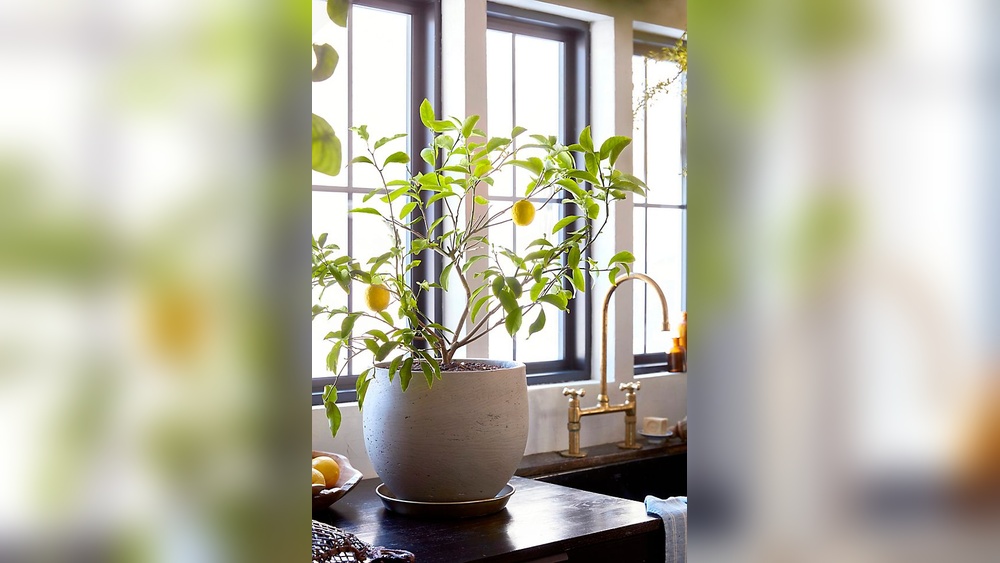
Imagine adding a splash of fresh green and a burst of citrusy charm right inside your home. An indoor lemon plant can do just that, bringing life and a subtle fragrance to your space.
If you’ve ever wanted to brighten your rooms with something natural, vibrant, and useful, this is exactly what you need. You’ll discover how an indoor lemon plant can transform your decor, improve your mood, and even purify your air. Ready to see how this simple addition can make a big difference?
Keep reading to find out!

Credit: www.amazon.com
Choosing The Right Lemon Plant
Choosing the right lemon plant for indoor decor makes a big difference. The right plant fits your space and care routine. It also brings fresh citrus vibes into your home. Picking the best lemon variety helps ensure your plant stays healthy and looks great. Consider size, growth habits, and health when selecting your lemon plant.
Popular Indoor Lemon Varieties
Meyer lemon is a top choice for indoor growing. It has sweet, thin-skinned fruit and small trees. Lisbon lemon is another popular variety. It grows upright and produces bright yellow lemons. Ponderosa lemon trees have large fruit and thick leaves. They can grow well indoors with enough light. Each variety suits different tastes and spaces.
Size And Growth Considerations
Consider how much space you have for your lemon plant. Some lemon trees grow compact and stay small. Others can grow tall and need more room. Indoor lemon plants usually reach 3 to 6 feet. Choose a size that fits your room and pot. Also, think about how fast the plant will grow. Smaller plants are easier to move and care for.
Selecting Healthy Plants
Pick lemon plants with bright green leaves and no spots. Avoid plants with yellowing or wilting leaves. Check for pests like small bugs or webs. Healthy stems should be firm, not soft or dry. Look for new growth, which shows the plant is thriving. A strong, healthy plant will adapt better indoors.
Ideal Placement For Lemon Plants
Finding the right spot for your indoor lemon plant helps it grow strong and healthy. Placement affects its light, temperature, and air moisture. These factors support leaf growth, fruit production, and overall plant health. Choose a location that meets all these needs for best results.
Lighting Requirements
Lemon plants need bright, direct sunlight to thrive. Place them near a south or west-facing window. They require at least 6 hours of sunlight daily. If natural light is low, use grow lights for extra brightness. Avoid dark corners or shaded areas. Too little light causes slow growth and fewer lemons.
Temperature And Humidity
Keep lemon plants in temperatures between 65°F and 75°F (18°C to 24°C). Avoid cold drafts and sudden temperature changes. These can stress the plant and cause leaf drop. Lemon plants prefer moderate humidity. Use a humidifier or place a water tray nearby in dry rooms. This prevents dry leaves and helps the plant stay healthy.
Avoiding Common Placement Mistakes
Do not place lemon plants too close to heaters or air conditioners. Extreme heat or cold damages leaves. Avoid spots with poor air circulation to prevent mold and pests. Do not overcrowd plants; they need space to breathe. Keep lemon plants away from busy walkways to avoid accidental damage.
Potting And Soil Tips
Potting and soil play a big role in growing healthy indoor lemon plants. The right soil gives roots the air and nutrients they need. Proper potting helps the plant grow strong and stay steady. Choosing the best soil and container can improve your lemon plant’s life.
Best Soil Types For Citrus
Citrus plants need soil that drains well but holds some moisture. A sandy loam or potting mix made for citrus works best. Avoid heavy clay soil because it traps water and causes root rot. Mix some perlite or small bark pieces to improve drainage. The soil should feel light and crumbly, not wet or hard.
Choosing The Right Container
Pick a container slightly bigger than the lemon plant’s root ball. A pot about 12 to 16 inches wide suits most indoor lemon trees. Choose pots made of terracotta, plastic, or ceramic. Terracotta pots let air pass through better but dry out faster. Make sure the container matches your room’s style and has enough space for growth.
Drainage And Repotting
Good drainage is key to avoid water buildup. Pots need holes at the bottom to let water escape. Place a layer of small stones or broken pottery at the bottom for extra drainage. Repot your lemon plant every 2 to 3 years to refresh the soil. Repotting helps roots grow and prevents the plant from getting root-bound.

Credit: www.amazon.com
Watering And Feeding
Watering and feeding are key to keeping an indoor lemon plant healthy. These plants need the right balance of water and nutrients to thrive. Too much or too little can harm growth and fruit production.
Proper care helps your lemon plant stay green and strong. It also supports bright, fresh lemons right at home. Learn how to water and feed your lemon plant for the best results.
Watering Frequency And Techniques
Water the lemon plant once or twice a week. Check the soil before watering. The top inch should feel dry. Use room temperature water. Water slowly until it drains from the pot’s bottom. Avoid letting the pot sit in water. This keeps roots healthy and prevents rot.
Fertilizers For Healthy Growth
Feed the lemon plant with a balanced fertilizer. Use one with equal nitrogen, phosphorus, and potassium. Apply fertilizer every four to six weeks. During spring and summer, plants need more food. Reduce feeding in fall and winter. Follow package instructions for amounts. Too much fertilizer can harm the plant.
Signs Of Over Or Under Watering
Yellow leaves often mean too much water. Drooping leaves may show underwatering. Brown leaf tips can signal dry soil or fertilizer burn. Soft, mushy roots suggest root rot. Check soil moisture regularly. Adjust watering based on the plant’s needs. Healthy leaves look bright green and firm.
Pruning And Maintenance
Pruning and maintenance are key for a healthy indoor lemon plant. Regular care helps the plant grow strong and look vibrant. Proper pruning shapes the plant and encourages new growth. Maintenance keeps pests and diseases away. Follow simple steps to keep your lemon plant thriving indoors.
Encouraging Bushier Growth
Trim the tips of the lemon plant’s branches. This action signals the plant to grow more side shoots. Cut just above a leaf node for best results. Prune in early spring or during active growth periods. Avoid cutting too much at once. This keeps the plant full and lush.
Removing Dead Or Damaged Branches
Look for branches that are brown, dry, or broken. Cut these away to improve the plant’s health. Use clean, sharp scissors or pruning shears. Removing dead parts prevents disease spread. Check your plant regularly for any unhealthy branches.
Pest And Disease Control
Inspect leaves and stems for pests like aphids or spider mites. Wipe leaves with a damp cloth or spray with mild soap water. Use natural remedies to avoid harmful chemicals indoors. Keep the plant area clean and well-ventilated. Early detection helps keep your lemon plant strong.
Decorating With Lemon Plants
Lemon plants brighten indoor spaces with their fresh green leaves and vibrant fruit. They bring a natural, lively touch to home decor. These plants are easy to care for and fit well in many rooms.
Using lemon plants in your decor adds a splash of color and a fresh scent. Their small size makes them perfect for tabletops, shelves, or window sills. You can style them in many creative ways to suit your space.
Combining With Other Indoor Plants
Place lemon plants alongside ferns or succulents for a varied look. Mix plants with different leaf shapes and sizes for more interest. Grouping plants creates a mini indoor garden that feels alive and fresh.
Use plants with soft leaves near lemon plants to highlight their bright fruit. Dark green plants make lemon leaves stand out more clearly. This mix of textures and colors lifts any room’s mood.
Creative Pot And Stand Ideas
Choose pots in bright colors to match the lemon fruit. Terracotta pots give a natural, earthy feel that fits many styles. Use modern geometric pots for a clean, simple look.
Elevate pots on wooden or metal stands to add height and focus. Stands help lemon plants catch more light and keep them easy to reach. Try different pot shapes to find what fits your space best.
Seasonal Decor Enhancements
Decorate lemon plants with small lights during winter for a cozy feel. Add ribbons or natural twine around pots for a festive touch. Place citrus-scented candles nearby to complement the plant’s aroma.
In spring, add fresh flowers in nearby vases to celebrate new growth. Summer calls for bright, sunny spots to show off lemon plants’ vibrant look. Change decorations with the seasons to keep your space lively.
Harvesting And Using Lemons
Growing an indoor lemon plant brings fresh fruit right to your home. Knowing how to harvest and use lemons makes your effort worthwhile. Proper harvesting keeps the plant healthy and fruits tasty. Using fresh lemons adds bright flavors to meals and drinks.
Knowing When Lemons Are Ready
Lemons change color when ripe. They turn bright yellow and feel firm but slightly soft. The fruit should be full-sized and heavy for its size. Avoid picking lemons that are green or hard. Ripe lemons have a strong citrus smell. Taste one to check if unsure.
Safe Indoor Harvesting Tips
Use clean scissors or pruners to cut lemons. Cut the stem about half an inch from the fruit. Avoid pulling or twisting to prevent plant damage. Wash hands before and after harvesting. Handle fruits gently to avoid bruising. Place harvested lemons in a bowl with soft lining.
Using Fresh Lemons At Home
Fresh lemons brighten drinks like water and tea. Use lemon juice to add zest to salads and marinades. Lemon zest adds flavor to baked goods and sauces. Fresh lemons can clean kitchen surfaces naturally. Store unused lemons in the fridge for longer freshness.

Credit: www.ebay.com
Frequently Asked Questions
How Do I Care For An Indoor Lemon Plant?
Indoor lemon plants need bright, indirect sunlight and consistent watering. Keep soil moist but not soggy. Use well-draining soil and maintain humidity. Fertilize monthly during growing seasons for healthy growth and fruit production.
What Is The Best Soil For Indoor Lemon Plants?
Use well-draining, slightly acidic soil with a pH between 5. 5 and 6. 5. A mix of potting soil, sand, and organic compost works well. Good drainage prevents root rot and promotes healthy growth for indoor lemon plants.
How Often Should I Water My Indoor Lemon Plant?
Water your indoor lemon plant when the top 1-2 inches of soil feels dry. Typically, this means watering once a week. Avoid overwatering to prevent root rot. Adjust frequency based on humidity and temperature conditions.
Can Indoor Lemon Plants Produce Fruit?
Yes, indoor lemon plants can produce fruit if they get enough light and proper care. Ensure 8-12 hours of sunlight daily and maintain adequate humidity. Pollinate flowers manually for better fruit set indoors.
Conclusion
Indoor lemon plants add fresh green charm to any room. They bring a bright, natural touch that lifts your space. Caring for them is simple and rewarding. Their scent and fruit brighten your home and mood. Place them near sunlight and water regularly.
Watch them grow and enjoy their beauty daily. A small plant can make a big difference. Try adding an indoor lemon plant for a lively, cozy feel. A little green goes a long way in home decor.
Leave a Reply