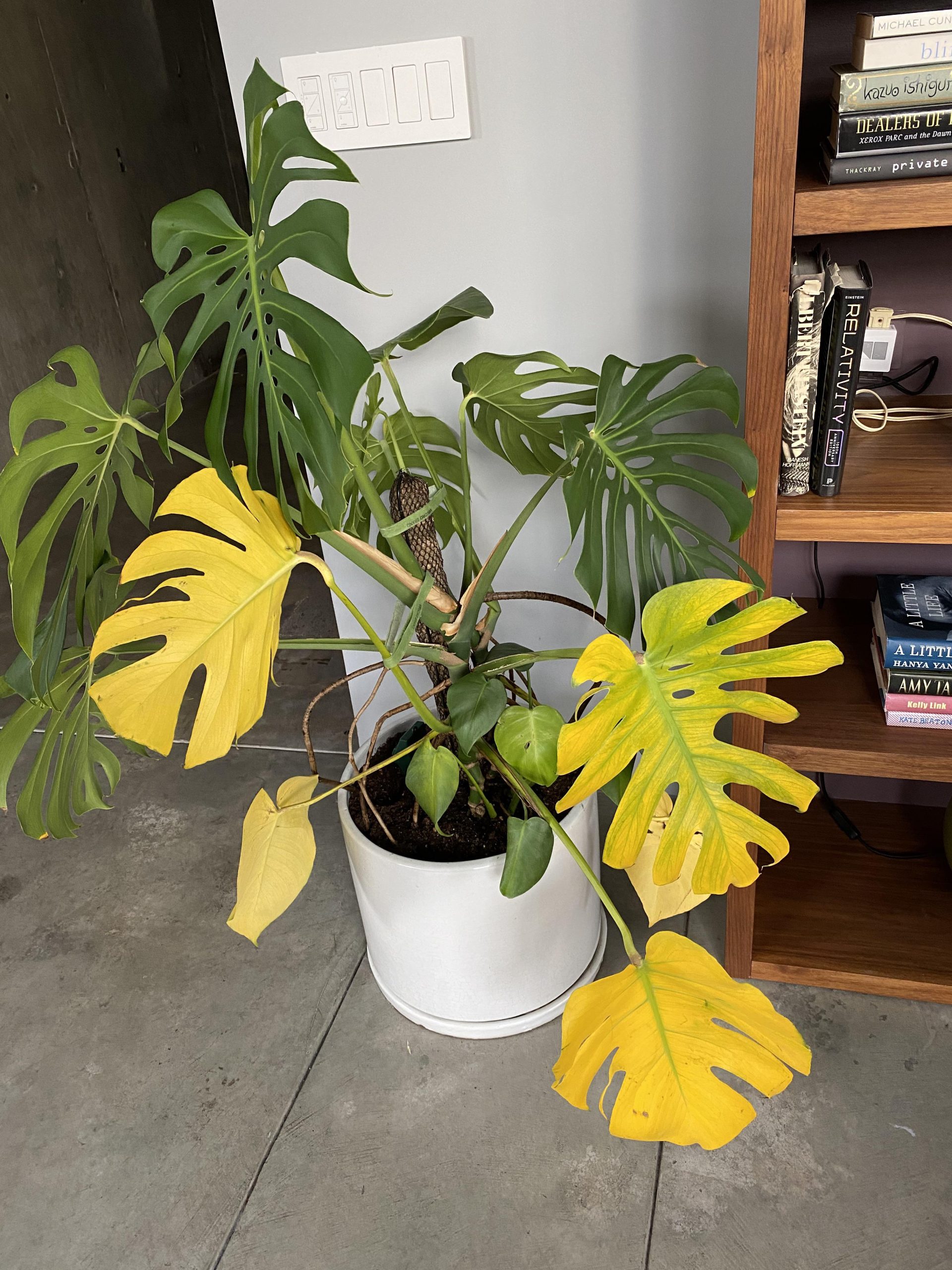
Yellowing leaves on your Monstera can be frustrating. The good news?
You can fix it. Monstera plants, known for their beautiful, large leaves, can show signs of distress through yellowing. This common issue often signals a problem that needs addressing. Understanding the causes is key to restoring your plant’s health. Factors like watering habits, light exposure, and soil quality all play a role.
This guide will help you identify and correct the root causes of yellowing leaves. With a few simple steps, your Monstera can thrive again. Let’s explore how you can keep those leaves green and vibrant.
:max_bytes(150000):strip_icc()/Why-Are-My-Monstera-Leaves-Turning-Yellow-b2cd94a10c184ae6a214790c893344f7.jpg)
Identifying Yellow Leaves
Identifying yellow leaves on your Monstera plant is crucial. Catching the problem early can save your plant. Yellow leaves are not just unsightly. They indicate underlying issues. Knowing what to look for helps in taking swift action.
Common Symptoms
Yellowing often starts at the tips. It moves inward toward the stem. The leaves may also become limp. Brown spots may appear alongside yellowing. Another sign is leaf curl. The edges of the leaves might curl inward or outward.
Early Detection
Check your plant weekly. Look for any color changes. Feel the texture of the leaves. Healthy leaves are firm. Yellowing leaves feel soft or mushy. Examine the stem and soil. Ensure the plant is not waterlogged. Poor drainage can cause yellowing. Proper lighting is also crucial. Monstera plants need indirect, bright light.
Watering Practices
Maintaining the right watering practices is crucial to keep your Monstera leaves green and healthy. Improper watering often leads to yellowing leaves, a common issue for plant owners. Below, we delve into the best watering practices to ensure your Monstera thrives.
Proper Watering Schedule
Establishing a consistent watering schedule is key. Water your Monstera once a week. Adjust based on the season. In winter, water less frequently.
Follow these steps:
- Check the top 2 inches of soil. If dry, it’s time to water.
- Use room temperature water. Cold water can shock the roots.
- Water thoroughly, allowing excess to drain out.
Avoiding Overwatering
Overwatering is the most common cause of yellowing leaves. It leads to root rot, a serious issue.
To avoid overwatering:
- Ensure the pot has drainage holes.
- Use well-draining soil. Mix in perlite or sand.
- Allow the soil to dry out between waterings.
If you notice yellow leaves, reduce watering immediately. Check for signs of root rot. Remove affected parts.
By following these watering practices, you can prevent yellowing and keep your Monstera healthy.
Soil And Drainage
Proper soil and drainage are critical to prevent Monstera leaves from yellowing. The right soil mix and drainage system can help keep your Monstera plant healthy. Let’s dive into how you can achieve this.
Choosing The Right Soil
Monstera plants thrive in well-aerated and fast-draining soil. The soil should hold some moisture but should not be too dense. A good soil mix includes:
- Peat moss
- Perlite
- Bark
You can buy a potting mix designed for aroids or make your own. Mix equal parts of peat moss, perlite, and bark. This ensures the soil is light and airy.
Importance Of Drainage
Proper drainage is vital to prevent root rot, which leads to yellow leaves. Ensure your pot has drainage holes to let excess water escape.
Place a layer of gravel or small stones at the bottom of the pot. This helps improve drainage. Water your Monstera until you see water flow out from the bottom.
Avoid letting the pot sit in water. Waterlogged soil can suffocate the roots and cause the leaves to turn yellow.
| Soil Component | Role |
|---|---|
| Peat Moss | Helps retain moisture |
| Perlite | Aerates the soil |
| Bark | Improves drainage |

Light Requirements
Monstera leaves need bright, indirect light to stay healthy. Too much direct sunlight can cause yellowing. Ensure your plant gets enough filtered light daily.
Ensuring your Monstera plant receives proper light is crucial. Yellowing leaves often indicate a problem with light. Let’s explore the ideal light conditions and how to avoid direct sunlight.Optimal Light Conditions
Monstera plants thrive in bright, indirect light. Place them near a window with filtered light. East-facing windows are ideal. They provide gentle morning sunlight. If natural light is scarce, use a grow light. Ensure the light mimics natural sunlight.Avoiding Direct Sunlight
Direct sunlight can scorch Monstera leaves. This leads to yellowing and brown spots. Use sheer curtains to diffuse sunlight. Alternatively, place the plant a few feet away from the window. Ensure the leaves do not touch hot glass. Rotate the plant regularly. This ensures all sides get equal light exposure.Nutrient Management
Yellowing leaves on your Monstera plant can be a sign of poor nutrient management. Proper nutrient management ensures your plant gets the right balance of nutrients. This keeps your Monstera healthy and vibrant. Here are some key points to consider for nutrient management.
Balanced Fertilization
Fertilization plays a crucial role in maintaining the health of your Monstera. Use a balanced fertilizer that provides essential nutrients. A well-balanced fertilizer usually contains nitrogen, phosphorus, and potassium. These nutrients are vital for healthy leaf growth.
Apply the fertilizer according to the instructions on the package. Over-fertilizing can harm your Monstera. Under-fertilizing may lead to nutrient deficiencies. Regular fertilization during the growing season is important. This ensures your plant gets the nutrients it needs.
Signs Of Nutrient Deficiency
Yellowing leaves can indicate a nutrient deficiency. Look for other symptoms too. Pale leaves or stunted growth are common signs. These signs suggest your Monstera lacks essential nutrients.
Iron deficiency can cause yellowing between leaf veins. A lack of nitrogen can lead to overall yellowing. Phosphorus deficiency often results in dark, dull leaves. Identifying these signs early helps in addressing the deficiency promptly.
Correcting nutrient deficiencies involves using the right fertilizer. Ensure the fertilizer contains the missing nutrients. Follow the recommended dosage to avoid overfeeding. Regular monitoring of your plant’s health is essential.

Temperature And Humidity
Temperature and humidity play a crucial role in the health of Monstera leaves. Both factors can cause yellowing if not maintained correctly. Let’s explore the ideal conditions for temperature and humidity.
Ideal Temperature Range
Monstera plants thrive in temperatures between 65°F and 85°F. Sudden changes can stress the plant. Consistent temperatures help keep leaves healthy. Avoid placing your Monstera near drafts or heating vents. These can cause fluctuations. Ensure the plant is in a stable environment.
Maintaining Proper Humidity
Monsteras need humidity levels between 60% and 80%. Low humidity can lead to yellowing leaves. Use a humidifier to maintain the right level. Misting the leaves helps too. Place a tray of water near the plant. This can increase humidity. Grouping plants together can also boost humidity levels.
Pest Control
Monstera leaves often turn yellow due to pests. Keeping your plant pest-free is vital. Proper pest control can help maintain the health of your Monstera. Let’s explore common pests and natural remedies to protect your plant.
Common Pests
Several pests can attack Monstera leaves. Spider mites are tiny and hard to see. They leave fine webbing on leaves. Aphids are small, soft-bodied insects. They suck sap from the plant. Mealybugs look like small cotton balls. They can weaken your plant.
Natural Remedies
Use neem oil to combat pests. Mix it with water and spray on leaves. It is safe and effective. Another option is insecticidal soap. Spray it directly on pests. It kills on contact. Rubbing alcohol can also help. Dab it on pests with a cotton swab. It dries them out.
Keep your Monstera healthy and pest-free. Regularly check for signs of pests. Early detection can save your plant. Happy gardening!
Pruning And Maintenance
Keeping your Monstera plant healthy involves regular pruning and maintenance. Proper care ensures vibrant, green leaves. Neglecting these tasks can lead to yellowing leaves. Let’s explore effective ways to prune and maintain your Monstera plant.
Proper Pruning Techniques
Use clean, sharp scissors or pruning shears. Cut just above a leaf node or stem. Remove dead or yellowing leaves. This helps the plant focus on healthy growth. Cut back stems that are too long. This keeps the plant balanced and prevents leggy growth.
Regular Plant Care
Water your Monstera plant consistently. Keep the soil moist but not soggy. Check the soil’s top inch before watering. Let it dry slightly before the next watering. Dust the leaves regularly. This helps the plant breathe better and photosynthesize effectively.
Fertilize the plant monthly during its growing season. Use a balanced, water-soluble fertilizer. Follow the package instructions for the correct amount. Inspect the plant for pests. Common pests include spider mites and scale. Treat infestations promptly to avoid damage.
Provide adequate light. Place your Monstera near a window with indirect sunlight. Avoid direct sun, which can scorch the leaves. Rotate the plant every week. This ensures even light exposure and balanced growth.
Frequently Asked Questions
Why Are My Monstera Leaves Turning Yellow?
Monstera leaves turn yellow due to overwatering, underwatering, or poor drainage. Ensure the soil is well-draining and water only when the top inch is dry.
How Often Should I Water My Monstera?
Water your Monstera when the top inch of soil feels dry. Typically, this is once a week, but adjust based on your plant’s needs.
Can Yellow Monstera Leaves Turn Green Again?
Yellow leaves usually do not turn green again. It’s best to remove them to encourage new, healthy growth.
What Type Of Soil Is Best For Monstera?
Monstera plants thrive in well-draining, peat-based soil. A mix of potting soil, peat, and perlite works best.
Conclusion
Caring for your Monstera is simpler than it seems. Keep the soil moist, but not soggy. Ensure it gets bright, indirect light. Check for pests regularly. Feed it with the right nutrients. Trim yellow leaves to encourage new growth. Monitor the humidity levels.
With these steps, you can enjoy a healthy, vibrant Monstera. Happy gardening!
Leave a Reply