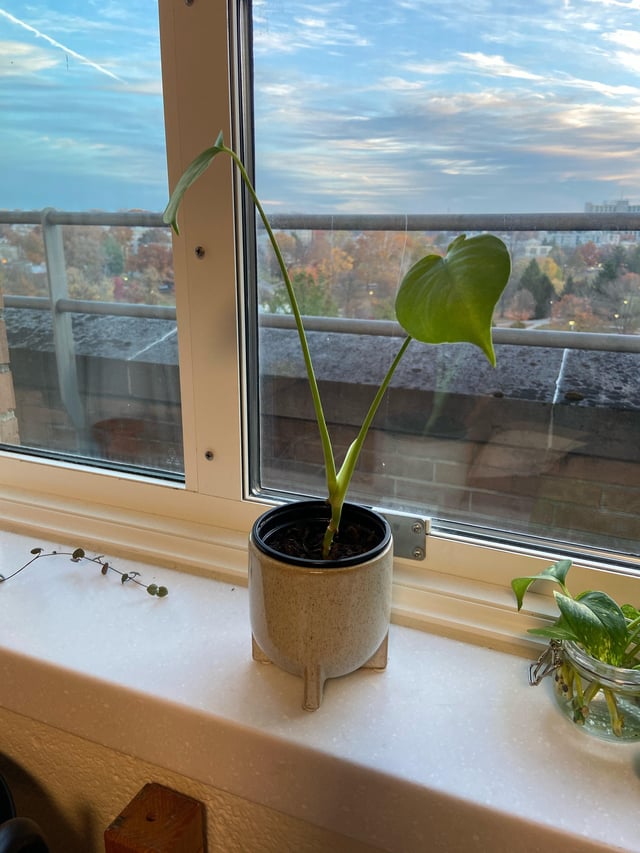
If your Monstera plant is growing too large, you might want to slow it down. This can help maintain its size and fit better in your space.
Monsteras are popular for their stunning leaves. But sometimes, they grow too quickly and take over your home. Knowing how to control their growth is essential. It helps keep your plant healthy and manageable. You don’t need to be an expert to do this.
With a few simple steps, you can stop your Monstera from growing too big. These steps will ensure your plant remains a beautiful part of your home without becoming overwhelming. Let’s explore the methods to control your Monstera’s growth effectively.
Introduction To Monstera Growth
Monstera plants are popular for their unique and attractive leaves. They are easy to care for and can grow rapidly under the right conditions. But sometimes, their growth can get out of hand. Controlling their growth can help keep your plant healthy and manageable. In this section, we’ll explore the basics of Monstera growth and common growth issues.
Basic Growth Patterns
Monstera plants thrive in bright, indirect light. They can grow quickly in warm, humid conditions. Their leaves develop splits as they mature, which adds to their charm. Monstera plants can grow up to 10 feet tall indoors. They often need support, like a moss pole, to grow upright. Regular pruning can help control their size and shape.
Common Growth Issues
One common issue is leggy growth. This happens if the plant doesn’t get enough light. The stems grow long and weak, and the leaves are smaller. Another issue is yellowing leaves. This can be due to overwatering or poor drainage. Brown leaf edges can indicate low humidity or under-watering. Pests like spider mites and aphids can also affect growth. Regular inspection and proper care can prevent these issues.
Understanding Monstera Needs
Monstera plants, known for their large, split leaves, need specific care to thrive. Understanding their needs can help you manage their growth. This section will delve into light requirements and watering schedules.
Light Requirements
Monsteras need bright, indirect light. Direct sunlight can scorch their leaves. Place them near a window with filtered light. If your Monstera is growing too fast, reduce the light exposure.
- Place it further from the window.
- Use sheer curtains to diffuse light.
- Avoid dark corners, as this can weaken the plant.
Watering Schedule
Water your Monstera sparingly. Let the top inch of soil dry out before watering again. Overwatering can cause root rot, while underwatering can stunt growth. For a balanced schedule, follow these steps:
- Check soil moisture weekly.
- Water when the top inch is dry.
- Ensure the pot has proper drainage.
In winter, water less often. The plant’s growth slows, requiring less moisture. Use a moisture meter for accuracy.
Pruning Techniques
Pruning techniques are essential for controlling the growth of your Monstera plant. Pruning helps maintain its size and shape while promoting healthy growth. Proper pruning can prevent your Monstera from taking over your space.
Tools For Pruning
Using the right tools is crucial for effective pruning. Sharp, clean tools reduce the risk of damaging the plant. Consider these tools:
- Pruning shears
- Garden scissors
- Disinfectant wipes
Pruning shears are ideal for thick stems. Garden scissors work well for smaller, more delicate cuts. Always disinfect your tools before and after use to prevent disease.
Best Pruning Practices
Pruning your Monstera correctly ensures healthy regrowth. Follow these steps:
- Identify the stems to cut
- Make clean cuts at an angle
- Remove yellowing or damaged leaves
Identify the stems you want to cut back. Make clean cuts at a 45-degree angle. This helps the plant heal faster. Remove yellowing or damaged leaves to promote new growth.
Prune during the growing season, usually spring or early summer. Avoid pruning during winter when the plant is dormant. This ensures that the Monstera has enough energy to recover and thrive.
Controlling Soil Quality
Controlling soil quality is crucial to manage the growth of your Monstera plant. The right soil can significantly slow down its growth rate, making it easier to handle and maintain. Focus on choosing the correct soil and understanding proper fertilization techniques. These steps will help you keep your Monstera at a manageable size.
Choosing The Right Soil
Select a well-draining soil mix for your Monstera. A mix containing perlite, peat moss, and orchid bark works well. Avoid heavy, clay-based soils as they retain too much water. Too much water can lead to faster growth and root rot. Aim for a soil mix that allows air to reach the roots. This will help control the plant’s growth.
Fertilization Tips
Use a balanced, slow-release fertilizer for your Monstera. Opt for a 20-20-20 fertilizer, which provides equal amounts of nitrogen, phosphorus, and potassium. Fertilize only during the growing season, which is spring and summer. Reduce or stop fertilization during fall and winter. Over-fertilizing can cause rapid growth, so stick to a strict schedule. Apply fertilizer sparingly to keep your Monstera from growing too fast.
Managing Plant Size
Monstera plants are known for their large, beautiful leaves. But sometimes, they can grow too large for your space. Managing the size of your Monstera is essential to keep it healthy and looking great. Here are some effective strategies to control its growth.
Using Pots And Containers
One effective way to control your Monstera’s size is by using the right pots and containers. Smaller pots restrict root growth, which in turn limits the plant’s overall size.
- Choose a pot that is just slightly bigger than the root ball.
- Avoid large containers as they allow the plant to grow more extensively.
- Ensure the pot has good drainage to prevent root rot.
Using a smaller pot is a simple and effective method to manage your Monstera’s growth.
Repotting Strategies
Repotting your Monstera can also help manage its size. Here are some strategies to consider:
- Repot less frequently: Repotting every 2-3 years can help contain growth.
- Prune roots: Trim the roots before placing them back in the pot.
- Use root-bound method: Let the plant become slightly root-bound to limit size.
These repotting strategies can effectively control your Monstera’s growth, keeping it healthy and suitable for your space.
Limiting Light Exposure
Limiting light exposure is key to controlling the growth of your Monstera plant. Monstera plants thrive in bright, indirect light. Too much light can cause them to grow rapidly. By managing the light they receive, you can keep their growth in check.
Ideal Light Conditions
Monstera plants prefer bright, indirect sunlight. Direct sunlight can cause their leaves to burn. Too little light can make them grow tall and leggy. Aim for a spot with filtered light, like near a north-facing window.
Using Shades And Curtains
To limit light, consider using shades or curtains. These can help control the amount of light your Monstera receives. Light-blocking curtains are very effective. They can prevent too much sunlight from reaching the plant.
Sheer curtains are another good option. They diffuse the light, creating a soft glow. This keeps the Monstera happy without encouraging rapid growth. It’s an easy and stylish way to manage light exposure.
Regulating Temperature And Humidity
Monstera plants are tropical and thrive in warm, humid environments. To stop Monstera from growing too fast, it is important to regulate the temperature and humidity around the plant. By maintaining the right conditions, you can control its growth rate effectively.
Optimal Temperature Range
Keeping Monstera within the optimal temperature range is crucial. These plants prefer temperatures between 65-85°F (18-29°C). Consistent temperatures outside this range can slow down their growth.
| Temperature | Effect on Growth |
|---|---|
| Below 65°F (18°C) | Slows growth significantly |
| 65-85°F (18-29°C) | Optimal growth |
| Above 85°F (29°C) | May stress the plant |
Humidity Control Methods
Maintaining the right humidity is just as important. Monstera plants thrive in humidity levels of 60-80%. If the air is too dry, it can slow the plant’s growth. Here are some methods to control humidity:
- Use a humidifier: This is the most effective method. Set it to maintain the desired humidity level.
- Mist the leaves: Spray the leaves with water daily to increase humidity.
- Place a water tray: Put a tray filled with water near the plant. The water will evaporate and increase humidity.
- Group plants together: Plants release moisture into the air. Grouping them can raise the humidity level.
By regulating temperature and humidity, you can effectively manage the growth of your Monstera plant. Ensure the conditions are consistent to keep the plant healthy and under control.

Addressing Common Problems
Monstera plants, like any other houseplants, can face common problems that may hinder their growth. By learning how to address these issues, you can keep your Monstera healthy and control its size.
Dealing With Pests
Pests like spider mites, aphids, and mealybugs can be a nuisance. They can affect the growth of your Monstera. Here are some methods to deal with them:
- Insecticidal Soap: Use a mild insecticidal soap to spray on the leaves. This will kill pests without harming the plant.
- Neem Oil: Apply neem oil to the affected areas. It acts as both a pesticide and a fungicide.
- Manual Removal: For small infestations, you can remove pests by hand. Use a damp cloth to wipe the leaves.
These methods will help keep pests at bay, ensuring your Monstera doesn’t overgrow due to stress from pests.
Handling Diseases
Diseases can also affect the growth of your Monstera. Common diseases include root rot and leaf spot. Here’s how to handle them:
- Root Rot: Overwatering is a common cause of root rot. Ensure the soil is well-draining. Reduce watering frequency and allow the soil to dry out between waterings.
- Leaf Spot: Fungal infections cause leaf spots. Remove affected leaves and apply a fungicide to prevent spread.
Keeping your Monstera disease-free will help control its growth and maintain its health.
Additional Expert Tips
Monstera plants are beautiful, but they can grow too large if not managed. Here are additional expert tips to keep your Monstera plant’s growth in check. These tips will help you maintain a healthy and manageable plant size.
Regular Maintenance
Prune your Monstera to control its size. Cut off any overly long stems. Use clean, sharp scissors for this task. This prevents infection and promotes healthy growth. Also, remove yellow or damaged leaves. This will keep the plant looking fresh and tidy.
Monitoring Plant Health
Check your Monstera for signs of overgrowth. Notice if the plant seems too tall or wide. If roots grow out of the pot, it’s time to trim them. Repot the Monstera every two years. This limits the plant’s growth and keeps the roots healthy.
Observe the leaves for any changes. Yellowing or browning can indicate stress. Adjust water, light, or nutrients as needed. This ensures your Monstera stays in good condition. Healthy plants are easier to manage.
Frequently Asked Questions
How Do You Prune A Monstera?
Prune a Monstera by cutting back overgrown stems and leaves. Use clean, sharp scissors. Focus on removing damaged or yellowing leaves first.
Can You Control Monstera Growth?
Yes, you can control Monstera growth by pruning regularly. Also, limit the plant’s access to light and nutrients.
What Causes A Monstera To Grow Too Fast?
A Monstera grows too fast due to abundant light, water, and nutrients. Prune regularly to manage growth.
Should I Trim Monstera Aerial Roots?
Yes, you can trim Monstera aerial roots if they become unmanageable. Use sharp scissors and trim carefully.
Conclusion
Stopping Monstera from growing can be easy with these tips. Regular pruning helps maintain size. Adequate light control reduces rapid growth. Using smaller pots restricts root expansion. Less frequent watering slows down development. These simple steps ensure your Monstera stays manageable.
Enjoy the beauty without the extra size. Happy gardening!
Leave a Reply