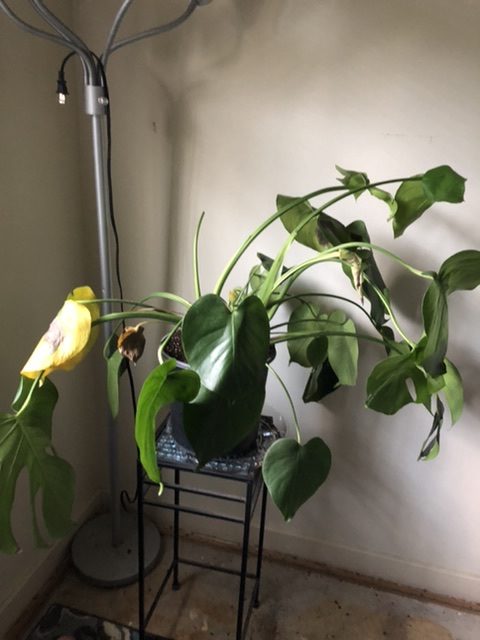
Drooping leaves on your Monstera plant can be a sign of distress. You can revive it with the right care.
Monstera plants, known for their beautiful leaves, can sometimes show signs of unhappiness. Drooping leaves are often a clear signal. This can worry plant lovers. But don’t panic. Understanding the causes helps in finding the right solution. It might be overwatering, underwatering, or even improper lighting.
By addressing these issues, you can help your Monstera thrive again. This guide will walk you through simple steps. Soon, your Monstera will be healthy and vibrant once more. Let’s get started!
Identifying Monstera Drooping
Monstera plants are known for their large, glossy leaves. But when they droop, it can be worrying. Identifying the signs early helps in taking quick action. This section will guide you through recognizing and understanding drooping in Monstera plants.
Common Signs
Drooping leaves are the most obvious sign. Leaves may look wilted and lifeless. They may also appear yellow or brown. Stems can become soft and weak. These signs indicate that the plant is stressed.
Underlying Causes
Several factors can cause drooping. Overwatering is a common reason. It leads to root rot, which impacts the plant’s health. Underwatering is another cause. It makes the plant thirsty and weak. Poor lighting affects Monstera too. It needs bright, indirect sunlight.
Pest infestations can stress the plant. Look for insects on the leaves. Temperature changes can shock the plant. Keep it in a stable environment.

Optimal Watering Practices
Proper watering is crucial to keep your Monstera plant healthy and vibrant. Understanding the right amount of water and frequency can help prevent drooping leaves. Here are some optimal watering practices to keep your Monstera thriving.
Frequency And Amount
Watering frequency depends on several factors, including the season, humidity, and soil type. During the growing season (spring and summer), water your Monstera every 1-2 weeks. In colder months, reduce the frequency to once every 2-4 weeks.
Always check the soil before watering. Insert your finger 2 inches into the soil. If it feels dry, it’s time to water. Use enough water to ensure it reaches the plant’s roots, but avoid soaking the soil.
| Season | Watering Frequency |
|---|---|
| Spring/Summer | Every 1-2 weeks |
| Fall/Winter | Every 2-4 weeks |
Signs Of Overwatering
Overwatering can cause serious problems for your Monstera. Common signs include yellowing leaves, wilting, and root rot. The soil may also remain wet for too long, leading to fungal issues.
If you notice these signs, reduce the watering frequency and check the drainage. Make sure the pot has drainage holes and the soil is well-draining.
- Yellowing leaves: Indicates too much water.
- Wilting: Even with wet soil, can be a sign of overwatering.
- Root rot: Check for mushy, brown roots.
- Fungal issues: Mold or mildew on the soil surface.
Adjust your watering schedule based on these signs. Always ensure proper drainage to keep your Monstera healthy.
Ensuring Proper Light Conditions
Monstera plants thrive in specific light conditions. Ensuring the right amount of light is key to stopping them from drooping. Let’s explore the ideal light levels and how to avoid direct sunlight.
Ideal Light Levels
Monsteras need bright, indirect light. They do best with filtered light. Place your Monstera near a window that gets plenty of light but not direct sun. A north or east-facing window is often ideal.
Here’s a simple guide to light levels:
| Light Level | Recommendation |
|---|---|
| Bright Indirect Light | Best for Monstera |
| Low Light | Not suitable, leads to drooping |
| Direct Sunlight | Can cause leaf burn |
Avoiding Direct Sunlight
Direct sunlight can harm your Monstera. It can burn the leaves and cause drooping. Use sheer curtains to filter sunlight. This creates a gentle light that Monsteras love.
Follow these steps to avoid direct sunlight:
- Place the plant away from south or west-facing windows.
- Use sheer curtains to diffuse the light.
- Rotate the plant weekly for even light exposure.
By ensuring proper light conditions, you help your Monstera stay healthy and vibrant. Proper light is crucial for preventing drooping and promoting overall growth.
Soil And Potting Mix
Monstera plants are popular for their stunning leaves and tropical vibe. But drooping leaves can be a common problem. One key factor is the soil and potting mix. Ensuring the right soil type and improving drainage can help your Monstera thrive.
Best Soil Types
Monstera plants prefer a well-draining soil mix. The best soil types include:
- Peat-based soil: Helps retain moisture without waterlogging.
- Perlite: Enhances aeration and drainage.
- Pine bark: Provides organic material and improves drainage.
Combining these ingredients creates an ideal potting mix. Aim for a mix that is 50% peat, 25% perlite, and 25% pine bark.
Improving Drainage
Proper drainage is essential for Monstera plants. Poor drainage can lead to root rot and drooping leaves. Here are some tips to improve drainage:
- Use a pot with drainage holes: This allows excess water to escape.
- Add a layer of gravel: Place gravel at the bottom of the pot to enhance drainage.
- Mix in sand or perlite: These materials help create air pockets, improving soil aeration.
- Avoid overwatering: Ensure the top inch of soil is dry before watering.
By focusing on the right soil and potting mix, you can prevent drooping and keep your Monstera healthy.
Temperature And Humidity Needs
Temperature and humidity are critical for keeping your Monstera plant healthy. These factors affect the plant’s overall growth and health. Understanding their needs will help prevent drooping leaves.
Maintaining Ideal Temperatures
Monsteras thrive in warm environments. They prefer temperatures between 65°F to 85°F (18°C to 29°C). Avoid exposing your plant to temperatures below 60°F (15°C). Cold can cause drooping and other health issues.
Keep your Monstera away from drafts, air conditioners, and heaters. Sudden temperature changes stress the plant. This can lead to drooping leaves and stunted growth.
Boosting Humidity
Monsteras are native to tropical regions. They love high humidity. Aim for a humidity level of 60% to 80%.
You can increase humidity by:
- Using a humidifier near the plant
- Placing a tray with water and pebbles under the pot
- Misting the leaves regularly
Group your Monstera with other plants. This creates a micro-environment with higher humidity. Make sure the air around your plant is not too dry. Dry air can cause drooping and other problems.
Check the humidity level with a hygrometer. This device helps you maintain the right environment for your plant.
By keeping the temperature and humidity within the ideal range, you will prevent your Monstera from drooping. Your plant will thrive and stay healthy.
:max_bytes(150000):strip_icc()/GettyImages-1306261802-dc2eaef6ef934665aa7aeb9b2b63c412.jpg)
Fertilization Tips
Proper fertilization can prevent your Monstera from drooping. These plants need the right nutrients to thrive. Below are some essential tips to keep your Monstera healthy and upright.
Choosing The Right Fertilizer
Selecting the correct fertilizer is key. Look for balanced fertilizers with equal parts nitrogen, phosphorus, and potassium. A good choice is a 20-20-20 fertilizer. This balance ensures all-round growth.
Some fertilizers come in liquid form, while others are granular. Liquid fertilizers work faster. Granular fertilizers release nutrients slowly. Consider your plant’s needs and your lifestyle.
Organic fertilizers are also an option. They improve soil health over time. Examples include compost, worm castings, and fish emulsion. These are gentle on your Monstera.
Fertilizing Schedule
Sticking to a fertilizing schedule helps. During the growing season, from spring to early fall, fertilize your Monstera every 4 to 6 weeks. This frequency supports active growth.
In winter, reduce the frequency. Fertilize once every 8 to 10 weeks. The plant grows slower and needs fewer nutrients. Over-fertilizing can harm your plant. Watch for yellow leaves or brown tips.
Here’s a simple fertilizing schedule:
| Season | Frequency |
|---|---|
| Spring to Early Fall | Every 4 to 6 weeks |
| Winter | Every 8 to 10 weeks |
Always follow the instructions on the fertilizer package. Use the recommended amount. Over-fertilizing can lead to nutrient burn. Under-fertilizing can result in poor growth.
By choosing the right fertilizer and maintaining a proper schedule, your Monstera will remain healthy and vibrant.
Pruning And Maintenance
Pruning and maintenance are essential for keeping your Monstera healthy and vibrant. Regular pruning helps control its size, shape, and encourages new growth. Without proper care, your Monstera may start to droop, which can affect its overall health and appearance.
When To Prune
Prune your Monstera in spring or early summer. This is when the plant is actively growing. Avoid pruning during the winter months. The plant’s growth slows down then, and it may not recover well.
Proper Pruning Techniques
Use clean, sharp scissors or pruning shears. Cut just above a leaf node. Make sure to remove any dead or yellowing leaves. This encourages new growth and prevents disease.
Trim long aerial roots if they become unruly. You can also cut back stems to control the plant’s size. Always make sure to sterilize your tools before and after pruning. This prevents the spread of diseases and keeps your Monstera healthy.
Dealing With Pests And Diseases
Dealing with pests and diseases is crucial to keep your Monstera healthy. Pests and diseases can cause your Monstera to droop and look unhealthy. Identifying and managing these issues can save your plant.
Common Pests
Monstera plants often attract common pests like spider mites, mealybugs, and aphids. Spider mites cause small yellow spots on leaves. Mealybugs look like small cotton balls on the plant. Aphids suck the sap from the leaves, making them droop.
To manage these pests, use insecticidal soap or neem oil. Spray the solution on the affected areas. Regularly check your plant for signs of pests. Removing pests early prevents further damage.
Disease Prevention And Treatment
Preventing diseases is essential for your Monstera’s health. Overwatering is a common cause of fungal diseases. Ensure your Monstera has well-draining soil. Water the plant when the top inch of soil feels dry.
If your plant shows signs of disease, act quickly. Fungal infections cause yellowing leaves and root rot. Remove affected leaves and repot your plant in fresh soil. Using a fungicide can help treat the infection.
Keep your Monstera in a clean environment. Ensure good air circulation around the plant. Avoid overcrowding with other plants. Regularly clean the leaves with a damp cloth to remove dust and pests.
Frequently Asked Questions
Why Is My Monstera Drooping?
Monstera can droop due to overwatering, underwatering, or low humidity. Check the soil moisture level and adjust watering accordingly.
How Often Should I Water My Monstera?
Water your Monstera when the top 1-2 inches of soil is dry. This is usually every 1-2 weeks.
Can Low Light Cause Monstera To Droop?
Yes, low light can cause Monstera leaves to droop. Place your plant in bright, indirect light.
What Humidity Level Is Ideal For Monstera?
Monstera plants thrive in humidity levels between 60-80%. Use a humidifier or mist the leaves regularly.
Conclusion
Keep your Monstera healthy with proper care. Water it consistently but avoid overwatering. Ensure it gets indirect sunlight. Check the soil and repot if necessary. Monitor humidity levels; Monstera loves humidity. Trim any damaged leaves. These simple steps will help prevent drooping.
With regular attention, your Monstera will thrive and look beautiful. Happy gardening!
Leave a Reply