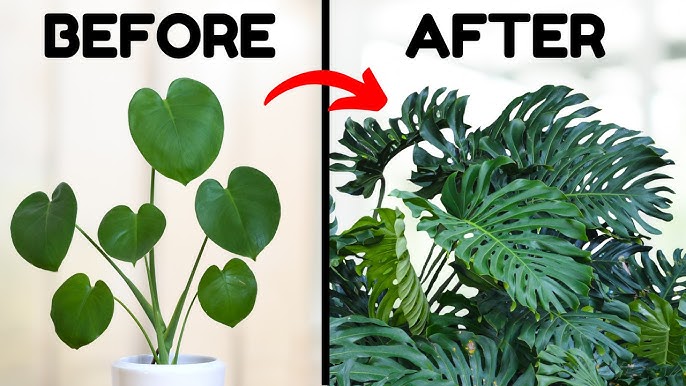
Monstera plants bring a touch of the jungle into your home. Their large, glossy leaves with unique splits and holes make a statement in any room.
Pruning your Monstera is key to keeping it healthy and encouraging lush, vibrant growth. In just five simple steps, you can ensure your Monstera thrives and maintains its stunning appearance. Pruning isn’t just about cutting back. It’s a vital part of plant care that encourages new growth and keeps your Monstera looking its best.
Over time, leaves can yellow, and stems may become leggy. Pruning helps tackle these issues head-on. This task might seem daunting if you’re new to plant care, but fear not. You don’t need a green thumb or special equipment. With a little guidance, you’ll become a pro at keeping your Monstera in top shape. Read on to learn how to prune your Monstera effectively, step by step, and watch it flourish.

Benefits Of Pruning
Pruning Monstera plants is a vital part of their care. It not only maintains their size and shape but also brings about several benefits. By trimming away dead or overgrown foliage, you encourage the plant to focus its energy on new growth. This process can lead to a fuller, healthier plant that thrives in your space. Let’s delve into the key advantages of pruning your Monstera and outline the steps to do it effectively.
Encourages Growth
When you prune a Monstera, you’re giving it a clear signal to activate new growth. This is especially true for plants that might seem a bit leggy or sparse. By cutting back older leaves and stems, you stimulate the plant to produce new, vibrant foliage. Here’s why pruning is essential for promoting growth:
- Energy distribution: Removing older, possibly less efficient leaves allows the plant to redirect its energy to sprouting fresh leaves and stems.
- Healthier stems: Pruning helps in developing stronger stems that can support the weight of new growth.
- Bushier appearance: Regular pruning can result in a denser, lusher plant, as it encourages branching.
Consider the following tips to ensure you’re pruning effectively for growth:
- Identify the node: This is where new growth will emerge. Make your cuts just above these points.
- Use the right tools: Sharp, clean shears will make precise cuts and prevent damage to the plant.
- Don’t overdo it: Prune only what’s necessary to avoid stressing the plant.
Remember, a pruned Monstera is a happy Monstera that will reward you with an abundant display of foliage.
Improves Airflow
Adequate airflow is crucial for the health of your Monstera. Dense foliage can trap moisture and restrict air movement, creating an environment that invites pests and diseases. Here’s how pruning aids in improving airflow:
- Reduces humidity: By thinning out the plant, you lower the humidity around the foliage, which is less inviting for pests.
- Prevents disease: Good airflow helps leaves dry faster, reducing the risk of fungal infections.
- Strengthens the plant: A well-aerated Monstera can focus its energy on strengthening rather than fighting off problems.
Follow these steps to enhance airflow through pruning:
- Look for crowded areas: Cut back sections where leaves are densely packed.
- Remove yellow or brown leaves: These are often older and can block air to healthier parts of the plant.
- Open up the center: Creating space in the middle of the plant allows air to circulate more freely.
By improving airflow, you ensure your Monstera is not only beautiful but also robust and less prone to issues.
Tools Needed
Embarking on the journey to prune your Monstera plant is a rewarding venture. The lush, tropical vibe of a well-kept Monstera can transform any space. However, before you start snipping away, make sure you have the right tools at hand. Pruning isn’t just about maintaining aesthetics; it’s about plant health too. The right tools ensure a clean cut that prevents damage and disease. Below, we’ll break down the essential tools you’ll need for this task.
Pruning Shears
Quality pruning shears are a must for any Monstera enthusiast. They make clean cuts that help prevent infection and promote healthy growth. Here are key points to consider when selecting pruning shears:
- Sharpness: Dull blades can crush stems, hindering healing.
- Size: Choose shears that fit comfortably in your hand for better control.
- Material: Stainless steel blades resist rust and last longer.
For different pruning needs, consider these types:
| Type | Best For |
|---|---|
| Anvil Shears | Thick, woody stems |
| Bypass Shears | Green, live growth for a precise cut |
Maintain your shears well. Clean and oil them after each use to keep them in top shape. A well-maintained shear ensures a quick, clean cut each time, which is vital for your Monstera’s health.
Gloves
Don’t overlook the importance of a good pair of gloves. Gloves protect your hands from sap and sharp edges. Plus, they keep your skin clean. Here’s what to look for:
- Material: Choose breathable, durable fabrics.
- Fit: Well-fitting gloves offer better dexterity.
- Protection: Gloves should be thick enough to prevent cuts.
Consider these options for different tasks:
| Material | Benefits |
|---|---|
| Leather | Durable, great for heavy-duty work |
| Latex/Nitrile | Water-resistant, good for wet conditions |
| Cotton | Lightweight, ideal for quick trims |
Always clean your gloves after use to remove sap or dirt. This keeps them ready for the next pruning session. With the right gloves, you can prune safely and comfortably, ensuring your Monstera stays healthy and vibrant.
When To Prune
Pruning your Monstera plant keeps it healthy and looking great. But knowing when to prune is key. This guide makes it easy. Let’s dive in.
Best Seasons
Timing matters when pruning Monstera. The best seasons are spring and summer. These months provide the ideal conditions for recovery and growth. Here’s why:
- Spring: New growth starts. Pruning in spring helps your Monstera focus its energy on new, healthy leaves.
- Summer: Growth is at its peak. Pruning in summer keeps the momentum going, ensuring lush, vibrant foliage.
Pruning outside these seasons isn’t ideal. Fall and winter see slower growth. Pruning then can stress your plant. Stick to spring and summer for best results.
Signs To Prune
Your Monstera will show signs when it’s time to prune. Look for:
- Yellow or brown leaves: These are dead or dying and need to go.
- Overcrowding: Too many leaves can block light to lower areas. Thin out for better growth.
- Leggy stems: Long, skinny stems with few leaves need trimming. This encourages fuller growth.
Regular checks help you spot these signs early. Pruning not only keeps your Monstera healthy but also maintains its shape. A well-pruned Monstera is a happy Monstera.
Step 1: Assess The Plant
Pruning your Monstera plant not only keeps it looking neat but also promotes healthy growth. The first step in this process is crucial: Assess the Plant. This is where you lay the groundwork for a successful pruning session. You need to look at your Monstera with a keen eye, identify which parts need your attention, and understand the difference between healthy and unhealthy growth. Let’s get started with the details of this initial step.
Identify Unhealthy Leaves
Unhealthy leaves on a Monstera can hinder its beauty and growth. Here’s how to spot them:
- Discoloration: Yellow or brown leaves are often a sign of distress.
- Wilting: Leaves that lack firmness and droop may need removal.
- Damaged: Torn or heavily scarred leaves can be pruned.
- Disease: Watch for any signs of fungal infections or pests.
After identifying the unhealthy leaves, use clean, sharp scissors or pruning shears. Make cuts near the base of the unwanted leaf, taking care not to damage the stem or nearby healthy leaves. Here’s a simple table to help you decide which leaves to prune:
| Leaf Condition | Action |
|---|---|
| Yellow/Brown | Prune |
| Wilting | Prune |
| Damaged | Prune if severe |
| Disease or Pest | Prune and treat plant |
Remember, removing these leaves allows your Monstera to redirect its energy to new, healthy growth.
Check For Overgrowth
A Monstera plant can grow quite large, and sometimes, too much growth can make your plant look untidy. Here’s what to do:
- Look for balance: Your Monstera should look even on all sides.
- Space: Ensure leaves have room to grow without overcrowding.
- Airflow: Good air circulation is important for plant health.
When you spot overgrowth, prune strategically. Aim to create an even, aesthetically pleasing shape. Use the following guide to determine where to cut:
| Area of Overgrowth | Action |
|---|---|
| Long or Unruly Stems | Cut back to a main stem or a leaf node |
| Dense Foliage | Thin out for better shape and airflow |
| Out of Shape | Trim for symmetry |
| Crowded Areas | Remove some leaves or stems to declutter |
By checking for overgrowth and addressing it, you ensure your Monstera has the perfect conditions to thrive. Prune with purpose, aiming for health and beauty.
Step 2: Prepare The Tools
Before you make the first cut, your success in pruning Monstera plants hinges on the tools you prepare. Sharp, clean tools not only ensure a healthy plant but also make the job easier and safer. In the second step of our five-step guide, we’ll focus on getting those tools ready. This step is all about precision and prevention. We aim for clean cuts that prevent damage and disease. Let’s gather and prepare the right tools for a seamless pruning experience.
Clean The Shears
Dull or dirty shears can harm your Monstera, causing ragged cuts that are vulnerable to infection. Start with sharp, clean shears to make smooth and precise cuts. Here’s how to ensure your shears are in top condition:
- Wipe the blades with soapy water to remove any residue.
- Rinse the blades with clean water to wash away soap and debris.
- Dry the shears thoroughly to prevent rust.
- Disinfect the blades by wiping them with alcohol or a bleach solution. This step is crucial to prevent the spread of diseases between plants.
- Check the sharpness of the shears. A sharpening stone or file can hone dull blades.
Remember, clean cuts help your Monstera heal faster and grow stronger. Put in the time to prep your shears, and your plant will thank you.
Gather Supplies
With clean shears at the ready, it’s time to gather the rest of your supplies. Pruning is more than just snipping away; it’s a process that requires the right materials to ensure a clean job. Here’s a simple checklist of supplies you’ll need:
| Supply | Use |
|---|---|
| Gloves | Protect your hands and get a better grip on the shears |
| Pruning Shears | Make clean cuts on stems and leaves |
| Disinfectant | Keep shears sterile and prevent disease spread |
| Plant Ties | Support stems and guide new growth post-pruning |
| Waste Bin | Dispose of pruned material promptly |
Gather these items before you start. This way, you can work efficiently and keep your focus on the pruning task. A well-prepared workspace leads to a stress-free pruning session and a happy, healthy Monstera plant.

Step 3: Cut Strategically
Pruning Monstera plants keeps them healthy and beautiful. Step 3, “Cut Strategically,” is crucial. This step involves removing dead leaves and shaping the plant. Let’s dive into how to do this effectively.
Focus On Dead Leaves
Removing dead leaves is vital for your Monstera’s health. Dead leaves can attract pests and diseases. They also waste the plant’s energy. Here is how to remove them:
- Identify dead leaves. Look for leaves that are brown, yellow, or wilted.
- Choose the right tool. Use clean, sharp scissors or pruning shears.
- Make a clean cut. Cut close to the main stem, but not too close. Leave about a centimeter to avoid damaging the healthy parts.
Remember, it’s better to prune a little at a time. This way, you won’t stress the plant.
Shape The Plant
Shaping your Monstera not only makes it look better but also promotes healthy growth. Here’s how to shape it:
- Decide on a shape. Do you want your Monstera tall or wide? Decide before you start cutting.
- Identify areas to prune. Look for long, leggy stems. These are good candidates for pruning.
- Cut above a leaf node. This encourages new growth. Choose a node pointing in the direction you want the new growth to go.
Shaping your Monstera helps control its size and encourages fuller growth. Just like with dead leaves, take your time. It’s better to cut too little than too much.
Step 4: Dispose Of Cuttings
Now that you’ve expertly trimmed your Monstera, you’re at Step 4: Dispose of Cuttings. This is not just about tossing the offcuts into the trash. You have a chance to be eco-friendly and even give your plant clippings a second life. Let’s explore how to discard these cuttings in a way that benefits both your garden and the environment.
Compost Options
Pruned Monstera leaves and stems can enrich your compost pile. Here’s what to do:
- Chop the cuttings: Large leaves or stems should be cut into smaller pieces. This speeds up the decomposition process.
- Add to compost: Mix the plant matter into your compost bin. Remember to balance with ‘browns’ like dry leaves or cardboard to maintain a good green to brown ratio.
If you don’t have a compost pile, consider these options:
| Method | Benefits |
|---|---|
| Local composting program | Supports community gardens and reduces landfill waste. |
| Bokashi bin | An indoor option that ferments waste, including dairy and meat. |
| Worm bin | Worms turn scraps into rich soil, great for small spaces. |
Sanitize Tools
After pruning, cleaning your tools is a must. It prevents the spread of disease and keeps tools sharp. Follow these steps:
- Clean the blades with soapy water to remove sap and debris.
- Rinse with clean water.
- Disinfect with rubbing alcohol or a bleach solution (one part bleach to nine parts water).
- Dry tools thoroughly to avoid rust.
- Apply oil to the blades to maintain a smooth cutting action.
Always use protective gloves when handling sharp tools. Keep your pruners in top shape, and they’ll reward you with clean cuts and a healthy Monstera plant.

Step 5: Care After Pruning
With your Monstera now pruned and looking its best, the final step—care after pruning—is crucial to ensure your plant remains healthy and vibrant. Step 5 is all about giving your Monstera the right aftercare to thrive. Proper watering and fertilizing are key components of post-pruning care. Let’s dive into the best practices to keep your Monstera in top-notch condition.
Watering Tips
Post-pruning, your Monstera’s water needs may shift slightly. Here’s what to keep in mind:
- Check soil moisture: Water only when the top inch of the soil is dry to the touch.
- Less is more: With reduced foliage, your Monstera won’t need as much water. Overwatering can lead to root rot.
- Water evenly: Ensure water reaches all parts of the soil, avoiding just one area.
Remember, your Monstera’s watering needs depend on several factors like light, humidity, and temperature. Keep a consistent check on these conditions and adjust your watering schedule accordingly. After pruning, monitor your plant closely for the first few weeks to gauge its new watering needs.
| Condition | Watering Adjustment |
|---|---|
| High Light | Increase frequency |
| Low Light | Decrease frequency |
| High Humidity | Decrease frequency |
| Low Humidity | Increase frequency |
Fertilizing Advice
After pruning, your Monstera will benefit from a balanced fertilizer to support new growth. Here are some tips:
- Wait to fertilize: Give your plant time to recover from pruning before fertilizing.
- Use a balanced fertilizer: Look for a 20-20-20 NPK ratio, suitable for most houseplants.
- Dilute your fertilizer: It’s better to err on the side of caution and use a half-strength solution.
Timing is also important. Fertilize during the growing season, which is typically from spring to early fall. This is when your Monstera is most receptive to nutrients. During the dormant season, reduce or eliminate fertilizing to prevent nutrient overload.
| Season | Fertilizing Frequency |
|---|---|
| Spring – Early Fall | Once a month |
| Late Fall – Winter | Reduce or stop |
Keep a watchful eye on your plant’s response to fertilizing. Signs like leaf burn or sluggish growth can indicate the need to adjust your approach. Remember, a little care goes a long way in keeping your Monstera healthy and growing.
Common Mistakes
Pruning Monstera plants is essential for their health and growth. Yet, many make mistakes in the process. Let’s dive into the common errors to avoid.
Over-pruning
Over-pruning is a common mistake that can harm your Monstera. It’s important not to cut too much. Doing so can stress the plant, leading to fewer leaves and slow growth. Here’s what you need to know:
- Never remove more than 30% of the foliage at one time. This ensures the plant retains enough leaves to photosynthesize and stay healthy.
- Focus on removing only the dead or yellowing leaves. These are the ones that no longer benefit the plant.
- Prune during the growing season (spring and summer). This timing helps the plant recover faster.
Avoid cutting too close to the main stem. Leave a small stub to prevent damage to the plant’s structure. Remember, less is often more with Monstera pruning.
Ignoring Pests
Ignoring pests is another mistake that can turn pruning into a problem. Pests like spider mites and scale can hide on leaves and stems. If not handled, they can spread quickly after pruning. Keep these tips in mind:
- Inspect your plant before and after pruning. Look for signs of pests, such as tiny webs or sticky residue.
- Use a mild soap solution to gently clean the leaves. This can help remove and prevent pests.
- If you find pests, isolate the affected plant. This stops pests from moving to other plants.
Remember, healthy plants resist pests better. So, keep your Monstera in good condition with proper light, water, and soil. This way, it’s less likely to attract pests in the first place.
Long-term Care
Pruning your Monstera plant not only keeps it looking great but also promotes healthy growth. But what happens after the pruning? Long-term care ensures your Monstera thrives, offering lush, vibrant leaves and a structure that adds life to any space. Let’s dive into the essentials of keeping your Monstera in tip-top shape post-pruning.
Routine Maintenance
Keeping your Monstera healthy involves more than just the occasional trim. Establishing a consistent care routine is key. Below are the steps to keep your Monstera happy:
- Watering: Keep the soil moist, but not soggy. Water when the top inch feels dry.
- Light: Place your Monstera in bright, indirect light. Too much direct sun can scorch the leaves.
- Humidity: These tropical plants love humid conditions. Aim for a humidity level around 60%.
- Cleaning: Wipe down leaves with a damp cloth to remove dust. This keeps them breathing well and looking shiny.
- Fertilizing: Feed your Monstera monthly during the growing season with a balanced fertilizer.
Remember, each Monstera is unique. You might need to tweak these tips to suit your plant. Stay observant and adjust as needed.
Signs Of Health
A healthy Monstera is easy to spot. Look for these positive signs:
| Sign | What It Means |
|---|---|
| Sturdy Stems | They should hold up leaves without drooping. |
| Bright Green Leaves | This shows proper nutrition and light. |
| New Growth | Regularly sprouting new leaves indicates health. |
| Fenestration | Mature leaves with natural holes are a good sign. |
Yellow leaves, slow growth, or limp stems call for action. Check your care routine and adjust accordingly. With love and attention, your Monstera will show its gratitude through its lush, green beauty.
Frequently Asked Questions
When Should You Prune A Monstera Plant?
Pruning a Monstera plant is best done in spring or early summer. This timing encourages growth as the plant is entering its active growing season. Pruning during this period helps ensure a lush, healthy plant with ample time to recover and grow new shoots before the cooler months.
What Tools Are Needed For Monstera Pruning?
For Monstera pruning, you’ll need sharp, clean scissors or pruning shears. Using sterilized tools helps prevent the spread of disease. Additionally, having gloves can protect your hands, especially if you’re sensitive to the plant’s sap. Clean cuts are crucial for the plant’s health and recovery.
How Do You Identify Parts To Prune On Monstera?
Look for yellow, brown, or damaged leaves and any stems that are overly leggy or stretching too far from the support structure. These are prime candidates for pruning. Also, consider removing any leaves that crowd the plant too much, to improve air circulation and light exposure.
Can Pruning Monstera Promote More Growth?
Yes, pruning Monstera can encourage more vigorous growth. By removing overgrown or unhealthy parts, you redirect the plant’s energy to healthier growth points. This can stimulate the development of new, more robust shoots and leaves, contributing to a fuller and more balanced plant.
Conclusion
Pruning your Monstera plant keeps it healthy and looking great. Follow these five steps and you’ll see results. Remember, sharp scissors are key. Snip off dead or yellow leaves. Cut just above leaf nodes for new growth. This encourages a fuller, lusher Monstera.
Prune in the growing season for the best outcome. Your plant will thank you with vibrant leaves and a strong structure. Happy pruning!
Leave a Reply