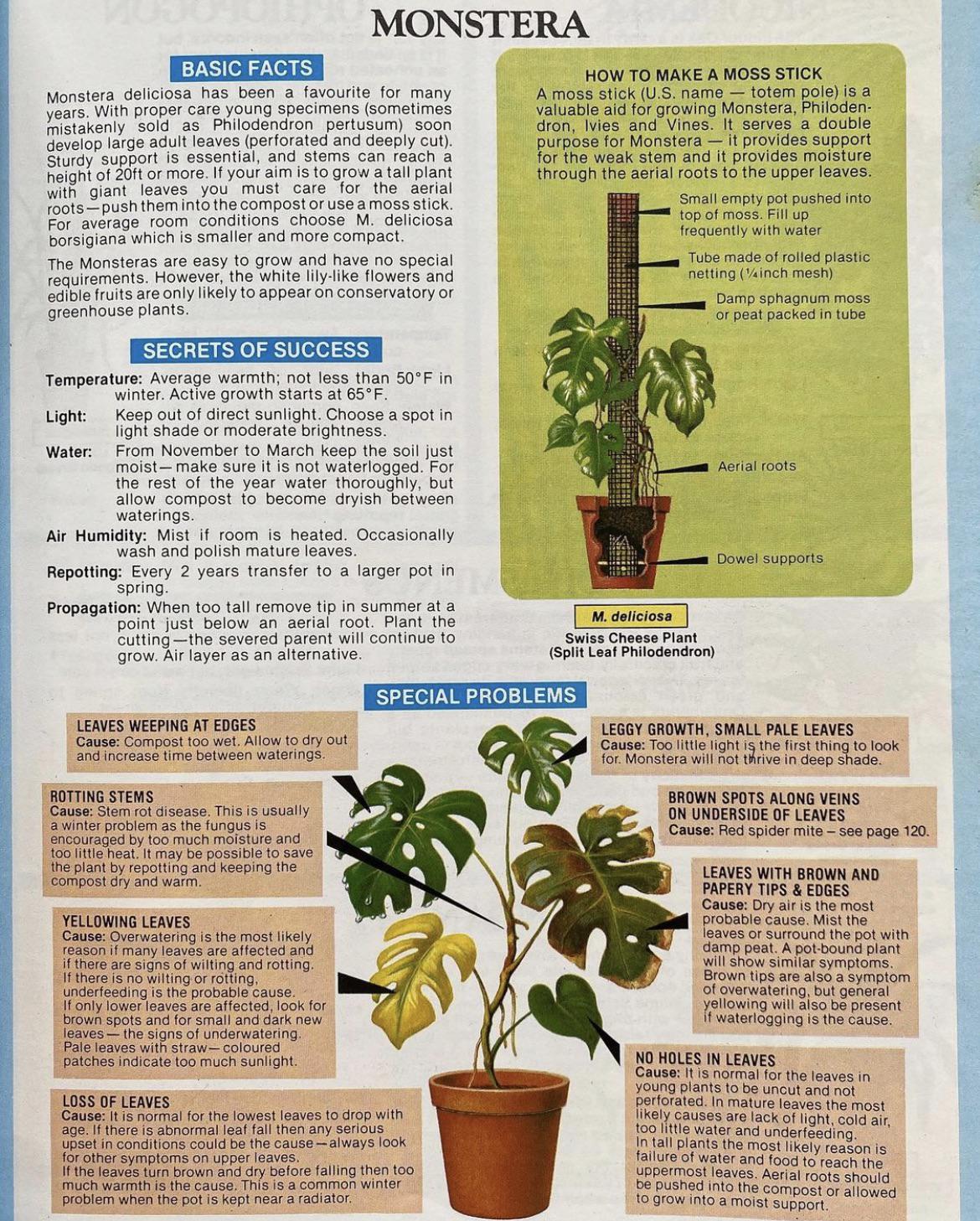
Monstera plants are popular for their unique leaves and easy care. But, they need proper attention to thrive.
Monstera, also known as the Swiss Cheese Plant, is a favorite among plant lovers. These plants bring a touch of the tropics to any home. Their large, split leaves make them a striking addition to your space. Though they are relatively easy to care for, knowing the right steps ensures they stay healthy and beautiful.
This guide will help you understand how to provide the best care for your Monstera. From watering tips to light requirements, we’ll cover everything you need. Get ready to nurture a happy, thriving Monstera that will be the envy of all your friends.
Choosing The Right Monstera
Caring for your Monstera starts with choosing the right one. This step is crucial for ensuring your plant thrives in your home environment. Let’s dive into the specifics.
Different Types
There are several types of Monstera plants. Each has its unique characteristics. Here are a few popular ones:
- Monstera Deliciosa: Known for its large, split leaves. Grows well indoors.
- Monstera Adansonii: Smaller leaves with more holes. Perfect for hanging baskets.
- Monstera Obliqua: Rare and delicate. Its leaves are more holes than solid.
Choosing the right type depends on your space and care abilities.
Selecting Healthy Plants
When selecting a Monstera, ensure the plant is healthy. Here are some tips:
- Inspect the leaves. They should be green and free from brown spots.
- Check for pests. Look under the leaves and around the stem.
- Examine the roots. They should be white and firm, not mushy.
A healthy Monstera will have strong, vibrant leaves and a sturdy stem. Avoid plants with yellowing leaves or signs of disease.
| Criteria | Healthy Plant | Unhealthy Plant |
|---|---|---|
| Leaf Color | Bright Green | Yellow/Brown |
| Root Condition | Firm and White | Mushy and Dark |
| Presence of Pests | None | Visible Pests |
Following these tips will help you choose the right Monstera for your home. A healthy start makes all the difference in plant care.
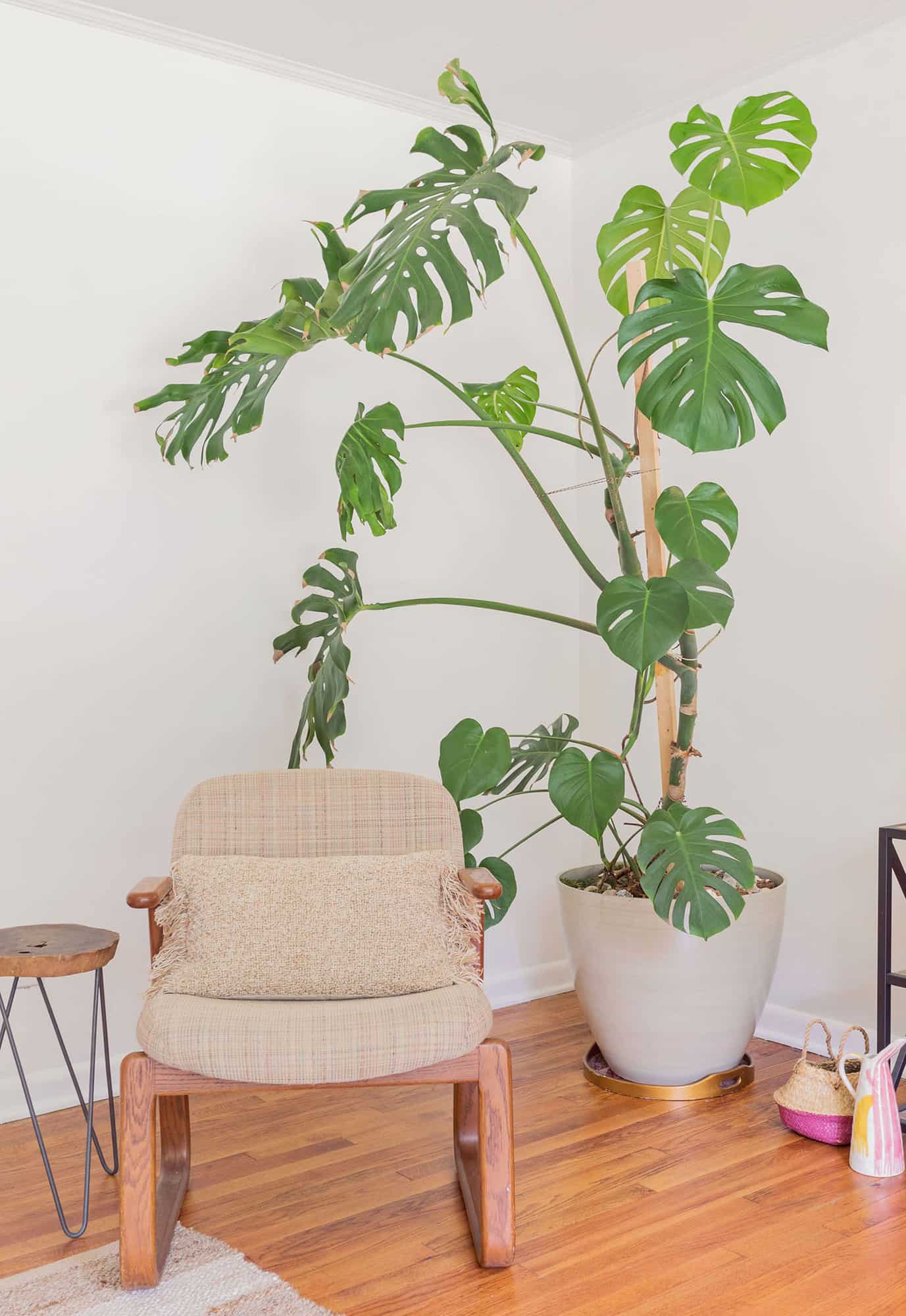
Ideal Location
Place your Monstera in a bright spot with indirect sunlight. Avoid direct sun to protect the leaves. Maintain a temperature between 65-85°F for optimal growth.
Finding the right spot for your Monstera is crucial. This plant thrives in specific conditions. Ensure your Monstera gets the right amount of light. Keep it in a room with stable temperature and humidity. Let’s dive into the details.Lighting Needs
Monstera plants love bright, indirect light. Direct sunlight can scorch their leaves. Place them near a window with filtered light. East or south-facing windows are ideal. Avoid placing them in dark corners. They need light to grow healthy and strong.Temperature And Humidity
Monstera plants prefer warm environments. Keep the temperature between 65-85°F. Avoid cold drafts and sudden temperature changes. These can stress the plant. They also love humidity. Aim for 60% humidity or higher. Mist the leaves regularly. Use a humidifier if needed. “`Watering Schedule
Caring for a Monstera plant involves proper watering. Watering is crucial to keep your plant healthy. Let’s explore how often to water and signs of overwatering to ensure your Monstera thrives.
How Often To Water
The frequency of watering your Monstera depends on several factors. These include the season, humidity, and the size of your pot. During the summer, you might need to water more often. In winter, less frequent watering is necessary.
A general rule of thumb: water your Monstera when the top inch of soil feels dry. You can use your finger to check the soil’s moisture level. If it feels dry, it’s time to water. If it feels damp, wait a few days and check again.
Here’s a simple watering schedule:
- Summer: Every 7-10 days
- Winter: Every 14-21 days
Signs Of Overwatering
Overwatering can harm your Monstera. Look for these signs:
| Sign | Description |
|---|---|
| Yellow Leaves | Leaves turn yellow and may drop off. |
| Root Rot | Roots become mushy and emit a foul smell. |
| Moldy Soil | White mold appears on the soil surface. |
If you notice any of these signs, reduce watering. Let the soil dry out before watering again. Ensure your pot has drainage holes to prevent water from sitting at the bottom.
Soil And Potting
Proper care for Monstera plants begins with understanding their soil and potting needs. These tropical plants thrive in specific conditions, which you can easily create with the right knowledge. Let’s delve into the best soil mix and how to choose the right pot for your Monstera.
Best Soil Mix
Monstera plants prefer a well-draining soil mix. A mix that holds moisture but doesn’t get waterlogged. Use a combination of potting soil, perlite, and orchid bark. Potting soil provides nutrients. Perlite improves drainage. Orchid bark adds aeration. This mix mimics their natural environment.
Avoid heavy clay soils. These can retain too much water. Over time, this can lead to root rot. Check the soil’s pH. Monstera plants prefer slightly acidic to neutral pH levels. Aim for a pH between 5.5 and 7.0. This ensures optimal nutrient absorption.
Choosing The Right Pot
The right pot is crucial for Monstera health. Choose a pot with drainage holes. This prevents water from sitting at the bottom. Standing water can cause root rot. Plastic, ceramic, and terracotta pots all work well. Each material has its pros and cons.
Plastic pots are lightweight and retain moisture. They are great for those who might forget to water regularly. Ceramic pots are heavier and offer more stability. Terracotta pots are porous and allow for better airflow. They help prevent overwatering. Select a pot that is slightly larger than the root ball. This gives the roots room to grow without being too large.
Repot your Monstera every 1-2 years. This ensures it has enough space and fresh soil. Signs that your plant needs repotting include roots growing out of drainage holes or soil that dries out too quickly.
Fertilizing Tips
Fertilizing your Monstera is essential for its health and growth. Proper nutrients ensure lush, vibrant leaves and strong roots. Follow these tips to keep your Monstera thriving.
When To Fertilize
Fertilize your Monstera during the growing season. This typically runs from spring to early fall. During these months, the plant is actively growing and needs more nutrients. Avoid fertilizing during winter. The plant’s growth slows, and it requires fewer nutrients.
Types Of Fertilizers
Use a balanced, water-soluble fertilizer for your Monstera. A 20-20-20 ratio works well. This means equal parts nitrogen, phosphorus, and potassium. Liquid fertilizers are easy to mix with water and apply. Organic options like compost or worm castings are also beneficial. They provide slow-release nutrients and improve soil health.

Pruning And Training
Pruning and training your Monstera plant is essential for its health and appearance. Regular pruning helps the plant focus its energy on new growth, while training supports its natural climbing habit. Learn effective techniques for pruning and training to keep your Monstera thriving.
Pruning Techniques
Pruning your Monstera encourages new growth and keeps the plant looking tidy. Start by identifying yellow or damaged leaves. Remove them with clean, sharp scissors. Cut close to the main stem but avoid damaging it.
To control the size of your Monstera, trim back healthy growth. Make cuts just above a leaf node. This encourages the plant to produce new stems. Prune during the growing season for best results. Avoid heavy pruning during winter.
Supporting Growth
Monstera plants are natural climbers. They need support to grow upright. Use stakes, trellises, or moss poles. Secure the main stem to the support with soft ties. Do not tie too tight, allowing space for growth.
Train the plant to climb by gently guiding the stems. Wrap aerial roots around the support. This helps the plant attach and grow upward. Regularly check and adjust ties as the plant grows. Proper support keeps your Monstera healthy and beautiful.
Dealing With Pests
To properly care for Monstera plants, inspect leaves regularly for pests like spider mites and aphids. Wipe leaves with a damp cloth to remove any pests. Ensure proper air circulation to prevent infestations.
Monstera plants are a favorite among indoor gardeners. Yet, like all plants, they can attract pests. Knowing how to deal with these pests is crucial. It keeps your Monstera healthy and vibrant.Common Pests
Spider mites are small but harmful. They suck the sap from leaves, causing them to yellow. Aphids are another pest to watch for. They gather on new growth, also sucking sap. Mealybugs are white and fluffy. They hide in leaf joints and undersides. Scale insects are tiny brown bumps. They stick to stems and leaves.Natural Pest Control
Neem oil is a great natural option. It repels many pests without harming the plant. Mix it with water and spray on the leaves. Another method is insecticidal soap. It kills pests on contact. Spray it thoroughly on affected areas. A gentle wipe with rubbing alcohol also works. Use a cotton swab to apply it directly on pests. Ladybugs are beneficial insects. They eat many common pests. Encouraging them in your garden can be helpful. Remember, regular checks on your Monstera are key. Early detection makes pest control easier. Keep your plant healthy and strong. “`
Propagation Methods
Monstera plants are popular for their unique, split leaves and easy care. To keep these plants thriving, you might want to propagate them. Propagation is a great way to create new plants from an existing one. There are two main methods: stem cuttings and air layering. Both methods are effective and have their own benefits.
Stem Cuttings
Stem cuttings are a simple and common way to propagate Monstera. Start by choosing a healthy stem with at least one node. The node is where the new roots will grow. Cut the stem just below the node using clean, sharp scissors.
Place the cutting in water, ensuring the node is submerged. Change the water every few days to keep it fresh. After a few weeks, roots will start to grow from the node. Once the roots are a few inches long, plant the cutting in soil. Keep the soil moist and place the new plant in a bright, indirect light.
Air Layering
Air layering is another effective way to propagate Monstera. This method involves creating a new plant while it is still attached to the parent plant. Start by choosing a healthy stem and making a small cut about one-third through the stem. Wrap the cut area with moist sphagnum moss.
Cover the moss with plastic wrap to keep it moist. Secure the wrap with twist ties or string. Over time, roots will grow into the moss. Once the roots are well established, cut the stem below the new root ball. Plant the new section in soil and care for it as you would a mature Monstera.
Seasonal Care
Seasonal care is vital for the health of your Monstera plant. Different seasons present unique challenges and opportunities for your plant’s growth. Understanding these changes can help you adjust care routines for optimal health.
Winter Care
Winter can be a tough season for your Monstera. The drop in temperature and light can stress the plant. Keep your Monstera away from cold drafts and heating vents. These extremes can harm your plant.
Monstera plants need less water in winter. Overwatering can lead to root rot. Check the soil before watering. It should be dry at least an inch deep. Reduce fertilization during winter. The plant’s growth slows down, so it needs fewer nutrients.
Provide as much light as possible. Place your Monstera near a south-facing window. Clean the leaves to help the plant absorb more light.
Summer Care
Summer offers great growing conditions for your Monstera. The increased light and warmth boost its growth. Water your Monstera more often. The soil dries out faster in the heat. Ensure the pot has proper drainage.
Fertilize your Monstera once a month. Use a balanced, water-soluble fertilizer. This supports its rapid growth.
Protect your Monstera from direct sunlight. Too much sun can scorch the leaves. Place it in a spot with bright, indirect light. Mist the leaves regularly. This increases humidity and keeps the plant happy.
Frequently Asked Questions
How Often Should I Water My Monstera?
Water your Monstera when the top inch of soil feels dry. Overwatering can lead to root rot. Ensure the pot has good drainage.
What Type Of Light Is Best For Monstera?
Monstera plants thrive in bright, indirect light. Avoid direct sunlight as it can scorch the leaves. Low light can slow growth.
How Do I Support A Growing Monstera?
Use a moss pole or stake to support your Monstera. This mimics their natural climbing habitat. Secure stems with plant ties.
Why Are My Monstera Leaves Turning Yellow?
Yellow leaves often indicate overwatering. Check the soil moisture and drainage. Also, ensure your plant receives adequate light.
Conclusion
Caring for your Monstera can be simple and enjoyable. Water it regularly, but avoid overwatering. Provide bright, indirect light for optimal growth. Clean the leaves to keep them healthy. Fertilize every few months to boost nutrients. Ensure good drainage to prevent root rot.
Watch out for pests and treat them promptly. With these tips, your Monstera will thrive and enhance your space. Happy gardening!
Leave a Reply