
Propagating Monstera is a rewarding task for plant lovers. It’s a way to grow new plants from your existing one.
Monstera plants, known for their striking leaves, are a favorite among indoor gardeners. Propagation is an easy and fun process. You don’t need to be an expert to get started. This guide will walk you through each step. You’ll learn how to create new plants from cuttings.
By following these steps, you can expand your Monstera collection. This method saves money and adds greenery to your home. Get ready to dive into the world of plant propagation. Let’s start growing new Monsteras together!
Introduction To Monstera Propagation
Learn how to propagate Monstera step by step with this easy guide. Discover the best methods to grow new plants. Enjoy watching your Monstera thrive and multiply.
Propagating Monstera is a rewarding experience for plant lovers. This process involves creating new plants from an existing Monstera. It is a simple and cost-effective way to expand your green collection. Even beginners can succeed with proper guidance. Propagation helps maintain the health of your Monstera. It also allows you to share beautiful plants with friends and family. Let’s explore the benefits and ideal conditions for Monstera propagation.Benefits Of Propagating Monstera
Propagating Monstera offers many advantages. First, it is a budget-friendly way to grow more plants. Instead of purchasing new plants, you can use cuttings from your own Monstera. Second, propagation helps control the size of your Monstera. Over time, these plants can become quite large. By cutting and propagating, you can manage their growth. Third, it allows you to observe the plant’s growth process closely. Watching roots form and new leaves sprout is a fascinating experience. It also provides an opportunity to learn more about plant care.Ideal Conditions For Propagation
To propagate Monstera successfully, certain conditions must be met. Temperature is crucial. Monstera thrives in warm environments. Aim for a temperature between 70°F to 75°F (21°C to 24°C). Light is another important factor. Ensure your Monstera receives indirect, bright light. Direct sunlight can harm the cuttings. A spot near a window with filtered light is ideal. Humidity plays a significant role too. High humidity promotes root growth. If needed, use a humidity tray or mist the cuttings regularly. Finally, proper soil is essential. Use a well-draining soil mix. This prevents waterlogging and promotes healthy root development. “`Necessary Tools And Materials
Propagating Monstera plants at home can be a rewarding experience. To ensure success, you’ll need the right tools and materials. This section will guide you through the essential items you’ll need.
Essential Gardening Tools
Having the right tools can make the propagation process smooth and efficient. Here’s a list of the essential gardening tools you will need:
- Sharp Pruning Shears: These are crucial for making clean cuts on your Monstera stem.
- Garden Gloves: Protect your hands from dirt and potential irritants.
- Clean Water: You’ll need it for rinsing tools and watering the plant.
Choosing The Right Medium
The medium you choose for your Monstera cuttings can impact their growth. Here are some options:
| Medium | Benefits |
|---|---|
| Water | Easy to monitor root growth and keeps the cutting hydrated. |
| Soil | Provides nutrients and a natural growing environment. |
| Sphagnum Moss | Retains moisture well and encourages root growth. |
Each medium has its own advantages. Choose the one that suits your needs best.
Preparing The Parent Plant
Propagating a Monstera plant can be an exciting and rewarding process. It all begins with preparing the parent plant. Ensuring the health of the parent plant sets the stage for successful propagation. Let’s delve into the steps you need to take to prepare your Monstera for propagation.
Selecting Healthy Cuttings
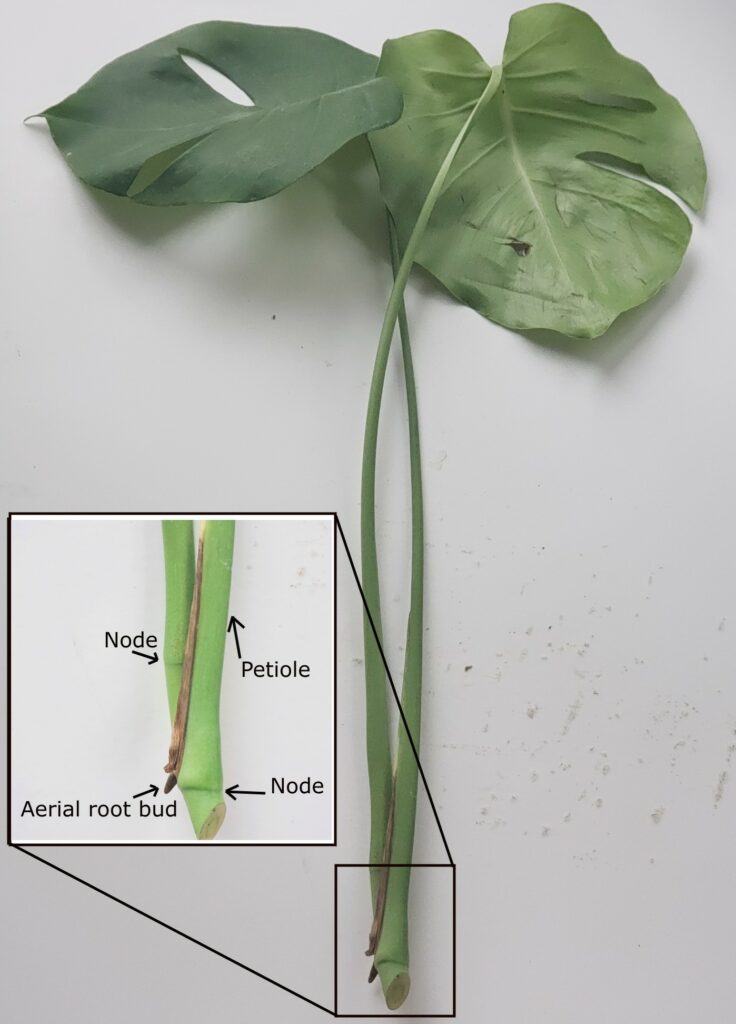
First, choose the right cuttings from your Monstera. Look for a section with at least one node. A node is a small bump or joint where leaves and aerial roots grow. Cuttings with nodes are essential for root development.
Ensure the cutting has a healthy appearance. Avoid any yellowing leaves or signs of disease. The stem should be green and firm. Healthy cuttings will increase your chances of successful propagation.
Sanitizing Tools
Sanitizing your tools is a crucial step. Clean tools prevent the spread of disease. Use a sharp knife or pruning shears. Dull tools can damage the plant.
Here is a simple process to sanitize your tools:
- Wipe the blade with rubbing alcohol or a disinfectant.
- Let it dry completely.
- Ensure there is no residue on the blade.
Using sanitized tools ensures the health of the parent plant and the new cuttings.

Making The Cut
Propagating a Monstera plant can be an exciting journey. A crucial part of this process is making the cut. This step ensures a healthy new plant. Let’s explore how to do it right.
Where To Cut
Knowing where to cut is vital. Look for a node. A node is a small bump on the stem. It is where leaves and roots grow. Make sure the node is healthy.
Here are some tips for finding the right spot:
- Find a stem with at least one node.
- Check for aerial roots near the node.
- Avoid cutting too close to the main plant.
Proper Cutting Techniques
Use the right tools for the job. A sharp, clean knife or scissors works best. This prevents damage and disease.
Follow these steps for a clean cut:
- Sanitize your tools with alcohol.
- Hold the stem steady.
- Make a clean cut below the node.
- Ensure the cut is at a 45-degree angle.
After making the cut, let the cuttings dry for a few hours. This helps to prevent rot.
Rooting The Cuttings
Propagating Monstera plants can be a fun and rewarding experience. Rooting the cuttings is a crucial step in this process. This section will guide you through two popular methods: Water Propagation Method and Soil Propagation Method.
Water Propagation Method
The water propagation method is simple and effective. Here’s how you can root Monstera cuttings using water:
- Take a clear glass jar or vase.
- Fill it with clean, room-temperature water.
- Place the Monstera cutting in the jar. Ensure the nodes are submerged.
- Place the jar in a bright spot. Avoid direct sunlight.
- Change the water every few days to keep it fresh.
- Wait for roots to develop. This usually takes 2-4 weeks.
Once the roots are around 2 inches long, the cutting is ready for planting in soil.
Soil Propagation Method
The soil propagation method is another excellent way to root Monstera cuttings. Follow these steps for successful soil propagation:
- Prepare a small pot with well-draining soil.
- Make a hole in the soil, deep enough for the cutting.
- Place the cutting in the hole. Ensure the nodes are buried.
- Gently firm the soil around the cutting.
- Water the soil lightly. Keep it moist but not soggy.
- Place the pot in a bright, indirect light spot.
- Monitor the cutting for root growth. This can take a few weeks.
Once roots are established, the Monstera cutting will begin to grow new leaves.

Caring For New Roots
Once you’ve successfully propagated your Monstera plant, the next crucial step is to care for the new roots. Proper care ensures that these tender roots grow strong and healthy. This section will guide you through the essentials of caring for new Monstera roots, focusing on optimal light and temperature, as well as watering and nutrients.
Optimal Light And Temperature
New roots need the right environment to thrive. Place your propagated Monstera in an area with bright, indirect light. Avoid direct sunlight, which can scorch the delicate roots. A north or east-facing window is ideal.
Temperature is equally important. Maintain a warm environment, ideally between 65°F and 75°F (18°C to 24°C). Keep the plant away from cold drafts and sudden temperature changes. Consistency in light and temperature will help the roots grow stronger.
Watering And Nutrients
Watering is a critical part of caring for new roots. Keep the soil moist but not waterlogged. Overwatering can lead to root rot, which is harmful to new roots. Check the soil moisture regularly. Use a finger or a moisture meter to ensure the top inch of soil is slightly dry before watering again.
New roots need nutrients to grow. Use a balanced, water-soluble fertilizer. Dilute it to half strength and apply once a month. This provides essential nutrients without overwhelming the young roots. Here’s a simple watering and fertilizing schedule:
| Activity | Frequency |
|---|---|
| Watering | Check soil moisture every 3-4 days |
| Fertilizing | Once a month |
By following these steps, you’ll ensure that your Monstera’s new roots grow healthy and robust, setting the foundation for a thriving plant.
Transplanting To Soil
Transplanting a Monstera cutting to soil is a crucial step. This step ensures the plant’s healthy growth. Proper timing and careful handling help the cutting thrive in its new environment. This guide will walk you through the transplanting process with ease.
When To Transplant
Transplant your Monstera cutting when roots are 2-3 inches long. This usually takes 4-6 weeks. The roots should be white and healthy. If the roots look brown or mushy, wait a bit longer. Healthy roots are key to successful transplanting.
Steps For Successful Transplanting
First, choose a pot with drainage holes. This prevents water from pooling. Fill the pot with fresh, well-draining soil. Gently remove the cutting from water. Handle the roots with care.
Next, create a hole in the soil. The hole should be deep enough for the roots. Place the cutting in the hole. Cover the roots with soil. Press the soil gently around the base. This helps the cutting stand upright.
Water the soil lightly. Keep the soil moist but not soggy. Place the pot in a bright, indirect light. Avoid direct sunlight. This can harm the young plant. Monitor the soil’s moisture level. Water only when the top inch is dry.
Transplanting your Monstera cutting to soil is a rewarding process. Follow these steps for a healthy, thriving plant.
Maintaining Your New Monstera Plant
Once you have successfully propagated your Monstera, it’s crucial to maintain it properly. This section will guide you through ongoing care tips, common problems, and solutions for your new Monstera plant.
Ongoing Care Tips
To ensure your Monstera thrives, follow these ongoing care tips:
- Light: Place your Monstera in bright, indirect light. Avoid direct sunlight.
- Watering: Water your plant when the top inch of soil is dry. Do not overwater.
- Humidity: Monstera plants love humidity. Mist the leaves regularly or use a humidifier.
- Fertilizing: Feed your plant with a balanced liquid fertilizer every month during the growing season.
- Pruning: Trim any yellow or damaged leaves to encourage new growth.
Common Problems And Solutions
Even with proper care, you might encounter some common problems. Here are solutions to help:
| Problem | Solution |
|---|---|
| Yellow Leaves | Check for overwatering. Allow the soil to dry out between waterings. |
| Brown Leaf Edges | Increase humidity around the plant. Mist the leaves or use a humidifier. |
| Pests | Inspect the plant regularly. Use insecticidal soap or neem oil to treat infestations. |
| Leggy Growth | Provide more light. Move the plant to a brighter location. |
Frequently Asked Questions
How Do You Propagate Monstera From Cuttings?
To propagate Monstera, cut a stem with a node. Place it in water or soil. Ensure it gets indirect sunlight. Roots will start forming in a few weeks.
Can You Propagate Monstera In Water?
Yes, you can propagate Monstera in water. Place the cutting in a jar of water. Change the water weekly. Roots will develop within weeks.
What Is The Best Time To Propagate Monstera?
The best time to propagate Monstera is during spring or summer. Warmer temperatures and longer daylight hours boost root growth.
How Long Does Monstera Propagation Take?
Monstera propagation generally takes about 4-6 weeks. This period allows the cutting to develop roots and start new growth.
Conclusion
Propagating Monstera plants can be fun and rewarding. Follow the steps carefully. Soon, you’ll have new, healthy plants to enjoy. Remember to use clean tools. Patience is key. Check water and light conditions regularly. Share your new plants with friends.
Enjoy watching your Monstera grow and thrive. Happy gardening!
Leave a Reply