Managing a Monstera plant is easier than you think. With the right care, it can thrive and become the star of your indoor garden.
Monstera plants are popular for their stunning, unique leaves. They can add a touch of the jungle to any room. But, like all plants, they need proper care to stay healthy. In this guide, we will explore the essentials of Monstera care.
You will learn how to water, prune, and repot your plant. We’ll also discuss common problems and how to solve them. By the end, you’ll have all the knowledge needed to keep your Monstera flourishing. Let’s dive into the world of Monstera care and make your plant journey enjoyable!
Introduction To Monstera Care
Monstera plants, with their striking leaves, are a favorite among plant lovers. These tropical beauties require specific care to thrive indoors. Understanding their needs can help you maintain a healthy Monstera. Let’s dive into the basics of Monstera care.
Importance Of Proper Care
Proper care ensures your Monstera grows strong and vibrant. Regular watering, the right light, and humidity are key. Neglect can lead to yellow leaves and stunted growth. Your Monstera will reward you with beautiful foliage if cared for correctly.
Common Monstera Varieties
There are several Monstera varieties to choose from. The most common is the Monstera deliciosa, known for its large, split leaves. Another popular variety is the Monstera adansonii, which has smaller, holey leaves. Both types add a tropical touch to any space.

Ideal Growing Conditions
Understanding the ideal growing conditions for a Monstera plant is essential. This will ensure your plant thrives and stays healthy. Below are important details about light, temperature, and humidity.
Light Requirements
Monsteras need bright, indirect light to flourish. Direct sunlight can scorch their leaves. Place them near a window with filtered light. North or east-facing windows are ideal. If using artificial light, ensure it mimics natural light.
Temperature And Humidity
Monsteras prefer warm temperatures. The optimal range is between 65°F to 85°F (18°C to 29°C). Avoid cold drafts and sudden temperature changes.
Humidity is also crucial. Monsteras thrive in high humidity. Aim for around 60% to 70% humidity. You can increase humidity by:
- Using a humidifier
- Misting the leaves regularly
- Placing the pot on a tray with water and pebbles
Below is a table summarizing the ideal conditions:
| Condition | Ideal Range |
|---|---|
| Light | Bright, indirect light |
| Temperature | 65°F to 85°F (18°C to 29°C) |
| Humidity | 60% to 70% |
Maintaining these conditions will help your Monstera grow strong and healthy.
Watering Techniques
Watering techniques are essential for the health of your Monstera plant. Proper watering ensures your plant thrives, with lush green leaves and strong roots. Let’s dive into the best practices for watering your Monstera.
Frequency Of Watering
Monstera plants prefer their soil to be consistently moist, but not soggy. Water your Monstera every 1-2 weeks. Check the top inch of soil before watering. If it feels dry, it’s time to water. Adjust the frequency based on the season. During warmer months, your plant may need more water.
Signs Of Overwatering And Underwatering
Overwatering and underwatering can harm your Monstera. Look for these signs to ensure proper care. Overwatering signs include yellowing leaves and a musty smell from the soil. The roots may also appear mushy. Underwatering signs include dry, crispy leaves and slow growth.
If you notice these signs, adjust your watering habits. Make sure your Monstera gets the right amount of water to stay healthy.

Soil And Potting Mix
Taking care of a Monstera plant involves understanding its soil and potting needs. The right soil mix can make your plant thrive. This section will guide you on the best soil types and offer repotting tips.
Best Soil Types
Monsteras prefer well-draining soil. A mix that holds moisture but drains well is ideal. Look for soil that contains peat moss, pine bark, and perlite. These ingredients help retain water and provide good drainage. Avoid heavy soils that stay soggy. They can cause root rot and harm your Monstera.
Repotting Tips
Repotting your Monstera every 1-2 years helps it grow. Choose a pot that is 2 inches larger in diameter than the current one. Make sure the new pot has drainage holes. Fill the bottom with a layer of fresh soil mix. Gently remove your Monstera from its old pot. Shake off excess soil and check the roots.
Trim any dead or damaged roots with clean scissors. Place the plant in the new pot. Fill around the roots with fresh soil mix. Press the soil down gently to remove air pockets. Water the plant thoroughly after repotting. This helps the roots settle into their new home.
Fertilizing Your Monstera
Monstera plants are known for their large, beautiful leaves. Proper fertilization helps them grow healthy and strong. Providing the right nutrients is key for vibrant foliage. Let’s explore how to fertilize your Monstera effectively.
Choosing The Right Fertilizer
Select a balanced, water-soluble fertilizer. A 20-20-20 or 10-10-10 ratio works well. Organic options like compost tea are also good. Look for fertilizers rich in nitrogen. It promotes leaf growth. Avoid fertilizers with high phosphorus content. It can harm the plant.
Feeding Schedule
Feed your Monstera once a month during spring and summer. Reduce feeding in fall and winter. During these seasons, the plant’s growth slows down. Always follow the instructions on the fertilizer package. Over-fertilizing can damage the roots. Dilute the fertilizer to half strength for safety.
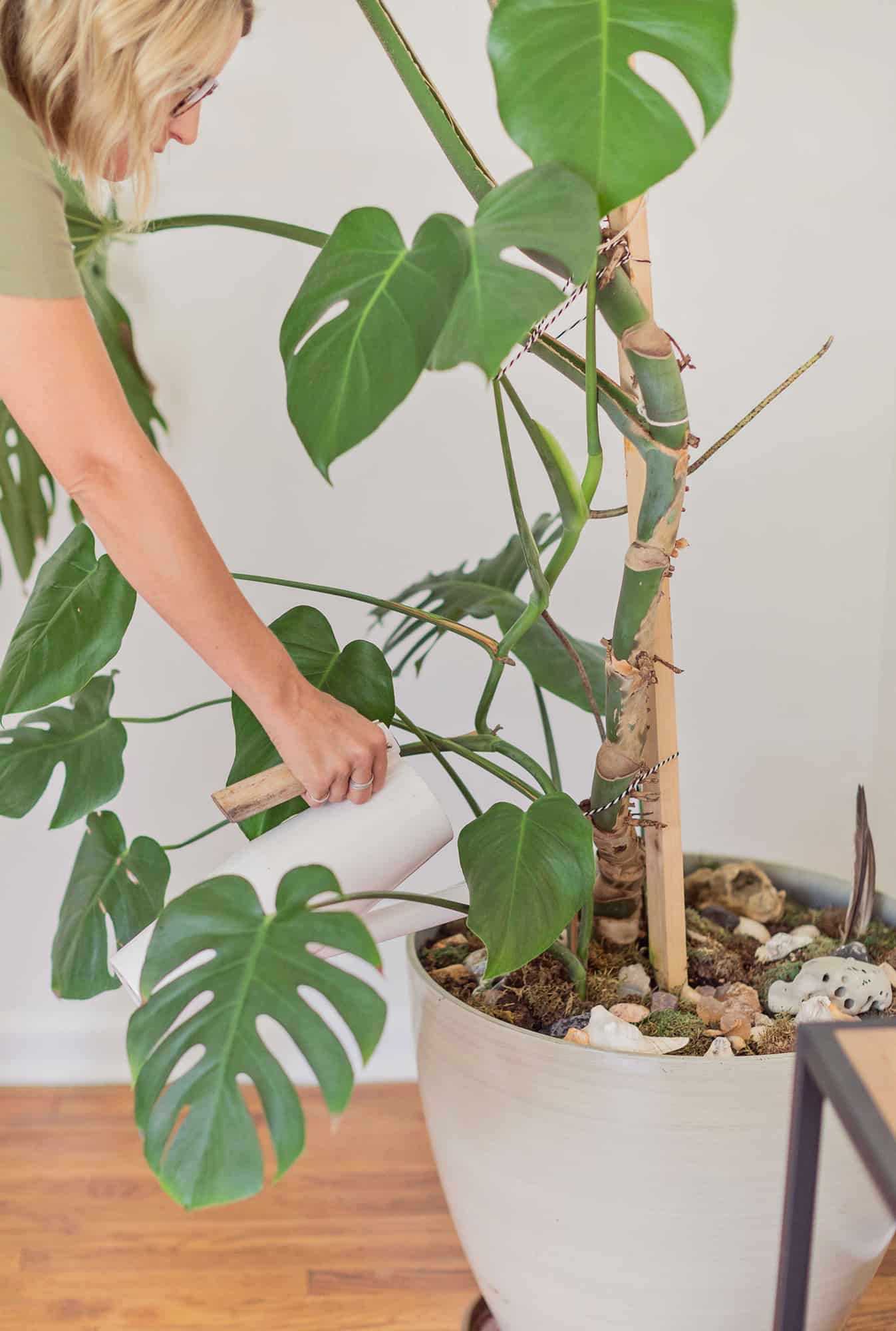
Pruning And Training
Pruning and training your Monstera plant are crucial for its health and appearance. Regular pruning helps control its size and encourages new growth. Training ensures your plant grows in a desired direction, making it a beautiful addition to your space.
Pruning Methods
Use clean, sharp scissors for pruning. Cut just above a node to encourage new growth. Remove yellow or damaged leaves to keep the plant healthy. Trim back long stems to maintain the plant’s shape. Prune regularly to prevent the plant from becoming too large.
Supporting Growth
Use stakes or a moss pole to support the plant. Tie the stems gently to the support. This helps the Monstera grow upwards and prevents it from sprawling. Rotate the plant occasionally to ensure even growth. Provide adequate light and water for optimal health.
Dealing With Pests And Diseases
Monstera plants are beautiful and can be a great addition to any home. But like all plants, they can be affected by pests and diseases. Understanding how to deal with these issues can keep your Monstera healthy and thriving.
Common Pests
Monstera plants can attract a variety of pests. Some of the most common pests include:
- Spider Mites: These tiny pests can cause yellow leaves and webbing on the plant.
- Mealybugs: Look for white, cotton-like masses on stems and leaves.
- Scale Insects: They appear as small, brown bumps on leaves and stems.
Regularly inspect your Monstera for these pests. Early detection can prevent severe infestations.
Disease Prevention And Treatment
Preventing diseases is easier than treating them. Follow these tips to keep your Monstera healthy:
- Proper Watering: Overwatering can cause root rot. Allow the soil to dry out between waterings.
- Good Air Circulation: Ensure your plant gets enough air. This helps prevent fungal infections.
- Clean Leaves: Dust and dirt can attract pests. Wipe leaves with a damp cloth regularly.
If your plant gets diseased, act quickly. Remove affected parts and treat with a suitable fungicide.
Keep your Monstera in optimal conditions to avoid future problems. A healthy plant is less likely to get sick.
Propagation Techniques
Monstera plants are popular for their unique leaves and easy care. Propagation is a great way to grow new plants from your existing Monstera. This section will cover two effective methods: stem cuttings and air layering.
Stem Cuttings
Stem cuttings are a simple and popular method for Monstera propagation. Follow these steps:
- Choose a healthy stem with at least one node.
- Use clean, sharp scissors to cut the stem below the node.
- Place the cutting in a glass of water, ensuring the node is submerged.
- Wait for roots to develop. This can take a few weeks.
- Once roots are 2-3 inches long, plant the cutting in soil.
Ensure the cutting receives indirect sunlight and keep the soil moist. This method is effective and easy for beginners.
Air Layering
Air layering is another method that works well for Monstera propagation. It involves creating a new plant while still attached to the parent plant. Here’s how:
- Choose a healthy stem and make a small cut or wound on it.
- Wrap moist sphagnum moss around the wounded area.
- Cover the moss with plastic wrap to retain moisture.
- Secure the plastic with ties or tape.
- Wait for roots to grow within the moss. This can take a few weeks.
- Once roots are visible, cut the stem below the new root ball and plant it in soil.
Air layering ensures a higher success rate for rooting. It is slightly more advanced but yields strong new plants.
Troubleshooting Common Issues
Monstera plants are popular for their stunning leaves and easy care. Yet, sometimes they face issues. Knowing how to troubleshoot can save your plant. Below, we explore some common problems and their solutions.
Yellowing Leaves
Yellowing leaves can be alarming. This issue often indicates improper watering. Too much water can lead to root rot. Not enough water can stress the plant.
Steps to fix yellowing leaves:
- Check the soil moisture with your finger. It should be slightly damp.
- Ensure the pot has good drainage to prevent waterlogging.
- Water the plant when the top inch of soil is dry.
- Inspect roots for rot. Trim any black or mushy roots.
Slow Growth
Monstera plants usually grow quickly. Slow growth can be frustrating. This issue may be due to low light, poor soil, or lack of nutrients.
Steps to boost growth:
- Place the plant in bright, indirect light.
- Use a well-draining potting mix.
- Fertilize monthly during the growing season with a balanced fertilizer.
- Ensure the plant is not root-bound. Repot if necessary.
Frequently Asked Questions
How Often Should I Water My Monstera?
Water your Monstera every 1-2 weeks, allowing the soil to dry out between waterings. Adjust frequency based on light and humidity.
What Type Of Light Does A Monstera Need?
Monstera plants thrive in bright, indirect light. Avoid direct sunlight, as it can scorch the leaves.
How Do I Know If My Monstera Needs Repotting?
Repot your Monstera when roots are visible through drainage holes or when the plant becomes root-bound.
Why Are My Monstera Leaves Turning Yellow?
Yellow leaves can indicate overwatering, underwatering, or poor drainage. Check soil moisture and adjust your watering routine accordingly.
Conclusion
Caring for a Monstera is simple and rewarding. Keep it in bright, indirect light. Water it when the top inch is dry. Provide humidity for those beautiful leaves. Prune as needed to control its size. Regularly check for pests. With these tips, your Monstera will thrive.
Enjoy your healthy, happy plant!
Leave a Reply