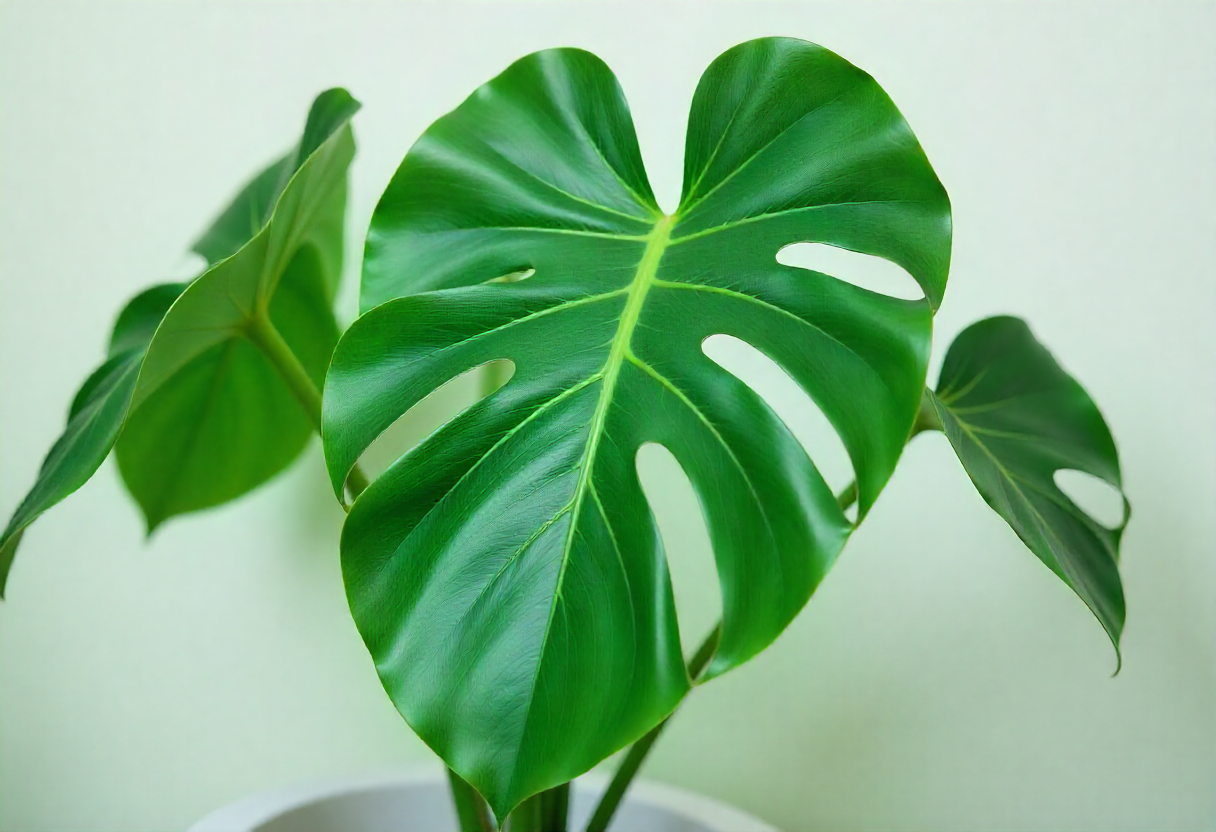
Monstera plants are popular for their unique, split leaves. Want to know how to make yours split?
It’s easier than you think. Monstera leaves naturally develop splits as they grow. These splits, or fenestrations, help the plant thrive in its native tropical environment. They allow more light to reach the lower leaves and help the plant withstand strong winds.
To encourage your Monstera to develop these beautiful splits, you need to replicate its natural conditions. This involves providing the right amount of light, humidity, and nutrients. With a bit of care and patience, your Monstera plant can produce those iconic split leaves that add a touch of the tropics to your home. Keep reading to discover the exact steps to achieve this.

Introduction To Monstera Splits
Monstera plants are popular for their large, attractive leaves. Many plant enthusiasts are drawn to the unique splits and holes in the leaves. These splits, often called fenestrations, add a touch of exotic beauty. But how do you make those beautiful splits appear? Let’s dive into the secrets of Monstera splits.
Importance Of Leaf Splits
Leaf splits help Monstera plants thrive in their natural habitat. They allow light to reach lower leaves. This is vital for photosynthesis. Splits also help the plant withstand strong winds. In the wild, this is crucial for survival. For indoor plants, splits make the leaves look more appealing. They add a decorative element to your home.
Brief On Monstera Plants
Monstera plants come from tropical forests in Central and South America. They are known for their lush, green foliage. Monstera deliciosa is the most common variety. It is often called the “Swiss Cheese Plant.” This name comes from the holes and splits in its leaves. Monsteras are climbers. They use aerial roots to attach to trees. This helps them reach sunlight. With proper care, Monstera plants can grow large and healthy indoors.
Ideal Growing Conditions
Monstera plants, known for their striking, split leaves, require specific growing conditions. Providing these ideal conditions ensures your Monstera thrives and develops those beautiful, iconic splits.
Optimal Light Requirements
Monstera plants love bright, indirect light. Place your plant near a window with filtered sunlight. Avoid direct sunlight, which can scorch the leaves. In low light, the leaves may not split as desired. Supplement with grow lights if needed to ensure adequate light levels.
Humidity And Temperature Needs
Monstera plants thrive in humid environments. Aim for humidity levels between 60% and 80%. Use a humidifier or place the plant on a pebble tray with water. Regular misting also helps maintain humidity.
Temperature is also crucial. Monstera prefers temperatures between 65°F and 85°F. Keep the plant away from cold drafts and extreme heat. Consistent temperatures promote healthy growth and leaf splitting.
Soil And Potting Essentials
Monstera plants are popular for their unique, split leaves. Healthy soil and the right pot are key to achieving this. Let’s explore the best soil mix and pot for your Monstera plant.
Best Soil Mix
Choosing the right soil mix is crucial for Monstera plants. These plants thrive in well-draining soil that retains some moisture. Here’s a simple mix:
- Peat moss: Helps retain moisture.
- Perlite: Ensures good drainage.
- Pine bark: Adds structure to the soil.
Mixing these components creates an ideal environment for your Monstera. Your plant will have the nutrients it needs while avoiding root rot.
Choosing The Right Pot
The pot you choose is just as important as the soil. Monstera plants need room to grow. Ensure your pot has the following features:
- Drainage holes: Prevents water from sitting at the bottom.
- Size: Allows roots to expand.
- Material: Clay pots are breathable, but plastic pots retain moisture.
A pot with proper drainage is essential. It helps prevent overwatering, which can harm your Monstera. A larger pot supports healthy root growth, leading to those beautiful split leaves.
| Feature | Importance |
|---|---|
| Drainage Holes | Prevents root rot |
| Size | Encourages root expansion |
| Material | Balances moisture levels |
By focusing on soil and potting essentials, you give your Monstera the best chance to thrive. Healthy soil and the right pot lead to healthy, split leaves.
Watering Techniques
Watering techniques play a crucial role in making Monstera leaves split. Proper watering ensures healthy growth and vibrant foliage. Let’s dive into the best watering practices to help your Monstera thrive.
Frequency Of Watering
Water your Monstera once a week. Check the top inch of soil for dryness. If it’s dry, it’s time to water. In cooler months, water less frequently. Monstera plants need less water during winter.
Signs Of Overwatering
Overwatering can harm your Monstera. Look for yellowing leaves. Soft, mushy stems also indicate overwatering. If you notice these signs, reduce watering. Ensure the pot has good drainage. This helps prevent waterlogging.
Fertilization Practices
Fertilizing your Monstera plant is crucial for healthy growth. Proper fertilization ensures that the leaves split beautifully. Let’s explore the best practices for fertilizing your Monstera.
Types Of Fertilizers
Different fertilizers cater to the needs of Monstera plants. Choose a balanced fertilizer with equal parts nitrogen, phosphorus, and potassium. These nutrients promote leaf and root growth.
Slow-release fertilizers are a good option. They provide nutrients over time. Liquid fertilizers are another choice. They are easy to use and quickly absorbed by the plant.
Application Schedule
Follow a consistent schedule for fertilizing. During the growing season, fertilize every four weeks. This period usually spans from spring to early autumn.
In winter, reduce the frequency. Fertilizing every eight weeks is sufficient. The plant’s growth slows down, needing fewer nutrients.
Always water the plant before applying fertilizer. This prevents root burn. Follow the instructions on the fertilizer package for the correct amount.
Pruning And Maintenance
Proper pruning and maintenance are essential to help your Monstera leaves split beautifully. Regular care ensures the plant remains healthy and promotes the development of those unique, iconic leaf splits. Let’s explore the best practices for pruning and maintaining your Monstera plant.
Proper Pruning Methods
Pruning helps the Monstera plant focus its energy on new growth. Here are some steps:
- Use clean, sharp scissors or pruning shears.
- Cut just above a node, where the leaf meets the stem.
- Remove yellow or damaged leaves to encourage new growth.
- Trim any leggy stems to maintain a compact shape.
Cleaning And Dusting Leaves
Dust can block sunlight and hinder photosynthesis. Clean leaves regularly:
- Use a soft, damp cloth to gently wipe the leaves.
- Support the leaf with one hand to avoid damage.
- Clean both sides of the leaf for best results.
- Dust every two weeks to keep leaves shiny and healthy.
Regular care and attention will help your Monstera thrive. Happy pruning!
Common Problems And Solutions
Monstera leaves are loved for their unique splits. Sometimes, they don’t split as expected. This can be due to several issues. Knowing the common problems and their solutions is key. It ensures your Monstera thrives and splits beautifully.
Pest Management
Pests can hinder leaf development. Spider mites, scale, and mealybugs are common culprits. They sap the plant’s energy, preventing leaf splits. Regularly check the leaves, stems, and soil for signs of pests. Use a gentle insecticidal soap to treat infestations. Ensure good airflow around the plant. This helps keep pests at bay.
Dealing With Yellow Leaves
Yellow leaves signal several problems. Overwatering is a common cause. Make sure the soil drains well. Let the top inch of soil dry out before watering again. Another issue could be lack of nutrients. Feed your Monstera with a balanced fertilizer monthly. Too much direct sunlight can also cause yellowing. Ensure your plant gets bright, indirect light. Adjust its position if needed.

Encouraging Leaf Splits
Monstera plants are loved for their beautiful, split leaves. These splits make the plant look unique and exotic. Encouraging these splits can be simple if you provide the right care. Here’s how you can help your Monstera leaves split beautifully.
Training And Support
Training and supporting your Monstera plant is important. A moss pole or trellis helps the plant climb. This support mimics the plant’s natural environment. As Monstera climbs, it produces more split leaves.
To train your Monstera:
- Place a moss pole in the pot.
- Gently tie the stems to the pole.
- Use soft ties to avoid damaging the plant.
Regularly check and adjust the ties. This ensures the plant stays supported as it grows.
Environmental Adjustments
Creating the right environment is key. Monstera needs specific conditions to thrive and produce split leaves. Here are some adjustments you can make:
| Factor | Optimal Condition |
|---|---|
| Light | Bright, indirect light |
| Humidity | 60% or higher |
| Temperature | 65-85°F (18-29°C) |
Light: Place your Monstera near a window with filtered light. Avoid direct sunlight to prevent leaf burn.
Humidity: Use a humidifier or mist the leaves regularly. High humidity encourages leaf splits.
Temperature: Keep the plant in a warm area. Avoid placing it near drafts or air conditioners.
Also, ensure the soil is well-draining and water the plant when the top inch of soil is dry. Proper watering helps maintain healthy growth, leading to more split leaves.
Advanced Care Tips
For those passionate about nurturing Monstera plants, understanding advanced care tips can make a difference. These tips help your plant thrive and develop those iconic splits in the leaves. Let’s dive into some advanced care techniques to keep your Monstera healthy and stunning.
Propagation Techniques
Propagating Monstera is simple and rewarding. Start by cutting a stem just below a node. Ensure the cutting has at least one leaf. Place the cutting in water or soil. Monitor for root growth, which usually appears in a few weeks. Once roots develop, transfer the cutting to a pot.
Keep the soil moist but not soaked. Regular misting helps too. New leaves will eventually split, giving you a new, healthy Monstera plant.
Seasonal Care Advice
Monstera plants need different care through the seasons. In spring and summer, they grow actively. Provide bright, indirect light and regular watering. Fertilize once a month to support growth.
In fall and winter, growth slows down. Reduce watering and stop fertilizing. Ensure the plant remains in a warm, humid environment. Monitor for pests and clean leaves regularly to maintain health.
These seasonal adjustments ensure your Monstera continues to flourish throughout the year.

Frequently Asked Questions
How Do You Make Monstera Leaves Split?
To make Monstera leaves split, provide bright, indirect light and maintain high humidity. Ensure consistent watering and use well-draining soil.
Why Are My Monstera Leaves Not Splitting?
Monstera leaves may not split due to insufficient light, low humidity, or poor watering practices. Ensure optimal growing conditions.
How Long Does It Take For Monstera Leaves To Split?
Monstera leaves typically split within a few months. This depends on the plant’s growing conditions and overall health.
Does Pruning Help Monstera Leaves Split?
Pruning can help by removing old or damaged leaves. This encourages new growth and helps the plant focus energy on healthy leaves.
Conclusion
Healthy Monstera leaves split with proper care. Ensure your plant gets enough light. Water it regularly but avoid waterlogging. Prune dead leaves and use a balanced fertilizer. Maintain good humidity levels. Regularly check for pests. Follow these tips and your Monstera will thrive.
Enjoy watching your plant grow and flourish. Happy gardening!
Leave a Reply