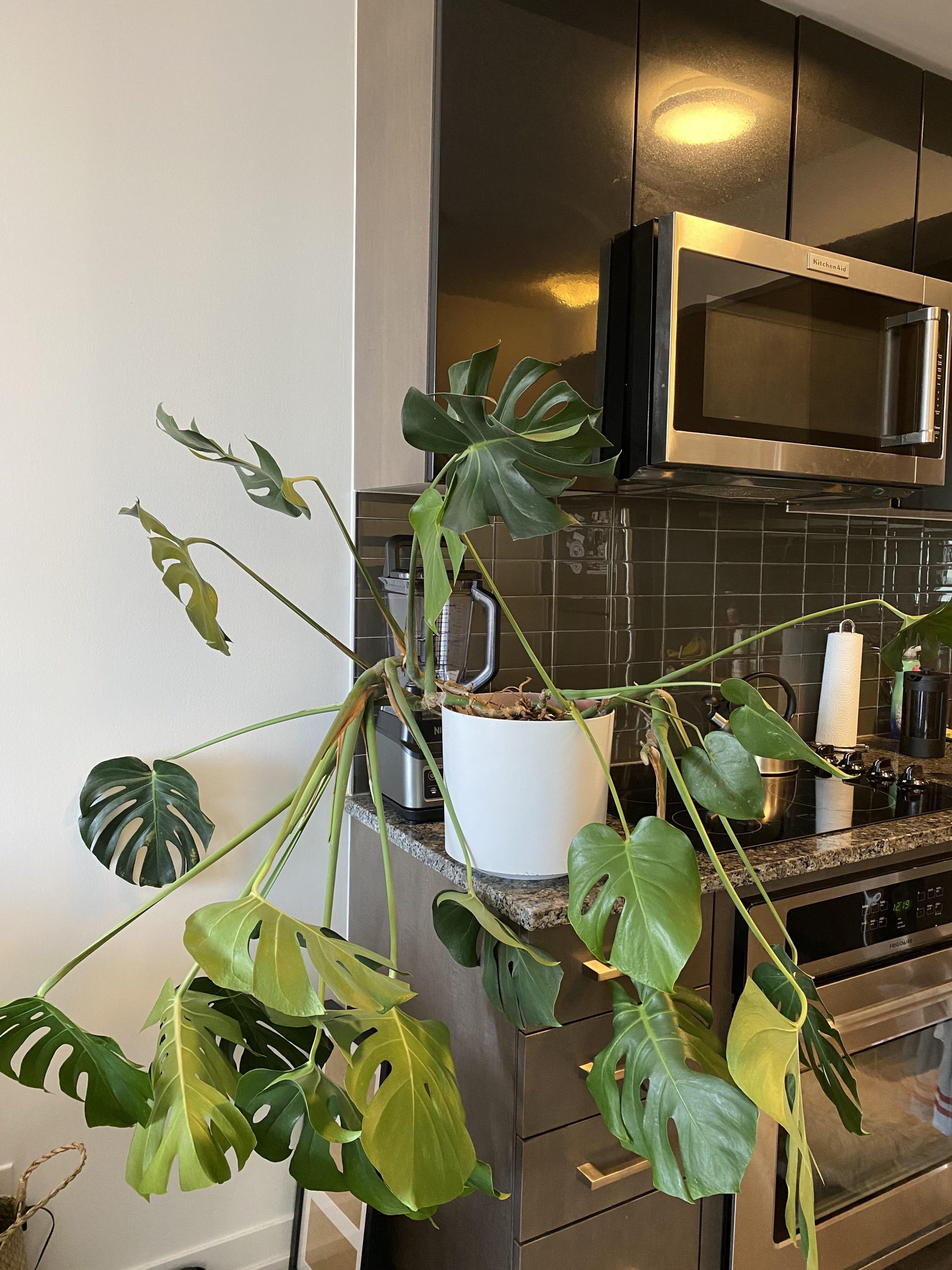
To make a Monstera plant grow upwards, you need to provide support and proper care. This includes using stakes, moss poles, or trellises and ensuring the plant gets the right light and water.
Monsteras are popular indoor plants known for their unique, split leaves. They can be a beautiful addition to any home, but many plant owners struggle to keep them growing upright. An upward-growing Monstera not only looks more attractive but also stays healthier.
In this blog post, we will explore simple and effective techniques to help your Monstera grow upwards. From choosing the right support to maintaining ideal conditions, we’ll cover everything you need to know. Get ready to transform your Monstera into a stunning, upright focal point in your home.
Choosing The Right Monstera Variety
Choosing the right Monstera variety is crucial for upward growth. Different varieties have unique characteristics that affect their growth patterns. Understanding these differences will help you select the best Monstera for your needs. Let’s explore some popular Monstera varieties and their growth patterns.
Popular Varieties
Monstera Deliciosa is the most well-known variety. It has large, split leaves and can grow quite tall. Monstera Adansonii, or Swiss Cheese Plant, has smaller leaves with holes. This variety is ideal for those who want a compact but climbing plant. Monstera Obliqua is rare and has very thin leaves with large holes. It’s a unique choice for collectors.
Growth Patterns
Monstera Deliciosa grows upwards by attaching to a support. It can reach heights of up to 10 feet indoors. Monstera Adansonii is a fast grower and climbs easily. It needs a moss pole or trellis to support its growth. Monstera Obliqua requires high humidity and consistent care. Its delicate leaves make it a more challenging variety to grow.

Preparing The Planting Area
Preparing the planting area for your Monstera is crucial for its growth. Ensuring the right conditions will help the plant grow upwards and thrive. Proper soil, adequate lighting, and a supportive environment are key. Let’s break down how to set up the perfect planting area.
Ideal Soil Conditions
Monstera plants need well-draining soil. A mix of peat, perlite, and pine bark works best. This combination keeps the soil aerated and prevents waterlogging. Waterlogged soil can cause root rot. So, good drainage is essential. The soil should be slightly acidic to neutral. Aim for a pH range of 5.5 to 7. Avoid heavy clay soils.
Lighting Requirements
Monstera plants thrive in bright, indirect light. Place your plant near a window with filtered sunlight. Direct sunlight can scorch the leaves. If natural light is limited, use a grow light. Ensure the plant gets at least 8 hours of light daily. Avoid placing the plant in dark corners. Proper lighting encourages upward growth and healthy leaves.
Using Support Structures
Monstera plants, with their lush and perforated leaves, are a favorite among plant enthusiasts. To ensure these plants grow upwards and remain healthy, using support structures is essential. This section will explore various types of support structures and how to install them properly.
Types Of Support
Choosing the right support structure can significantly impact the growth of your Monstera. Here are some common types:
| Type | Description |
|---|---|
| Moss Poles | Moss poles provide a natural texture for aerial roots to cling to. |
| Treillis | A trellis offers a grid-like structure for the plant to climb. |
| Stakes | Stakes offer simple and direct support for stems. |
| Coir Poles | Coir poles are made from coconut fibers and are eco-friendly. |
Proper Installation
Proper installation of support structures ensures your Monstera grows strong and upright. Follow these steps:
- Select the support: Choose a support structure based on your plant’s needs.
- Prepare the support: Ensure the support is clean and stable.
- Insert the support: Place the support in the pot, near the plant’s main stem.
- Attach the Monstera: Use soft ties to gently secure the plant to the support.
- Monitor and adjust: Regularly check and adjust the ties as the plant grows.
Using support structures not only helps your Monstera grow upwards but also mimics its natural environment, promoting healthier growth. Choose the right support and install it properly to enjoy a thriving Monstera in your home.

Pruning For Vertical Growth
Pruning for vertical growth is essential to ensure your Monstera plant grows upwards. Proper pruning helps the plant maintain a healthy structure and supports its upward growth. By cutting certain parts, you can direct the plant’s energy towards vertical growth.
When To Prune
Prune your Monstera during its active growth period. This usually falls in spring or early summer. Avoid pruning in winter, as the plant is dormant. Pruning during growth periods helps the plant recover faster and grow more vigorously.
Pruning Techniques
Start by identifying the stems and leaves that are growing outwards or downwards. Use clean, sharp scissors or pruning shears for a precise cut. Cut just above a leaf node, where new growth will emerge. Remove any damaged or yellowing leaves to promote healthy growth. Regularly check your plant and prune as needed to maintain its shape.
For fuller growth, you can also pinch off the tips of the stems. This encourages the plant to grow more branches, leading to a bushier appearance. Always disinfect your tools before and after pruning to prevent disease spread.
Watering And Fertilizing
Regular watering and fertilizing help Monstera grow upwards. Ensure the soil stays moist, but not soggy. Use a balanced fertilizer monthly for healthy growth.
Proper watering and fertilizing are crucial for your Monstera’s growth. These practices ensure your plant stays healthy and grows upwards. Let’s explore the best ways to water and fertilize your Monstera.Watering Schedule
Water your Monstera once the top inch of soil is dry. Use your finger to check the soil moisture. This helps prevent overwatering or underwatering. Overwatering can cause root rot. Underwatering can lead to wilting leaves. Aim to water your Monstera every 1-2 weeks. Adjust based on your home’s humidity and temperature. During winter, reduce watering as the plant’s growth slows down.Choosing Fertilizers
Choose a balanced liquid fertilizer for your Monstera. Look for a 20-20-20 formula. This means equal parts nitrogen, phosphorus, and potassium. These nutrients support healthy growth. Fertilize your Monstera every 4-6 weeks during spring and summer. In fall and winter, cut back on fertilizing. Too much fertilizer can harm your plant. Always follow the instructions on the fertilizer package. Dilute the fertilizer to half strength to avoid burning the roots. Apply the fertilizer when the soil is moist. “`Controlling Pests And Diseases
Controlling pests and diseases is crucial for the healthy growth of your Monstera plant. These issues can hinder its growth and cause severe damage if not addressed promptly. Below, we will explore common pests and how to prevent diseases to ensure your Monstera thrives.
Common Pests
Monstera plants can attract several common pests. Here are the most frequent culprits:
- Aphids: These tiny insects suck sap from the plant, weakening it.
- Spider Mites: These pests create webbing on the leaves and cause yellow spots.
- Mealybugs: They appear as white, cotton-like clusters on the plant.
- Scale: These pests attach to the stems and leaves, forming brown or black bumps.
Regular inspection is essential. Look for signs like sticky residue, yellowing leaves, or visible insects. Use insecticidal soap or neem oil for treatment.
Disease Prevention
Disease prevention is key for a healthy Monstera. Common diseases include:
- Root Rot: Caused by overwatering, leading to mushy roots.
- Leaf Spot: Fungal infection causing brown or black spots on leaves.
- Powdery Mildew: White, powdery substance on the leaf surface.
Follow these tips to prevent diseases:
- Ensure proper drainage to avoid waterlogging.
- Water the plant only when the topsoil is dry.
- Avoid splashing water on the leaves during watering.
- Maintain good air circulation around the plant.
- Use sterilized tools for pruning and repotting.
By keeping a close eye on your Monstera and addressing issues quickly, you can ensure it grows strong and upright.
Training The Plant
Training the Monstera plant to grow upwards can make your plant healthier and more attractive. This process involves guiding the plant and making sure it grows in the desired direction. Proper training will help your Monstera thrive and reach its full potential.
Tying And Guiding
Use soft ties to gently secure the Monstera stems to a support. Choose materials that will not damage the plant. Velcro plant ties or soft twine work well. Attach the stems to a moss pole, trellis, or stake.
Ensure the support structure is sturdy and can hold the plant as it grows. Place the support in the soil near the plant’s base. Guide the stems towards the support and tie them at intervals. This will encourage the Monstera to climb upwards.
Regular Adjustments
Check the plant regularly and adjust the ties as needed. As the Monstera grows, it will need new ties to support the new growth. Loose ties help the plant grow without causing damage.
Prune any leaves or stems that do not follow the desired direction. This will help the plant focus its energy on upward growth. Regular adjustments ensure the Monstera stays healthy and continues to grow upwards.
Monitoring Growth Progress
Ensuring your Monstera grows upwards requires careful monitoring. Knowing how your plant is progressing helps you make necessary adjustments. Let’s explore how to keep track of your Monstera’s growth.
Tracking Growth
Regularly check the height of your Monstera. Use a ruler or measuring tape. Record the growth weekly in a notebook or spreadsheet. This helps you spot growth patterns.
| Week | Height (inches) |
|---|---|
| 1 | 10 |
| 2 | 11 |
| 3 | 12 |
Documenting growth ensures you don’t miss slowdowns or spurts.
Adjusting Care Routine
If you notice slow growth, adjust your care routine. Ensure proper light. Monstera needs bright, indirect light. Too much shade stunts growth. Water correctly. Soil should be moist, not soggy. Overwatering leads to root rot. Check humidity levels. Monstera thrives in high humidity. Use a humidifier if needed.
- Bright, indirect light
- Moist, but not soggy soil
- High humidity
By tracking and adjusting care, you help your Monstera grow upwards healthily.

Frequently Asked Questions
How Can I Make My Monstera Grow Upwards?
To make your Monstera grow upwards, use a support stake or moss pole. Secure the plant to the pole with soft ties. Regularly rotate the plant towards the light source.
What Type Of Support Is Best For Monstera?
A moss pole or a sturdy stake works best for Monstera. These supports mimic their natural environment. They also help the plant’s aerial roots attach and climb.
How Often Should I Rotate My Monstera?
Rotate your Monstera once a week. This ensures even light distribution. It also helps the plant grow upright and uniformly.
Why Is My Monstera Not Growing Upwards?
Your Monstera may lack support or proper light. Ensure it has a support structure. Place it in a well-lit area, and rotate regularly.
Conclusion
To make your Monstera grow upwards, follow these simple steps. Provide proper support like a moss pole or trellis. Ensure your plant receives enough light but avoid direct sunlight. Water it regularly, but don’t let the soil become soggy. Pruning helps maintain its shape and encourages upward growth.
With these tips, your Monstera will thrive and grow beautifully. Enjoy watching your plant reach new heights! Happy gardening!
Leave a Reply