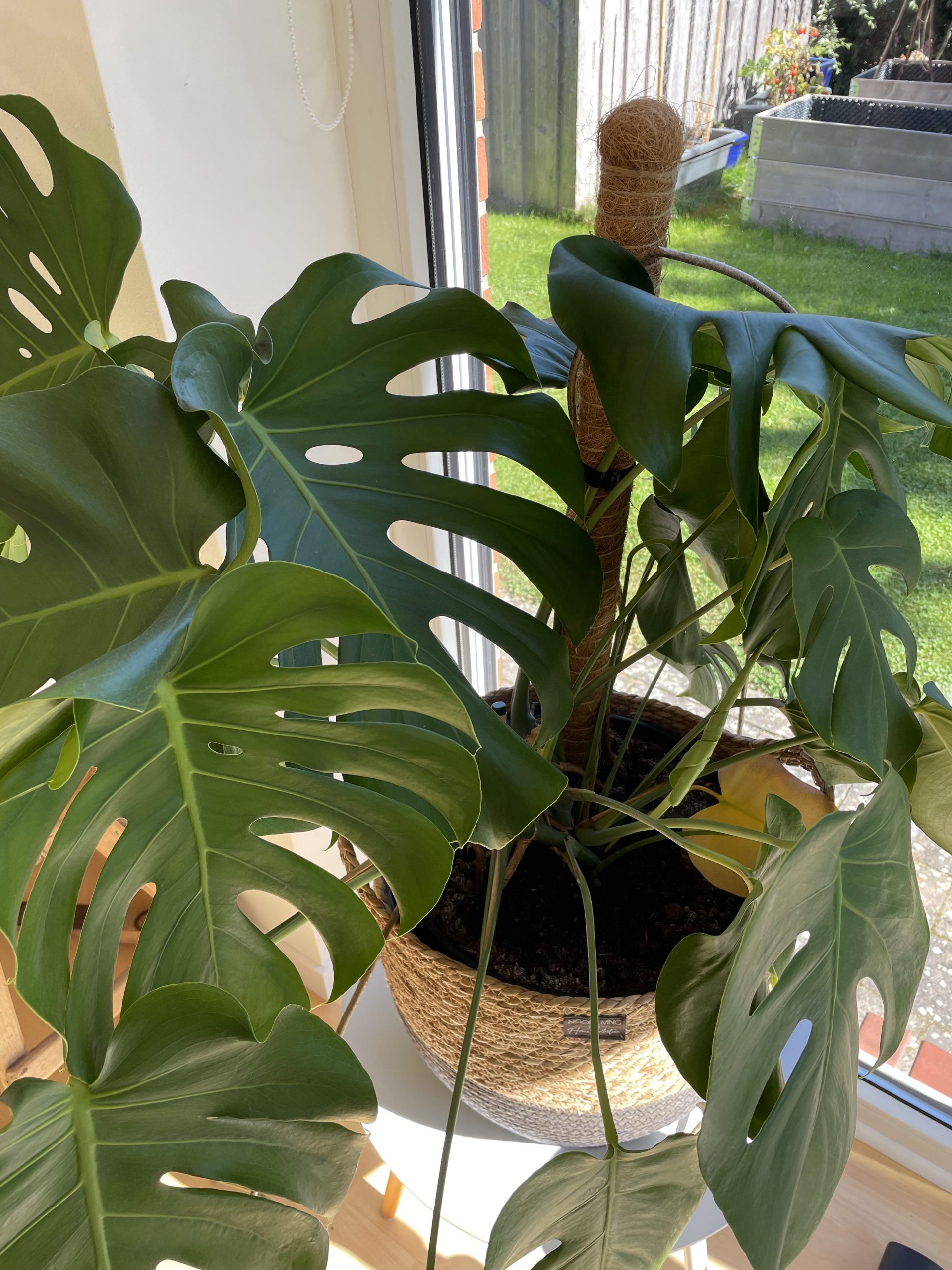
Want your Monstera to grow tall and impressive? You’re in the right place.
This guide will show you simple steps to help your plant reach new heights. Monstera plants, known for their unique, split leaves, can become the star of your indoor garden. But, achieving that tall, lush look takes some knowledge and care.
Knowing how to make your Monstera grow tall involves understanding its needs. Light, water, and support play crucial roles in this process. Each factor contributes to the plant’s growth and health. With the right tips, you can provide the best environment for your Monstera. Let’s dive in and explore how you can help your Monstera thrive and grow tall, making it a stunning addition to your home.
Choosing The Right Monstera Variety
Choosing the right Monstera variety is crucial for achieving the desired height. Not all Monstera varieties grow tall. Some are more compact and bushy. Knowing which variety to select can make a big difference in your plant’s growth. Let’s explore the popular varieties and the best ones for height.
Popular Varieties
Monstera plants come in various types. Here are some popular ones:
- Monstera Deliciosa: Known as the Swiss Cheese Plant, it has large, fenestrated leaves.
- Monstera Adansonii: Smaller leaves with more holes, often called the Swiss Cheese Vine.
- Monstera Obliqua: Rare and delicate, with thin leaves and large holes.
- Monstera Pinnatipartita: Features deeply lobed leaves, resembling a split leaf.
Best Varieties For Height
For those seeking height, certain Monstera varieties are more suitable:
| Variety | Max Height | Characteristics |
|---|---|---|
| Monstera Deliciosa | Up to 10 feet | Large leaves, strong climber |
| Monstera Borsigiana | Up to 15 feet | Similar to Deliciosa, but faster growth |
| Monstera Dubia | Up to 30 feet | Small leaves, great climber |
These varieties are known for their height potential. They grow taller with proper care and support.
Optimal Lighting Conditions
To make your Monstera grow tall, understanding its lighting needs is crucial. These popular plants thrive in specific light conditions. Let’s explore how you can provide the best lighting for your Monstera.
Natural Light Requirements
Monsteras love bright, indirect sunlight. Direct sunlight can scorch their leaves. Place your plant near a window with filtered light. East or north-facing windows are ideal. South or west-facing windows may need sheer curtains to diffuse the light.
| Window Direction | Light Type |
|---|---|
| East | Bright, indirect |
| North | Moderate, indirect |
| South | Bright, may need diffusion |
| West | Bright, may need diffusion |
Rotate your Monstera every few weeks. This ensures even light exposure. Uneven light can cause uneven growth. Keep the plant away from drafts or heaters.
Artificial Lighting Solutions
Natural light isn’t always enough. Artificial lighting can help. Use LED grow lights. These are energy-efficient and effective. Place the light 12-18 inches above the plant. Aim for 12-16 hours of light daily.
- LED grow lights
- Fluorescent lights
- Full-spectrum bulbs
LED grow lights are best. They mimic natural sunlight. Fluorescent lights can also work. Full-spectrum bulbs provide balanced light. Choose the option that fits your space and budget.
Monitor your plant’s response. Adjust light distance and duration as needed. Too much light can cause leaf burn. Too little light can stunt growth.
Soil And Potting Mix
To make your Monstera grow tall and strong, the soil and potting mix are crucial. The right mix ensures the plant gets the nutrients and support it needs. Let’s explore the ideal soil composition and how to choose the right pot for your Monstera.
Ideal Soil Composition
Monstera plants thrive in well-draining soil. The soil should be rich in organic matter. Use a mix of peat moss, pine bark, and perlite. This combination allows for good aeration and water retention. Avoid heavy, clay-like soils. They can lead to root rot.
A balanced pH level is also important. Aim for a pH between 5.5 and 7. Avoid overly acidic or alkaline soils. Regularly check the soil’s pH to keep it within the ideal range. This helps your Monstera absorb nutrients effectively.
Choosing The Right Pot
The right pot size supports healthy growth. Choose a pot with drainage holes. This prevents water from sitting at the bottom. Excess water can cause root rot. Ensure the pot is large enough for the roots to spread. A too-small pot restricts growth.
Consider the pot’s material. Terra cotta pots are breathable and help with moisture control. Plastic pots retain moisture longer, which can be good in dry environments. Choose a pot that matches your watering habits and climate.
Repot your Monstera every 1-2 years. This gives the roots more space and fresh soil. Always use a pot that is 2-4 inches larger in diameter than the previous one. This encourages healthy growth and prevents the roots from becoming pot-bound.

Watering Techniques
Proper watering techniques are crucial for helping your Monstera grow tall and healthy. In this section, we will cover the ideal frequency and amount of water your plant needs, as well as how to identify signs of overwatering and underwatering.
Frequency And Amount
Monstera plants thrive in moist, but not soggy, soil. To achieve this balance, water your Monstera when the top inch of soil feels dry to the touch.
Here is a simple guideline:
- During spring and summer, water your Monstera once a week.
- In fall and winter, reduce watering to once every two weeks.
Use a watering can to give your plant a thorough drink until water drains from the bottom of the pot.
Signs Of Overwatering And Underwatering
Monitoring your Monstera for signs of overwatering and underwatering is important. Here are some signs to look out for:
| Condition | Signs |
|---|---|
| Overwatering |
|
| Underwatering |
|
If you notice signs of overwatering, allow the soil to dry out before watering again. For underwatering, increase the frequency of watering slightly.
Feeding And Fertilization
Feeding and Fertilization are crucial for making your Monstera grow tall and healthy. Regular feeding supplies essential nutrients, helping the plant thrive. Proper fertilization can make a significant difference in growth and overall health.
Best Fertilizers For Monstera
Using the right fertilizer is key. Monstera plants prefer balanced fertilizers with equal parts nitrogen, phosphorus, and potassium. Look for a 20-20-20 or 10-10-10 mix. Organic options are also beneficial.
- Compost: Provides slow-release nutrients.
- Liquid Seaweed: Boosts growth and root health.
- Fish Emulsion: Rich in nitrogen, supports leafy growth.
Feeding Schedule
Follow a consistent feeding schedule to ensure your Monstera gets the nutrients it needs. Generally, feed your Monstera every four weeks during the growing season, from spring to early fall.
- Spring: Start with a half-strength fertilizer.
- Summer: Increase to full strength as growth peaks.
- Fall: Gradually reduce feeding.
- Winter: Stop feeding; the plant rests.
Over-fertilization can harm your Monstera. Always follow the package instructions and watch for signs of nutrient burn, like brown leaf edges.
Pruning And Training
Pruning and training are essential to help your Monstera grow tall. These techniques not only promote healthy growth but also shape the plant. Let’s delve into the methods that can aid in your Monstera’s vertical journey.
Pruning Methods
Pruning helps in removing dead or unwanted parts of the plant. It promotes new growth and keeps your Monstera looking neat.
- Use clean, sharp scissors.
- Cut just above the node.
- Remove yellow or damaged leaves.
- Trim long aerial roots.
Regular pruning encourages the plant to direct energy to new shoots. This helps in vertical growth.
Using Stakes And Trellises
Supporting your Monstera with stakes or trellises can make it grow tall and strong. These supports give the plant something to cling to as it climbs.
| Support Type | Advantages |
|---|---|
| Stakes | Easy to install and adjust. Provide immediate support. |
| Trellises | Offer more surface area for the plant to climb. Can be decorative. |
Use ties or plant clips to gently secure the stems to the stakes or trellises. This helps in guiding the plant upward.
Stakes and trellises not only support growth but also prevent the plant from toppling over. This ensures a straight and tall Monstera.
Pest And Disease Management
Keeping your Monstera plant healthy involves managing pests and diseases effectively. Healthy plants grow tall and thrive better. Pests and diseases can hinder growth and damage your plant. Understanding common pests and taking preventative measures helps maintain your Monstera’s health.
Common Pests
Monstera plants can attract various pests. Spider mites are tiny and hard to spot. They cause yellowing leaves and webbing. Mealybugs leave white, cottony residue on stems and leaves. Aphids are small, green insects that suck plant sap. Scale insects look like small, brown bumps on the plant. They weaken the plant by feeding on its sap.
Preventative Measures
Regularly inspect your Monstera for signs of pests. Early detection helps control infestations. Wipe leaves with a damp cloth to remove dust and pests. Ensure proper air circulation around the plant. Avoid overwatering, as it attracts pests and causes root rot. Use neem oil or insecticidal soap to treat minor infestations.
Quarantine new plants before introducing them to your collection. This prevents spreading pests. Keep your Monstera in a clean environment. Remove dead leaves and debris from around the plant. Healthy plants resist pests better, so provide proper care and nutrition.
Environmental Factors
Environmental factors play a crucial role in helping your Monstera grow tall and strong. By creating the right conditions, you can ensure your plant thrives and reaches impressive heights. Let’s explore two key environmental factors: humidity levels and temperature considerations.
Humidity Levels
Monstera plants prefer a humid environment. Aim for humidity levels between 60-80%. Dry air can cause the leaves to curl or brown. Use a humidifier or place a tray of water near the plant. Grouping plants together can also increase humidity.
Temperature Considerations
Monstera grows best in temperatures between 65-85°F (18-29°C). Avoid placing the plant near cold drafts or heating vents. Sudden temperature changes can stress the plant. Keep your Monstera in a stable environment for optimal growth.

Frequently Asked Questions
How Do I Make My Monstera Grow Taller?
To make your Monstera grow taller, provide it with bright, indirect light. Ensure proper watering and use a well-draining soil mix. Regularly feed it with a balanced fertilizer and support it with a moss pole or stake.
Can Monstera Grow Tall Indoors?
Yes, Monstera can grow tall indoors. Provide adequate light, water, and support. Ensure proper humidity levels and regular fertilization to promote growth.
What Light Is Best For Tall Monstera Growth?
Bright, indirect light is best for tall Monstera growth. Avoid direct sunlight, as it can scorch the leaves. Supplement with grow lights if needed.
How Often Should I Water Monstera?
Water your Monstera when the top inch of soil is dry. Overwatering can lead to root rot. Ensure the pot has drainage holes.
Conclusion
Growing a tall Monstera is simple with the right care. Provide enough light, water, and support. Regular pruning helps it thrive. Be patient and consistent with your efforts. Soon, your Monstera will reach impressive heights. Follow these tips to enjoy a lush, tall Monstera in your home.
Happy growing!
Leave a Reply