Keeping a Monstera healthy is essential for its growth. A thriving plant brightens any space.
The Monstera, known for its large, unique leaves, is a popular houseplant. Its beauty and ease of care make it a favorite among plant lovers. But like any plant, it has specific needs. Understanding these needs ensures your Monstera stays vibrant and healthy.
Proper light, water, and care are key. Whether you’re a new plant parent or have a green thumb, knowing how to care for your Monstera is vital. This guide will cover all the essential tips and tricks. Let’s dive in to keep your Monstera flourishing.
Choosing The Right Environment
Ensuring a healthy Monstera starts with providing the ideal environment. These tropical plants thrive with the right light, temperature, and humidity. Let’s dive into how you can create the perfect setting for your Monstera to flourish.
Optimal Light Conditions
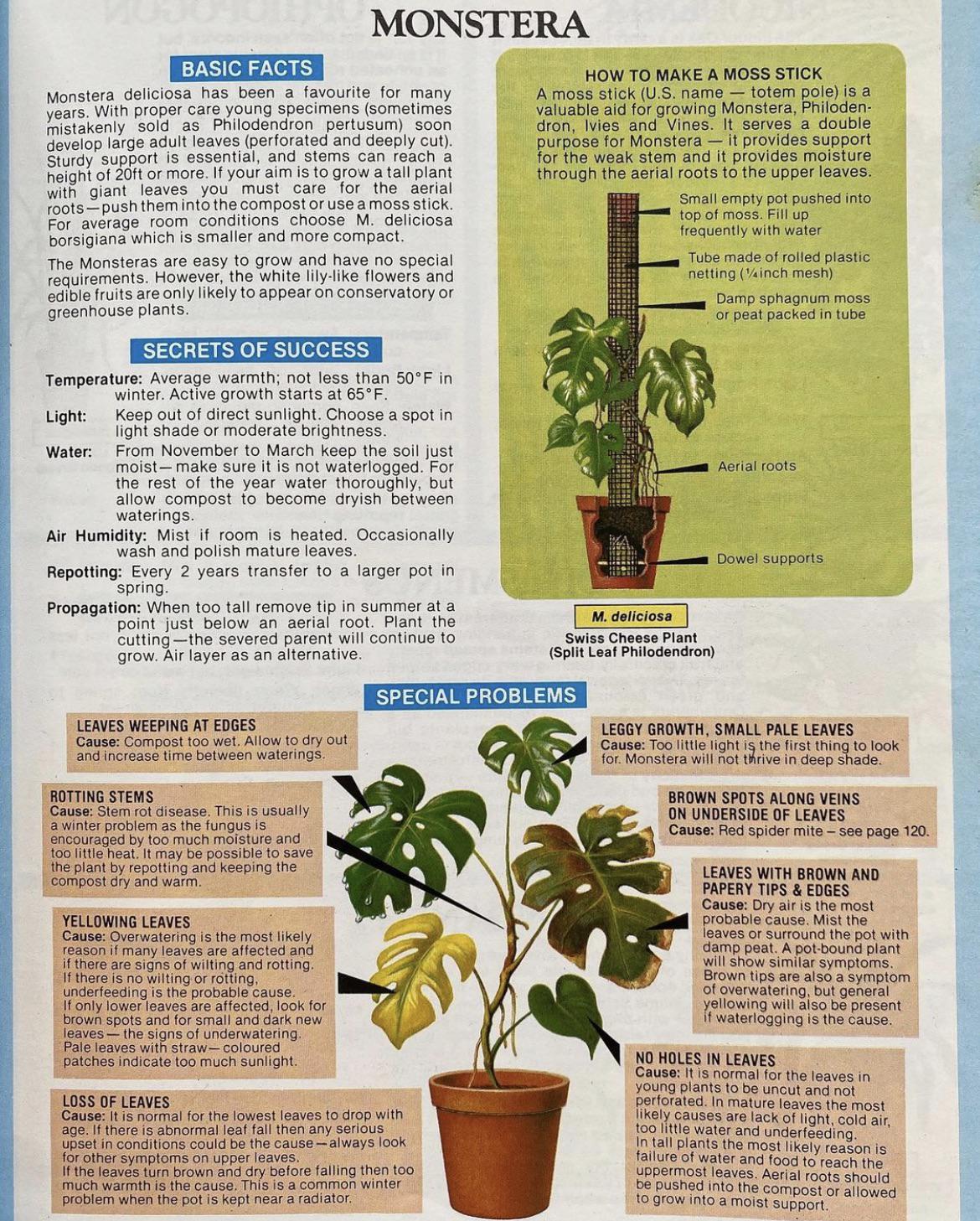
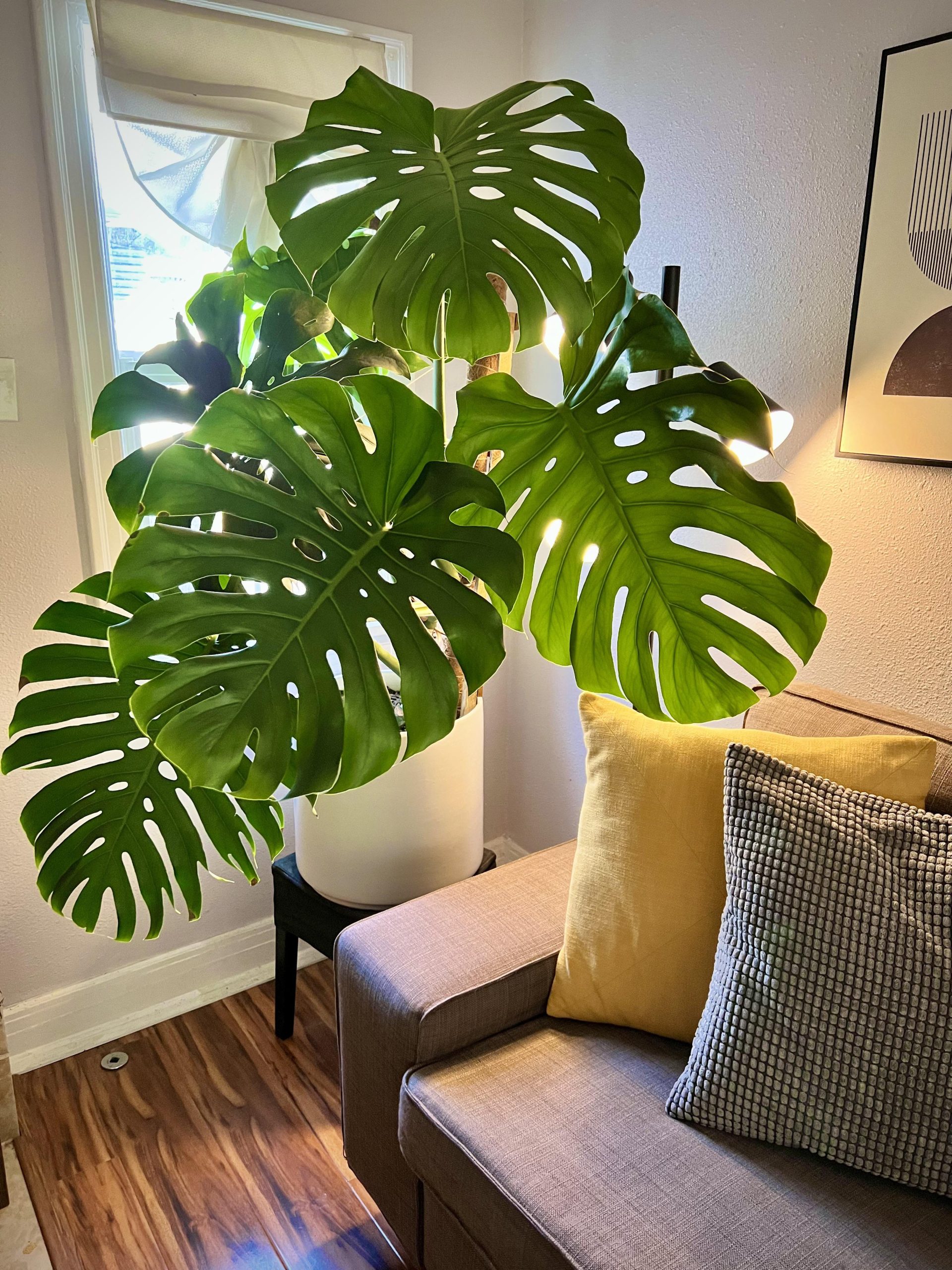
Monsteras need bright, indirect light. Direct sunlight can scorch their leaves. Place your Monstera near a north or east-facing window. If your home lacks natural light, consider using grow lights. Avoid placing your Monstera in dark corners as it will stunt its growth.
Ideal Temperature Range
Monsteras prefer a warm, humid environment. The ideal temperature range is between 65°F and 85°F (18°C to 29°C). Avoid placing your Monstera near drafts or sudden temperature changes. Keep it away from heating vents or air conditioners.
| Condition | Requirement |
|---|---|
| Light | Bright, indirect light |
| Temperature | 65°F to 85°F (18°C to 29°C) |
| Humidity | 60% or higher |
Maintaining the right environment ensures your Monstera remains healthy and vibrant. Pay attention to these key factors, and your plant will thrive.

Watering Techniques
Keeping your Monstera healthy requires proper watering techniques. Correct watering can make a big difference. Let’s dive into how to water your Monstera effectively.
Proper Water Frequency
Monstera plants need water, but not too much. Aim to water your Monstera once a week. Check the soil before watering. If the top inch is dry, it is time to water. Use room temperature water for best results.
Avoiding Overwatering
Overwatering can harm your Monstera. It leads to root rot. To avoid overwatering, let the soil dry out between watering sessions. Ensure the pot has drainage holes. This helps excess water escape.
Soil And Potting Mix
Maintaining a healthy Monstera plant involves understanding its soil and potting mix needs. The right soil and pot ensure that your Monstera thrives. Soil and potting mix play a vital role in providing nutrients and proper drainage.
Best Soil Types
Monstera plants prefer well-draining soil. A good mix includes peat moss, pine bark, and perlite. This combination ensures the soil remains airy and prevents root rot. Another option is using cactus or succulent soil. These soils drain well and are perfect for Monstera.
Avoid heavy or dense soils. They retain too much water and can suffocate the roots. Check the soil’s pH level. Monstera prefers slightly acidic to neutral pH, ranging from 5.5 to 7.
Choosing The Right Pot
Picking the right pot is crucial for your Monstera’s health. Use a pot with drainage holes. This prevents water from accumulating and causing root rot. Terracotta pots are a great choice. They allow the soil to breathe and prevent overwatering.
Ensure the pot is the right size. A pot that is too large can lead to excessive moisture. A small pot can restrict root growth. As a rule, choose a pot that is 2 inches larger than the current root ball.
Here’s a quick table for the best soil and pot options:
| Soil Type | Pot Type |
|---|---|
| Peat Moss, Pine Bark, Perlite | Terracotta Pot |
| Cactus or Succulent Soil | Plastic Pot with Drainage Holes |
By selecting the right soil and pot, you set your Monstera up for success. Happy growing!
Fertilization Tips
Keeping your Monstera healthy requires proper fertilization. This helps the plant grow strong and vibrant. The right fertilization routine can make a big difference in your Monstera’s health. Here are some tips to help you get started.
When To Fertilize
Fertilize your Monstera during its active growing season. This is usually from spring to early fall.
During winter, your Monstera enters a dormant stage. Reduce fertilization during this period to avoid overfeeding.
Follow this schedule for best results:
| Season | Frequency |
|---|---|
| Spring | Every 2-4 weeks |
| Summer | Every 2-4 weeks |
| Fall | Every 4-6 weeks |
| Winter | Once or not at all |
Types Of Fertilizers
Choosing the right fertilizer is crucial for your Monstera’s health. There are several types to consider:
- Liquid Fertilizers: Easy to apply and quickly absorbed. Dilute according to package instructions.
- Granular Fertilizers: Slow-release and provide nutrients over time. Sprinkle on the soil surface and water thoroughly.
- Organic Fertilizers: Made from natural sources. They improve soil health and provide a steady nutrient supply.
Always use a balanced fertilizer with equal parts nitrogen, phosphorus, and potassium. Look for a 20-20-20 or 10-10-10 ratio.
Remember to follow the manufacturer’s instructions for application rates. Over-fertilizing can harm your Monstera.
Pruning And Trimming
Pruning and trimming are vital tasks for keeping your Monstera plant healthy and thriving. These practices help control the plant’s size, encourage new growth, and remove any damaged or diseased leaves. By learning how to properly prune and trim your Monstera, you can ensure it remains vibrant and robust.
When To Prune
Knowing when to prune your Monstera is crucial. The best time to prune is during the growing season, typically spring and summer. This is when the plant is most active, allowing it to recover quickly. Avoid pruning in winter, as the plant’s growth slows down, making it harder to heal from cuts.
Tools For Pruning
Using the right tools for pruning ensures clean cuts and minimal damage to your Monstera. Here’s a list of essential tools:
- Pruning shears: Ideal for cutting thicker stems.
- Scissors: Useful for trimming smaller leaves and stems.
- Gloves: Protect your hands from potential irritants.
- Disinfectant: Clean tools before and after use to prevent disease spread.
Remember, always make your cuts at a 45-degree angle. This technique promotes quicker healing and reduces the risk of infection.
Pest And Disease Control
Keeping your Monstera healthy requires vigilance against pests and diseases. These intruders can damage your plant and hinder its growth. Understanding common pests and applying natural remedies can keep your Monstera thriving.
Common Pests
Monstera plants are prone to several common pests. Here are a few you might encounter:
- Spider Mites: Tiny, red or black insects that form webs on leaves.
- Mealybugs: White, cotton-like masses on stems and leaves.
- Scale Insects: Small, brown or black bumps on stems and leaves.
- Aphids: Green, yellow, or black insects that cluster on new growth.
Natural Remedies
Using natural remedies can effectively control pests on your Monstera. Here are some methods to consider:
- Neem Oil: Mix 2 teaspoons of neem oil with water. Spray it on affected areas.
- Soap Solution: Mix 2 teaspoons of mild liquid soap with water. Spray it on the leaves.
- Alcohol Swabs: Use a cotton swab dipped in rubbing alcohol. Dab it on visible pests.
- Garlic Spray: Blend a few garlic cloves with water. Strain and spray it on the plant.
Regularly inspect your Monstera for pests. Early detection ensures easier management. Employing these natural remedies can help keep your plant pest-free.
Humidity And Airflow
Keeping your Monstera healthy involves more than just watering it. Two critical factors are humidity and airflow. These elements ensure your plant thrives and grows big, beautiful leaves.
Maintaining Proper Humidity
Monsteras are native to tropical regions. They flourish in environments with high humidity. Aim for humidity levels between 60% to 80%. Here are some tips:
- Use a humidifier to maintain the ideal humidity.
- Place a water tray near the plant. Ensure it has pebbles and water.
- Mist the leaves every few days using a spray bottle.
Ensuring Adequate Airflow
Good airflow is essential for your Monstera’s health. It prevents fungal diseases and keeps the plant happy. Here’s how to ensure adequate airflow:
- Avoid placing the plant in stagnant corners with no air movement.
- Use a fan to circulate air around the plant. This helps in keeping the air fresh.
- Ensure there’s enough space between the plant and the walls.
By maintaining proper humidity and ensuring adequate airflow, your Monstera will thrive. Keep these tips in mind to watch your plant grow strong and beautiful.
Repotting Your Monstera
Repotting your Monstera is essential for its health. It gives the plant more room to grow and access to fresh soil and nutrients. Regular repotting ensures your Monstera continues to thrive.
Signs It’s Time To Repot
Knowing when to repot is crucial. Here are some clear signs:
- Roots are growing out of the drainage holes.
- Soil dries out quickly after watering.
- Plant looks too large for its pot.
- Stunted growth or yellowing leaves.
Steps For Repotting
Follow these steps to repot your Monstera:
- Choose a new pot: Select a pot 2-3 inches larger than the current one.
- Prepare the pot: Add a layer of fresh potting mix at the bottom.
- Remove the plant: Gently take the Monstera out of its current pot. Be careful with the roots.
- Loosen the roots: Gently loosen the roots to encourage growth in the new soil.
- Place in new pot: Position the Monstera in the new pot. Ensure it is centered.
- Add soil: Fill around the plant with fresh potting mix. Press the soil down lightly.
- Water thoroughly: Give the plant a good drink of water. Ensure the soil is moist but not soggy.
Repotting your Monstera is a simple process that can significantly benefit its health. Look out for the signs and follow these steps to keep your plant thriving.
Frequently Asked Questions
How Often Should I Water My Monstera?
Water your Monstera when the top 2-3 inches of soil are dry. Overwatering can cause root rot. Ensure the pot has drainage holes to prevent excess water from sitting at the bottom.
What Kind Of Light Does A Monstera Need?
Monstera plants thrive in bright, indirect light. Avoid direct sunlight as it can scorch the leaves. They can also adapt to low light conditions, but growth may slow down.
Why Are My Monstera’s Leaves Turning Yellow?
Yellow leaves on a Monstera can indicate overwatering, underwatering, or lack of nutrients. Check the soil moisture and adjust watering habits. Ensure the plant gets enough light and consider feeding it with a balanced fertilizer.
How Can I Support My Monstera’s Growth?
Monstera plants often need support as they grow. Use a moss pole, trellis, or stake to help the plant climb. Regularly tie the stems to the support structure to encourage upward growth.
Conclusion
Caring for your Monstera is simple with the right steps. Keep it in bright, indirect light. Water it when the top soil feels dry. Use well-draining soil and a pot with drainage holes. Wipe the leaves to remove dust. Fertilize monthly during growing season.
Prune to control its size and shape. Watch for pests and treat promptly. With these tips, your Monstera will thrive. Enjoy your healthy, beautiful plant!
Leave a Reply