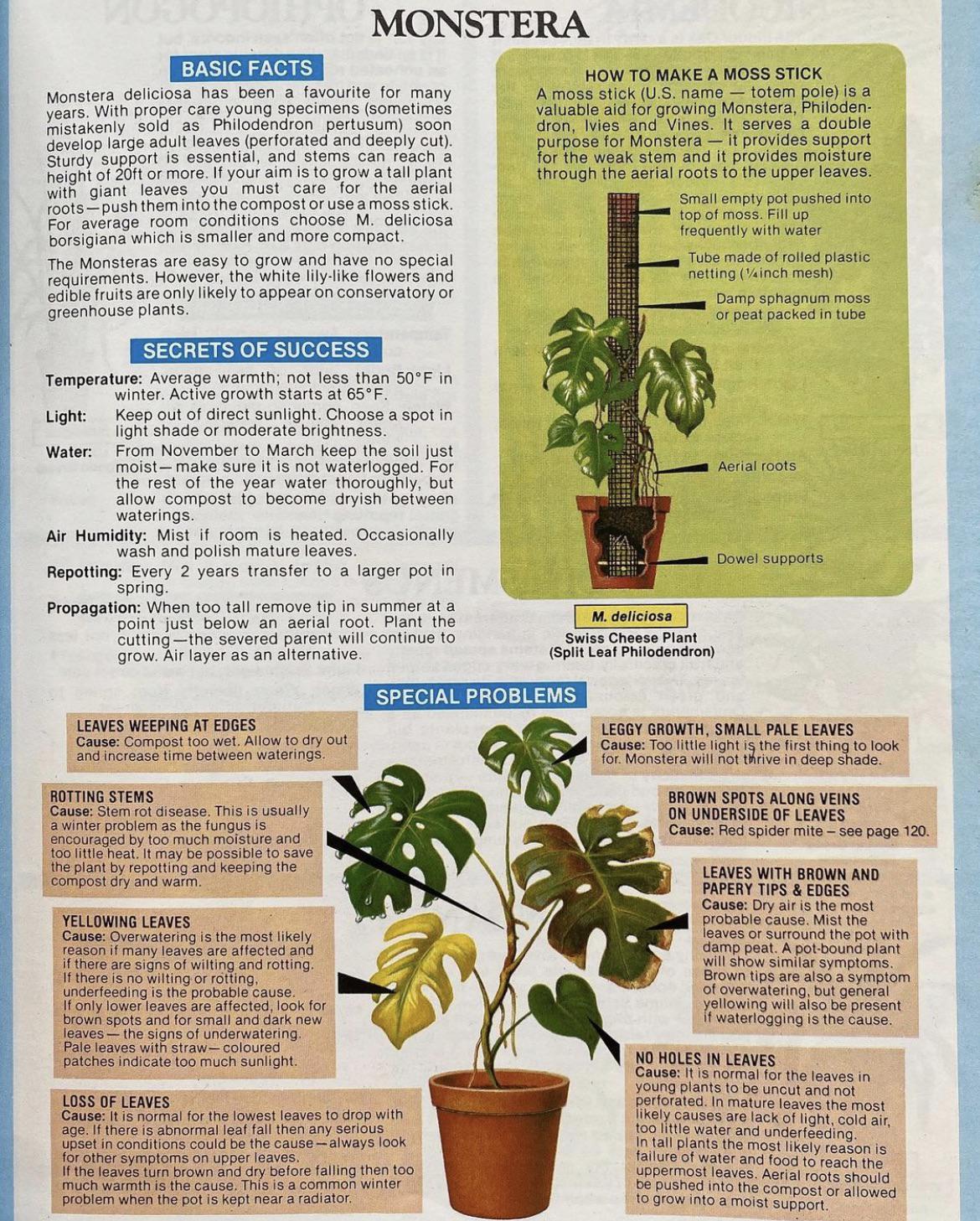
To keep your Monstera happy, focus on light, water, and care. These plants thrive in specific conditions that mimic their natural habitat.
Monstera plants, with their lush, split leaves, are a favorite among plant lovers. They bring a touch of the tropics into your home. But, like all plants, they have specific needs to stay vibrant and healthy. Understanding these needs can make a big difference.
Light, water, and the right environment are key factors. A happy Monstera is not just beautiful; it also grows well and stays free from problems. In this guide, we will explore essential tips to ensure your Monstera remains in top shape. Let’s dive into the details and keep your Monstera thriving.

Choosing The Right Location
Choosing the right location for your Monstera is crucial for its health. It impacts its growth and overall well-being. Let’s explore the key factors: light, temperature, and humidity.
Optimal Light Conditions
Monsteras thrive in bright, indirect light. Direct sunlight can scorch their leaves. Place your plant near a window with filtered light. A sheer curtain can help diffuse the light.
If natural light is limited, use grow lights. Ensure they are on for 10-12 hours daily. Position the grow light 12-24 inches above the plant.
Temperature And Humidity
Monsteras prefer warm temperatures. Keep the room between 65-85°F (18-29°C). Avoid cold drafts and sudden temperature changes.
Humidity is also important. Monsteras thrive in high humidity. Aim for 60% or higher. Here are some tips to maintain humidity:
- Use a humidifier.
- Group plants together.
- Place a tray of water near the plant.
- Mist the leaves regularly.
If the air is too dry, the leaves may turn brown at the edges. Regular misting and other humidity-boosting methods can prevent this.
By paying attention to these details, you can keep your Monstera happy and healthy.

Watering Your Monstera
Monstera plants are loved for their beautiful, large leaves. To keep your Monstera healthy, proper watering is crucial. Learn the basics of watering to help your plant thrive.
Watering Frequency
Monstera plants need consistent moisture. Water your Monstera once a week. But, adjust the frequency based on the season and your home’s conditions.
Spring and Summer: Water more often. The soil dries out faster in warm weather.
Fall and Winter: Water less often. The plant’s growth slows down, and the soil stays moist longer.
Check the soil moisture before watering. Insert your finger about two inches into the soil. If it feels dry, it’s time to water.
Signs Of Overwatering
Overwatering can harm your Monstera. Watch for these signs:
- Yellowing leaves
- Root rot
- Wilting despite wet soil
Yellowing leaves often indicate too much water. The roots can’t breathe, and the plant suffers.
Root rot is a serious problem. Check the roots if you suspect overwatering. Healthy roots are firm and white. Rotting roots are brown and mushy.
If your Monstera is wilting, but the soil is wet, it may have root rot. Reduce watering and allow the soil to dry out.
Proper watering keeps your Monstera happy and healthy. Adjust your routine as needed and watch for signs of overwatering.
Soil And Potting
Keeping your Monstera happy involves ensuring it has the right soil and pot. The plant thrives when its roots are well-cared for. This section covers the best soil mix and the right pot for your Monstera.
Best Soil Mix
Monsteras need a soil mix that provides both aeration and drainage. A well-draining soil mix prevents root rot and promotes healthy growth.
- Use a mix of peat moss, perlite, and orchid bark.
- Aim for a ratio of 40% peat moss, 30% perlite, and 30% orchid bark.
This combination ensures the soil stays moist but not waterlogged. Avoid heavy or compacted soils. These can suffocate the roots.
Choosing The Right Pot
Selecting the right pot is crucial for your Monstera’s health. The pot should have drainage holes to prevent excess water from accumulating.
- Size: Choose a pot that’s 2-3 inches wider than the root ball.
- Material: Terracotta pots are ideal. They allow for better air circulation.
- Depth: Ensure the pot is deep enough for the roots to grow.
A pot that is too large can hold too much moisture. This could lead to root rot. Repot your Monstera every 1-2 years. This ensures it has enough space to grow.
| Aspect | Recommendation |
|---|---|
| Soil Mix | 40% peat moss, 30% perlite, 30% orchid bark |
| Pot Size | 2-3 inches wider than root ball |
| Pot Material | Terracotta |
| Repotting Frequency | Every 1-2 years |
By providing the right soil and pot, you’ll ensure your Monstera thrives. Happy planting!

Fertilizing Tips
Keeping your Monstera happy involves providing it with the right nutrients. Fertilizing plays a significant role in its growth. Proper fertilization ensures that your plant gets essential nutrients. This leads to lush, healthy foliage. Below are some helpful tips on fertilizing your Monstera.
Type Of Fertilizer
Choose a balanced, water-soluble fertilizer. Look for one with equal parts nitrogen, phosphorus, and potassium. An N-P-K ratio of 20-20-20 works well. Liquid fertilizers are easy to use and absorb quickly. Slow-release fertilizers are another good option. They provide a steady supply of nutrients over time.
Fertilizing Schedule
Feed your Monstera every 4-6 weeks during the growing season. This usually spans from spring to early fall. Reduce fertilizing in winter when growth slows. Dilute the fertilizer to half-strength. This prevents over-fertilization and root burn. Always follow the instructions on the fertilizer package.
Pruning And Maintenance
Pruning and maintenance are crucial for a happy Monstera. These activities help the plant grow strong and healthy. Regular pruning keeps your Monstera looking its best. It also prevents the plant from becoming overgrown. Proper maintenance ensures your Monstera thrives.
When To Prune
Prune your Monstera during the growing season. This is usually in spring and summer. Avoid pruning in winter. The plant is dormant during this time. Pruning then can harm your Monstera. Look for yellowing or damaged leaves. These should be removed promptly. Regularly check for overcrowded stems. Thin them out to allow better air circulation.
Tools And Techniques
Use clean, sharp pruning shears. This prevents disease and makes clean cuts. Sterilize your tools before and after use. This helps avoid spreading infections. Cut at an angle near the leaf node. This promotes new growth. For larger stems, use a saw. Be gentle to avoid damaging the plant. Remove dead or yellow leaves first. Then move on to overcrowded stems.
Inspect your Monstera regularly. This helps catch issues early. Keep the area around the plant clean. Remove any fallen leaves or debris. This helps prevent pests and diseases. Regular pruning and maintenance keep your Monstera thriving.
Dealing With Pests
Keeping your Monstera happy means protecting it from pests. Pests can weaken your plant and hinder its growth. This section will guide you through dealing with common pests and using natural remedies to keep your Monstera healthy.
Common Pests
Monstera plants are susceptible to several pests. Here are the most common ones:
- Spider Mites: Tiny red or yellow spots on leaves.
- Mealybugs: White, cotton-like masses on stems and leaves.
- Scale Insects: Brown, flat oval spots on leaves.
- Aphids: Small green or black insects on new growth.
Natural Remedies
Using natural remedies can keep your Monstera safe from harmful chemicals. Here are some effective methods:
- Neem Oil: Mix 2 tablespoons of neem oil with water. Spray it on the plant every week.
- Soap and Water: Mix 1 teaspoon of mild dish soap with water. Use this to spray your Monstera.
- Alcohol Swabs: Dab a cotton swab in alcohol. Use it to remove pests manually.
- Garlic Spray: Blend a few garlic cloves with water. Spray it on the plant to repel pests.
Regularly checking your Monstera for pests is crucial. Early detection makes pest control easier. Use these natural remedies to ensure your Monstera thrives.
Supporting Your Monstera
Monstera plants are popular for their unique leaves and rapid growth. Providing proper support is essential for their health. Supporting your Monstera ensures it grows strong and looks its best. Let’s explore some effective ways to support your plant.
Using Stakes And Trellises
Stakes and trellises are great tools to help your Monstera grow upright. They provide the necessary support for the heavy leaves and vines. Here are some steps to use them effectively:
- Choose the right stake or trellis: Ensure it is tall and sturdy enough for your plant’s growth.
- Insert the stake: Place the stake gently into the soil near the plant’s base. Avoid damaging the roots.
- Secure the vines: Use soft ties or plant clips to attach the vines to the stake or trellis. This helps guide the growth upwards.
- Adjust as needed: Regularly check and adjust the ties as your plant grows.
Training The Vines
Training your Monstera vines encourages proper growth and prevents them from becoming unruly. Follow these tips to train the vines effectively:
- Observe natural growth: Notice the direction your plant naturally grows. Use this to guide your training efforts.
- Gently guide the vines: Use your hands to carefully direct the vines towards the support structure.
- Secure with ties: Soft ties or plant clips help keep the vines in place. Ensure they are not too tight to avoid damage.
- Prune if necessary: Remove any dead or damaged leaves. This promotes healthy growth and directs energy to the stronger parts of the plant.
| Task | Description |
|---|---|
| Choosing the Right Support | Select a stake or trellis that matches your Monstera’s size. |
| Securing the Vines | Use soft ties to gently secure the vines. |
| Regular Adjustments | Check and adjust the ties as your plant grows. |
| Pruning | Remove dead or damaged leaves to promote healthy growth. |
By providing proper support, your Monstera will thrive and become a stunning focal point in your home. Happy growing!
Repotting And Propagation
Repotting and propagation are crucial for the health of your Monstera. Proper care ensures your plant thrives and grows beautifully. Let’s dive into these essential aspects.
When To Repot
Monsteras grow quickly and need more space over time. Repotting allows the roots to expand and access more nutrients.
Look for these signs to know when to repot:
- Roots growing out of the drainage holes
- Soil dries out too quickly
- Plant looks cramped or top-heavy
Repot your Monstera every 1-2 years. Use a pot 2-3 inches larger than the current one. Ensure the pot has drainage holes.
Propagation Methods
Propagating your Monstera is a great way to grow new plants. There are several methods to choose from:
- Stem Cuttings: Cut a stem with at least one node and one leaf. Place it in water or soil until it roots.
- Air Layering: Wrap a moist sphagnum moss around a node. Secure with plastic wrap and wait for roots to develop.
- Division: Gently separate the plant into smaller sections. Each section should have roots and leaves.
Each method has its benefits. Choose the one that works best for you and your plant.
Frequently Asked Questions
How Often Should I Water My Monstera?
Water your Monstera when the top inch of soil feels dry. Ensure the soil is moist but not waterlogged. Overwatering can lead to root rot.
What Kind Of Light Does Monstera Need?
Monsteras thrive in bright, indirect light. Avoid direct sunlight, which can scorch their leaves. Low light can slow their growth.
How Do I Increase Humidity For My Monstera?
Increase humidity by misting the leaves regularly. You can also use a humidifier or place a tray of water nearby.
Why Are My Monstera Leaves Turning Yellow?
Yellow leaves can result from overwatering or poor drainage. Ensure the soil is well-draining and the plant isn’t sitting in water.
Conclusion
Keeping your Monstera happy is simpler than you think. Water it regularly but avoid over-watering. Ensure good light, but not direct sunlight. Use well-draining soil. Prune dead leaves to promote growth. Rotate the plant for even light exposure. Watch for pests and treat them quickly.
Monstera care is easy with these steps. Enjoy your thriving, beautiful plant. Happy growing!
Leave a Reply