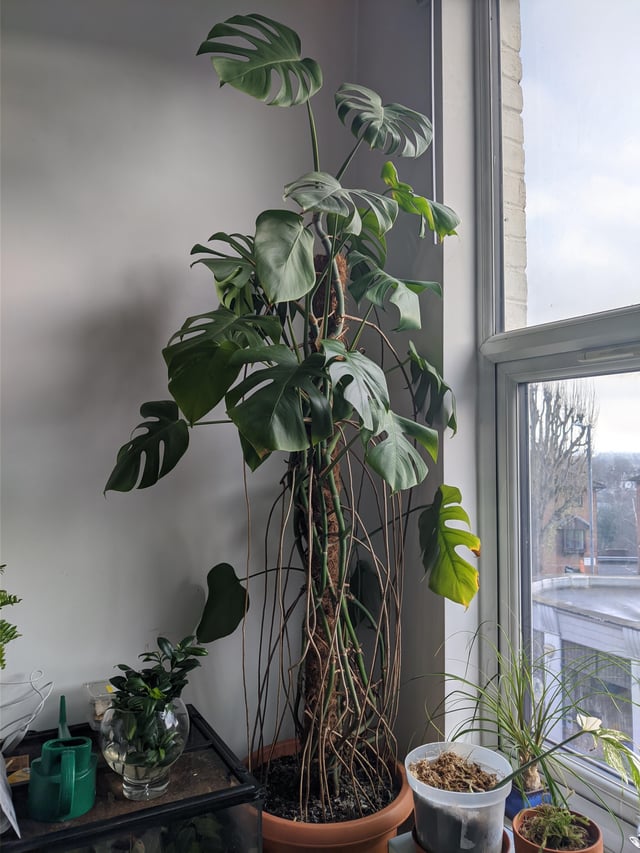
Monstera plants are popular for their stunning leaves. They add a tropical feel to any space.
Improving the health and look of your Monstera can be simple. These plants thrive with the right care and environment. Proper watering, light, and soil can make a big difference. Understanding these needs helps your Monstera grow well. Healthy plants not only look good but also live longer.
In this guide, we will explore ways to boost your Monstera’s health. Whether you’re a plant beginner or a seasoned gardener, these tips are for you. Let’s dive into the steps to keep your Monstera happy and thriving.

Assessing Plant Health
Proper care is essential for a thriving Monstera. Regularly assessing your plant’s health ensures it remains vigorous and lush. Understanding the signs of a healthy plant and identifying common issues can help you provide the best care.
Signs Of A Healthy Monstera
A healthy Monstera displays several key characteristics:
- Vibrant Leaves: Leaves should be green and glossy.
- New Growth: New leaves unfurl regularly.
- Firm Stems: Stems should be thick and sturdy.
- Visible Aerial Roots: Aerial roots should be strong and numerous.
These signs indicate your Monstera is receiving proper care and thriving in its environment.
Common Health Issues
Watch for these common health issues that can affect your Monstera:
| Issue | Symptoms | Solution |
|---|---|---|
| Yellow Leaves | Overwatering or underwatering | Check soil moisture and adjust watering. |
| Brown Leaf Edges | Low humidity or underwatering | Mist leaves or increase watering. |
| Leaf Spots | Fungal or bacterial infection | Remove affected leaves and improve air circulation. |
| Drooping Leaves | Underwatering or root-bound | Water thoroughly or repot if necessary. |
Identifying and addressing these issues promptly can help keep your Monstera healthy and beautiful.

Optimal Light Conditions
For your Monstera to thrive, providing the right light is crucial. The plant’s growth and health heavily depend on it. Let’s explore the best light types and why avoiding direct sunlight is essential.
Best Light Types
Monsteras need bright, indirect light to grow well. Direct sunlight can harm their leaves. Place your Monstera near a north or east-facing window. These windows provide gentle light.
You can also use sheer curtains to diffuse the light. This way, your Monstera gets the light it needs without the risk of leaf burn.
Avoiding Direct Sunlight
Direct sunlight can scorch Monstera leaves. The leaves might develop brown spots or turn yellow. This damages the plant’s health.
To protect your Monstera, keep it away from south or west-facing windows. These windows receive intense sunlight, especially in the afternoon.
If you can’t avoid these windows, use a sheer curtain. This will help filter the intense light, making it safe for your Monstera.
Watering Techniques
Watering your Monstera plant correctly is crucial for its health. Proper watering techniques ensure the plant receives the right amount of moisture. This helps avoid issues such as root rot and dehydration. Let’s explore the best practices for watering your Monstera.
Proper Watering Schedule
Establishing a proper watering schedule is essential. Water your Monstera every 1-2 weeks. This depends on the humidity and temperature of your home. Check the soil before watering. The top 2-3 inches should feel dry.
Use this table to guide your watering schedule:
| Season | Watering Frequency |
|---|---|
| Spring | Every 1-2 weeks |
| Summer | Every 1 week |
| Fall | Every 2 weeks |
| Winter | Every 2-3 weeks |
Signs Of Overwatering
Overwatering can harm your Monstera. Look for these signs:
- Yellowing leaves
- Mushy or soft stems
- Foul odor from the soil
- Wilting despite wet soil
If you notice any of these signs, reduce watering. Allow the soil to dry out more between waterings. Ensure your pot has proper drainage. This helps prevent water from sitting at the bottom.
Keep your Monstera healthy by following these simple watering techniques. Happy growing!
Soil And Potting Mix
Understanding the best soil and potting mix is crucial for a thriving Monstera. These plants need proper care to grow and look their best. The right soil mix can make a big difference. Let’s explore the key aspects of soil and potting mix for Monstera care.
Choosing The Right Soil
Monstera plants prefer well-draining soil. A mix that retains some moisture but drains well is ideal. Using a mix with peat, perlite, and pine bark works well. Avoid heavy soils that retain too much water. Over-watering can lead to root rot, which harms the plant. Ensure the soil mix allows air to reach the roots.
Repotting Tips
Repot Monstera every two years or when roots outgrow the pot. Choose a pot one size larger than the current one. Ensure the new pot has drainage holes. Gently remove the plant from the old pot. Shake off excess soil and check the roots. Trim any dead or damaged roots. Place the plant in the new pot, adding fresh soil around it. Water lightly after repotting.
Nutrient Requirements
Monstera plants, with their iconic split leaves, thrive with the right nutrients. Ensuring your Monstera receives proper nutrition will help it grow strong and healthy. This section covers the nutrient requirements, focusing on fertilizing schedules and the differences between organic and synthetic fertilizers.
Fertilizing Schedule
A consistent fertilizing schedule is crucial for the health of your Monstera. Feeding your plant regularly ensures it gets the nutrients needed for growth.
Follow this simple fertilizing schedule for best results:
- Spring and Summer: Fertilize every 2-4 weeks. Use a balanced, water-soluble fertilizer.
- Fall and Winter: Reduce fertilizing to once a month. Monsteras grow slower during these months.
Always dilute the fertilizer to half strength to prevent nutrient burn. Over-fertilizing can harm your plant.
Organic Vs. Synthetic Fertilizers
Choosing between organic and synthetic fertilizers depends on your preference and the plant’s needs. Both have their advantages and disadvantages.
| Type | Pros | Cons |
|---|---|---|
| Organic Fertilizers |
|
|
| Synthetic Fertilizers |
|
|
Organic fertilizers are better for long-term soil health. Synthetic fertilizers offer quick nutrient boosts. Choose based on your gardening style and plant needs.
Pruning And Maintenance
Pruning and maintenance are essential for a healthy Monstera plant. Regular pruning helps the plant grow strong and beautiful. Proper maintenance keeps it free from pests and diseases. In this section, we’ll explore the best practices for pruning and maintaining your Monstera.
When To Prune
Pruning should be done during the growing season. This is usually in spring and summer. Avoid pruning in winter, as the plant is dormant. Prune when you see overgrown or damaged leaves. This helps the plant focus its energy on new growth.
How To Prune Safely
Use clean, sharp scissors or pruning shears. Dirty tools can spread diseases. Cut just above a node or leaf stem. This encourages new growth. Remove yellow or brown leaves. These are often a sign of stress or disease.
| Step | Action |
|---|---|
| 1 | Inspect your Monstera for overgrown or damaged leaves. |
| 2 | Clean your scissors or pruning shears. |
| 3 | Cut above a node or leaf stem. |
| 4 | Remove yellow or brown leaves. |
Always wear gloves to protect your hands. Monstera sap can be irritating to the skin. Dispose of the cut leaves properly. This prevents the spread of pests and diseases. Keep your Monstera in a well-ventilated area. This helps it recover faster from pruning.
Follow these steps, and your Monstera will thrive. Regular pruning and maintenance keep your plant healthy and beautiful.
Pest And Disease Control
Monstera plants can face issues with pests and diseases. Proper control methods help keep your plant healthy. Let’s explore how to identify pests and use natural remedies to protect your Monstera.
Identifying Pests
Common pests on Monstera include spider mites, aphids, and scale insects. Spider mites are tiny and red or black. They create fine webs under leaves. Aphids are small, green, or black insects. They cluster on new growth and stems. Scale insects are brown or white bumps on stems and leaves. Regularly check your Monstera for these signs. Early detection makes treatment easier.
Natural Remedies
Use natural remedies to control pests on your Monstera. Neem oil is effective. Mix one teaspoon of neem oil with one liter of water. Spray the mixture on affected areas. Repeat every week until pests are gone. Another method is using soapy water. Mix one teaspoon of mild soap with one liter of water. Spray the solution on the pests. Rinse the plant after a few hours. Ladybugs can also help. They eat aphids and other pests. Release them near your Monstera for natural pest control.

Environmental Factors
Environmental factors play a significant role in the health of your Monstera plant. By understanding and managing these factors, you can help your plant thrive. Two key aspects to consider are humidity and temperature.
Humidity Needs
Monsteras thrive in high humidity. Aim for humidity levels between 60-80%. Low humidity can cause leaf edges to brown. Use a humidifier to maintain proper levels. Misting the leaves can also help. Grouping plants together boosts local humidity naturally.
Ideal Temperature Range
Monsteras prefer warm temperatures. Keep them between 65-85°F (18-29°C). Avoid placing them near cold drafts or heat sources. Sudden temperature changes can stress the plant. Consistent warmth ensures steady growth.
Frequently Asked Questions
How Often Should I Water My Monstera?
Monstera plants typically need watering every 1-2 weeks. Check soil moisture before watering. Avoid overwatering to prevent root rot.
What Light Conditions Are Best For Monstera?
Monstera thrives in bright, indirect light. Avoid direct sunlight as it can scorch the leaves. Low light slows growth.
How Can I Make My Monstera Grow Faster?
Ensure proper light, humidity, and watering. Fertilize monthly during growing season. Prune regularly for bushier growth.
Why Are My Monstera Leaves Turning Yellow?
Yellow leaves can indicate overwatering, underwatering, or nutrient deficiency. Check soil moisture and fertilize appropriately.
Conclusion
Caring for your Monstera is simple with the right tips. Ensure it gets bright, indirect light. Water it when the top soil feels dry. Use a well-draining pot. Clean its leaves regularly to keep them healthy. With patience and love, your Monstera will thrive.
Enjoy the beauty and joy it brings to your home. Happy gardening!
Leave a Reply